Jul 242026
 

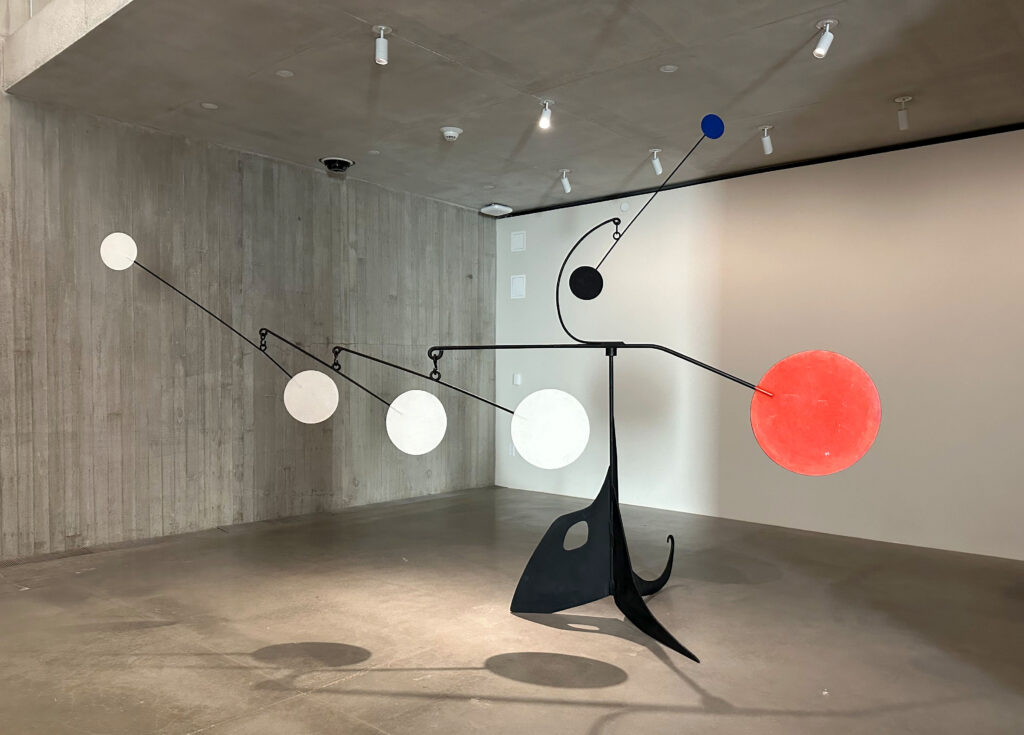
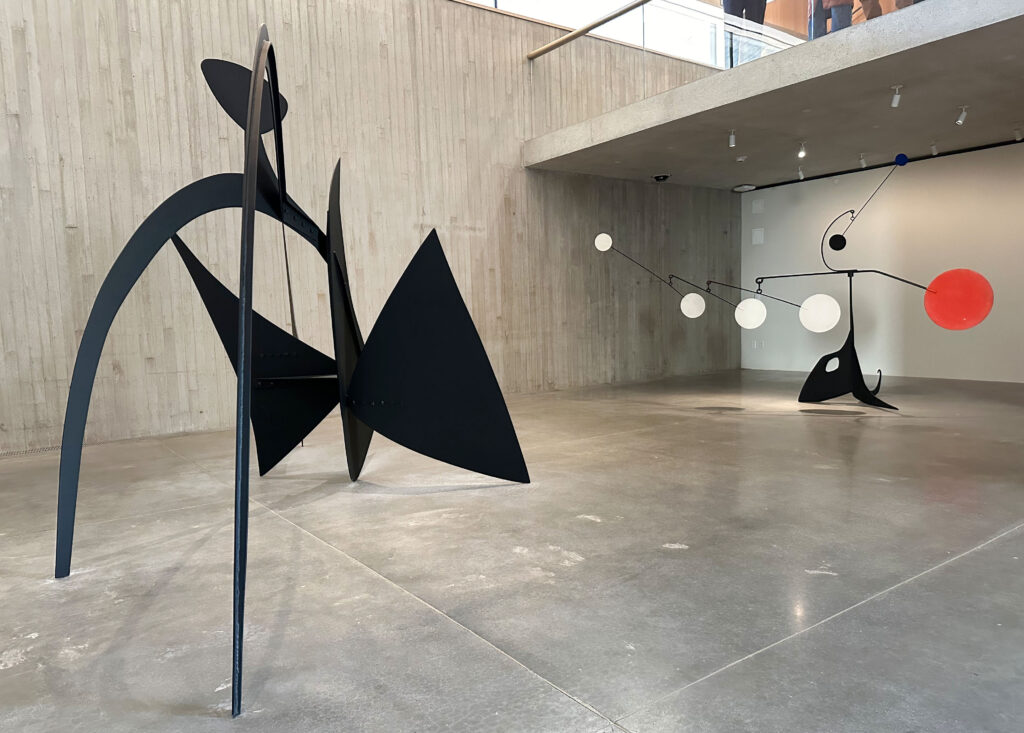
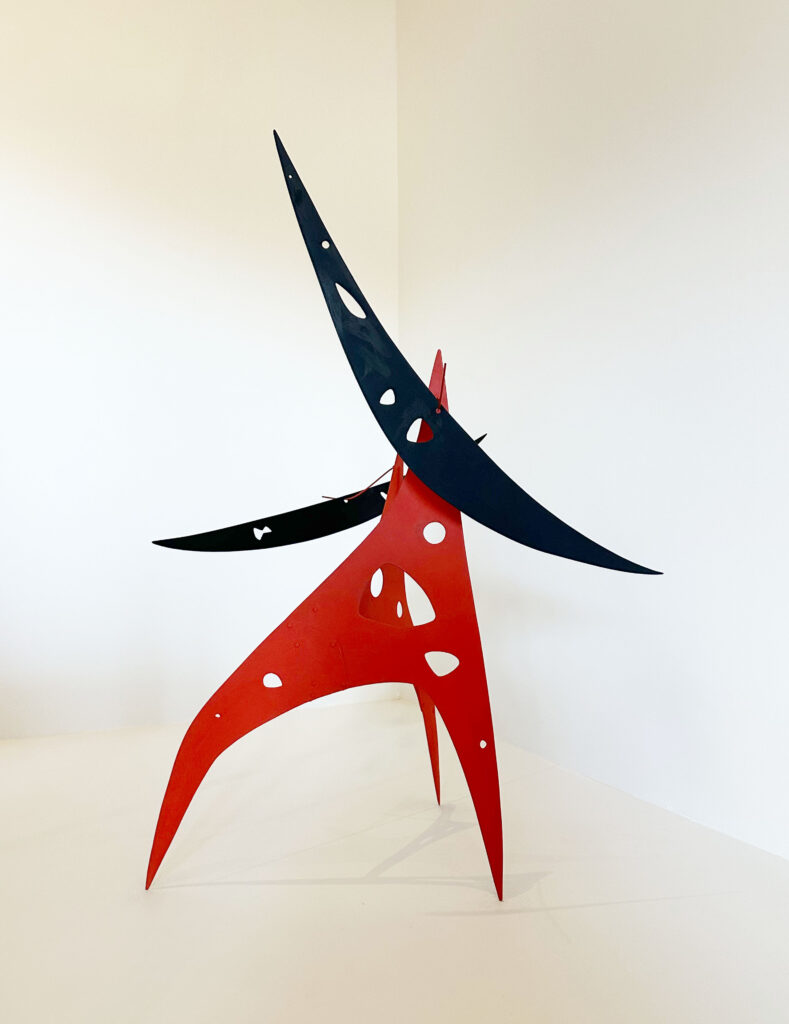
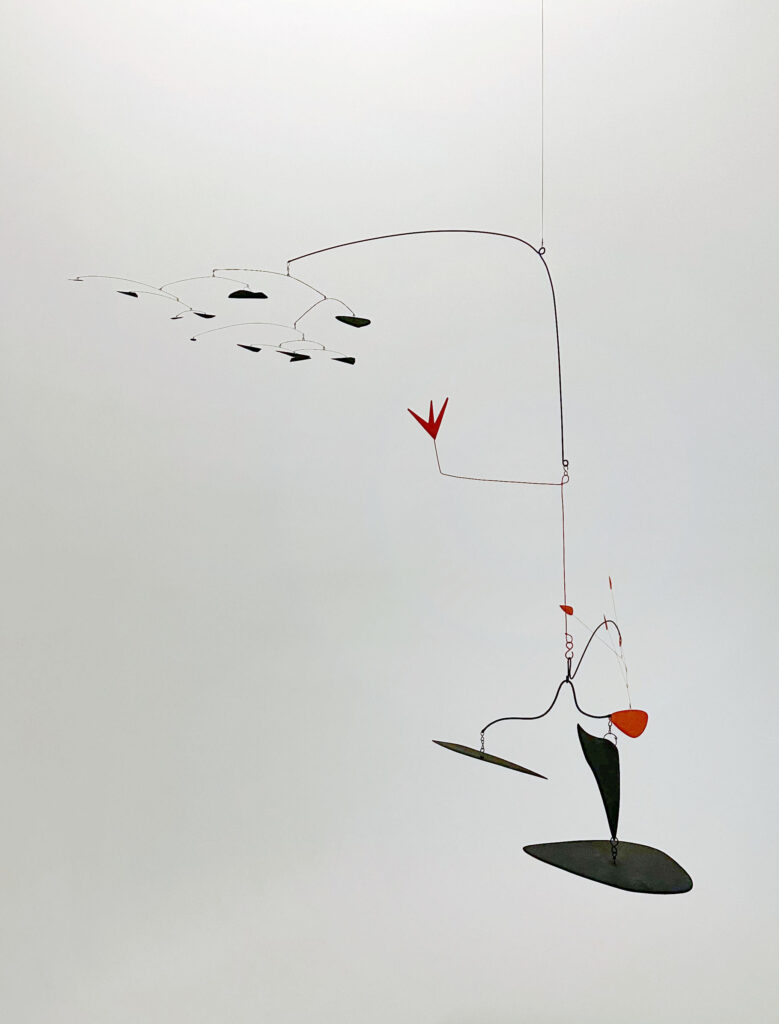
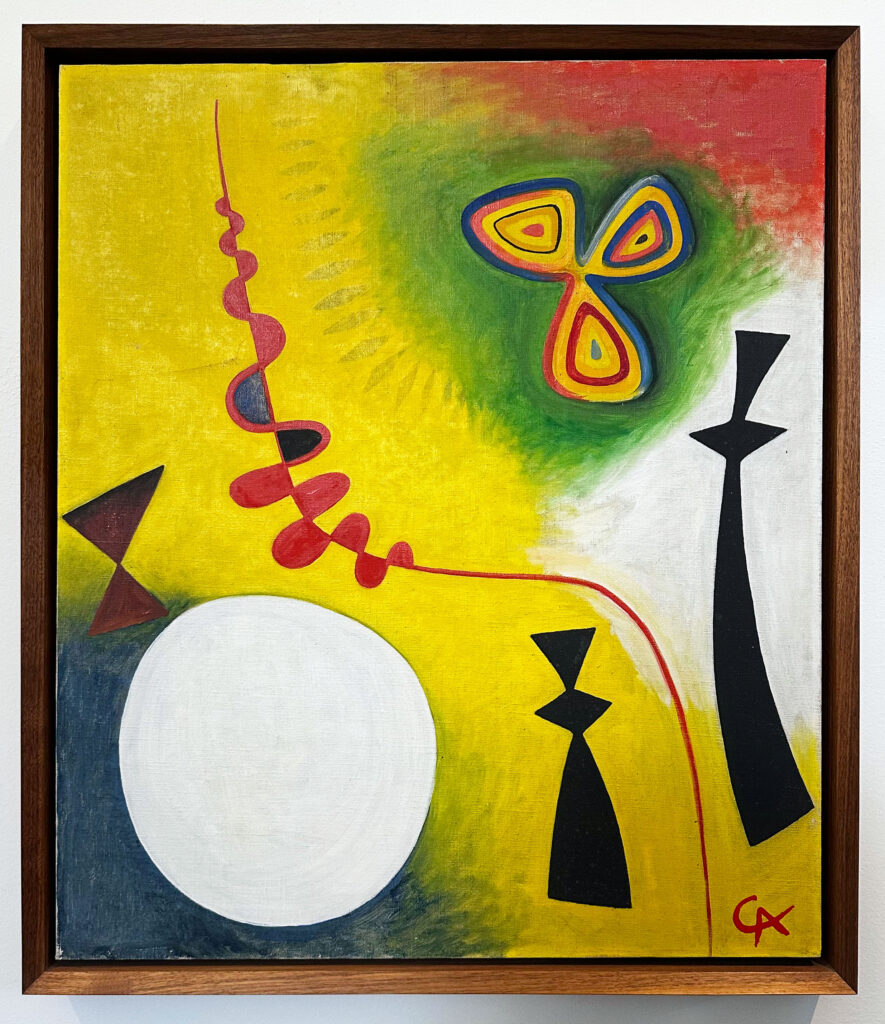
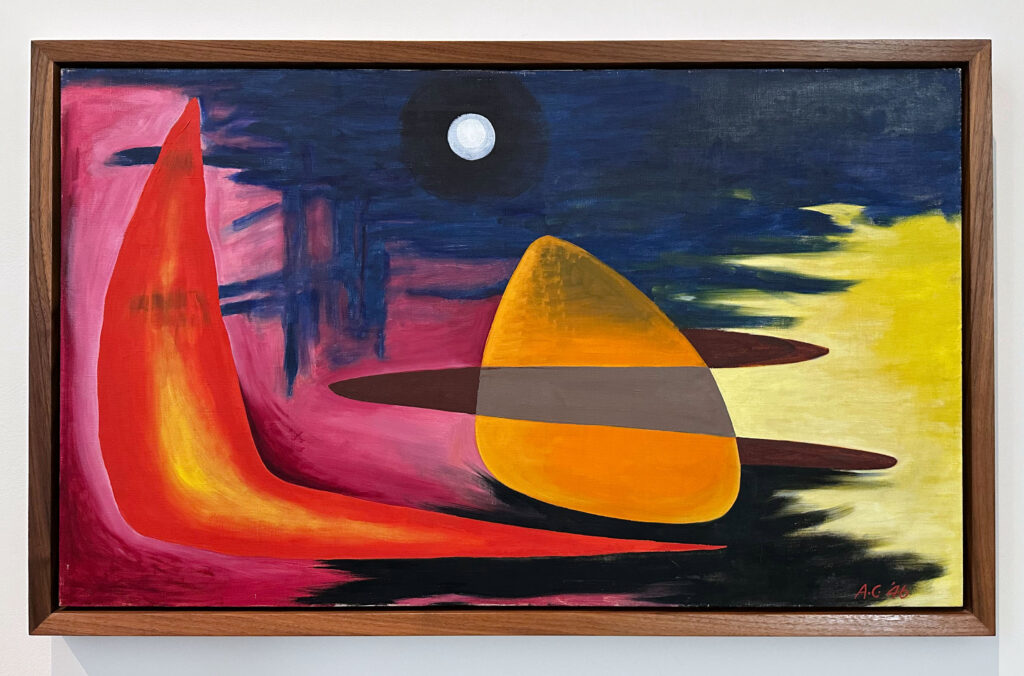
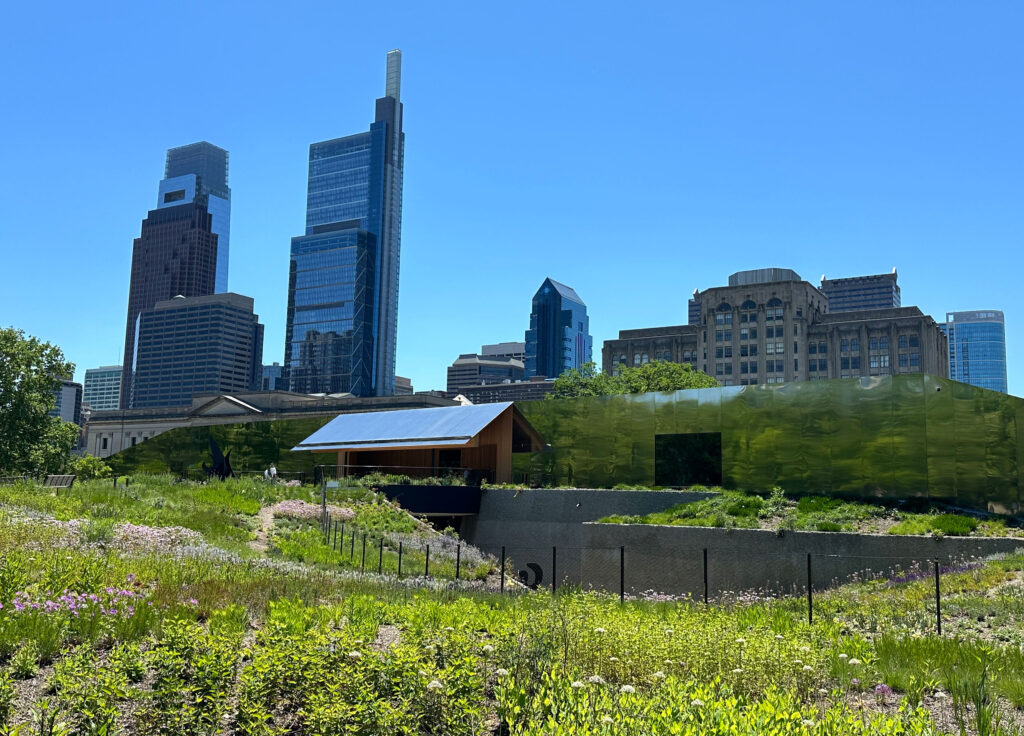
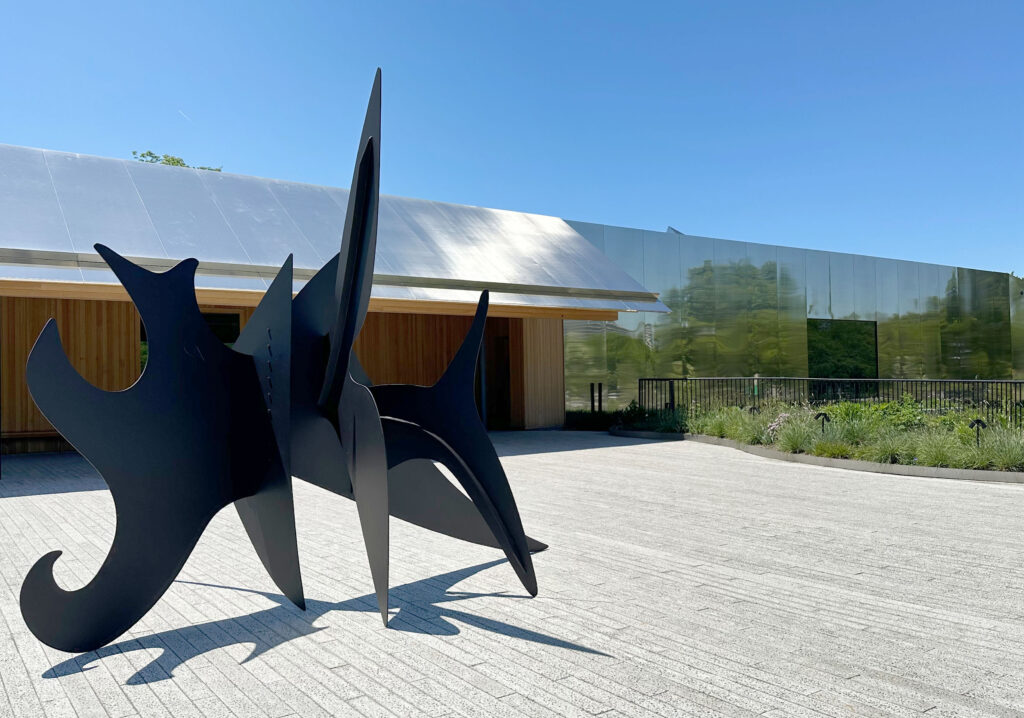
As you approach the Calder Gardens building, you will first notice the gardens and, if you visit in spring, the flowers. Once inside you’ll find a selection of Alexander Calder‘s works, including a few of his paintings. The space is organized in a way that never feels crowded, encouraging visitors to look at the work from different angles or watch how some pieces move with the slightest change in the air around them.

For the month of July, Philadelphia residents can visit Calder Gardens and the Barnes (which is located across the street) for free.

About Calder Gardens from their website:

Calder Gardens is a new art institution dedicated to Alexander Calder (1898–1976), one of the most acclaimed and influential artists of the 20th century. Building on the artist’s enduring legacy, it is conceived as a place where an evolving interplay between art, architecture, nature, and programming encourages contemplation and self-discovery.

Set within a landscape featuring more than 250 varieties of plants in gardens conceived by Piet Oudolf, Calder Gardens’ 18,000-square-foot building, designed by Herzog & de Meuron, houses a rotating installation of artworks by Calder. Spanning the artist’s 50-year career and diverse bodies of work, the objects on view respond to architectural moments rather than art historical narratives. This selection of artworks slowly changes over time, echoing the natural rhythms of the seasons. Some will remain for years, while others are only on view for a few months, creating an ever-changing environment that encourages close looking and repeat visits.

In dialogue with Calder’s own experimental practice, programming at Calder Gardens presents performances, sonic experiences, screenings, lectures, and other events that connect the artist’s legacy of innovation to contemporary art. Emphasizing mindfulness and environmental awareness, Calder Gardens is a space that foregrounds the interconnectedness of all elements of life. Straying from fact-based learning, Calder Gardens offers daily walks that encourage personal introspection as visitors move through the building.

Calder Gardens is located on the Benjamin Franklin Parkway in the heart of Philadelphia, a city with deep connections to the Calder family across several generations. It extends this lineage to the present day and joins Philadelphia’s rich artistic and cultural communities.

Jan 022024
 

Frank Weston Benson, “Natalie”, 1917, Oil on canvas

Childe Hassam, “Gathering Flowers in a French Garden”, 1888, Oil on canvas

Luther Emerson Van Gorder, “In the Park”, before 1894, Oil on canvas

Tampa Museum of Art’s current exhibition, Frontiers of Impressionism: Paintings from the Worcester Art Museum, features paintings by American and European impressionists and is a lovely reminder of the extraordinary works these artists created during this time period. The enduring popularity of the impressionists throughout the years makes sense when walking among these paintings. The use of color and brush work, as well as the details and beauty of the subject matter (not to mention the wealth and comfort often depicted)- make the viewer feel like they are being transported through time to the artist’s idyllic world.

From the museum-

In 2024, the term “impressionism” celebrates its 150th anniversary. Such a significant occasion inspires reflection on the profound impact that a relatively small group of artists in Paris made by positing a new mode of painting: one that favored painting outdoors over in a studio, immediacy over planning, the everyday over the grand, and the fleeting over the eternal. In doing so, the impressionists upended centuries of traditions in European art. This exhibition explores the radical impulses behind impressionism and its seemingly endless adaptability, as artists from around the world came to Paris to study and returned to their homelands, assimilating what they had absorbed and propelling the movement further.

The Worcester Art Museum pioneered new artistic horizons by embracing impressionism early in its history. The French and American impressionism collections at the Worcester Art Museum have long drawn visitors to the galleries. The first directors purchased works by Monet from his Parisian dealer, Durand-Ruel, as well as directly from American impressionists, making the Museum one of the first in the United States to collect impressionism actively as contemporary art. Over the past 125 years, this collection has grown, encapsulating the story of the movement’s roots and emergence in France and its subsequent expansion to the United States, Germany, Scandinavia, and beyond. Highlighting more than 30 artists, including Claude Monet, Pierre-Auguste Renoir, Camille Pissarro, Mary Cassatt, Childe Hassam, and Max Slevogt, this exhibition demonstrates impressionism’s international allure, captured in subjects as far-flung as Monet’s famed Giverny lily pond to the natural wonders of the Grand Canyon.

Below are a few more selections from the show.

Max Slevogt, “Selbstbildnis im Garten (A Self-Portrait in the Garden at Godgramstein), 1910, Oil on canvas

Max Slevogt, “Selbstbildnis im Garten (A Self-Portrait in the Garden at Godgramstein), 1910, Oil on canvas (detail)

Paul Signac, “Golfe Juan”, 1896, Oil on canvas

Thomas Cole, “View on the Arno, near Florence”, 1837, Oil on canvas

Lovis Corinth, “Vordem Spiegel (At the Mirror)”, 1912, Oil on canvas

John Singer Sargent, “Katherine Chase Pratt”, 1890, Oil on canvas

About the unfinished painting above (from the museum)-

A successful society portraitist, Sargent painted the elite from his international social circles. In June 1890, Sargent visited Worcester, Massachusetts, where he was inundated by requests for portraits. The sitter’s father, Frederick Pratt, a noted collector and eventual acting director of the Worcester Art Museum (1908 and 1917), became friends with the artist and invited him to return a few months later to paint his daughter, Katherine- although the idea for Katherine’s portrait originated in Sargent’s first trip to Worcester, when he had made a sketch of hydrangeas. Sargent’s vision of Katherine against a backdrop of flowers, however, proved less than satisfactory for his client and he abandoned the painting for another, more formal depiction. As an unfinished work, this painting reveals the immediacy of Sargent’s process, with careful attention to broad swaths of color and patterns in the brushwork to convey flower petals or folds of clothing.

This exhibition will be on view until 1/7/2024.