Jun 252023
 

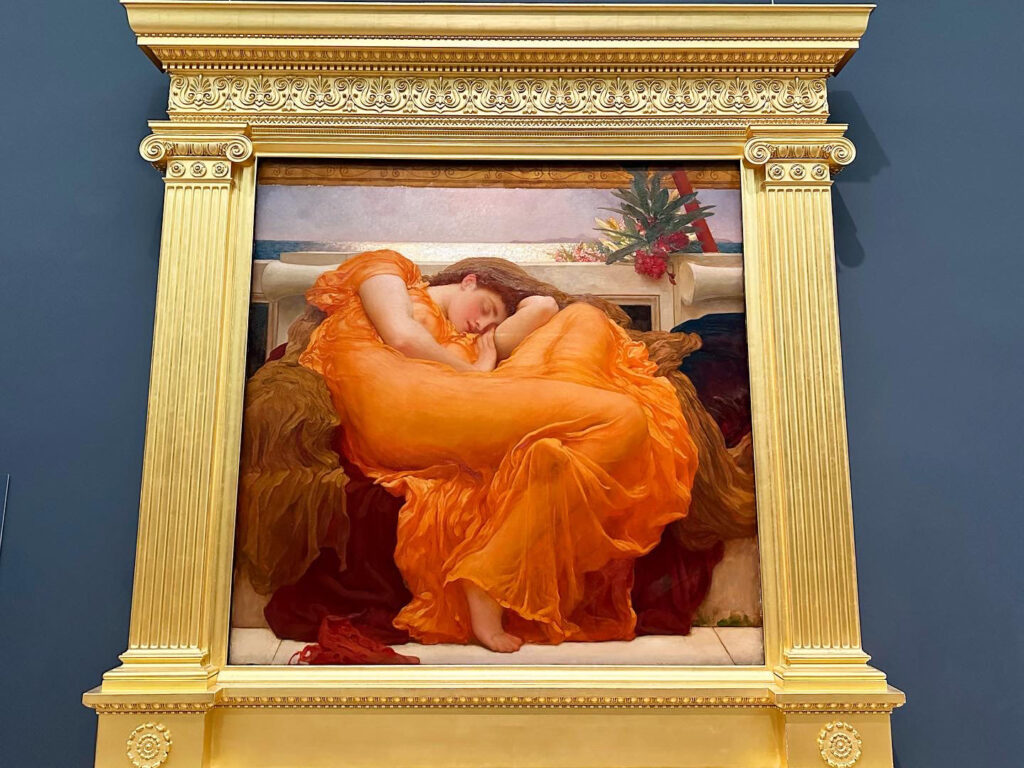
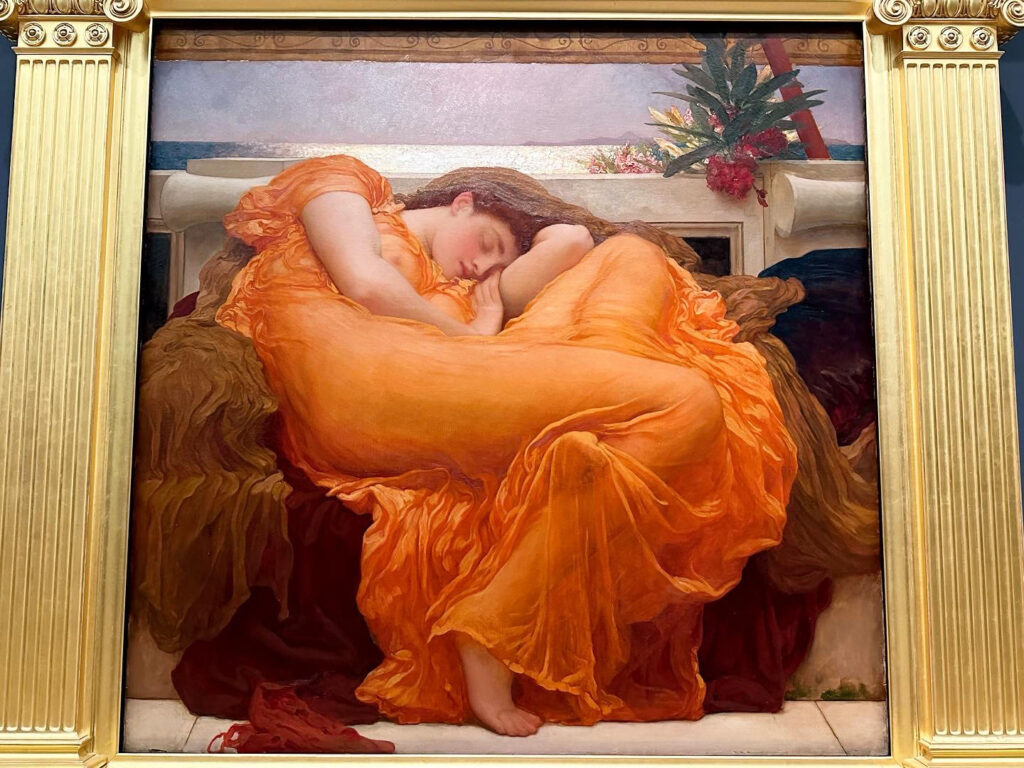
Frederic Leighton’s 1895 painting Flaming June is currently on view at The Metropolitan Museum of Art. It is on loan from Museo de Arte de Ponce in Puerto Rico, which is currently undergoing earthquake-related renovations.

From The Met’s website about the work-

According to Leighton, the composition was inspired by the posture of a tired model. He elaborated her sinuous pose and then added sheer orange draperies. Her skin flushed by the sun, she is transformed into a personification of summer heat. The image reflects Leighton’s allegiance to artistic ideals that emphasized harmonious color and form over narrative.

This and Lachrymae (hanging nearby) were the last great pair of paintings he exhibited at the Royal Academy in London, in 1895. Critics raved, but tastes soon changed; Flaming June did not regain its fame until the Museo de Arte de Ponce acquired it in the 196os. The frame is a reconstruction of the lost original designed by the artist.

This work will be on view until February of 2024.

Mar 292023
 

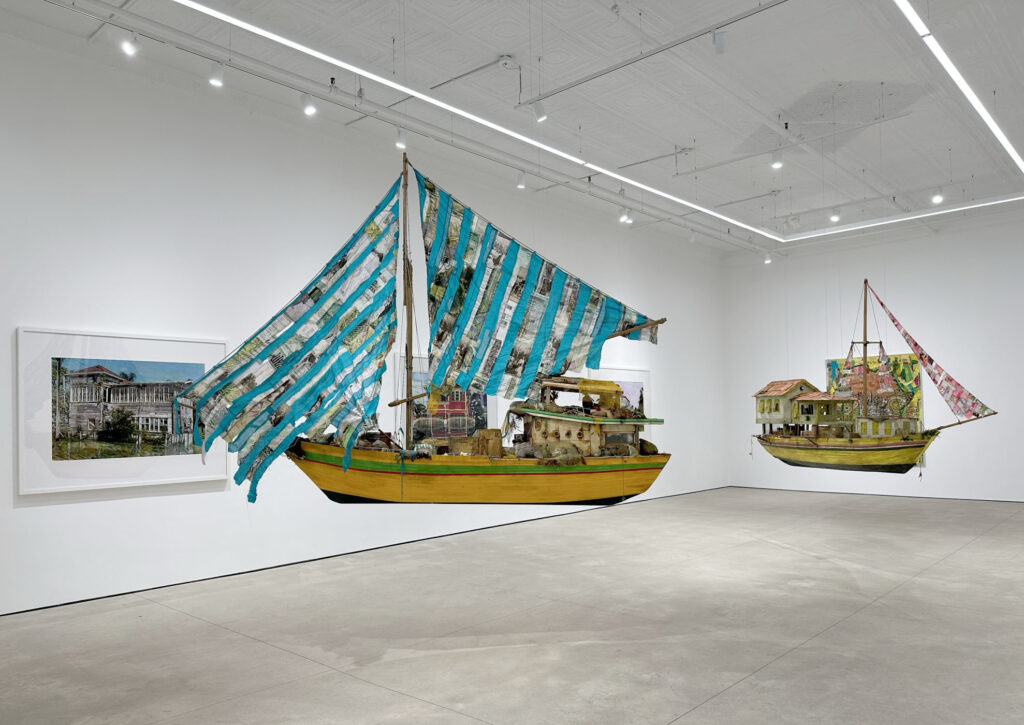
Hew Locke, “Listening to the Land” room view
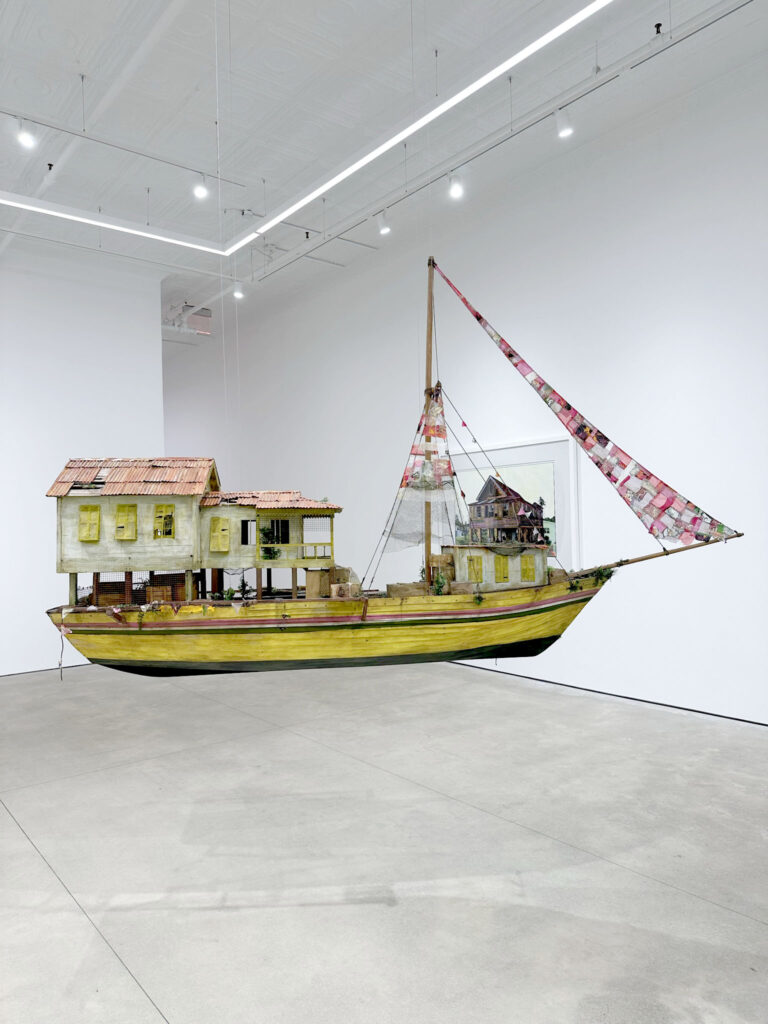
“The Relic”, 2022
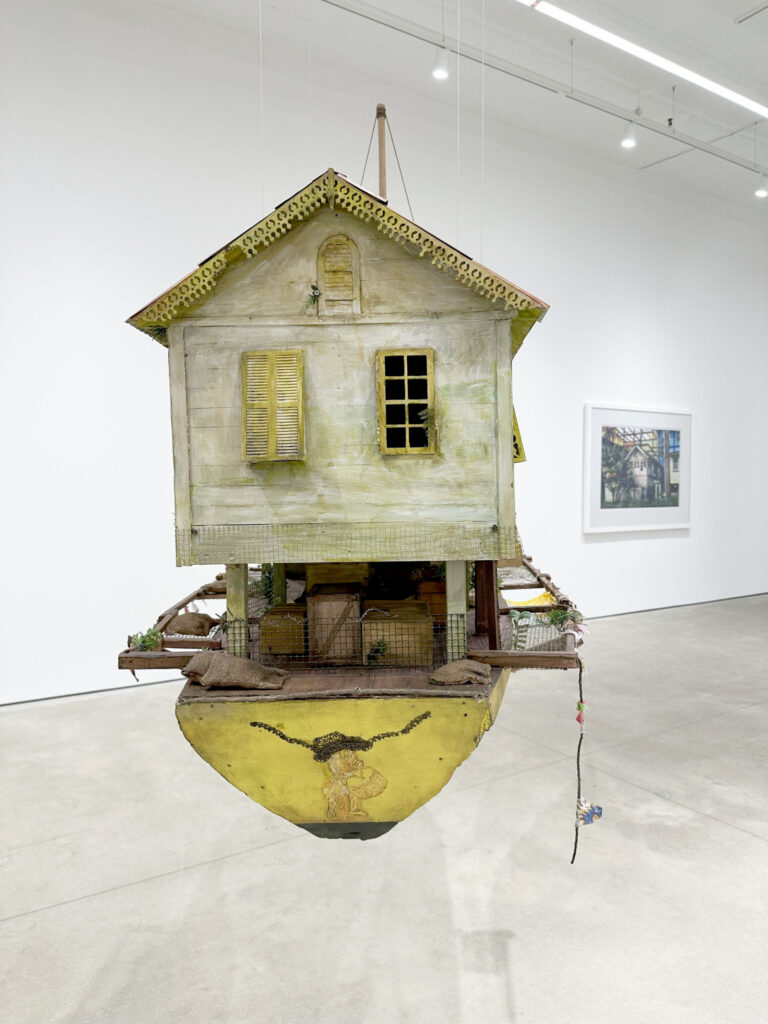
“The Relic” 2022 (another side)
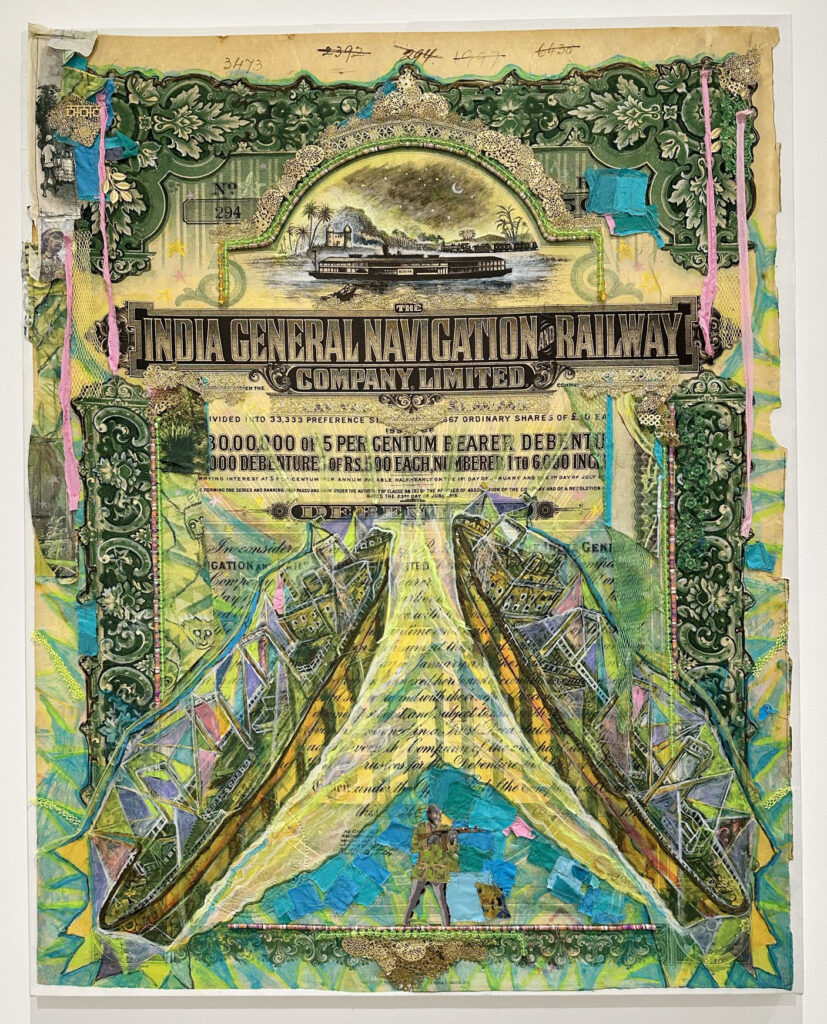
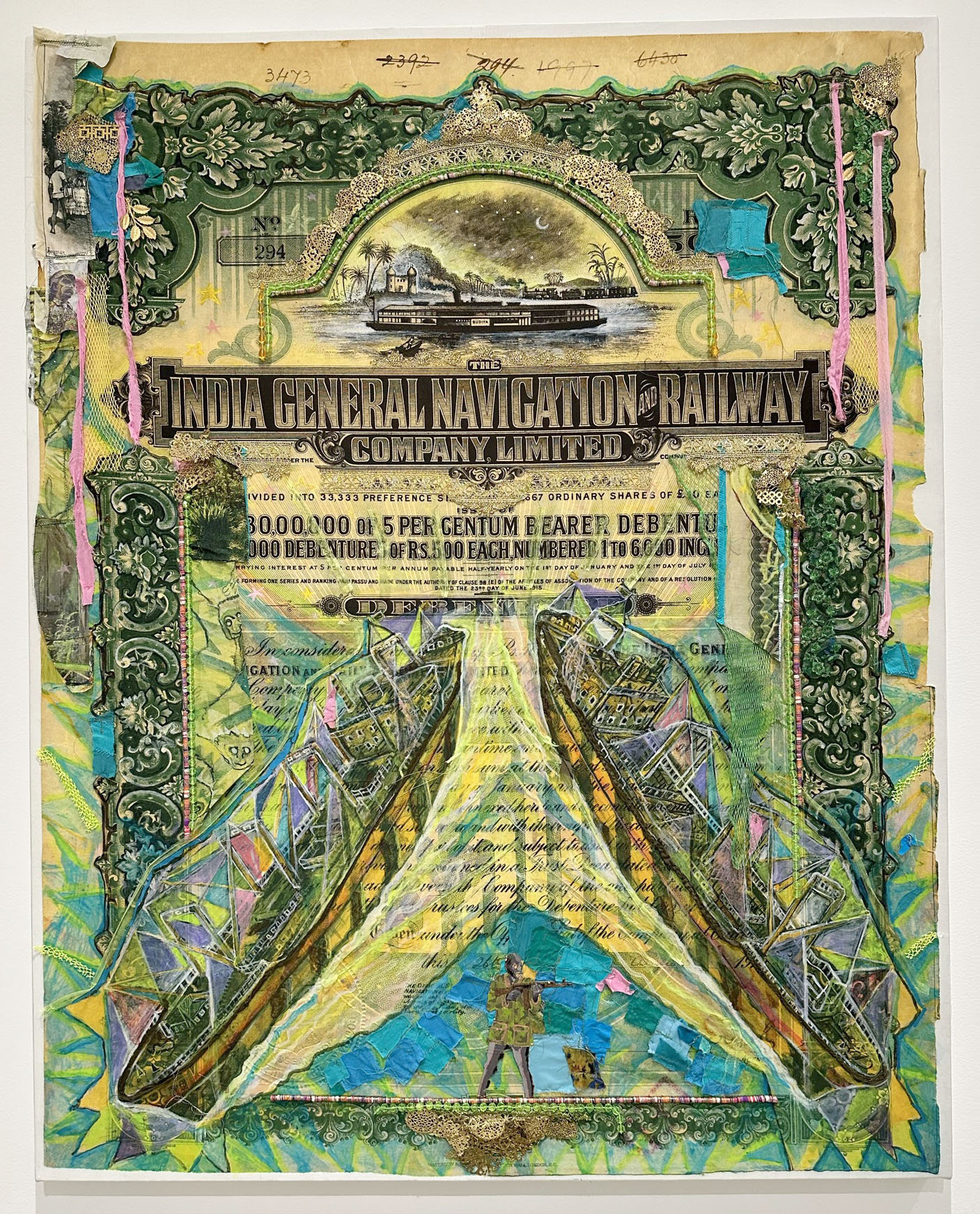
“Raw Materials 3”, 2022
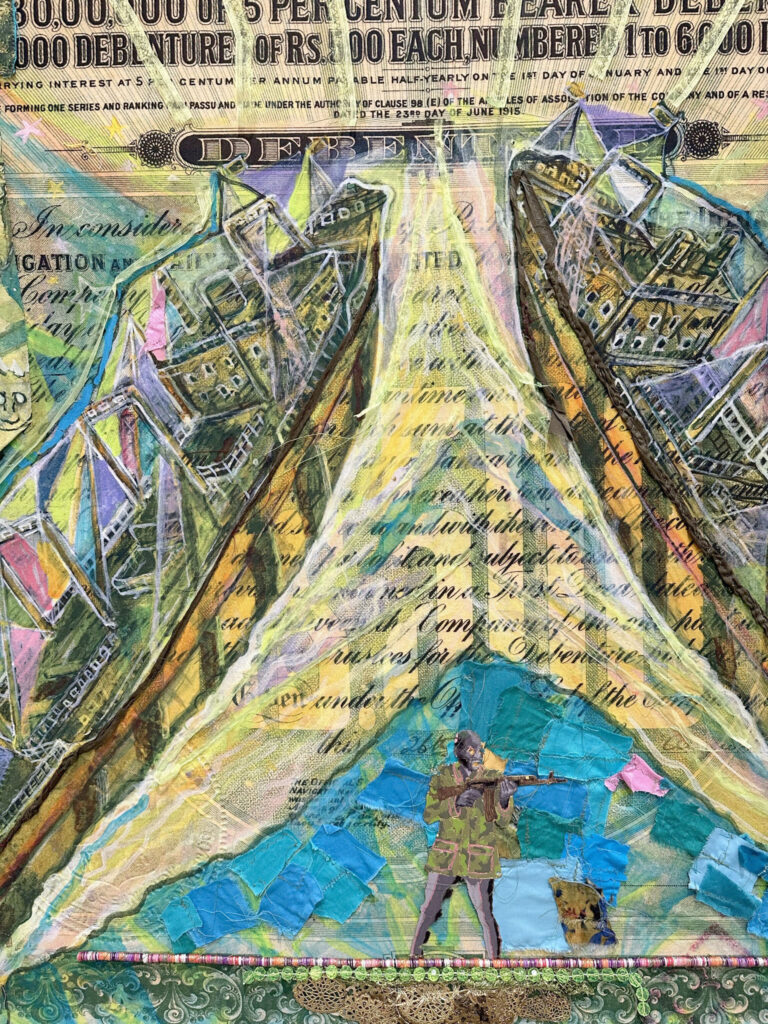
“Raw Materials 3”, 2022 (detail)
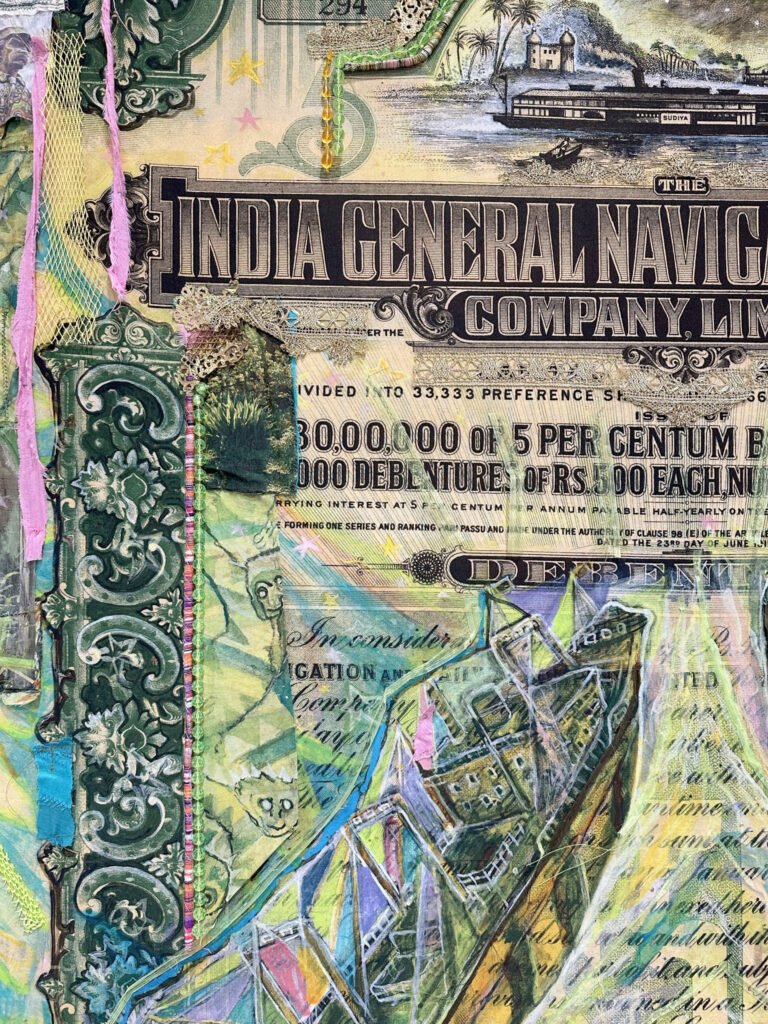
“Raw Materials 3”, 2022 (detail)
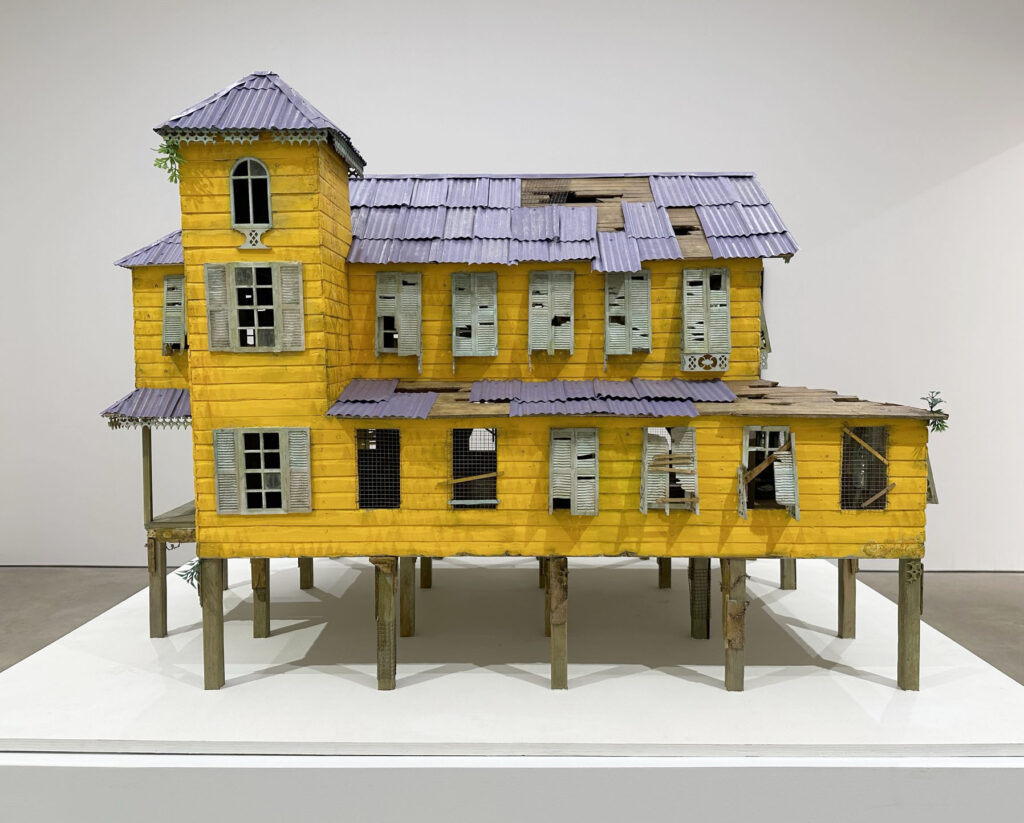
“Jumbie House 2”, 2022
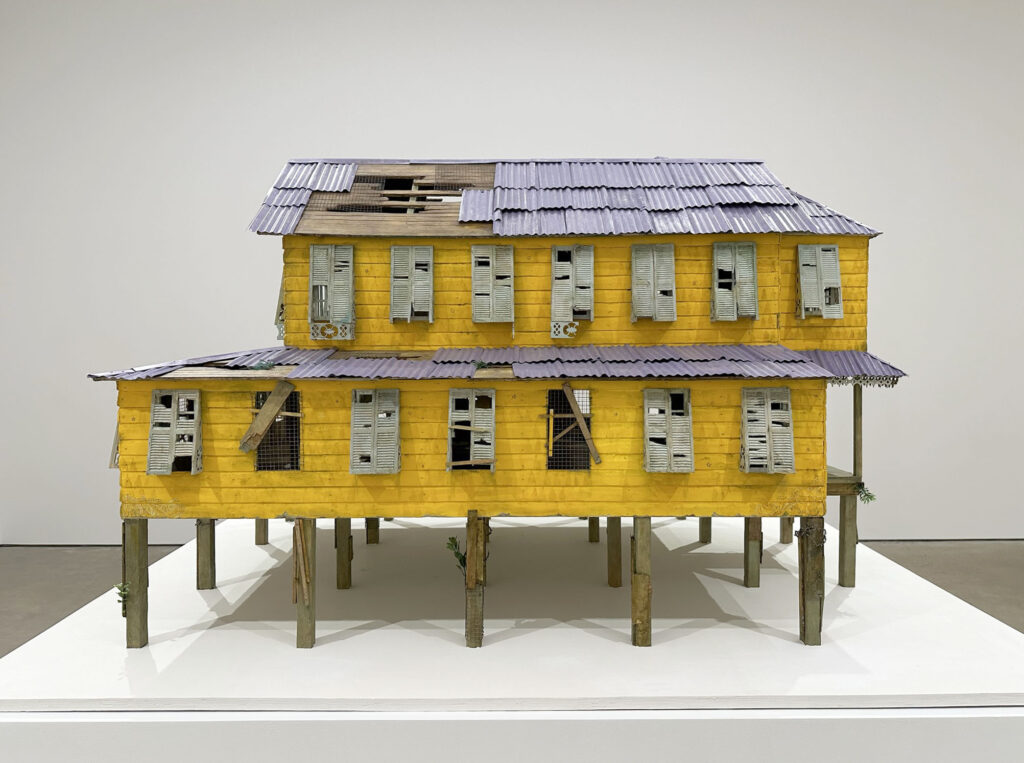
“Jumbie House 2”, 2022

For Hew Locke’s exhibition, Listening to the Land, at P.P.O.W. he has created intricate sculptures and paintings that are fascinating in person.

From the press release-

Locke is known for exploring the languages of colonial and post-colonial power, and the symbols through which different cultures assume and assert identity. Furthering the themes explored in his celebrated commission The Procession at Tate Britain, and his concurrent installation Gilt on the façade of The Metropolitan Museum of Art, this exhibit engages with contemporary and historical inequities while reflecting on the landscape and history of the Caribbean. The exhibition draws its title from a poem by Guyanese political activist and poet Martin Carter which situates itself between two opposing forces of the landscape – sea and forest. Locke’s show features new sculptures and wall works with recurring motifs of stilt-houses, boats, memento mori, and share certificates referencing tensions between the land, the sea, and economic power. Reflecting on these links, Locke notes, “The land was created to generate money for colonial power, now the sea wants it back.”

Translating to ‘land of many waters,’ Guyana and its physical, economic, and political landscape serve as one of the primary sources for Locke’s work. Having spent his childhood in this newly independent nation, the artist witnessed first-hand an era of radical transformation. Now, the country teeters on the precipice of an oil boom and is one of the world’s fastest growing economies. Juxtaposing personal meditations on the climate crisis with political commentary on the history of a globalized world, Locke contemplates the ways in which colonies were exploited to accumulate capital, and observes how Guyana’s economic future lies in the exploitation of its waters. Locke’s new boat sculptures The Relic and The Survivor embody this broad worldview as the two battered wrecks drift through time and history. Evoking the fragmented and diverse legacies of the global diaspora, the boats’ patchwork sails are interspersed with photo transfers of 19th Century cane cutters and banana boat loaders, while their decks are loaded with cargo that could allude to colonial plunder, trade goods or personal belongings.

Based on an abandoned plantation house, Locke’s newest sculpture Jumbie House 2 features layered images that unveil the spirits that haunt this colonial vestige. Presented alongside are a series of painted photographs of dilapidated vernacular architecture across Georgetown and rural Guyana. Constantly under threat of being washed away by storms or rising sea levels, these crumbling structures echo anxieties surrounding climate change and historical erasure. A new series of mixed media wall works, Raw Materials, is derived from antique share certificates and bonds. Locke richly decorates the appliques with acrylic, beads, and patchwork to draw attention to the complex ways in which the past shapes the present. The image of an 1898 Chinese Imperial Gold Loan behind painted Congolese figures connects the global economy at the height of Empire to current Sino-African trade networks. In another work, a painted representation of a Nigerian Ife mask, alongside an image of David Livingstone, is layered on a French-African Mortgage Bond from 1923, connecting exploration and exploitation of African land, to current conversations surrounding the repatriation of artifacts. Taken together, the works in Locke’s Listening to the Land echo William Faulkner’s adage “The past is never dead. It’s not even past.”

This exhibition closes 4/1/23.

The Procession, mentioned above, can now be seen at Baltic Centre for Contemporary Art, in Gateshead, England until June 11th, 2023.

Gilt, also mentioned above, is on view at The Metropolitan Museum of Art until May 30th, 2023.


Jan 302023
 

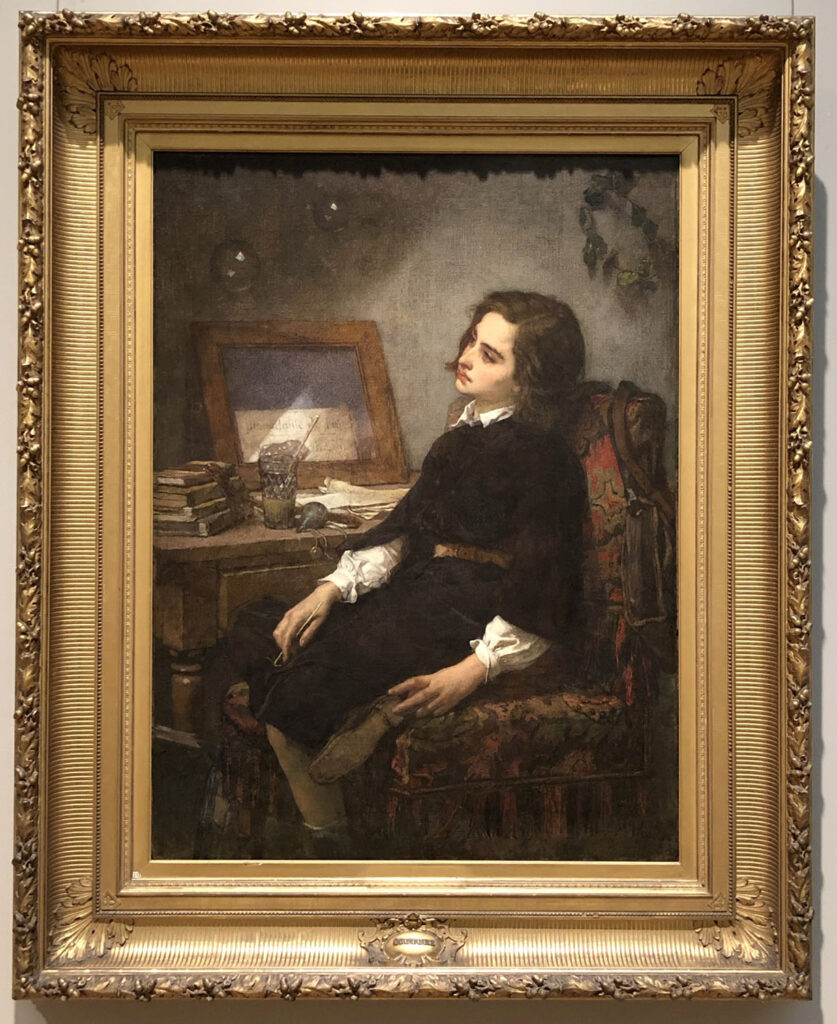
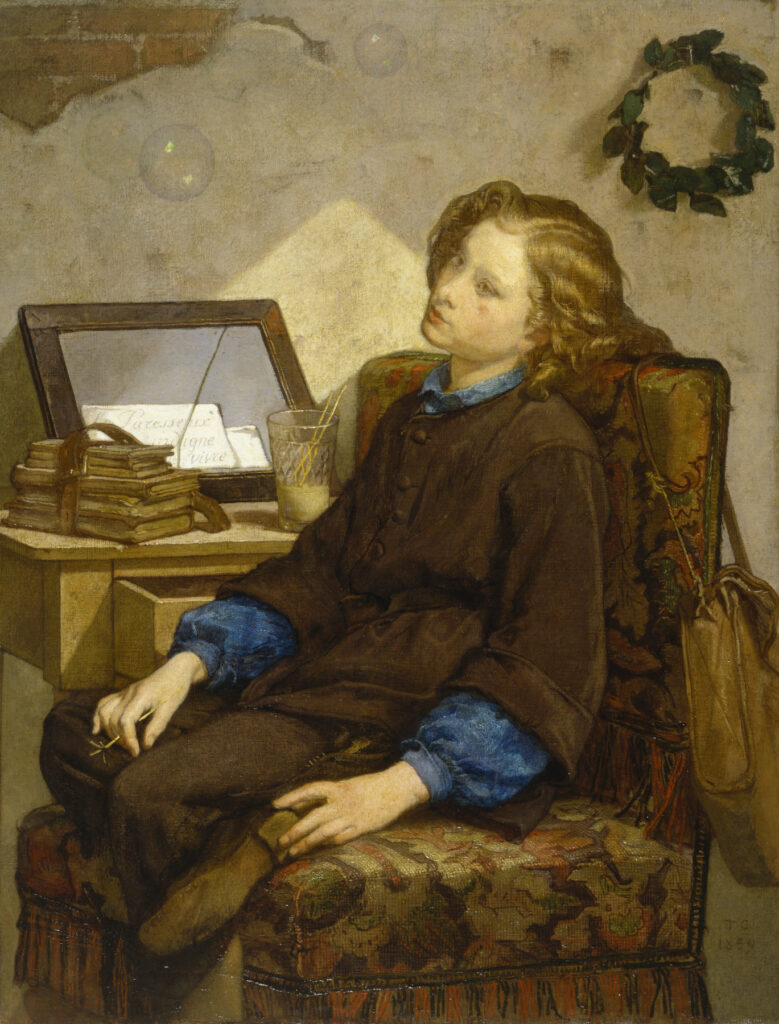
Thomas Couture’s Soap Bubbles, ca. 1859, on view at The Metropolitan Museum of Art.

From the museum’s website about the work-

A schoolboy, identifiable by the books on the desk, contemplates soap bubbles, traditional symbols of the transience of life. A wilting laurel wreath on the wall behind him suggests the fleeting nature of praise and honors. The word “immortalité,” inscribed on the paper inserted in the mirror, reinforces the painting’s allegorical content.

Couture was an influential teacher known for his opposition to strict academic instruction. Among his pupils was Manet, who in 1867 painted his own, more naturalistic, version of this subject (Museu Calouste Gulbenkian, Lisbon).

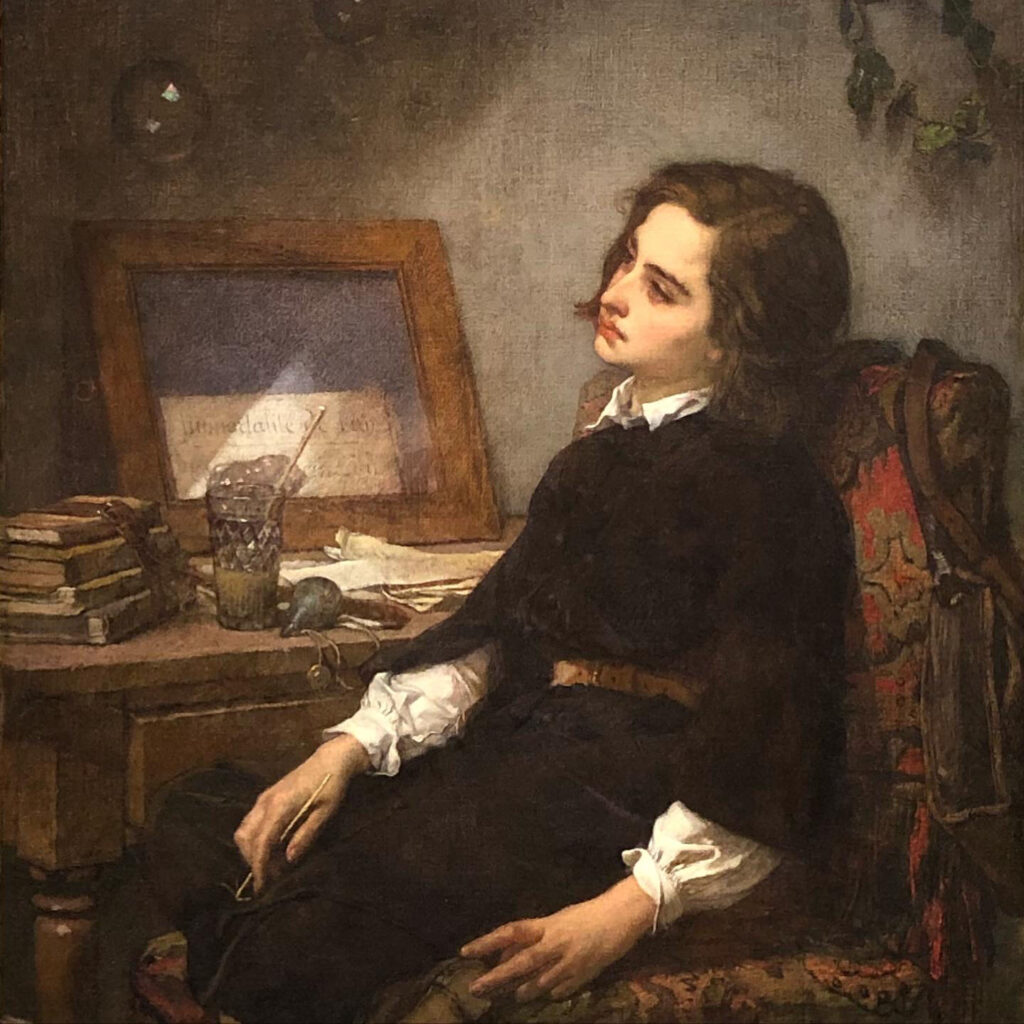
Interestingly, there is a very similar painting to this one, Daydreams, 1859, also by Couture, that is on view at The Walters Art Museum in Baltimore, Maryland.

This time the writing on the paper in the mirror reads “Le Parasseux indigne de vivre”- the lazy one unworthy of living.

Jan 052023
 

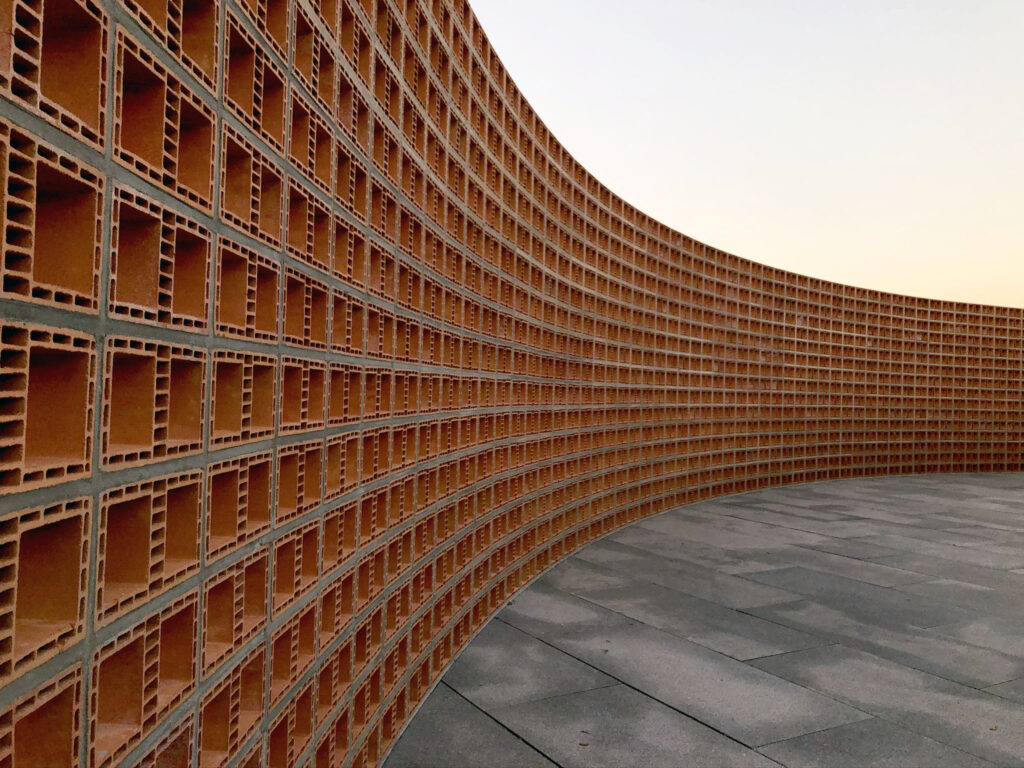
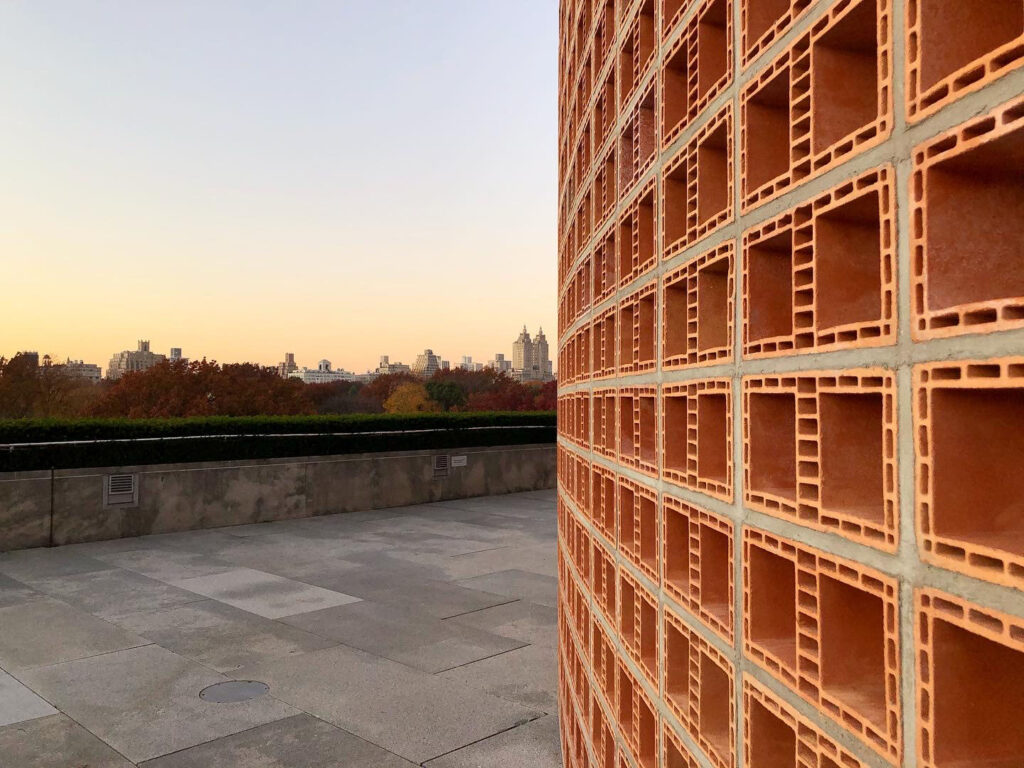
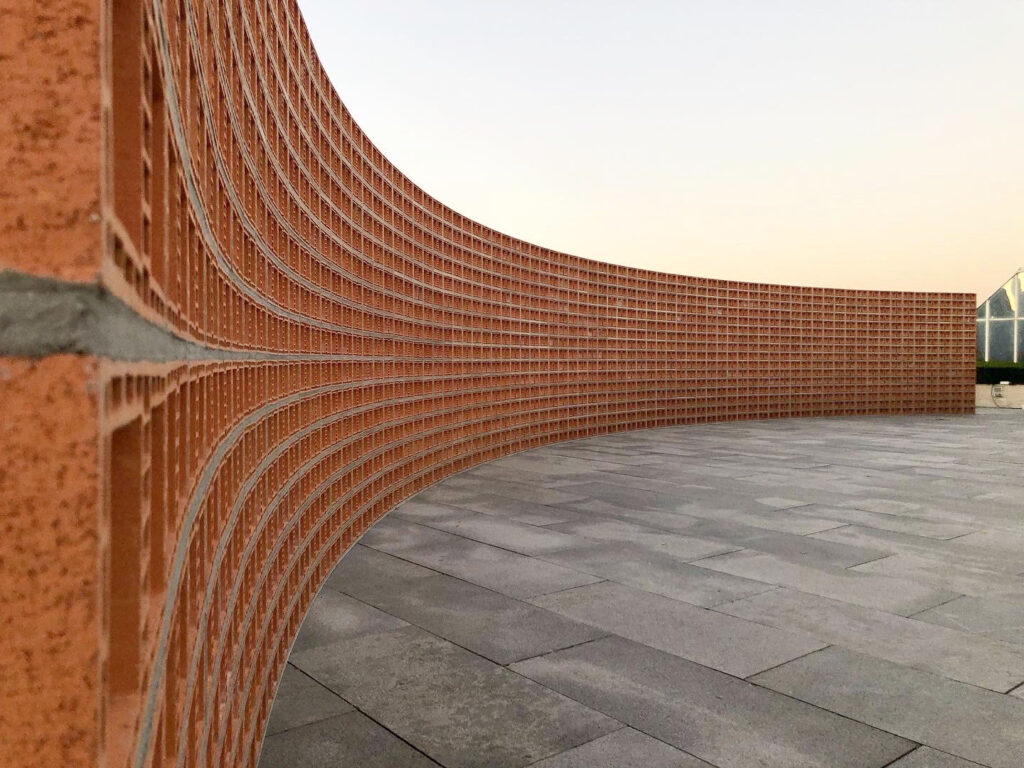
Héctor Zamora’s site-specific installation, Lattice Detour, located on the roof of The Metropolitan Museum of Art in 2020. It opened at the end of August of that year after being delayed when the museum shut down due to the pandemic.

The installation’s curved wall of terra cotta bricks measured at 100 feet long and 11 feet high. The bricks were not solid, as they first appeared, but hollow so viewers could see through to the other side. Throughout the day light would pass through the wall creating different patterns and shadows.

Zamora discusses the work in the video below from The Met’s website–


Jul 202021
 

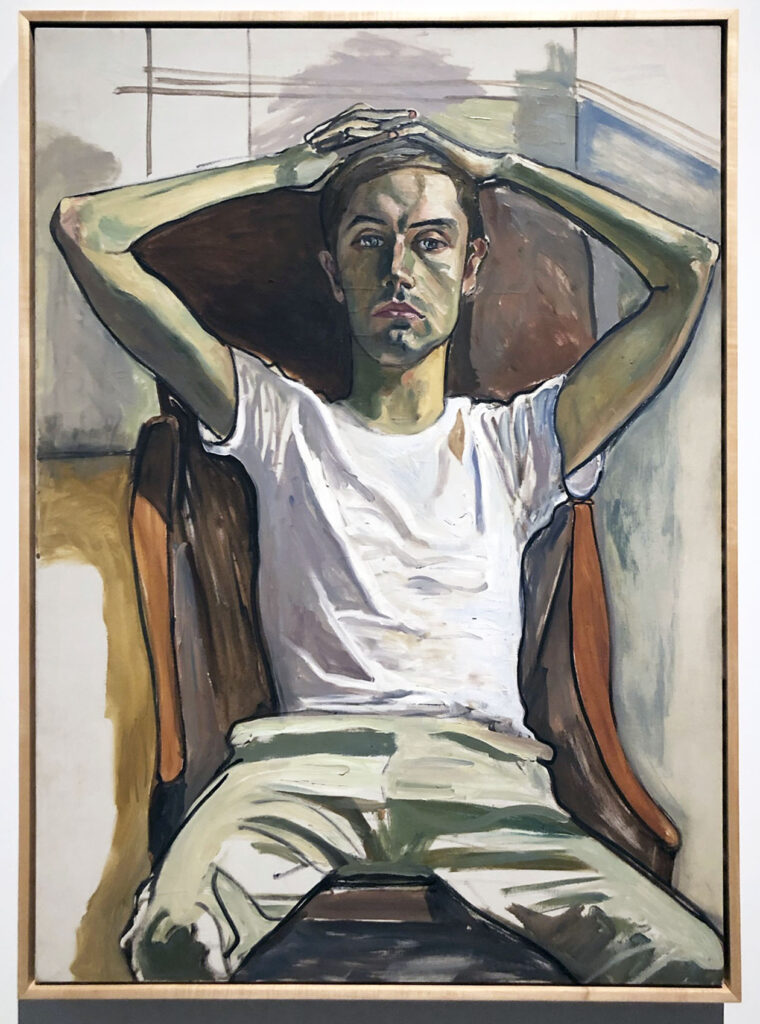
Hartley, 1966.

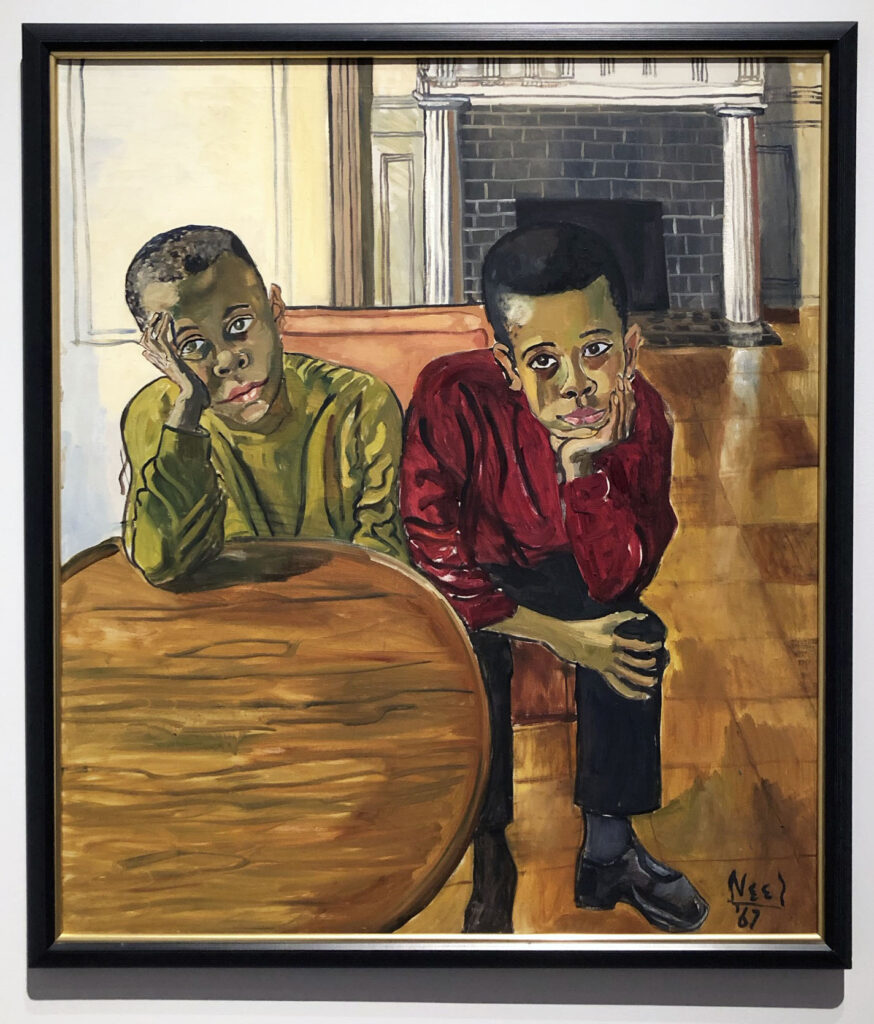
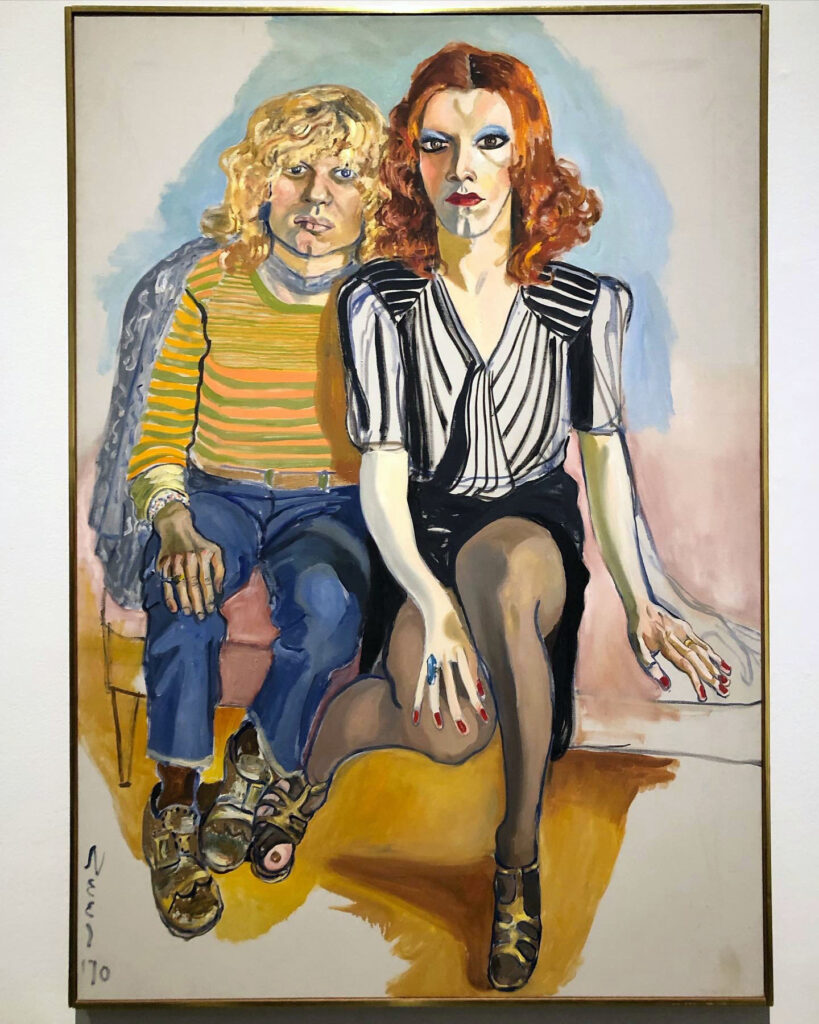
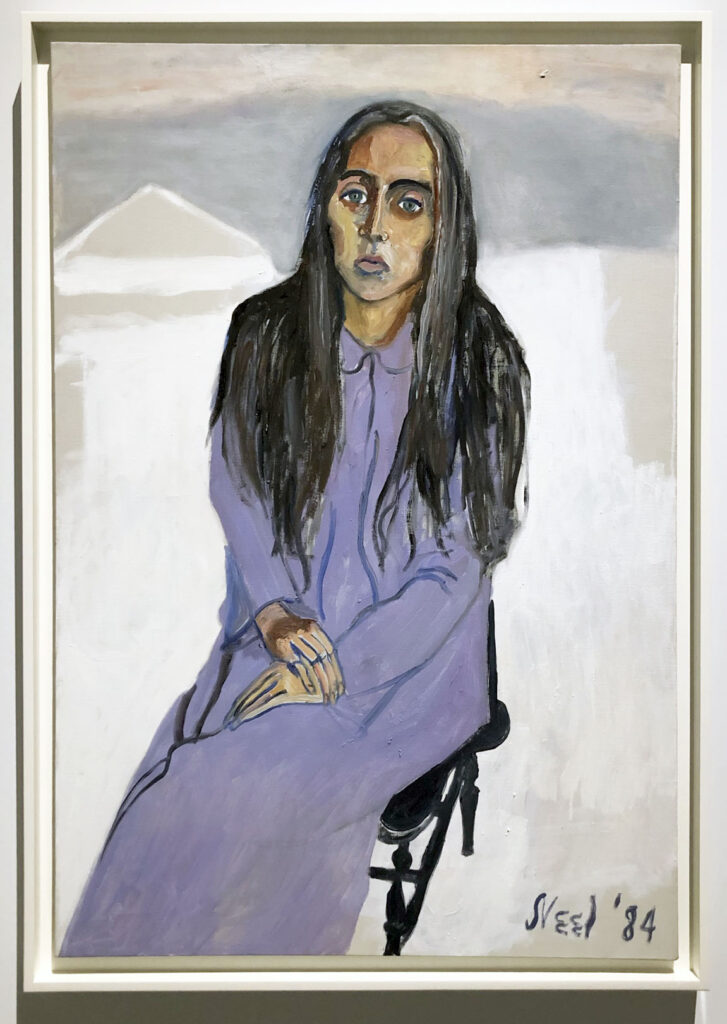
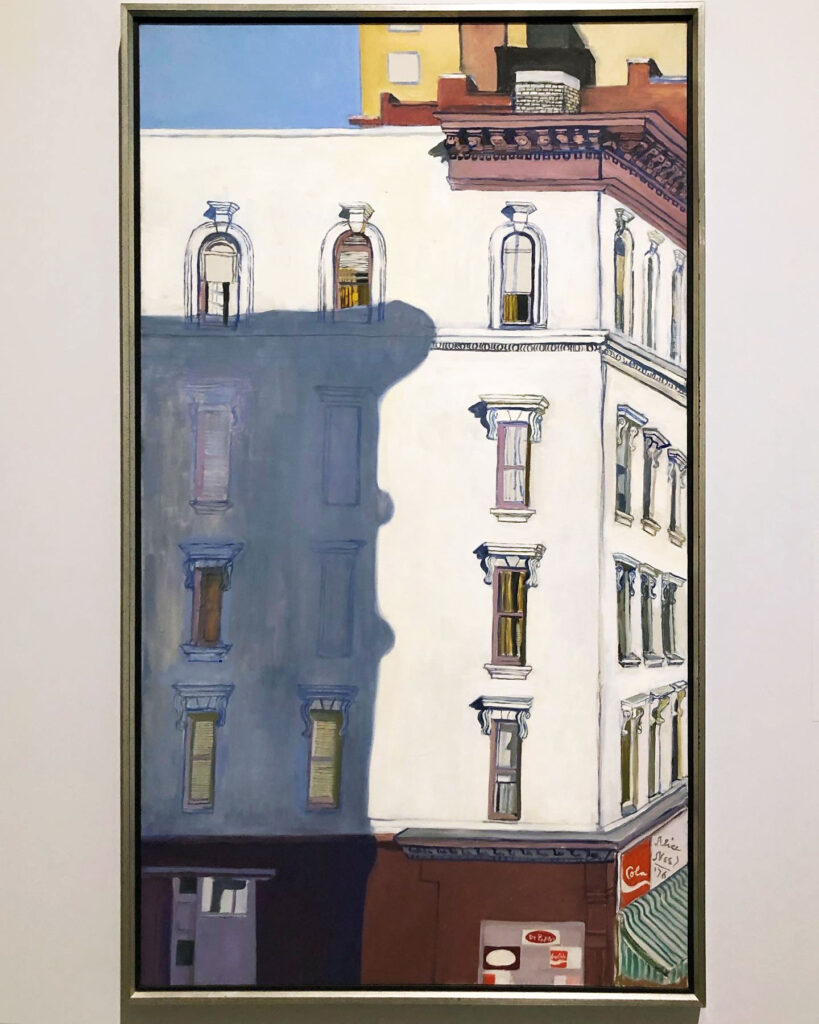
The Metropolitan Museum of Art is currently showing Alice Neel: The People Come First, the first museum retrospective of the artist’s work in twenty years. It’s an impressive body of work covering a wide range of subjects, focused predominantly on her portraits.

From the museum’s website-

Alice Neel: People Come First presents Alice Neel (1900–1984) as one of the twentieth century’s most radical artists, a champion of social justice whose long-standing commitment to humanist principles inspired her life as well as her art. “For me, people come first,” Neel declared in 1950. “I have tried to assert the dignity and eternal importance of the human being.” In keeping with the ethical foundations of humanism, Neel dedicated herself to painting what she called “pictures of people.” The artist focused especially on individuals who had experienced injustice as a result of sexism, racism, and capitalism as well as those who combated it. Democratic and inclusive, Neel painted people from many different backgrounds and walks of life.

New York was Neel’s greatest muse and the stage for a human drama she began capturing in the early 1930s. Neel’s life and art were inflected by the tumultuous events of the twentieth century, including the Great Depression, the rise of Communism, and the feminist and civil rights movements. For this reason, she described her work as a kind of history painting. Mindful of the formal and sensuous possibilities of paint, Neel applied her incisive eye to all her subjects, whether people, urban landscapes, or still lifes. Her riveting portrayals of life in New York, whose gritty beauty persists even in precarious times, make Neel’s art even more relevant in 2021.

Below are a few selections from the exhibition, but it’s worth going to the museum’s website (even if you see the show), where all the paintings and their descriptions can be found.


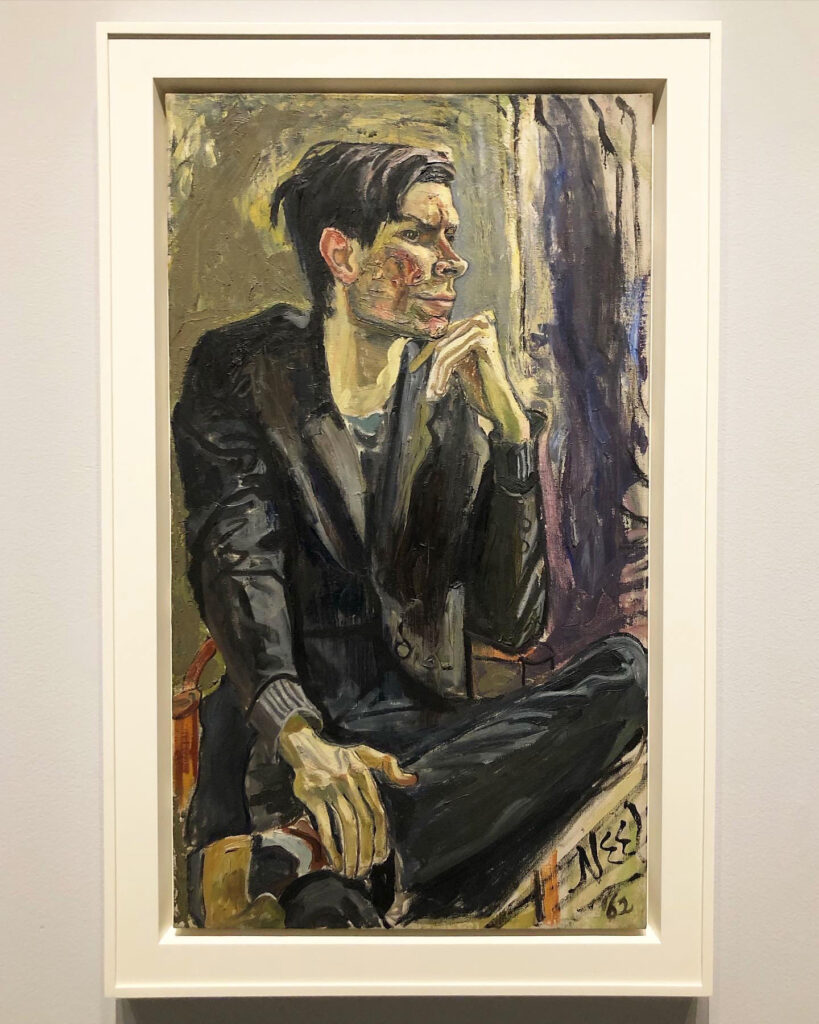
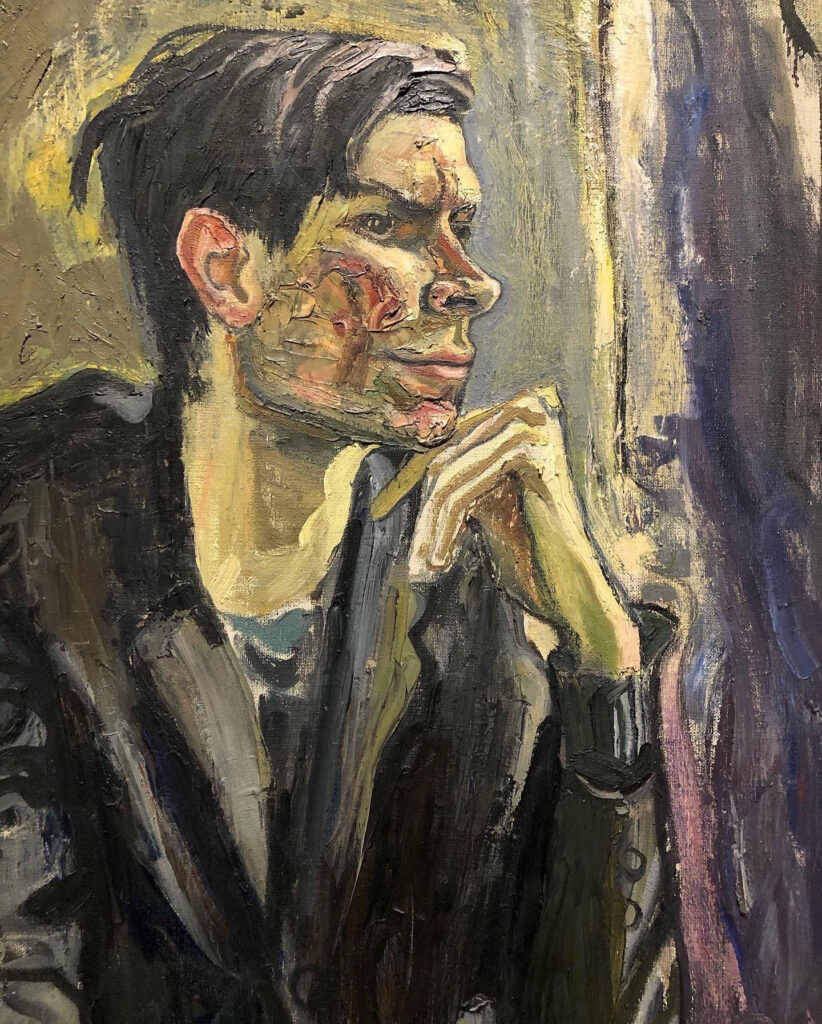
Robert Smithson, 1962

This painting of artist Robert Smithson is worth noting for the detail Neel put into depicting Smithson’s skin condition, and her decision not to shy away from showing these aspects in her portraits.

The Black Boys, 1967

The New York Times has an interesting story about Jeff and Toby Neal, the boys from the picture above, and the search for the painting they sat for so many years ago.

Jackie Curtis and Ritta Red, 1970

Ginny, 1984

This moving portrait is one of her last paintings, and captures Neel’s daughter-in-law Ginny’s grief after her mother’s passing.

107th and Broadway, 1976

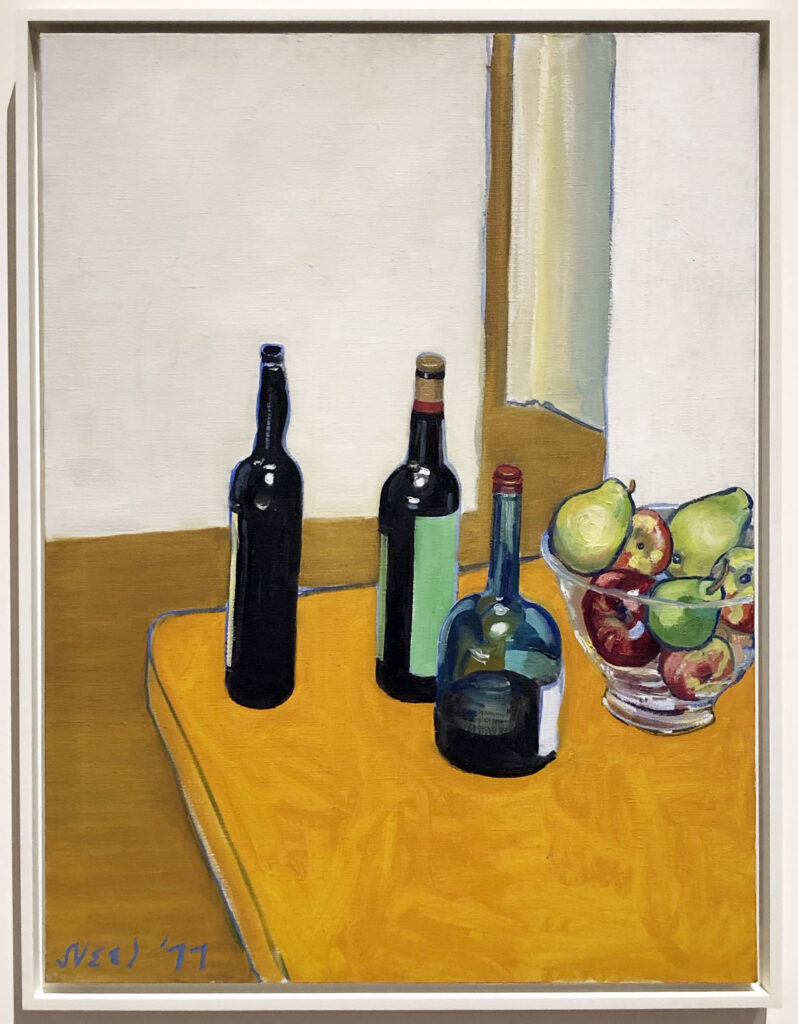
Black Bottles, 1977

This exhibition closes August 1st, 2021.

May 292020
 

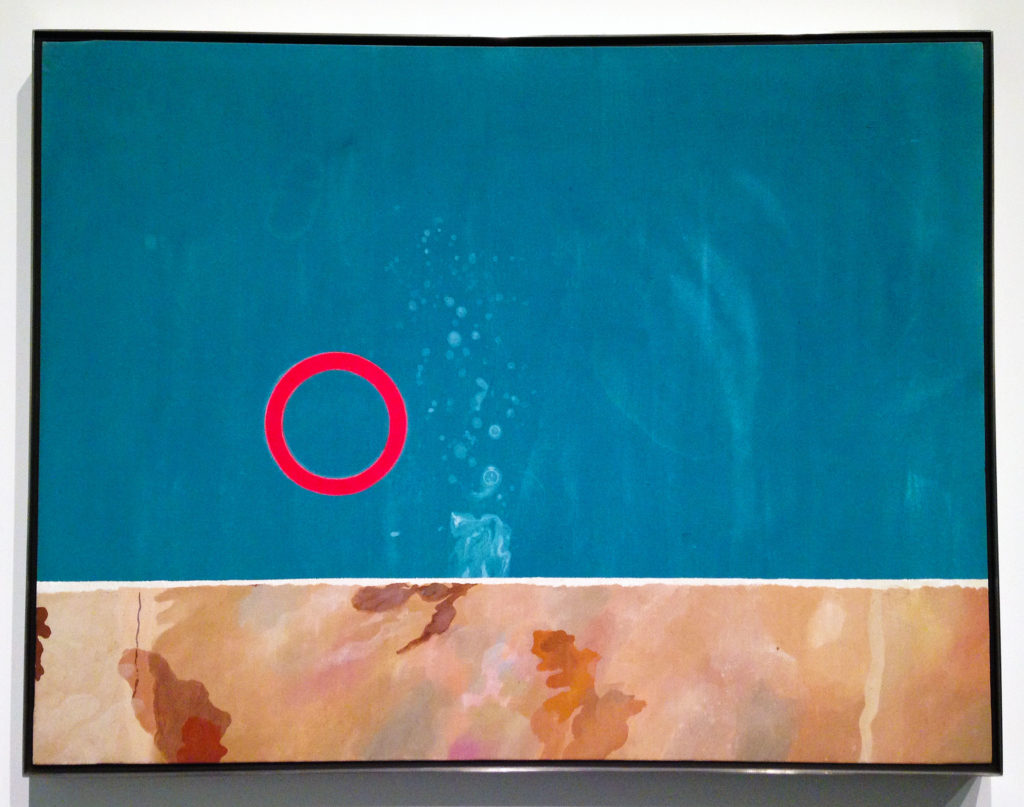
Pictured above is David Hockney’s Rubber Ring Floating in a Swimming Pool (1971), from his excellent exhibition at the Metropolitan Museum of Art in 2018.

From the show’s wall caption-

Hockney was impressed with how a photograph he had taken of a red pool toy floating in the water in Cadaqués, Spain looked nearly abstract, “like a Max Ernst,” he said. “I thought, it’s marvelous, I could just paint it.” He pointed out later that while the picture may look completely abstract at first glance, once the viewer reads its title, the work changes completely.

The Met has a lot of great online programming due to the closures for COVID-19, including virtual tours of iconic spaces in the museum and their current exhibitions; talks, performances, and concerts; over 500 free books; art instructions; six seasons of The Artist Project- short videos from contemporary artists discussing art that inspires them; coloring pages; a full length feature documentary film on Gerhard Richter (he has an exhibition currently at The Met Breuer) and more.


May 282018
 

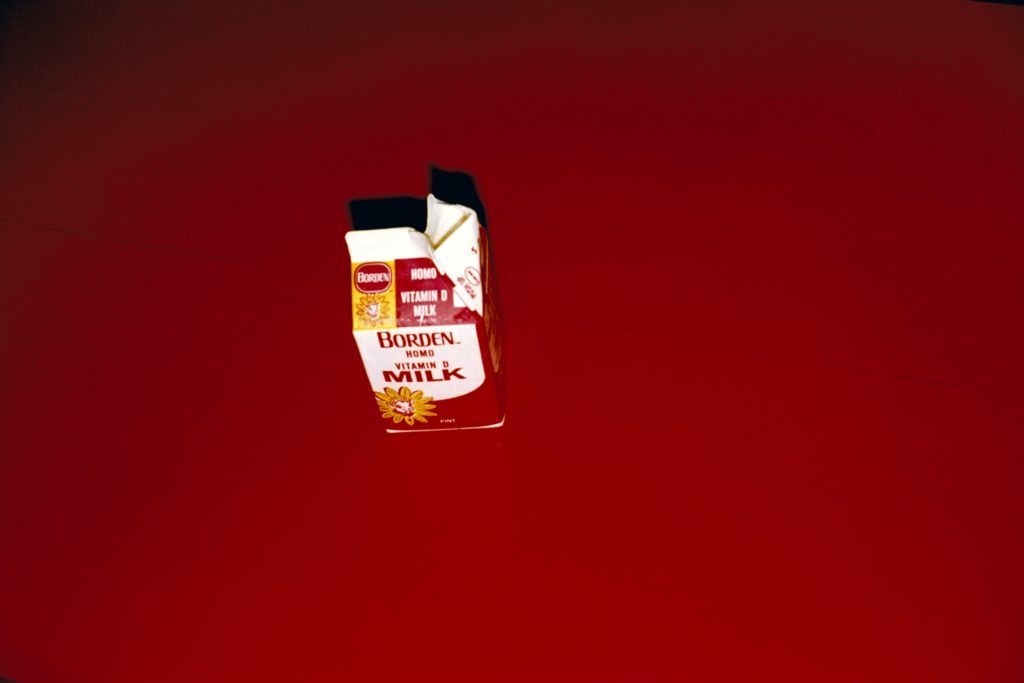
William Eggleston, Tennesee (image via Metropolitan Museum of Art)

There are two great photography exhibitions happening in New York. William Eggleston‘s Los Alamos, at The Metropolitan Museum of Art is comprised of seventy-five of his dye transfer prints from color negatives made between 1965 and 1974. The color in these images is incredible as is his ability to evoke feeling from work that is deceptive in its simplicity.  Enhancing the exhibition are a series of quotes from the artist located on various walls, which offer a glimpse into his process and philosophy.

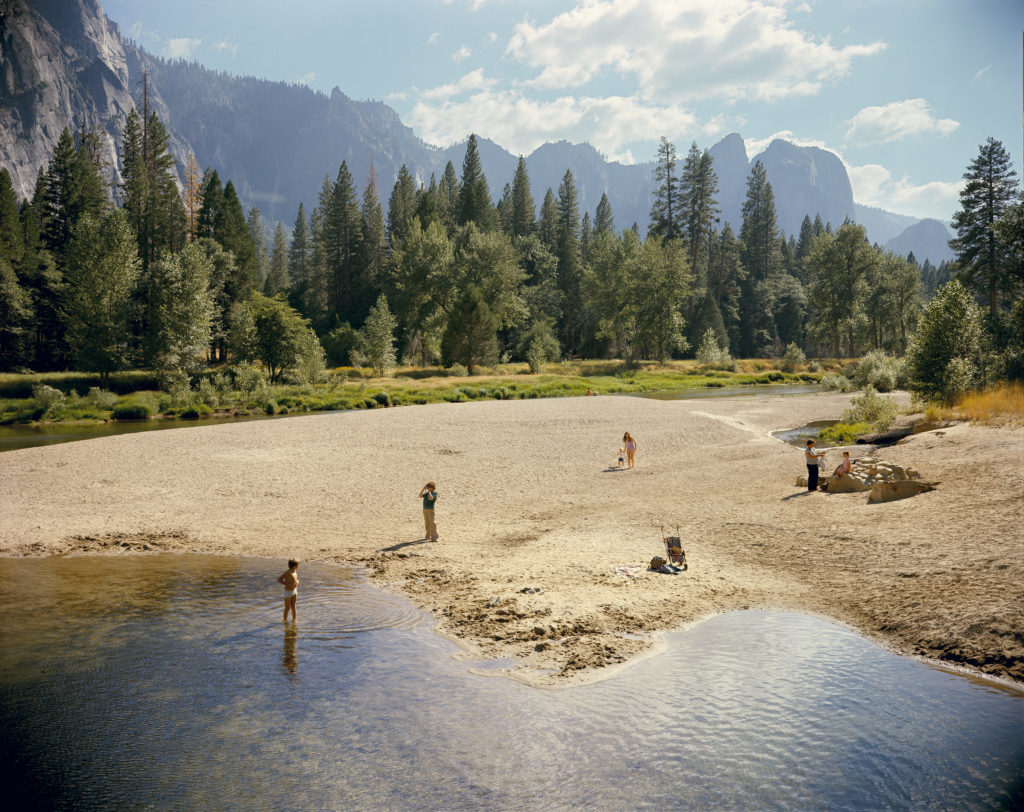
The Museum of Modern Art’s Stephen Shore exhibition includes work from his entire career- his start as a teenager meeting with Edward Steichen, time spent with Andy Warhol at The Factory, his large format images from around America, and finally his work in Israel and his current Instagram.  The body of work is impressive and where Eggleston’s work feels like it’s creating a dreamworld from the mundane, Shore’s work seems to present things as they are in true documentary form. Pictures of meals and hotel rooms force the viewer to look at things they usually take for granted in a new way. Not to say that there aren’t images like the large format work, that present an idealistic beauty.

Also included, and especially charming, are his stereographs- presented at a small table the images become three dimensional as you peer through the viewer.

Stephen Shore, Amarillo, Texas, July 1972 (1972) Image courtesy 303 Gallery

Stephen Shore, Merced River, Yosemite National Park, California, August 13, 1979 1979. image courtesy of The Museum of Modern Art

Both of these exhibitions close 5/28/18.