Aug 172026
 

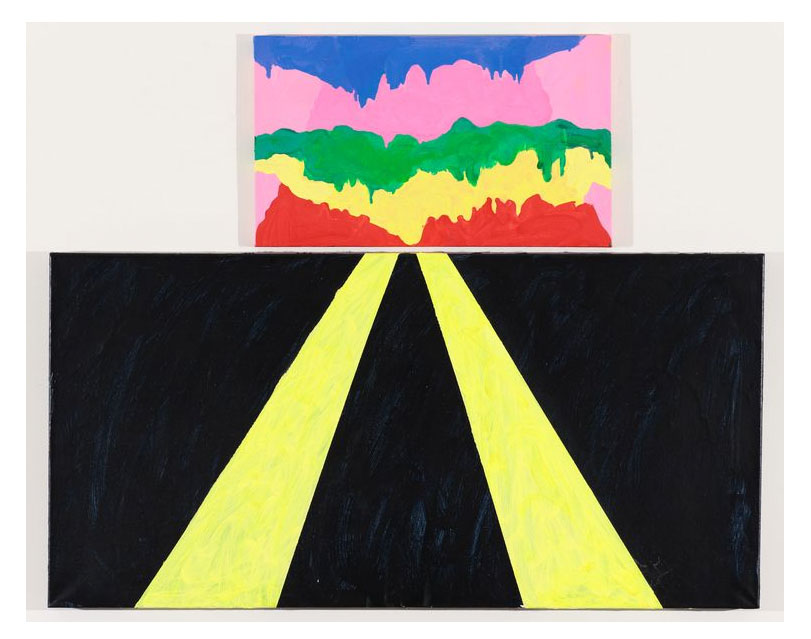
“Surprise”, 2012, Oil on canvas. (Photo by Thomas Müller) Image courtesy of the artist and Hauser & Wirth

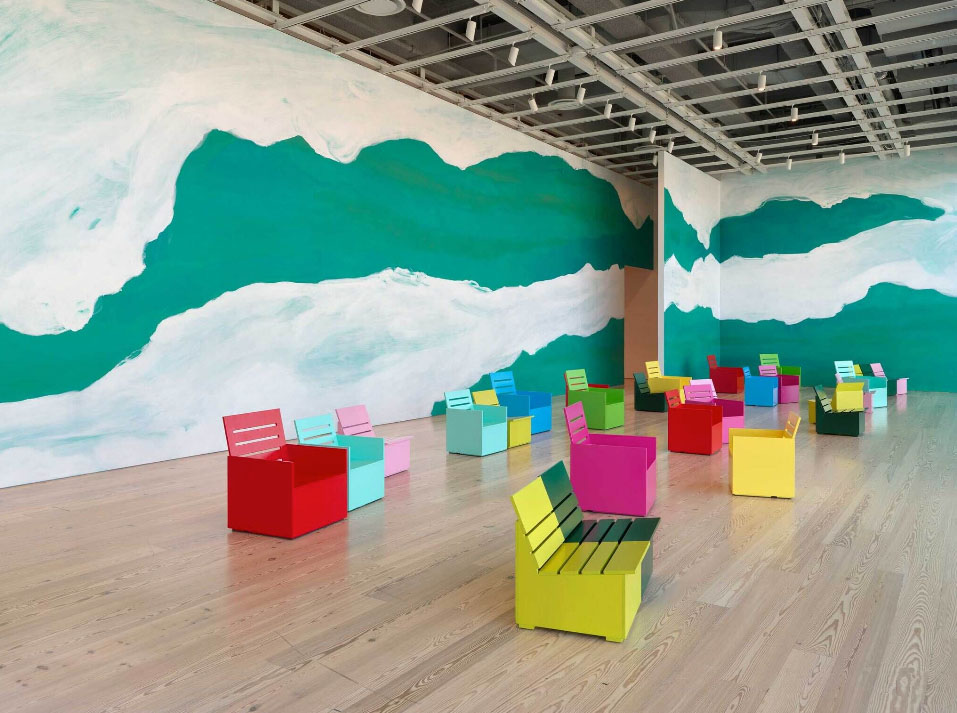
Installation view of “Mary Heilmann: Long Line” 2025 at Whitney Museum of American Art, New York, On wall: “Long Line, 2025”; “Monochrome Chairs”, 2015; “April Chairs”, 2025. Photograph by Ron Amstutz

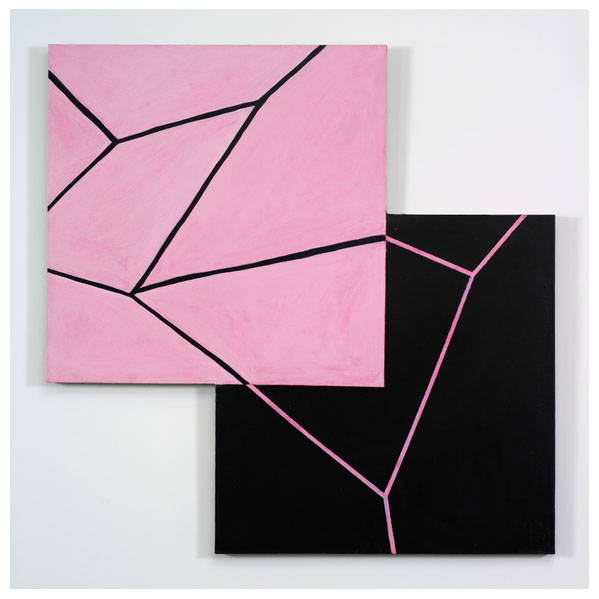
“Mode O’Day”, 1991, Oil on canvas, Image courtesy of 303 Gallery

Artist Mary Heilmann passed away on Friday, at 86. Heilmann started her career working in sculpture, but in the early 1970s shifted to making the paintings she would become known for. The influence of sculpture never left entirely though. She returned to making ceramic pieces, which sometimes accompanied her paintings, and began designing her signature chairs, in the early 2000s.

For more about the artist, Art21 has a few videos on their site, including the one below in which she discusses her work, inspirations, and the importance of the titles she uses.

For a deeper dive into Heilmaann’s life and career, including her childhood and education in California, check out Matt Creed’s excellent 2023 documentary Waves, Roads, & Hallucinations.

Aug 132026
 

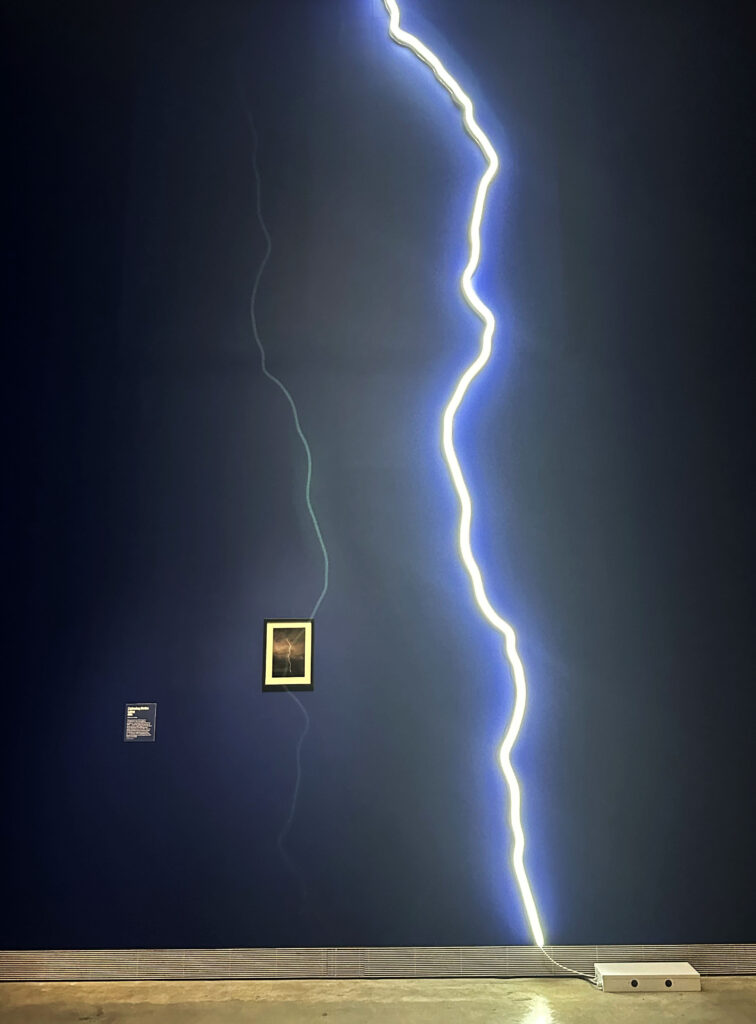
“Lightning Strike Lamp”, 2025
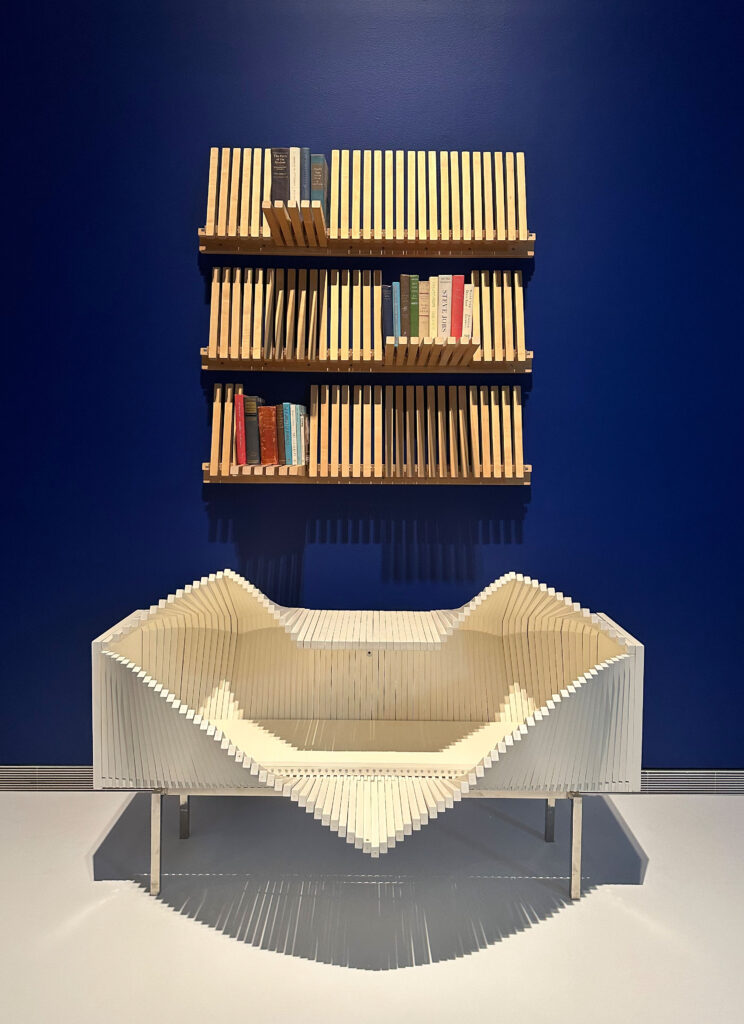
Top: “Piano Shelf”, 2014, Lacquered mahogony, steel ; Bottom: “Wave Cabinet”, Lacquered Baltic birch, steel, glass
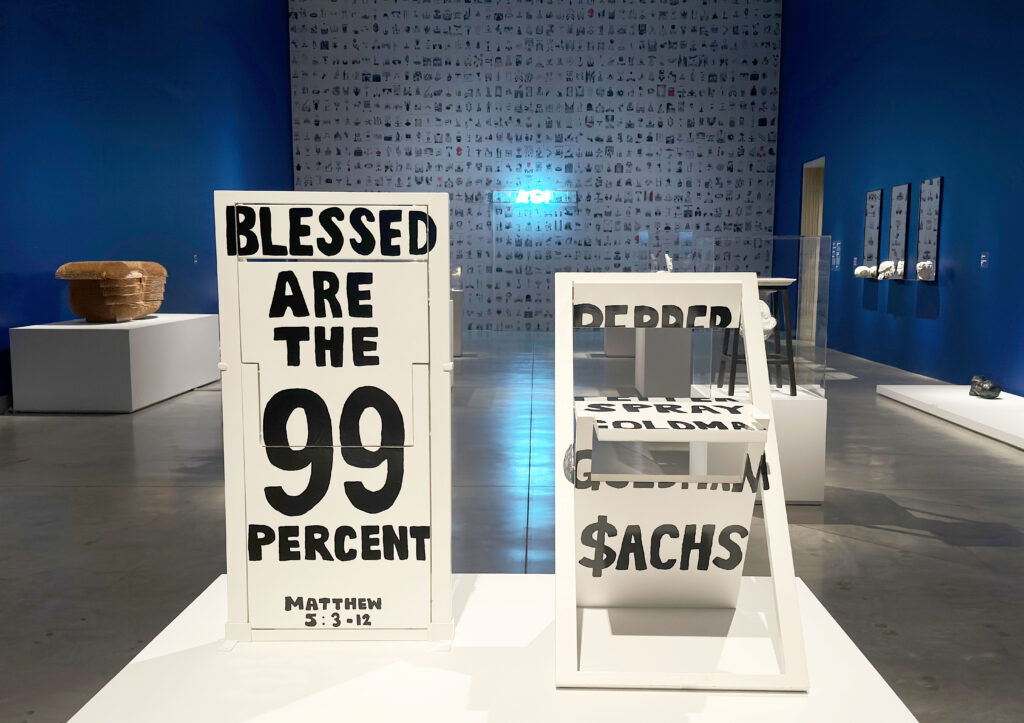
“Occupy Chair”, 2012
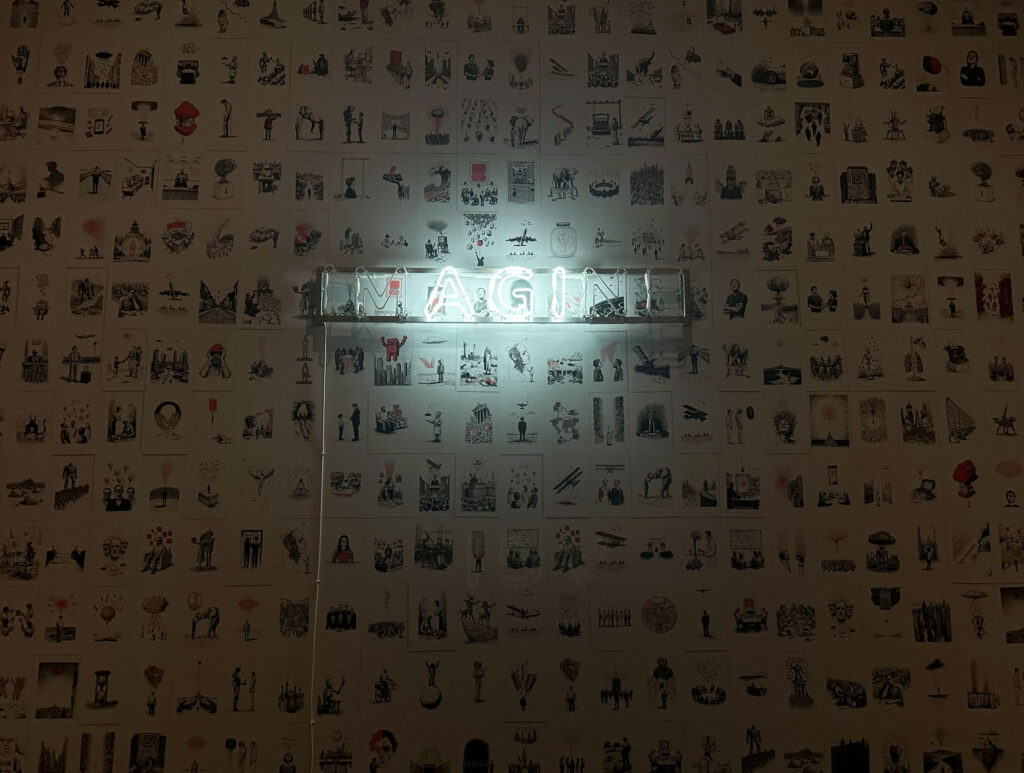
“IMAGINE Neon”, 2025, Neon tubing
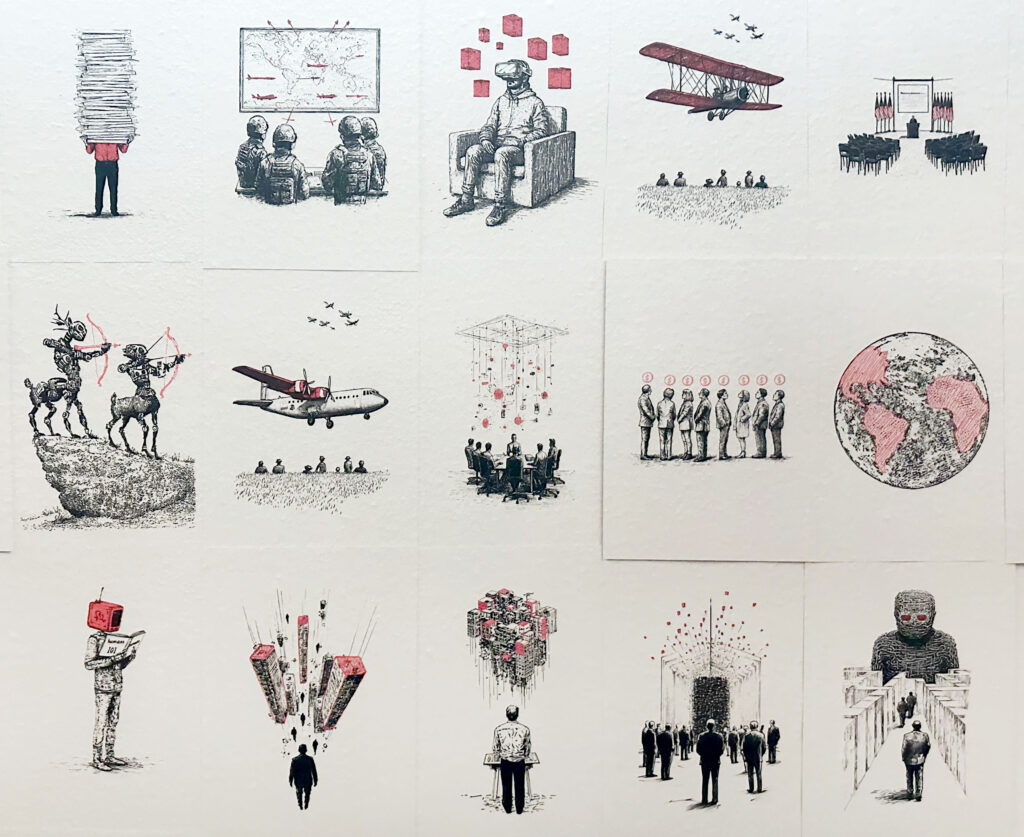
Detail from wall of AI generated drawings behind “IMAGINE Neon”

Mixing art, design, and politics, Sebastian Errazuriz‘s exhibition Double Take at the Philadelphia Museum of Art is a lot of fun. On one side of the room a neon bolt of lightning repeatedly flashes against the wall, while on another neon letters alternate between “IMAGINE” and “AGI” (Artificial General Intelligence) illuminating AI-generated drawings based on his original sketches. There’s also uniquely designed furniture, lamps made using taxidermy chickens, chairs referencing the Occupy Movement, objects incorporating Greco-Roman statue head reproductions, and more, all encouraging visitors to think about nature, technology, and the world around them.

From the museum:

Sebastian Errazuriz (Chilean, born 1977) twists our typical expectations and experiences of using furniture, lighting, and everyday objects. Embracing humor and appropriation, his limited edition and one-of-a-kind pieces often have a subtext that goes beyond form or function, offering personal narrative, a political message, or cultural commentary. This mid-career survey presents over twenty years of a multi-hyphenate practice that gives design a conceptual, Surrealist slant.

Works featured in the exhibition span art, craft, design, and technology. His “kinetic” furniture, constructed from the early 2010s, is characterized by moveable parts – doors, drawers, and shelves that are repositionable, creating new configurations. Other works take nature as a source of inspiration or make new and surprising use of found objects, including vintage watches and taxidermy fowl. Also on display are furniture, mirrors, and other objects that the designer creates by scanning original Greco-Roman antiquities that are then digitally-manipulated and recast in poured marble. A newly commissioned fluorescent light explores Errazuriz’s fascination with, and apprehension about, the potential impact of Artificial General Intelligence on artists, designers, and culture more broadly.

The diverse works on view convey imagination and wit, while also bewildering those who encounter them. The pieces are meant to be lived with, but, at the same time, are provocations with an air of mystery around their function and meaning. Attesting to Errazuriz’s expansive definition of design, the works in this exhibition suggest alternate ways of seeing, thinking, and living.

The show is on view until 8/16/26.


Jan 172025
 

Flat Top Desk, 1929 and 1962, Walnut and padauk, Flat Top Desk Chair, 1929, Walnut, padauk and laced leather seat, Flat Top Desk Figure, 1929, Bronze cast of cocobolo original

“Head of Dreiser”, ca.1927, Pine- This is a portrait of writer Theodore Dreiser who Esherick met in 1924 through the Hedgerow Theatre. This was a rough, geometric sketch for a finished mahogany piece.

“Self Portrait”, 1919, Oil on canvas

The Crafted World of Wharton Esherick, on view at Brandywine Museum of Art, presents a wonderful look at the artist’s varied work from throughout his career.

From the museum-

This exhibition explores the interdisciplinary creativity of Wharton Esherick (1887-1970), the famed American artist best known as the father of the Studio Furniture Movement.

Esherick considered his hillside home and studio, now the Wharton Esherick Museum (WEM), the best representation of his iconoclastic vision, calling it “an autobiography in three dimensions.” Built between 1926 and 1966, his unconventional escape on the verdant slopes of Valley Forge Mountain houses almost 3000 iconic works of art from across Esherick’s seven decades of artistic practice.

The Crafted World brings selections from this rich and rarely loaned collection to a broader public, including many objects never before seen except in Esherick’s home and studio. Detailing the artist’s career from his early woodcut illustrations for books by members of the avant-garde literati to his revolutionary reimagining of furniture forms as organic sculpture, works will be presented in thematic vignettes that invite visitors into Esherick’s story and bring the essence of his creative world into the gallery.

Below are a few more selections.

“Drop Leaf Desk”, 1927

“Hedgerow Theatre Lobby Stair Model”, 1934, Walnut; “Spiral Staircase Model”, 1963,Pine; “Bok House Chimney Stair Model”, 1937

From the museum about the staircase models above-

Esherick made numerous objects centering on the twist or spiral to represent natural growth. He returned to this form in models for staircase commissions for the Bok House- in which the spiral is created through gradual shifts in the shape and width of each step- and for the Hedgerow Theatre– which features a staircase like the Studio’s that revolves around a center post.

“Moonlight on Alabama Pines”,1919-20, Oil on canvas, carved wood frame with metallic paint

Alabama Pine woodblock, 1929

“Oblivion” 1934, Walnut

About the sculpture above, Oblivion, from the museum-

Moved by the emotion and physicality of actors, Esherick spent many hours in the balcony of the Hedgerow Theatre, in nearby Rose Valley, sketching performers, and many more hours designing stage sets, props, posters, and other visual elements for their productions. Oblivion was inspired by the passionate embrace of two actors in The Son of Perdition, a play by Lynn Riggs. This organic, fluid sculpture offers an exaggerated rendering of emotion as two intertwined bodies, carved from a single log, seem to softly dissolve into one another. Oblivion was prominently featured in the sculpture portion of the second Whitney Biennial in 1936.

This exhibition closes Sunday, 1/19/25.