Feb 232023
 

Cynthia Talmadge, “Goodbye to All This: Alan Smithee Off Broadway”, 2023 installation view

Cynthia Talmadge, “ACT 2: The Cabana”, 2022

Cynthia Talmadge, “Maserati (Dream Sequence)”, 2022

Cynthia Talmadge, “Maserati (The Strasberg Institute)”, 2022

Cynthia Talmadge, “Walk of Fame” 2023

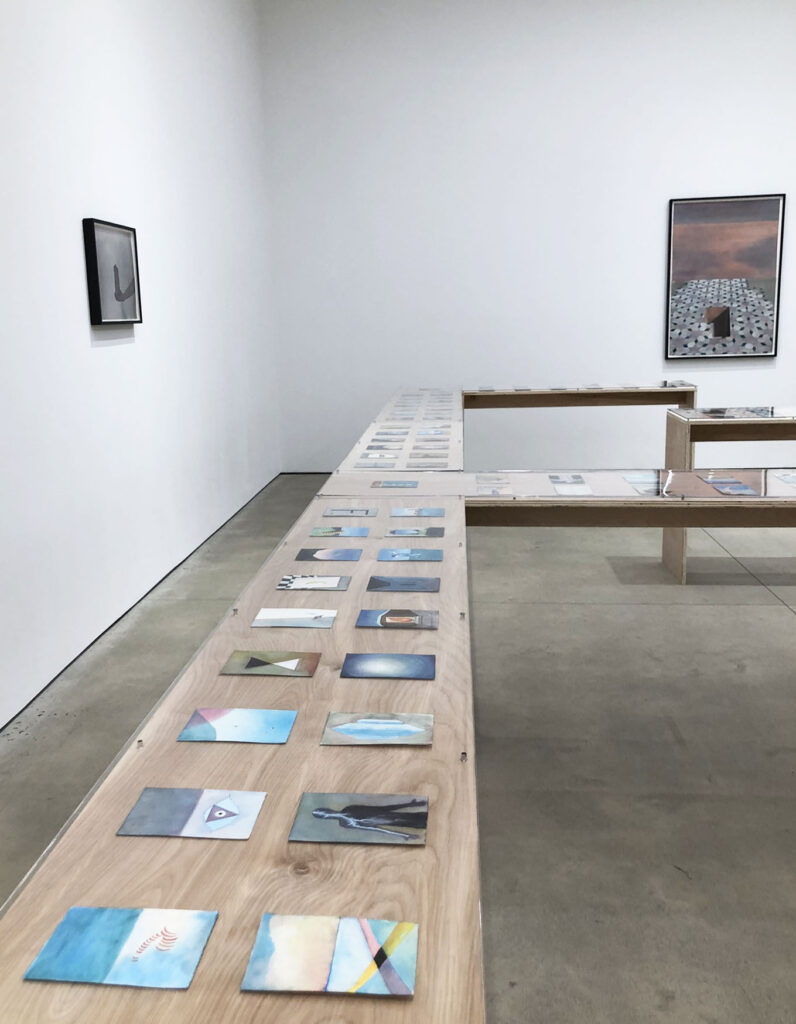
Currently in Bortolami’s upstairs gallery is Cynthia Talmadge’s imaginative exhibition, Goodbye to All This: Alan Smithee Off Broadway.

From Bortolami’s press release-

“We find the narcissist in a reflective mood.” — stage directions penciled into a draft of act III, scene 1 of Alan Smithee’s Goodbye to All This

“Alan Smithee” is a pseudonym used by Hollywood directors to remove their names from movies over which they have lost creative control. In this exhibition Cynthia Talmadge animates Smithee, imagining him in the mid-1980s as a down-on-his-luck, middle-aged baby boomer, trying, elaborately but ineptly, to revive a career defined by burned bridges, bad behavior, and commercial failure. The show takes as its premise a fictitious play, an autobiographical avant-garde off-broadway Bildungsroman written and directed by Smithee in an effort to engineer his come back. The play–entitled Goodbye to All This is what Talmadge imagines as Smithee’s clumsy inversion of the title of Joan Didion’s essay about leaving New York for California – tells Smithee’s version of his rise and fall in Hollywood and his subsequent departure for New York, culminating in his redemption as a New York theater artist.

The only substance to the real-world “Smithee” is an extensive filmography of more than 80 credits. Talmadge takes this output at face value, envisioning for us the detailed biography and personality of a director whose career persists despite every job he’s done having gone badly awry amidst professional conflict. For Talmadge, this makes him a dubious American icon: an epitome of privilege and unwarranted confidence; a guy who – at least until recently – could only ever fail up.

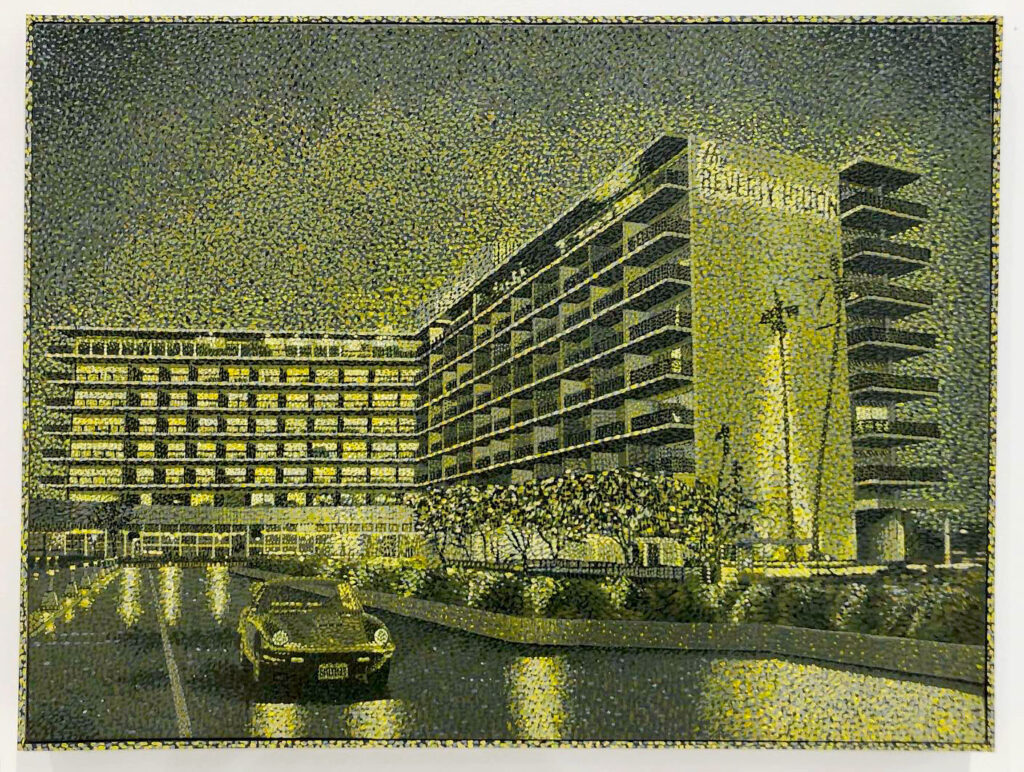
Several Los Angeles and New York landmarks and former landmarks are included in the paintings along with Smithee’s Maserati- the Director’s Guild building, Chasen’s, the Friars Club, Scientology Celebrity Center, and the Beverly Hilton in Los Angeles and Elaine’s and The Lee Strasbourg Institute in New York. The Maserati’s final destination is 39 Walker in NYC, the address of the gallery.

The Playbill paintings have an incredible amount of detail within them and highlight the three acts of Smithee’s journey. The room includes a fallen column, a box of headshots, and Smithee’s set design model for Goodbye to All This, his autobiographical play.

Both Bortolami and Talmadge’s Instagram pages expand on the Smithee story in a few of their posts and are worth taking a look at as well.

This exhibition closes 2/25/23.

Feb 222023
 

Robert Yasuda, “Boundary” 2010-2020

Robert Yasuda, “Boundary” 2010-2020 (detail)

Robert Yasuda, “Pele”, 2022

Robert Yasuda, “Pele”, 2022 (side view)

Robert Yasuda, “Maluhia”, 2022

Robert Yasuda, “Pipeline”, 2022

Currently at Sundaram Tagore gallery in New York are Robert Yasuda’s sculptural paintings for his exhibition Transparent and Translucent.

From the gallery’s press release-

The artist’s latest body of work is a culmination of his decades-long exploration of perception, light and space. On view will be a series of atmospheric paintings rooted in his early encounters with nature in Hawaii where he was born and raised.

Yasuda’s iridescent paintings are composed of translucent veil-like fields of color layered on slabs of wood that protrude from the wall or nestle into corners. Several works are constructed to cast a reflected glow of colored light into the surrounding space. Depending on where you stand, the surfaces of the paintings shift in color and temperature.

“For many people, looking at a painting for 20 seconds can be extremely long but these are pieces that reveal themselves over time,” says Yasuda, who invites viewers to pause and immerse themselves in the work in order to perceive these subtle transformations.

Yasuda begins by shaping wooden panels, which are up to two inches thick, with chisels and grinders. Softening harsh vertical lines, he introduces bowed and gently sloping edges as well as sharply upturned corners. After painting a base layer onto the wood, he wraps the wood in diaphanous cotton. Adding as many as 40 layers of pearlescent acrylic paint, he suspends the fabric amid layers of luminous color. Most of his works are multi-paneled, with intricately wrought and detailed seams, and mounted on cradle-like structures that push them away from the wall.

Several of the works on view feature aqueous expanses of rich blues and lush greens evoking the ocean. In other pieces, sensuous swathes of paint evoke sunsets or the iridescent lining of seashells. “My entire childhood I saw myriad greens in the countryside of Hawaii and I spent a great deal of time diving…These works are connected with that point of view and the process of meditating on nature,” says Yasuda.

This exhibition closes 2/25/23.

Feb 222023
 

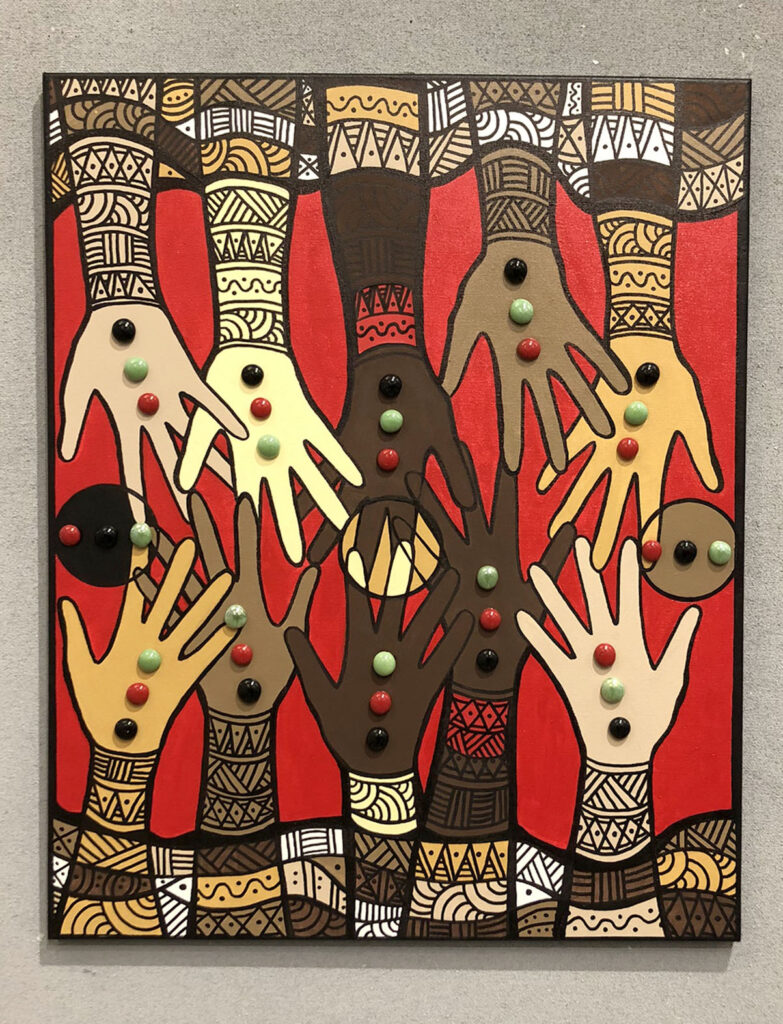
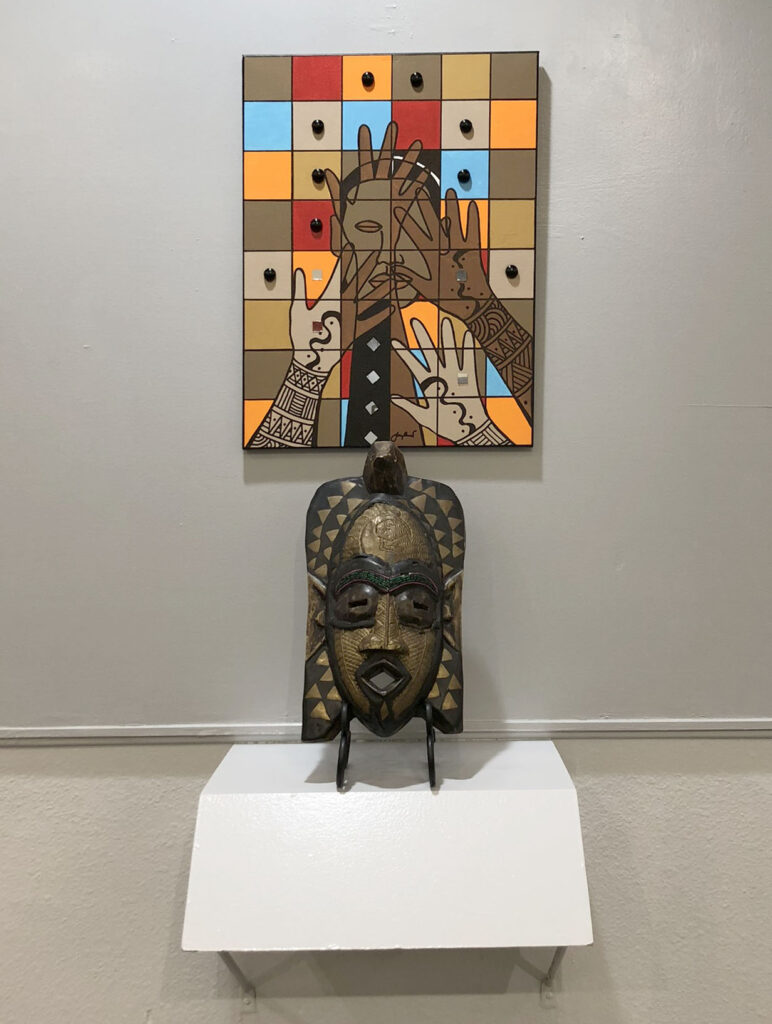
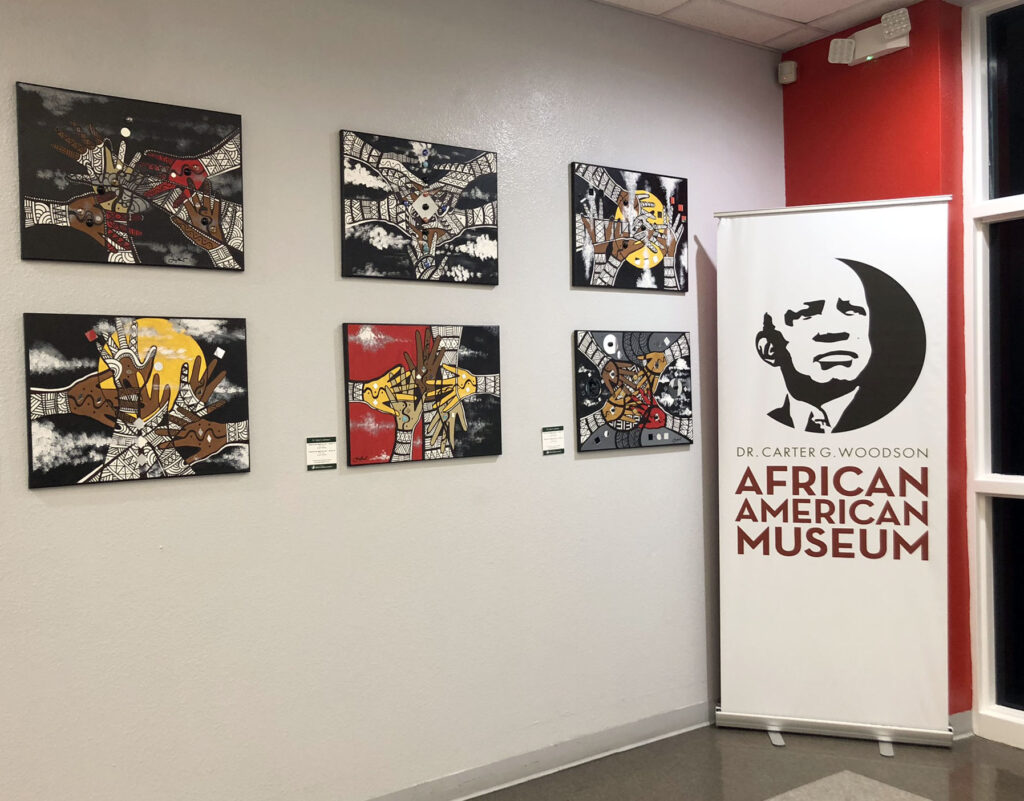
Currently at Carter G. Woodson Museum is Touch in the Spirit of Love, an exhibition of work by professor and artist Dr. Gary L. Lemons.

From the artist about his work (via the museum’s website)-

“I am a Black abstract painter. Conceptually, my paintings are rooted in Africentric colors and patterns. I believe art should inspire all people to connect to the liberating power of communal love. Touch in the Spirit of Love is a series of paintings that graphically illustrate the value of love for all humanity. In an imaginary, spiritually enriched context—this series calls all people together to see each other reaching out to one another through the touching of their hands. The hands in my paintings connect people together to express hope for the life-saving power of love committed to community-building. As envisioned by Dr. Martin Luther King, Jr., hope for a “beloved community” can be realized when people actively join together to show love for social justice. Overall, the paintings in this series visually challenge people to see the need for loving wholeness in mind, body, heart, and soul. Hands of different colors touching each other in this painting series artistically demonstrate the power of love rooted in freedom for all people who have been historically oppressed.”


Feb 212023
 

Ted Gahl “Purgatory (2)”, 2022
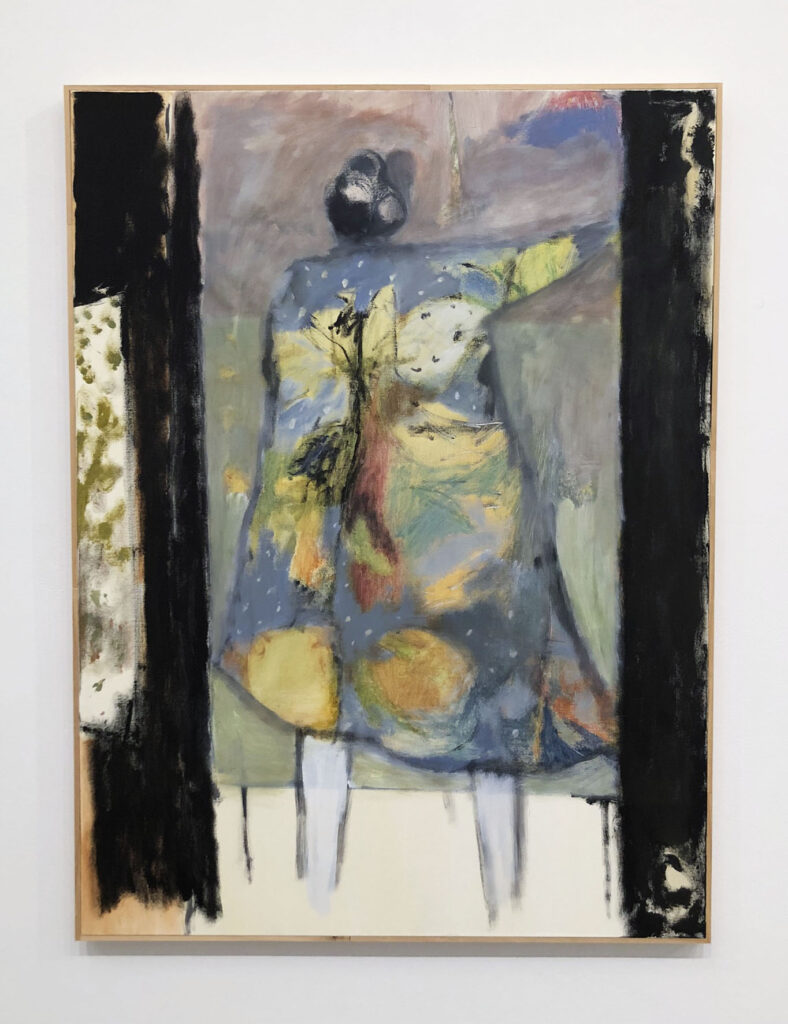
Ted Gahl “Woman Putting on Jacket”, 2022

Ted Gahl’s paintings for Le Goon at Harkawik Gallery draw you in the more you look at them, revealing layers of imagery.

From the gallery’s press release-

Building on imagery he developed in “Stories from the City, Stories from the Sea,” here he delves further into an ocean of muted memories and historical associations that are legible only as hazy apparitions. Gahl charts a course through an emotionally charged landscape: a trench where isolation and connection embrace, where melancholic figures strain to make contact with an ineffability beyond the border of the canvas. Through a dialogue between small, mid-size, and large-scale paintings on unstretched canvas, Gahl implores us to look under the surface, offering attentive viewers the gift of conjuring new meanings over time.

The frames on Gahl’s smaller paintings are composed of chopped paint stirrers, a nod to the artist’s youth spent painting houses and lattice framing techniques of the past, as well as an interest in blending high and low culture. He juxtaposes smaller figurative works with gargantuan 8-feet tall paintings that cascade down unstretched canvas, rooted in abstraction inspired by landscape. These large paintings are intuitive, with one movement or color influencing the next, allowing the artist the physical space to deepen his investigation of consciousness. He calls these works “tarps,” a nod to the cloths thrown down to catch errant paint drips. Here, he deepens his ethical engagement with the many modalities of paint and creative labor.

The artist employs figuration as a vehicle to explore abstraction, seamlessly gliding between the two methods. Figures are adorned in coats that serve as portals into another dimension, brimming with thin layers of muddy greens, sky blues, and merigold oranges that feel plucked out of a Post-Impressionist painting. Within Gahl’s controlled confines of abstraction, the world enlarges, revealing traces of the night sky, throngs of people, fish in a stream.

Gahl’s work is intensely cinematic, as if projected onto a screen or trapped inside an unraveled roll of film. Several scenes unfold within a single painting, allowing a multitude of emotion to erupt. Fleeting moments of tension abound. Two nude women emerge from a body of water reminiscent of a Georges Seurat or Milton Avery landscape, but their togetherness is fractured by a hulking tower of darkly-hued abstraction. A translucent trio bathing in a deep Rothko red exudes a biblical aura; an outline of an angelic body reaches towards the top of the canvas. Gahl’s airy yet deft brushstrokes feel like wading into a pond, while a ghostlike figure dissolves into the landscape, as if imprisoned in the sparse solitude of a Norbert Schwontkowski painting. The artist plays with the horizon, causing us to question if the shadowy form is sinking into water or simply lying in the grass. Are we above or below ground? Is this death or relaxation? Are they the same thing?

At the heart of Le Goon lives a yearning for connection. Mortality cannot help but leak through the canvases and become personified. Gahl’s work invites us towards intimacy, towards deeper questioning. The answers emerge from the water and evaporate towards the heavens before we can touch them, leaving us only with the feeling of the mist kissing our skin.

—Lauren Gagnon


Also at Harkawik are Eli Hill’s recent paintings for Some Days I Taste The World, a series of works that use the natural world to approach topics of identity.

Eli Hill “Wineberry Sight”, 2022
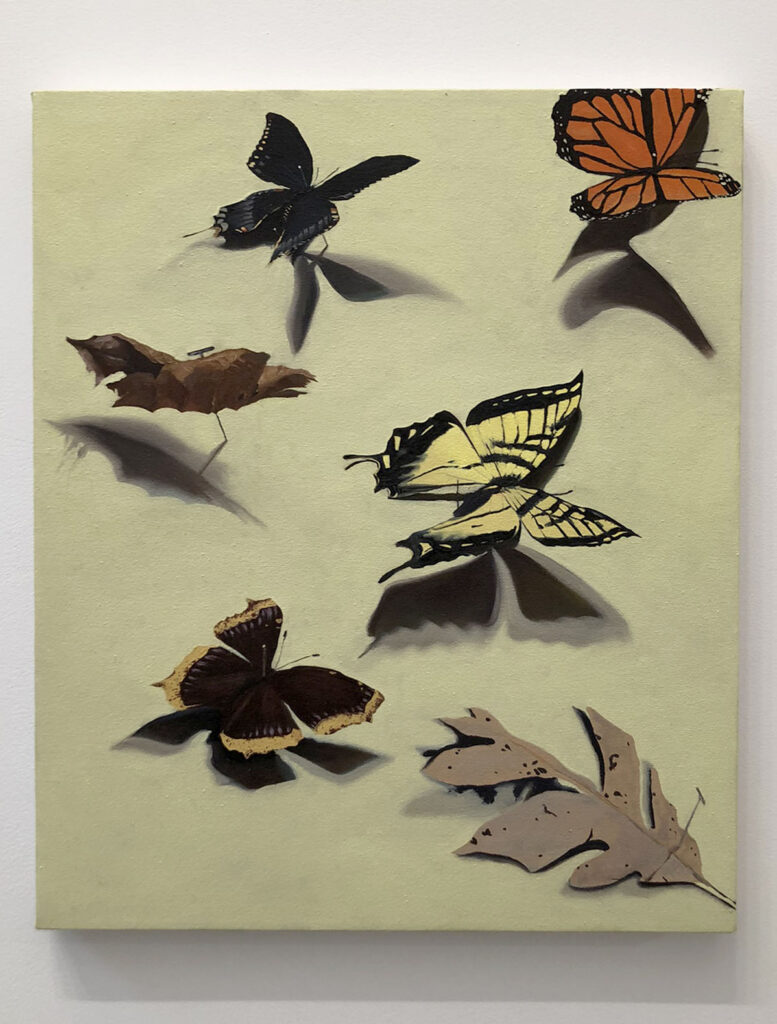
Eli Hill “Decidousness”, 2022

From the gallery’s press release-

Comprised of nine mid-size works, Some Days evidences Hill’s fascination with the way in which humans order and classify the natural world. His paintings speak to the problematics of anthropology, the subversion of the naturalist’s impulse to categorize, and the painter’s age-old communion with nature. Hill proposes a fascinating configuration of personal, political, and scientific concerns and draws parallels between the transgender body and planet Earth. Hill’s canvases merge figurative and landscape traditions, calling attention to the ways in which bodies—celestial, earthly or otherwise—are routinely subject to binaries, alienation, hierarchy and the struggle for survival and self-actualization.

The majority of the exhibition’s paintings are derived from the artist’s long distance runs and environmental work in the leafy Queens oasis of Forest Park. Here, we bid farewell to the gray grit of the city and emerge into a landscape that is simultaneously natural and hallucinogenic. Verdant greens and earthy browns mingle with pale lavenders and silvery blues. The umber shadows of trees streak the soil, basking in the blood orange glow of an artificial sunset. Fluid brushstrokes waterfall down the canvases. Hill’s paintings of the natural world are borderline devotional; he is imploring us to worship the beauty and drama of nature in its fullness. Not unlike the still-lifes of Rachel Ruysch, insects creep out and leaves decay and decompose back into the earth. Split depicts a tree the artist passes by, an image so striking you can almost hear the sound of bark cracking. The branches are split in half and upheld by the flora around it. Community, mortality, and the life cycle are omnipresent.

While some of Hill’s paintings engage traditional modes of depiction, others shift between recognizable and unrecognizable subjects. In Wineberry Sight, the invasive wineberry shrub masquerades itself as a raspberry bush to ensure survival. But are we peering through an eye of vines or veins? By creating images that refuse us easy associations, he provides an opportunity to find pleasure in images we cannot name or categorize. Under every branch we find trickery, performance, preservation. The notion of the “invasive species” itself calls attention to the ideological structures at play in our understanding of what’s “original,” “natural;” what has a right to proliferate and thrive.

The exhibition title is a line from a CA Conrad poem, as well as an homage to the influence of the poet’s writing and spiritual practice in Hill’s work. Revolutionary care permeates Hill’s depiction of the figure; whether his own body, a tree, or a friend, he actively opposes mining, objectifying, or exploiting his subjects. In The Artist as a Naturalist, a self-portrait is accompanied by two paintings within a painting of colorful moths. The work demands time and effort, as awkward cropping abstracts the body, consequently resisting commodification and denying easy consumption of the work from a historically cisgender gaze. Like German-Swedish figurative painter Lotte Laserstein’s Portrait With a Cat, Hill consolidates naturalistic observation with a figure that gazes back at the audience. The painting itself possesses a sort of agency, as multiple pairs of eyes appear, aware we are observing them, and throwing into uncertainty the subject of the examination; them, us, something else?

Some Days I Taste the World is like walking through a Ralph Waldo Emerson essay, where beauty takes on a cosmic quality that transcends the experience of individuals. Hill offers us a fascinating configuration of previously known quantities, suggesting a natural place for things like radical queer joy. Through a dense canopy sunlight streams through, lighting up our faces.


Feb 212023
 

For Adam Putnam’s recent exhibition Holes at P.P.O.W gallery in New York, he takes the visitor on a multimedia journey into the self.

From P.P.O.W’s press release-

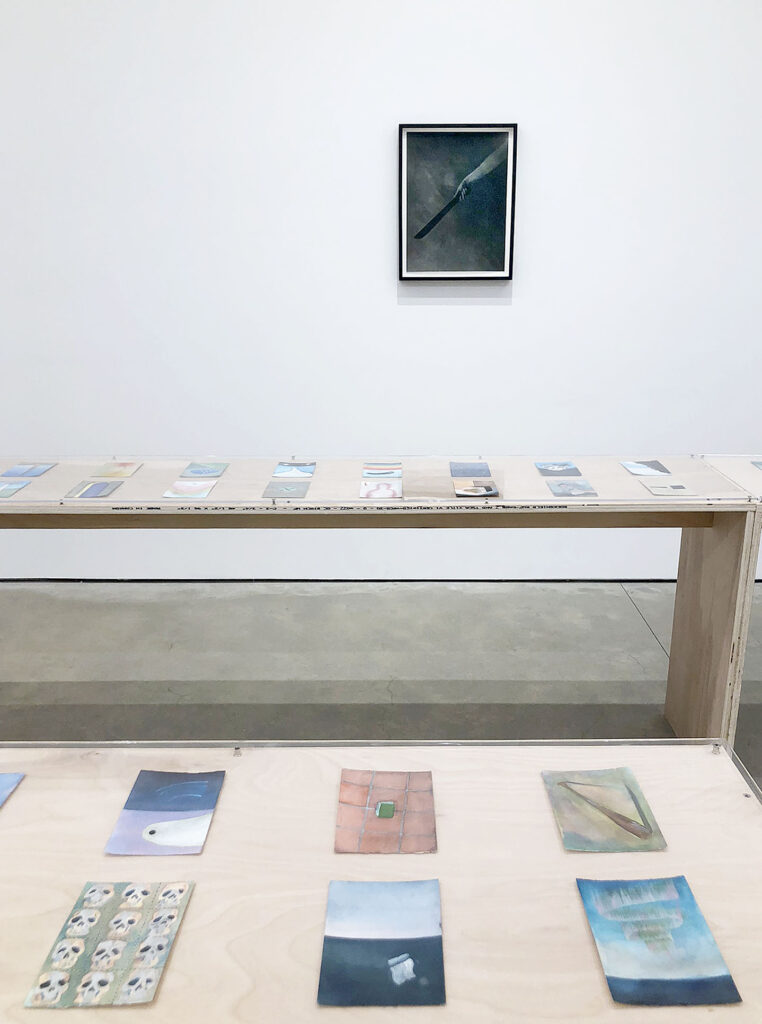
Through the building up of imagery by means of photography, drawing, sculpture, film, and performance, Adam Putnam continues an ongoing exploration of the boundaries between architecture, nature, the physical and the internal self, often using one as a stand in for the other.

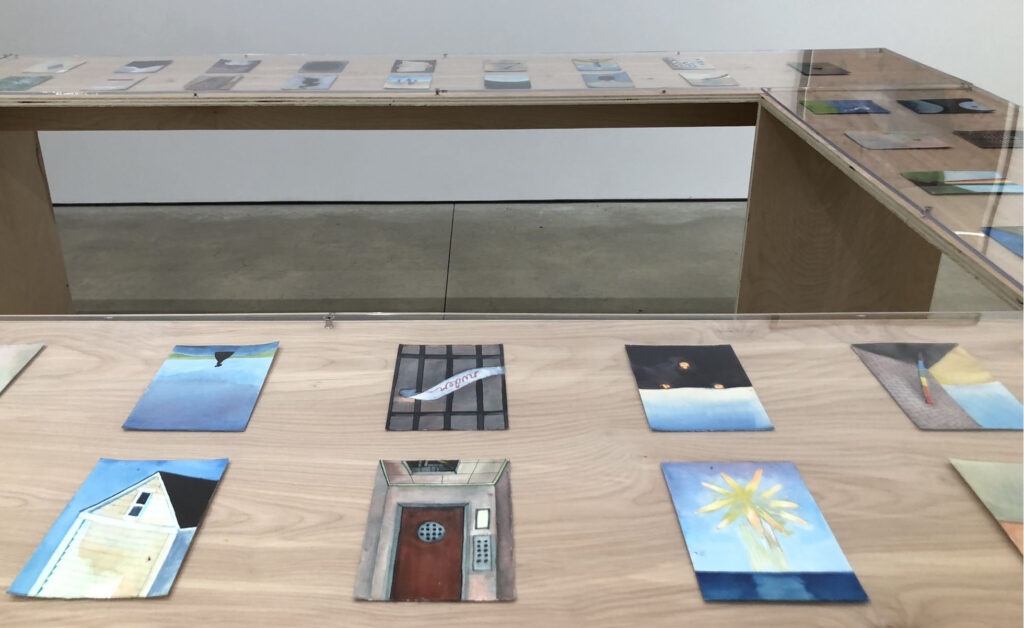
A single, hand-carved wooden finger beckons the viewer toward a labyrinth of 365 “visualizations.” Initiated during the long months of lockdown, this mass of miniature drawings takes on an elusive arrangement, like an archaic diagram of the unconscious mind, with patterns emerging and dissolving as the visitor weaves through the space. Accompanying this accumulation are a new series of drawings and photographs, depicting architectural inversions and other implements such as a crumbling brick column and a rusty sword.

The labyrinth ultimately leads to a shadowy monolith vibrating with light, smoke and bubbles. Based on a 2022 site- specific, multi-sensory work commissioned in response to the experiential interests and preferences of a small group of people with Profound Mental and Learning Disabilities (PMLD) living in Midlothian, Scotland, the tower, which can be viewed alternately as a lighthouse, clocktower, steeple and sundial, aims to connect through touch, scent, light and sound. As we enter a post-pandemic world, Holes offers an opportunity for collective experience and contemplation of the otherworldliness imbedded in the everyday.

Putnam’s Instagram is currently private, but you can check out his Tarot influenced artwork here. He was giving Tarot readings throughout the duration of the show using his handmade cards.

Feb 202023
 

Pictured L to R: Peter Cotroneo, Alexander Nixon (foot), and Joshua Haddad

Pictured: Molly Evans (sketches installation) and Kendra Frorup

Pictured L to R: Chris Valle; Emma Quintana and Rick Hanberry; Joseph Scarce

This is the last week to check out the Art+Design Faculty Exhibition at University of Tampa’s art gallery, Scarfone Hartley. It’s a wonderful chance to check out the talent that is teaching at the school as well as some impressive work.

Artists included: Jaime Aelavanthara, Peter Cotroneo, Molly Evans, Kendra Frorup, Corey George, Jennifer Guest, Joshua Haddad, Ry McCullough, Samantha Modder, Alexander Nixon, Eric Ondina, Angelina Parrino, Emma Quintana, Joseph Scarce, and Chris Valle.

Below are more selections from the exhibition-

Feb 132023
 

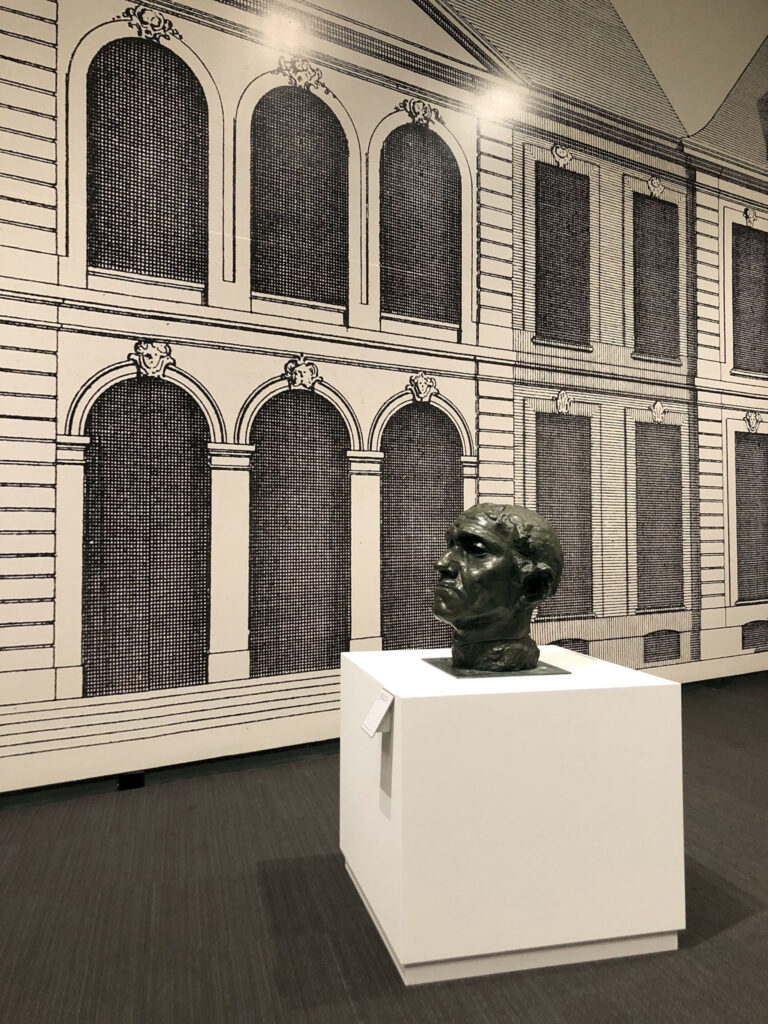
Auguste Rodin, “Monumental Head of Jean d’Aire”

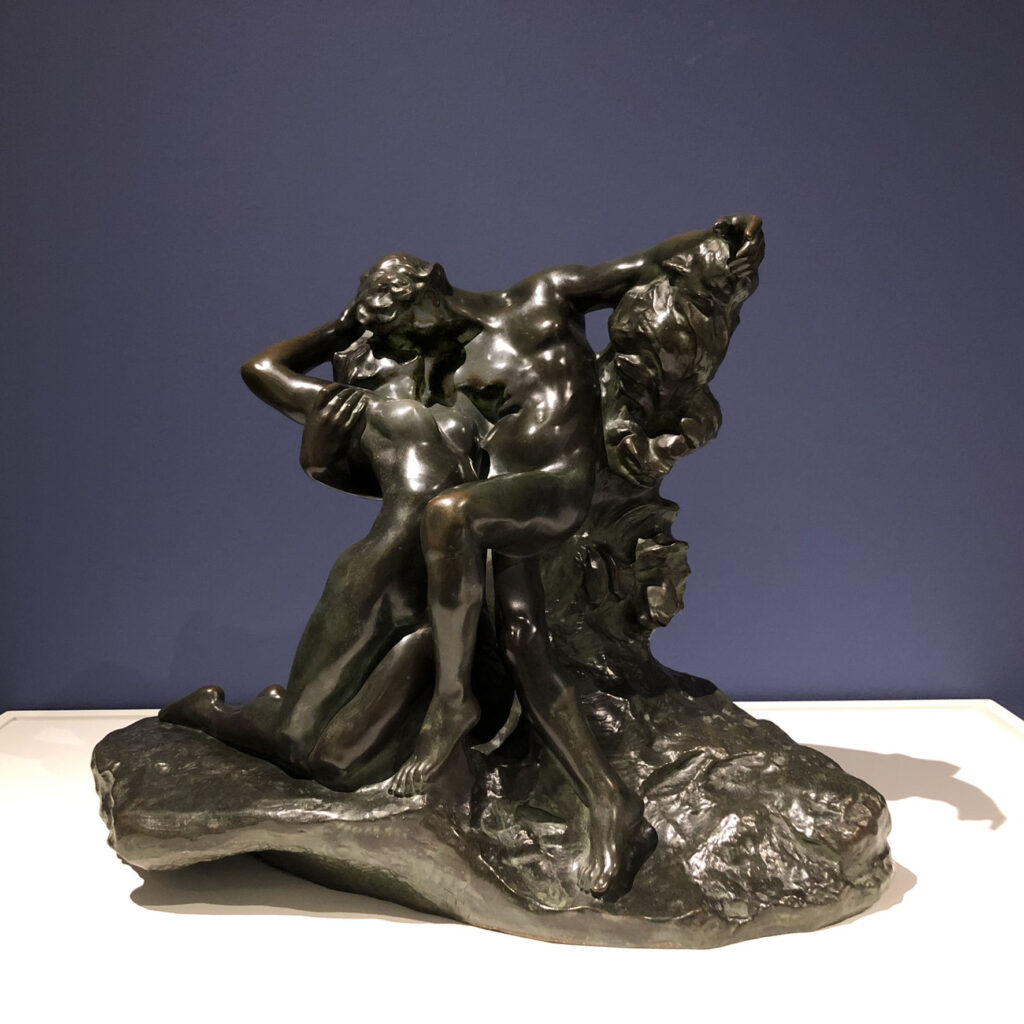
Eternal Spring

Currently at the Museum of Fine Arts St. Petersburg is True Nature: Rodin and the Age of Impressionism. The exhibition includes nearly 40 of his sculptures and presents them alongside Impressionist paintings by his contemporaries.

The curation of the show by Stanton Thomas really creates an exceptional experience for attendees. The large works, along with the paintings, are given plenty of space to be appreciated. While there is a power to seeing these larger than life works, the smaller ones, like Eternal Spring, pictured above, are also captivating.

In one room, on a single wall, is the facade of the building that would become the Musée Rodin. It is there to give both a sense of scale and to remind visitors that most of Rodin’s sculptures were intended for public spaces. Quotes by the Rodin, including one on beauty and character, along with film footage and photographs, add depth to the show as well.

This exhibition closes 3/26/23.

Feb 022023


“History is not everything, but it is a starting point. History is a clock that people use to tell their political and cultural time of day. It is a compass they use to find themselves on the map of human geography. It tells them where they are but, more importantly, what they must be.”- Dr. John Henrik Clarke

Dr. John Henrik Clarke was an American writer, historian, professor, and pioneer in the creation of Pan-African and Africana studies. He taught at both Hunter College in NYC, where he established the Department of Black and Puerto Rican studies, and Cornell University where he was the Carter G. Woodson Distinguished Visiting Professor of African History at Cornell University’s Africana Studies and Research Center.

The mural pictured above, Dr. John Henrik Clarke and the Mundari Tribe by Reginald O’Neal, was created for the 2022 edition of SHINE Mural Festival in St. Petersburg, Florida.


Jan 312023
 

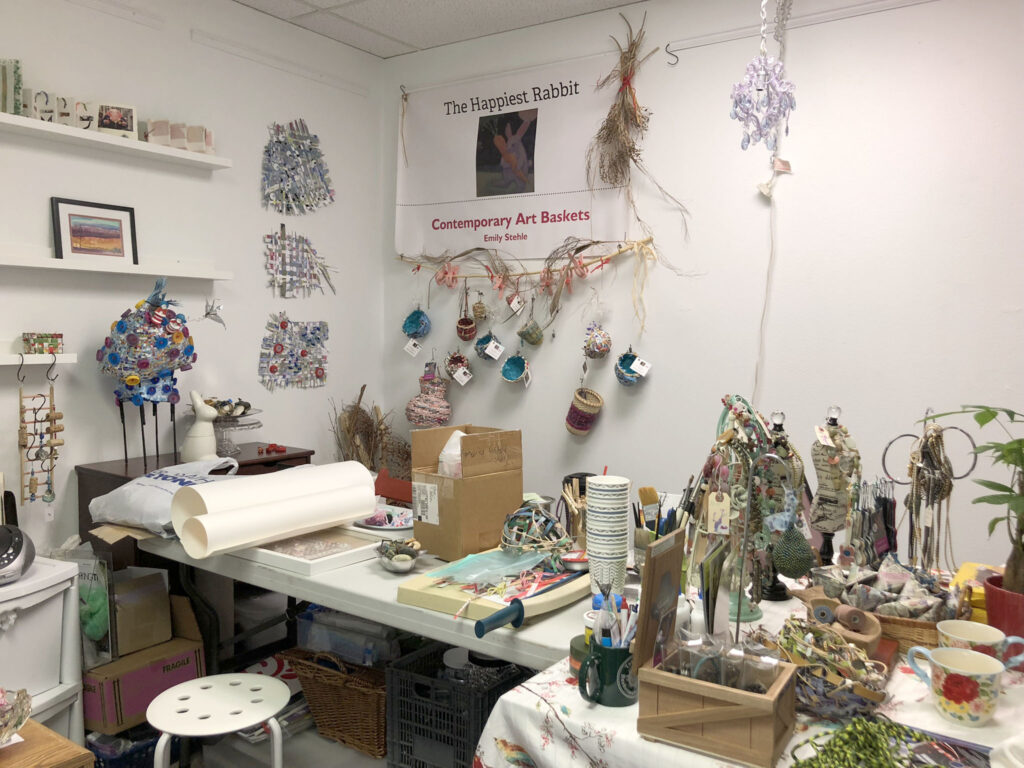
Emily Stehle’s studio

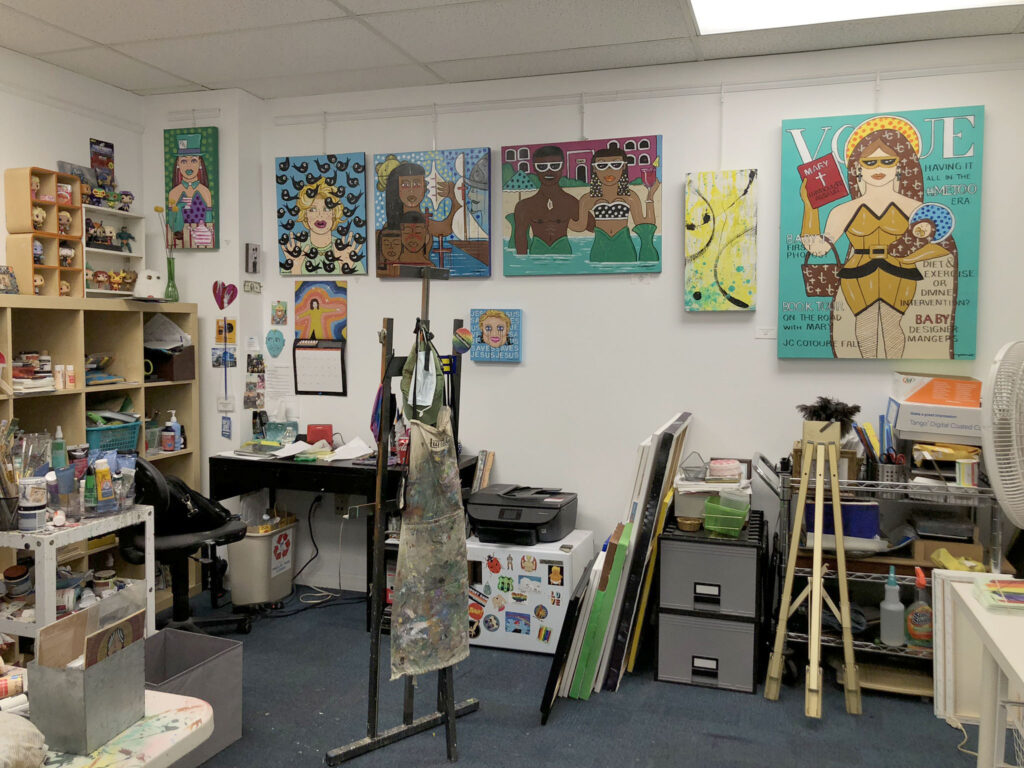
John Gascot’s studio

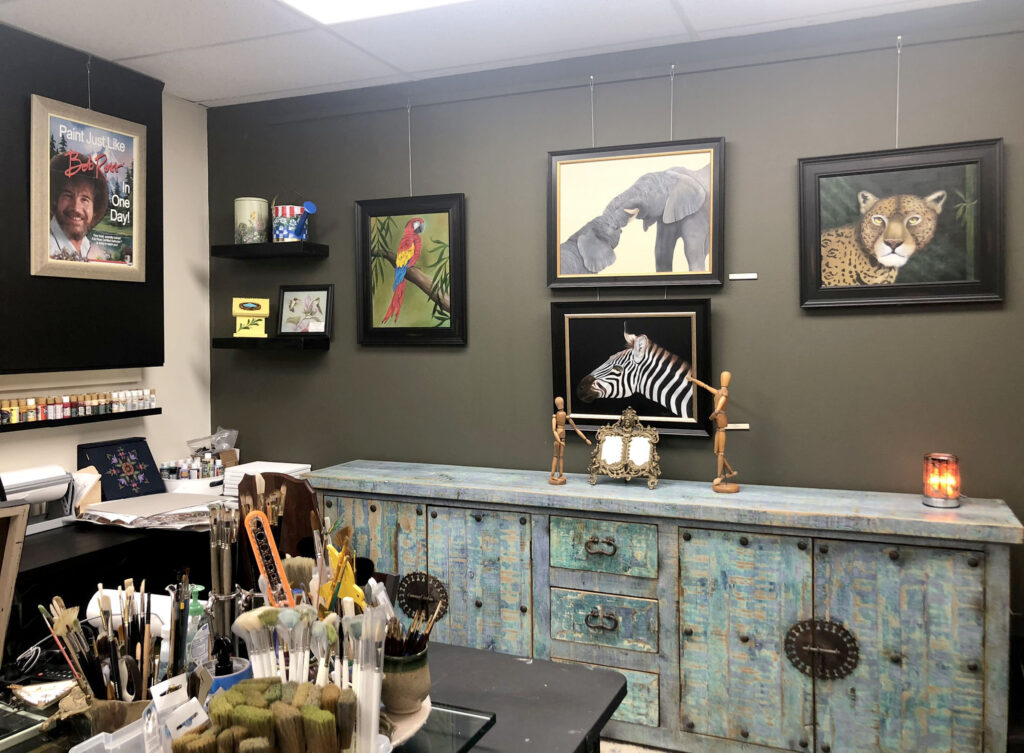
Tricia Lynn’s studio

Pictured above are three of the artists who have studios at The Studios @5663 in Pinellas Park, Florida. Emily Stehle and John Gascot were part of the recent Arts Annual 2022 exhibition at Creative Pinellas. Tricia Lynn is a wildlife oil painter and teacher.

On the fourth Saturday of the month Pinellas Arts Village hosts a block party with vendors, open galleries and studios, crafts, live music, and food. It’s a fun event that offers the opportunity to check out the neighborhood and see what local artists are working on.

Jan 302023
 

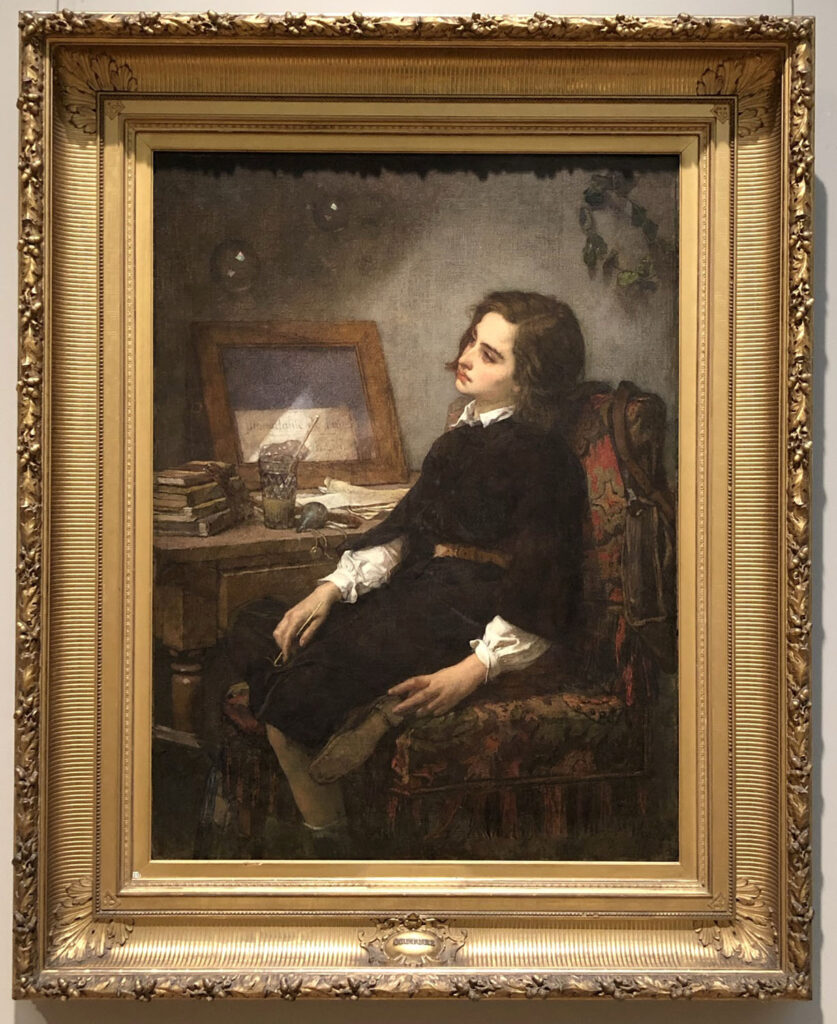
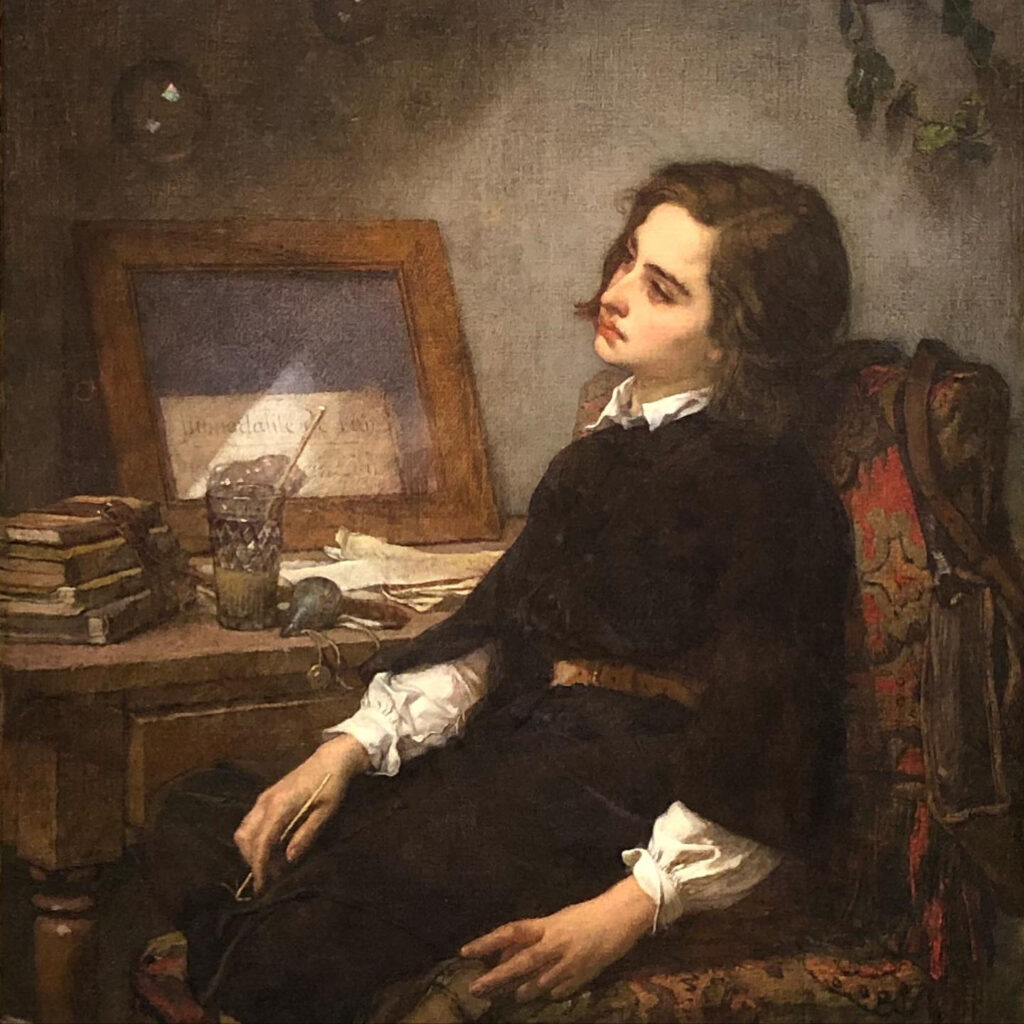
Thomas Couture’s Soap Bubbles, ca. 1859, on view at The Metropolitan Museum of Art.

From the museum’s website about the work-

A schoolboy, identifiable by the books on the desk, contemplates soap bubbles, traditional symbols of the transience of life. A wilting laurel wreath on the wall behind him suggests the fleeting nature of praise and honors. The word “immortalité,” inscribed on the paper inserted in the mirror, reinforces the painting’s allegorical content.

Couture was an influential teacher known for his opposition to strict academic instruction. Among his pupils was Manet, who in 1867 painted his own, more naturalistic, version of this subject (Museu Calouste Gulbenkian, Lisbon).

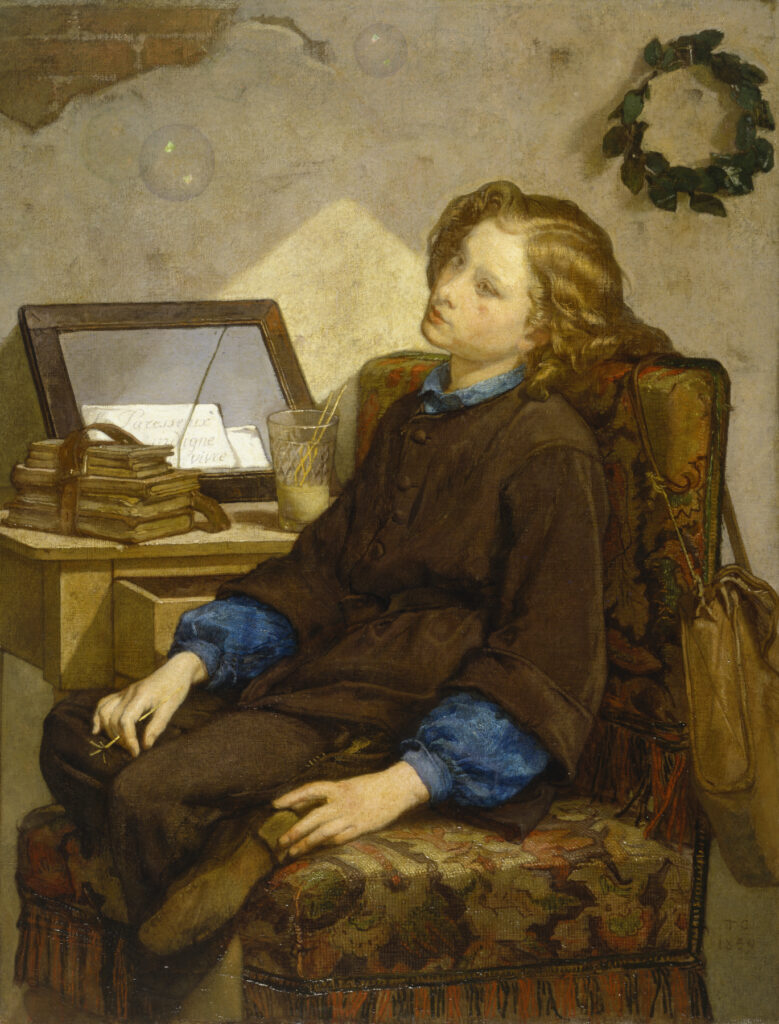
Interestingly, there is a very similar painting to this one, Daydreams, 1859, also by Couture, that is on view at The Walters Art Museum in Baltimore, Maryland.

This time the writing on the paper in the mirror reads “Le Parasseux indigne de vivre”- the lazy one unworthy of living.