Jun 032021
 

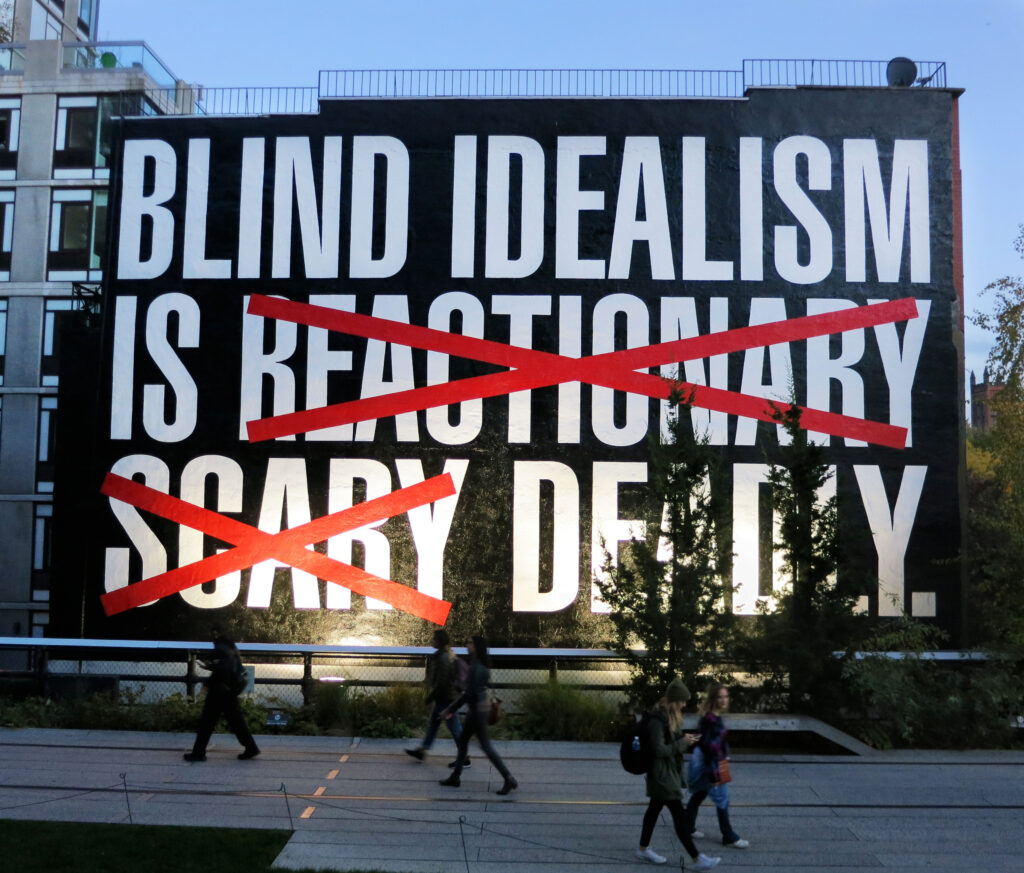
Barbara Kruger designed this mural, Untitled (Blind Idealism Is…) for the High Line in 2016. It is based on the quote “Blind idealism is reactionary” by Afro-Caribbean psychiatrist and political philosopher Frantz Fanon.

From the High Line website-

The original statement by Fanon, “Blind idealism is reactionary,” suggests that political and religious convictions stem from the situations from which they grow, not from the inherent nature of individual human beings. According to Kruger, the work reflects “how we are to one another” within “the days and nights that construct us.” These texts, along with Kruger’s own writings, resonate with particular potency in today’s political climate.

For more on this work at the time it was made, check out this interview with Kruger by The Intelligencer at New York Magazine.

May 222021
 

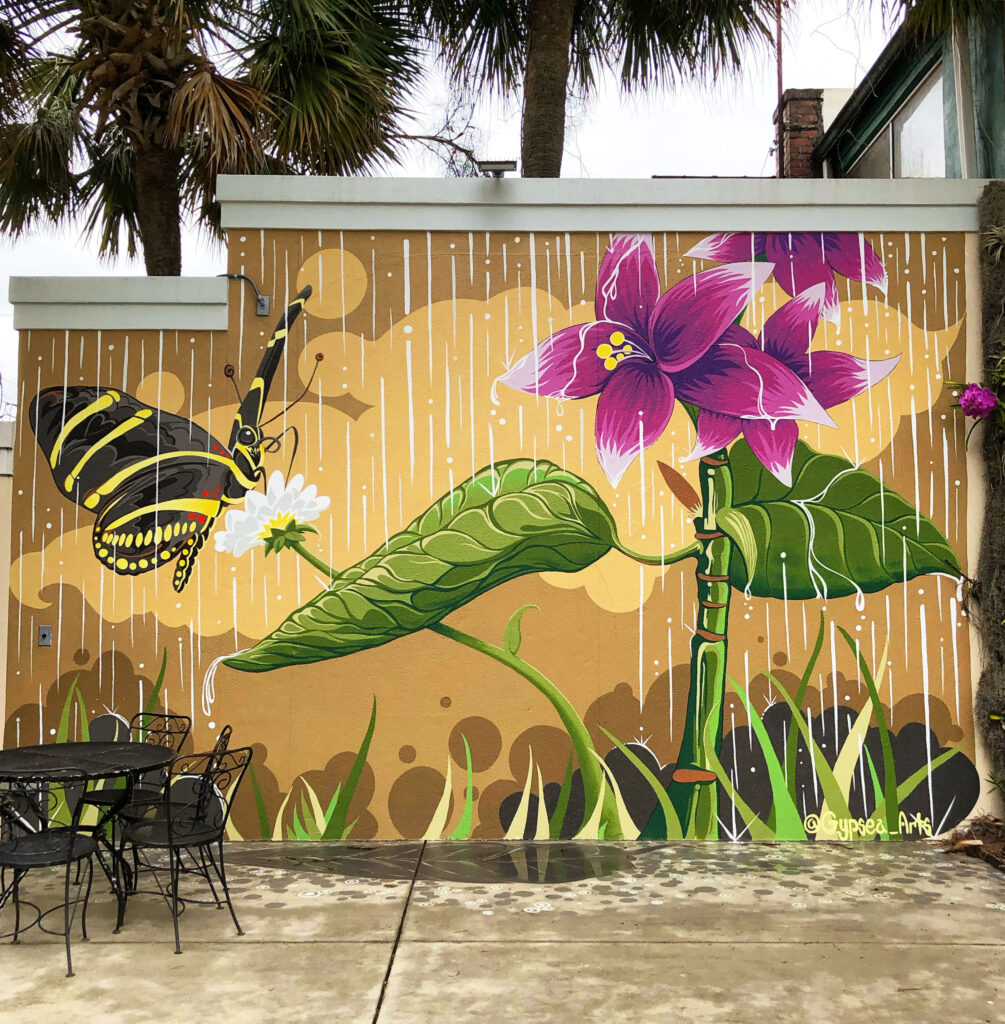
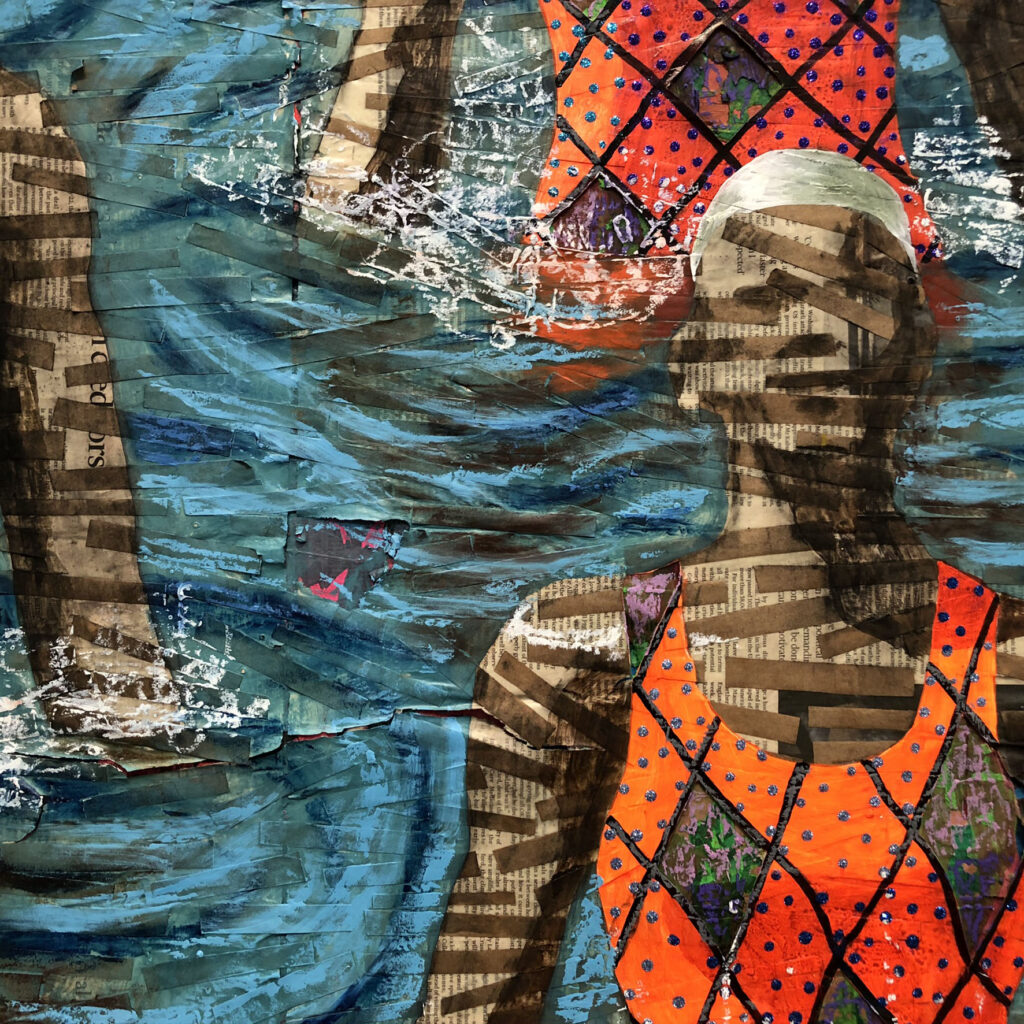
This was one of the pieces from Neighborhood Reflections, eco friendly banners created last year for the Arts Gowanus Art Walk event in Brooklyn.


Mar 222021
 

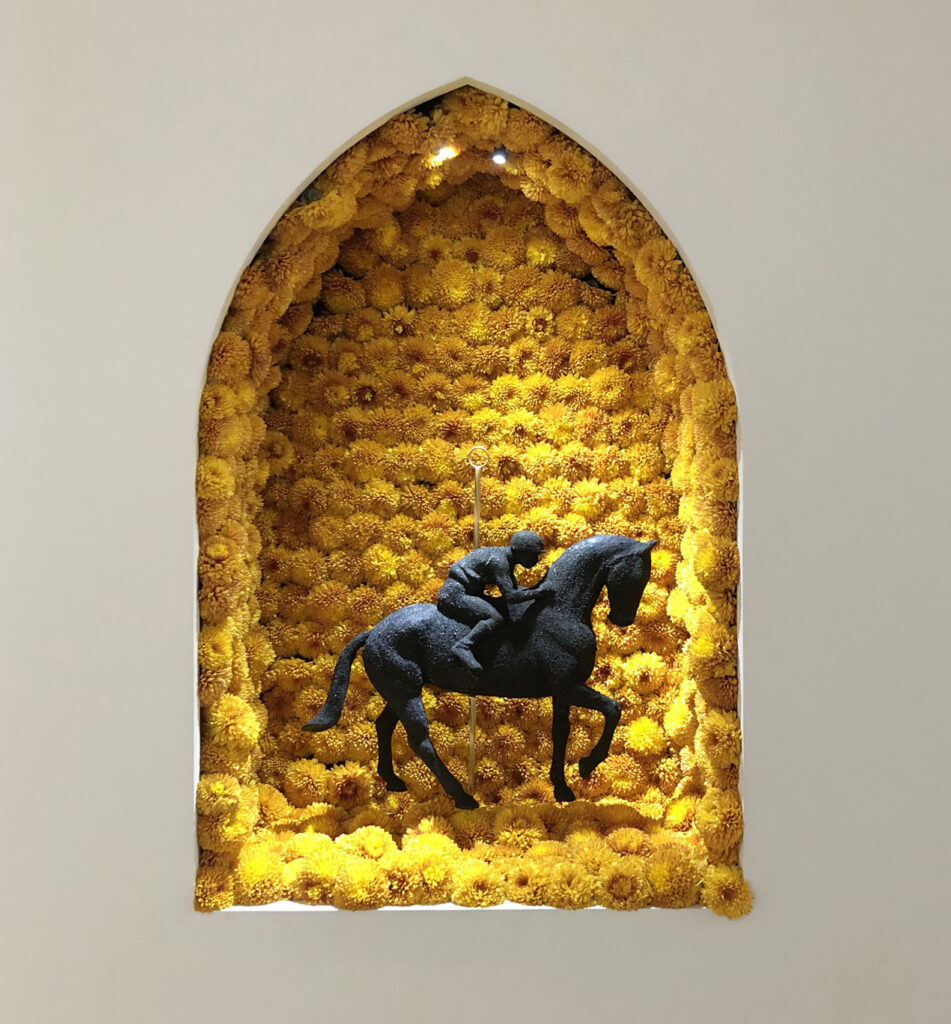
For more of Justin Alsedek’s work check out his website.

If you are looking for more information about the arts in Ocala/Marion County, check out  Marion County Alliance and their gallery Brick City Center for the Arts.


Mar 102021
 

I stumbled upon this work while walking around in Brooklyn, NYC. It was created by artist Brian Block and is part of his project “based on late writings of Californian writer F.C. Wott”.

The biography of Wott from Block’s website–

Wott was born in Santa Monica and lived as a resident of Elysium Fields commune in Topanga Canyon in Los Angeles from the late 1960s until its closure the early 2000s. He was an occasional prose and poetry writer, with his musings appearing in various zine style tracts that circulated among the west coast commune culture of the 60s and 70s.  

Confirmed further details of Wott’s life are few at this time, but it has been established that he served as part-time adjunct professor at Santa Monica Community College for many years in the 70’s and 80’s, teaching classes in Anthropology and Poetry.

Curiously, after years of writing only occasionally, his late years see Wott throwing himself headlong into his writing – intensely penning hundreds of lines of notes in seclusion at his modest beach hut at the nudist colony. These varied widely in length, coherence, and completion when they were found at his desk at his death in 2013. These writings would eventually became known as “The Notes”. 

“The Notes” were first circulated informally among friends, gradually acquiring a small, eclectic readership amid creative circles in and around Los Angeles.  One set of loose photocopied pages eventually captured the attention of UCLA Art Historian Emeritus Rene Glete, who introduced Brian Block to the writings.  Glete also went on to establish the scholarly framework for the study of Wott’s work: gathering and archiving all of Wott’s papers (such as they were) in cooperation with his estate, and setting up the framework for the Nachlass. It is worth noting that these are somewhat unchartered waters, academically researching the work of an “outsider” writer, for unlike the well established conventions of “outsider artist” and “outsider art”no such consensus has been forged in historical circles around such terms for writers.   

In deciding to make a group of artworks based on the texts, Block was drawn to their “eccentricity, and the fractured, iterative thinking” they depict, obtaining permission from the estate to make work from the Notes. 

Block is pasting up more work around town so check out the walls when you pass.


Dec 112020
 

Kota Ezawa’s Once Upon A Time in the West, 2017, for Murals of La Jolla, in San Diego. Murals of La Jolla is a project started in 2010 by The Athenaeum and the La Jolla Community Foundation. It commissions artists to create work to be displayed on buildings around La Jolla. A map of current work can be found here.

From the Murals of La Jolla website–

Kota Ezawa’s mural, Once Upon a Time in the West, pays homage to La Jolla’s landmark contribution to science and architecture. The mural image overlays a stylized portrait of architect Louis Kahn in profile onto a perspectival view of the Salk Institute’s courtyard and the Pacific Ocean beyond. The Salk Institute, located in La Jolla, has been a hub for groundbreaking scientific research since its inception by Jonas Salk in 1960. Kahn was handpicked by Salk to design a flexible laboratory space that would be conducive to the constantly evolving needs of science. Ezawa portrays Kahn deep in thought as the modern, bold architecture of the Salk is depicted behind him. The use of contrasting opaque and transparent forms seamlessly blends Kahn with his creation, suggesting the endless possibilities of science and art.

Kota Ezawa uses graphic stylization reminiscent of Pop Art to create bold, flattened imagery rich with subtle, critical commentary. Ezawa was born in 1969 in Cologne, Germany. He attended the Kunstakademie Düsseldorf in the early 1990s. He later went on to receive a BFA from the San Francisco Art Institute and an MFA from Stanford University. He is an associate professor in film and fine art at the California College of the Arts in Oakland. Ezawa is known for his labor-intensive, stylized computer animations that re-contextualize history to highlight the biased lens through which pop-culture media is consumed. He seeks to reduce information to its most basic elements to question validity and truth of news and media. He also uses slide projection, light box images, and collage to explore similar themes.


Dec 052020
 

Not My Burden, 2019

From a Tropical Space, 2019

From a Tropical Space (detail)

Analogous Colors, 2020

The Aftermath, 2020

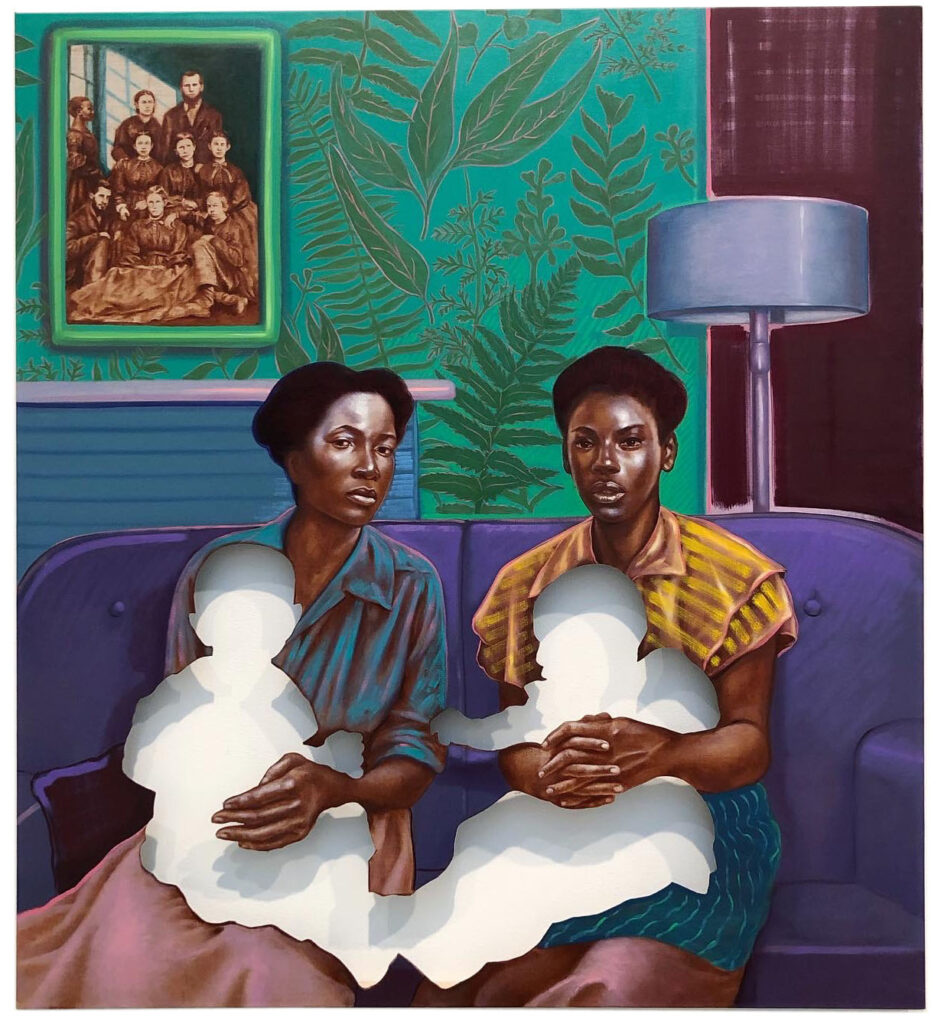
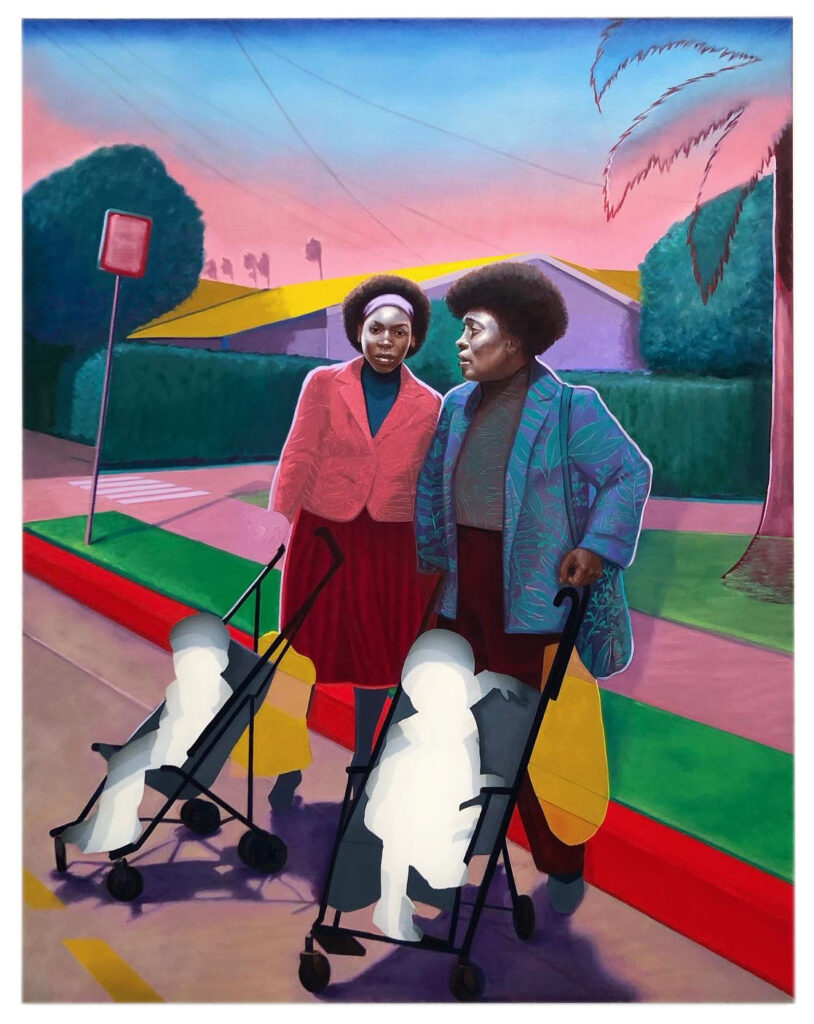
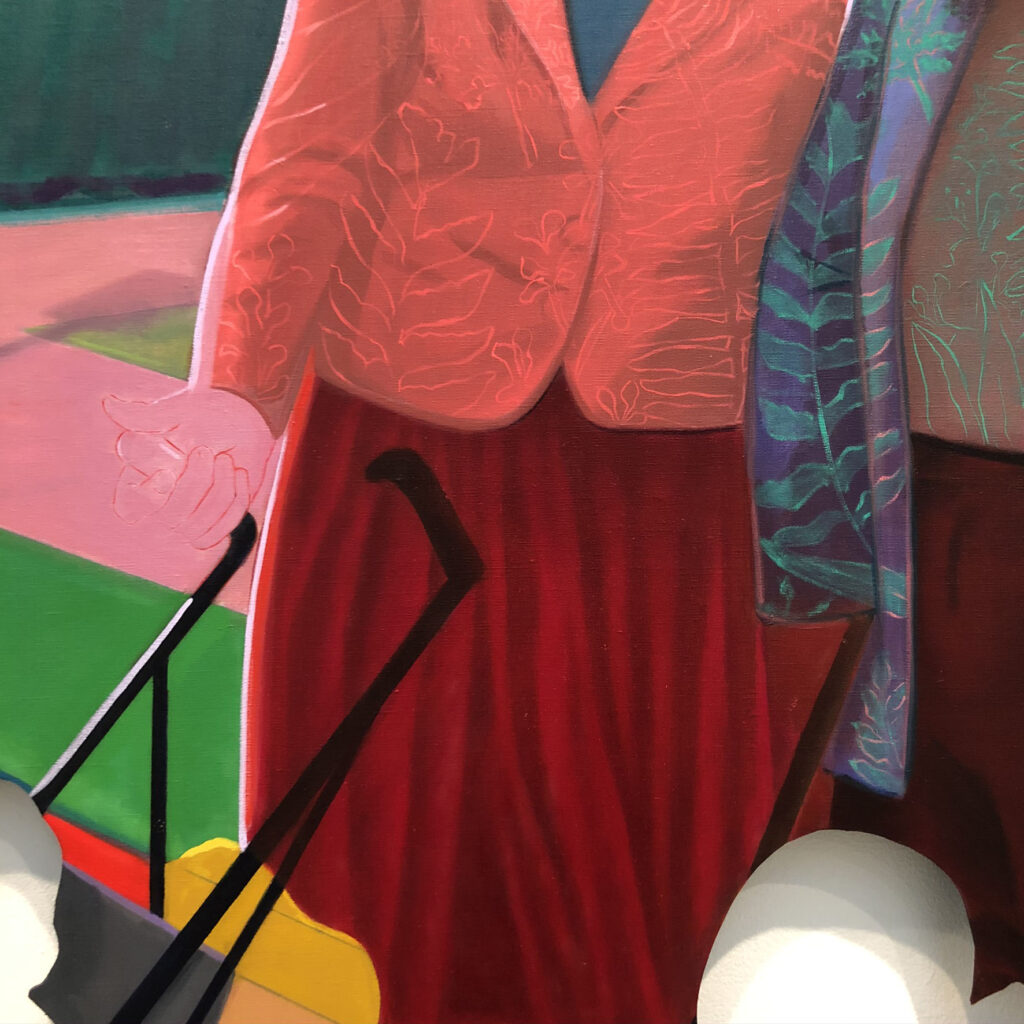
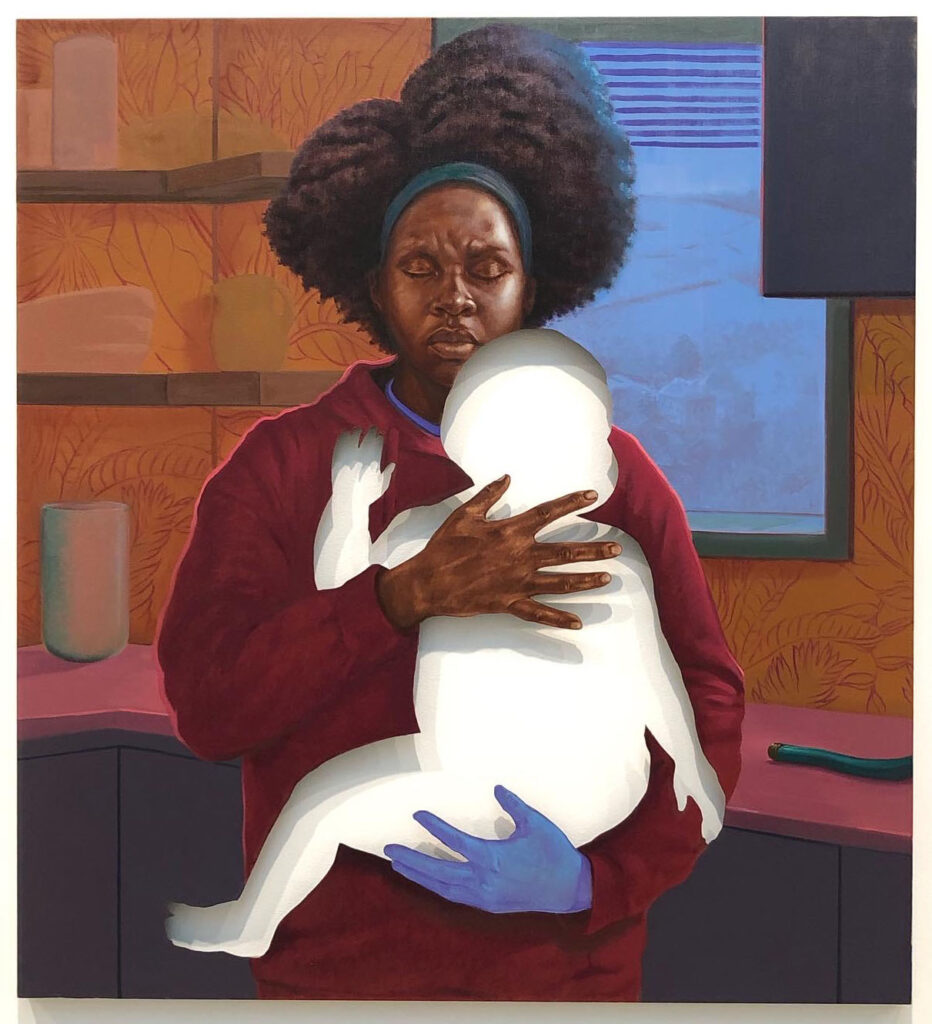
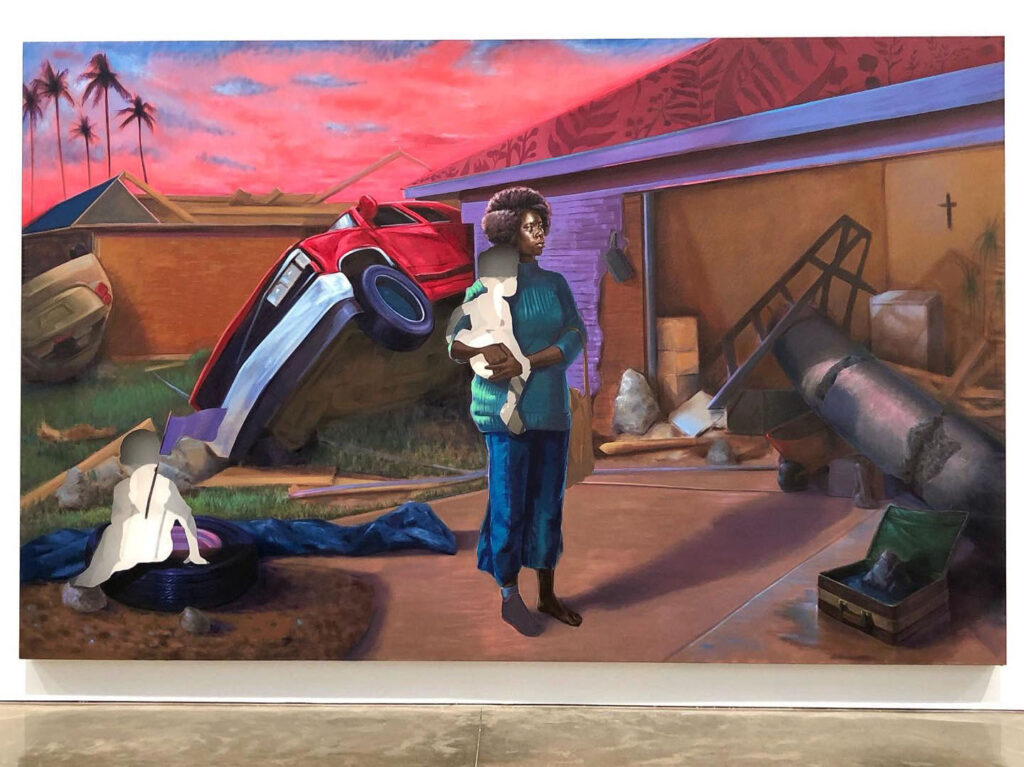
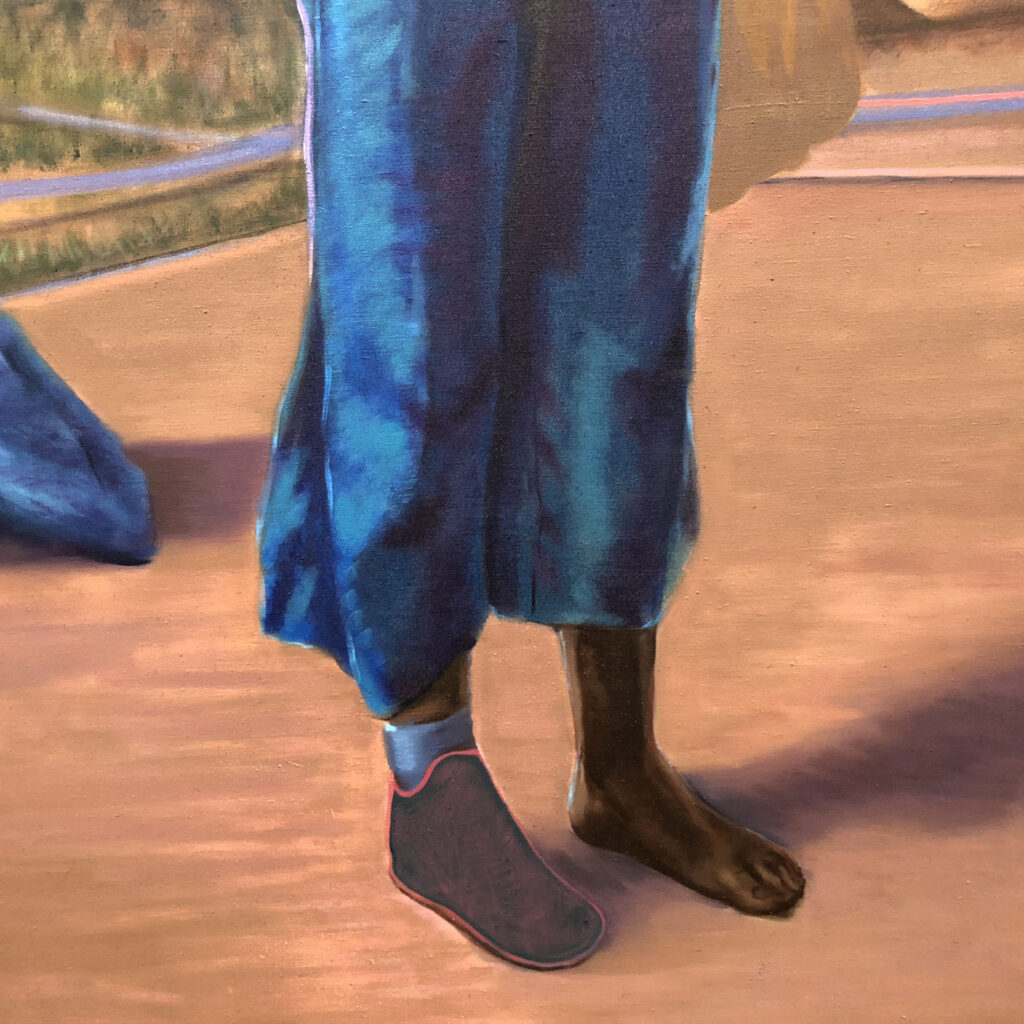
For Titus Kaphar’s first exhibition at Gagosian Gallery in NYC, From A Tropical Space, he has created moving scenes of loss, with children cut out of the paintings. While the cutouts and vivid colors are the first things that get noticed, on a longer look you can see that the women in these paintings are not just missing children, but often pieces of their own bodies are affected. Arms, a hand fading away or turning blue, a leg with only one sock and shoe- these women are losing more than what has been cut away from them, they are losing parts of themselves.

From the press release-

A painter, sculptor, filmmaker, and installation artist, Kaphar reexamines American history by deconstructing existing representations and styles through his own formal innovations. His practice seeks to dislodge history from its status as “past” in order to understand its continuing impact on the present. Using materials including tar, glass, and rusted nails—together with highly refined oil painting—and employing techniques such as cutting, shredding, stitching, binding, and erasing, he reworks canonical art historical codes and conventions. And by uncovering the conceptual and narrative underpinnings of certain source images, he explores the manipulation of cultural and personal identity as a central thematic concern while inventing new narratives.

While much of Kaphar’s work begins with an exhaustive study of pre-twentieth-century master painting techniques, From a Tropical Space sees him wield these various methods to create an emotionally saturated visual landscape that is entirely contemporary. Just as artists, through time, have translated the fraught and mercurial sociopolitical contexts in which they operate into new and often radical aesthetic modes, so do the pervasive social and cultural anxieties of the world in which we find ourselves resonate throughout Kaphar’s new work.

In From a Tropical Space, Kaphar presents a haunting narrative of Black motherhood wherein collective fear and trauma crescendo in the disappearance of children, literalized through the physical excision of their images from the canvases themselves. The absence of each juvenile figure—whether seated in a stroller or held in a woman’s arms—reveals only the blank gallery wall beneath. The intense coloration of the suburban environments in which the figures are set only heightens a pervasive tension—these are images for uncertain times. Included in the exhibition is Analogous Colors (2020). Demonstrating further the broader resonance of Kaphar’s recent work, the painting was featured on the cover of the June 15 issue of Time magazine, which included a report on the protests sparked by George Floyd’s killing at the hands of Minneapolis police.

This exhibition closes 12/19/20.

Dec 052020
 

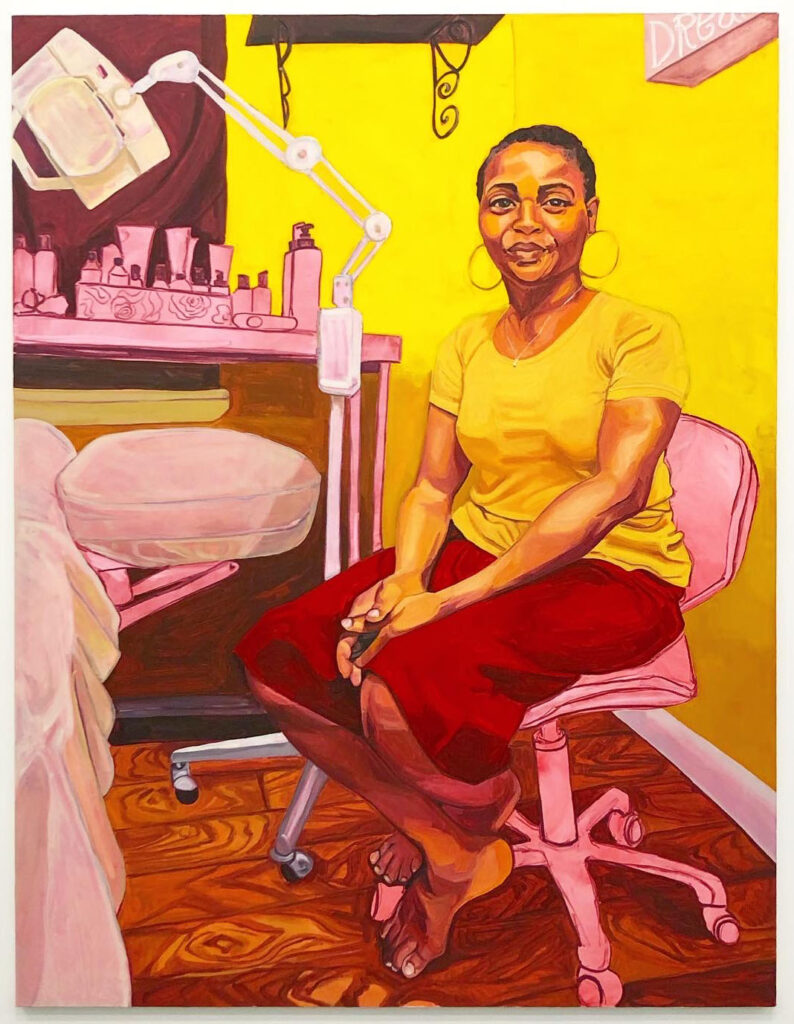
Shirley (Spa Boutique2go), 2018
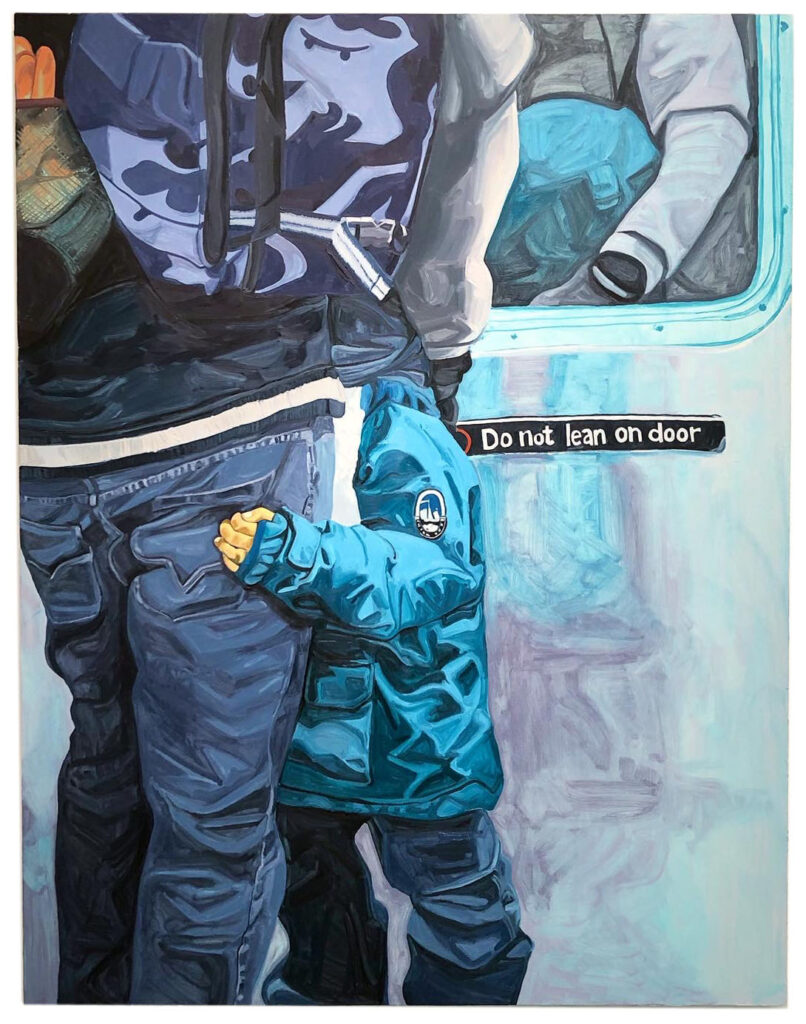
Lean, 2018
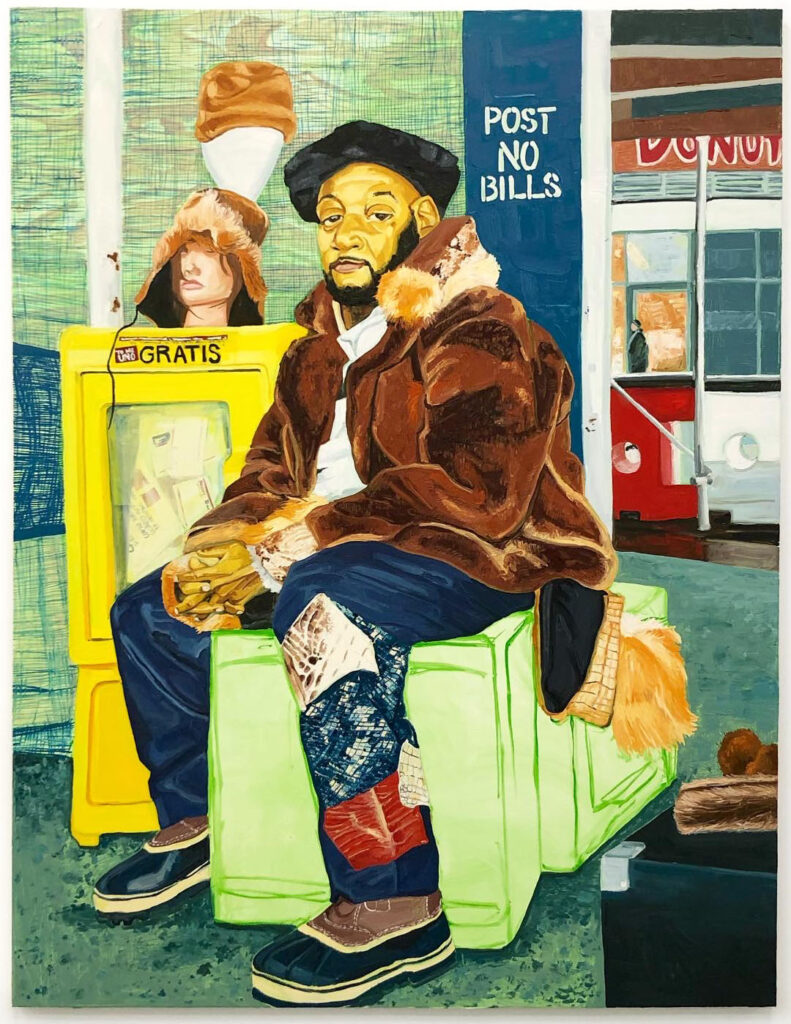
Charles, 2016
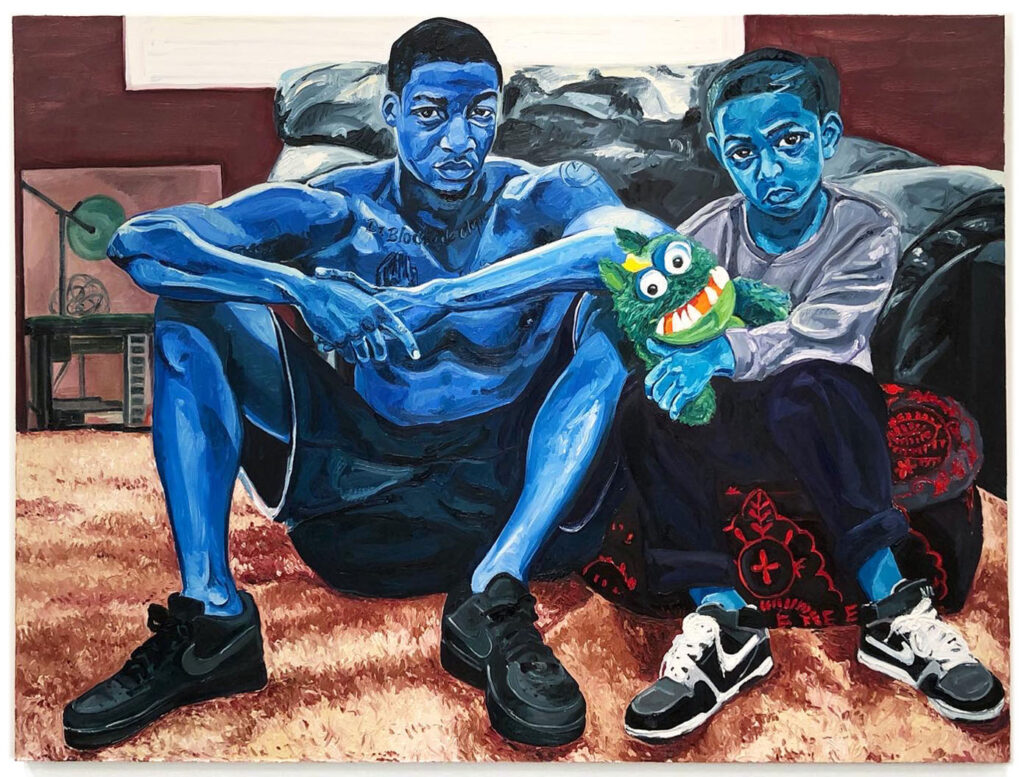
Miles and Jojo, 2015
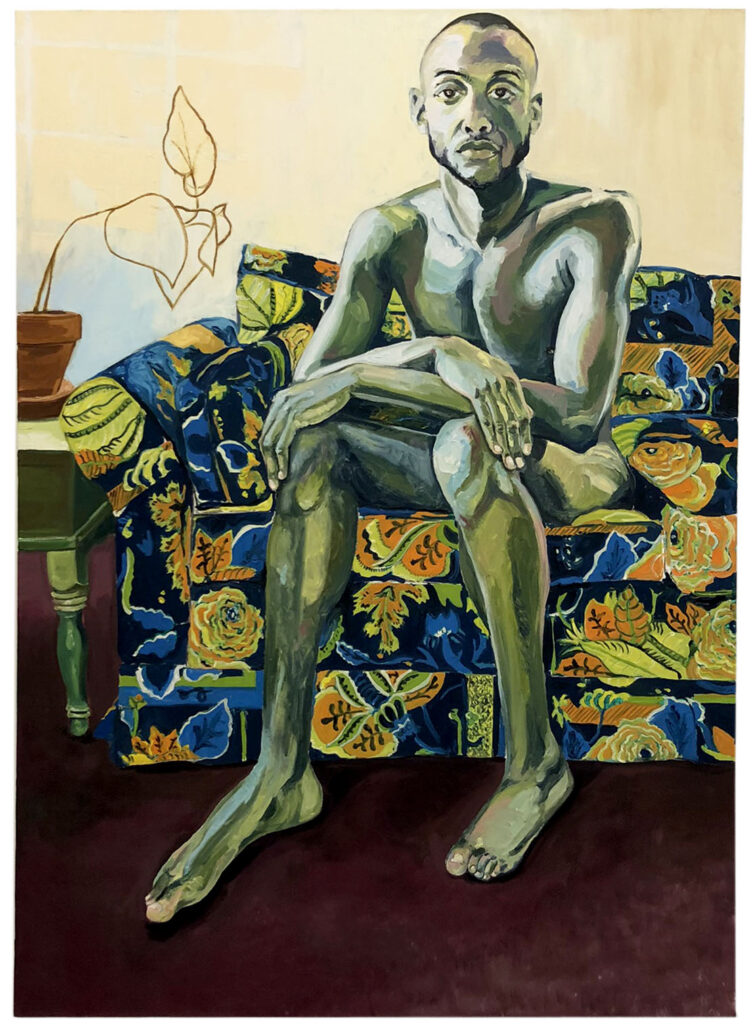
Jireh, 2013

Currently at the New Museum is Jordan Casteel: Within Reach, the artist’s first solo museum exhibition in New York City. It includes paintings from her series Visible Man (2013–14) and Nights in Harlem (2017), and recent portraits of her students at Rutgers University-Newark.

From the museum’s information page-

In her large-scale oil paintings, Casteel has developed a distinctive figurative language permeated by the presence of her subjects, who are typically captured in larger-than-life depictions that teem with domestic details and psychological insights.

Portraying people from communities in which the artist lives and works—including former classmates at Yale, where she earned an MFA; street vendors and neighbors near her home in Harlem; and her own students at Rutgers University-Newark in New Jersey—Casteel insists upon the ordinary, offering scenes with both the informality of a snapshot and the frontality of an official portrait. In these richly colorful works, Casteel draws upon ongoing conversations on portraiture that encompass race, gender, and subjectivity, connecting her practice to the legacy of artists like Alice Neel, Faith Ringgold, and Bob Thompson, among others. Casteel’s studies in anthropology and sociology also inform her works, which can often be read as a reflection on the presentation of the self in everyday life and as an investigation of the relationships that tie together intimacy and distance, familiarity and otherness.

Casteel’s subjects, who are frequently black men looking directly at the viewer, are self-possessed and casually posed, but, as they stare in the distance, they also seem to ponder questions about masculinity and class, belonging and displacement. In the exchange of gazes between the sitters, the artist, and the viewers, her paintings blur impulses and aspirations to compose a nuanced portrait of daily life in the US.

From her earliest series, Visible Man, Casteel has challenged conventional depictions of blackness while simultaneously reconfiguring stereotypes and expectations around femininity and desire. In Jiréh (2013), a student from the Yale School of Drama appears unclothed and in repose at home, gazing tranquilly at the viewer from a patterned couch. More than on any sense of erotic tension, the painting rests on a sense of empathy and quietness. In later works, Casteel’s encounters with her subjects are animated by a different sense of place: in Nights in Harlem, Casteel shifts her attention outside, to men and women who populate the streets of her neighborhood. Posed in their environments, these figures reflect the communal spaces and social relationships they inhabit.

Along with her depictions of life in Harlem, Casteel also explores scenarios in which anonymity and individuality seem to coexist. In her cropped “subway paintings”—one of which lends its title to the exhibition—she zooms in on the everyday gestures she observes on New York City trains. Even against the anonymous weight of strangers clasping cell phones and huddling near doorways, the body still remains legible, its identity concealed but its inner life nevertheless present. In these, as in many of her works, Casteel captures the sensory experience of life in the city, while conjuring the complex emotional landscape of her sitters.

This exhibition closes 1/3/21.


Dec 042020
 

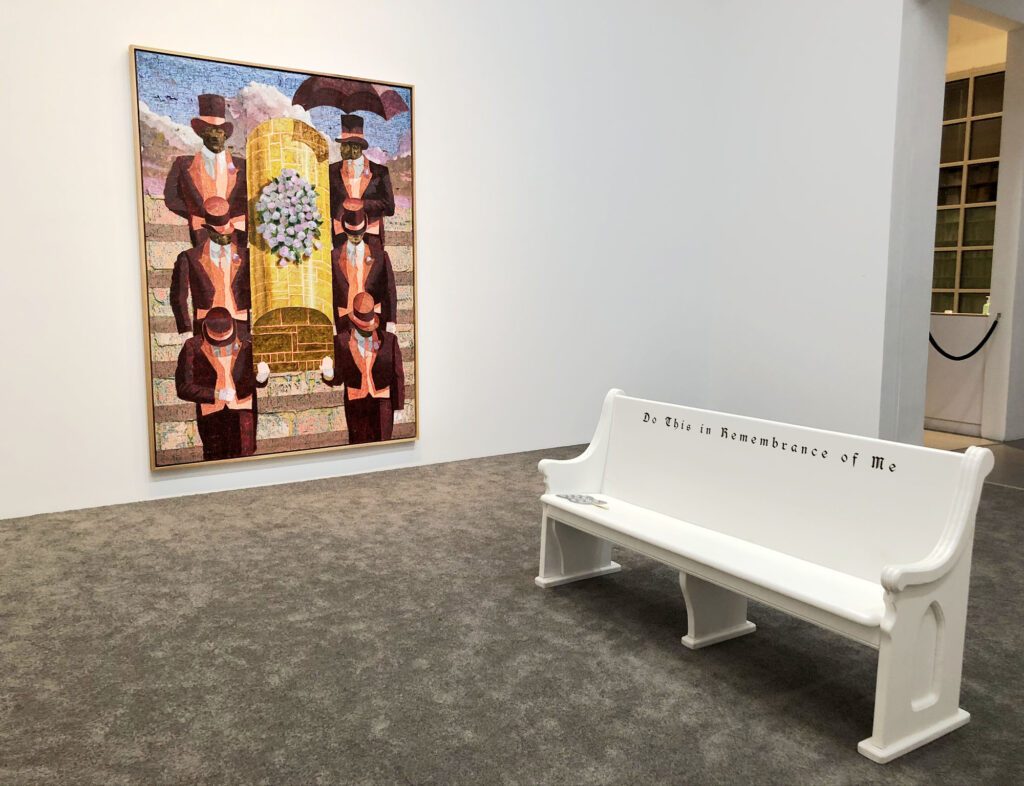
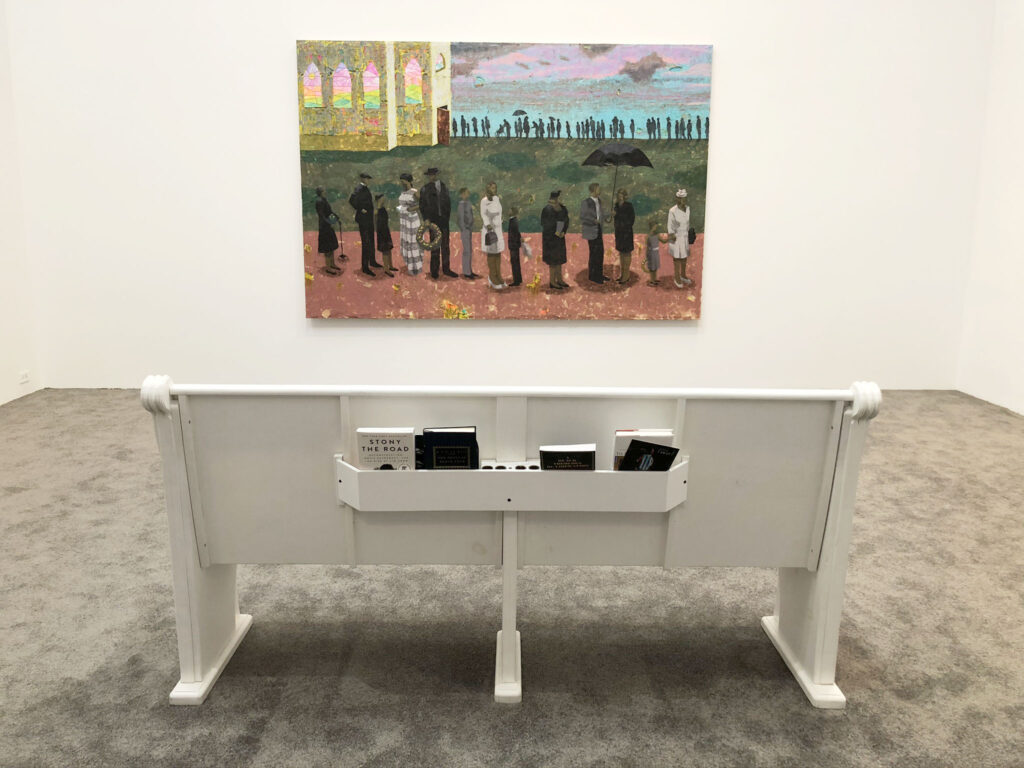
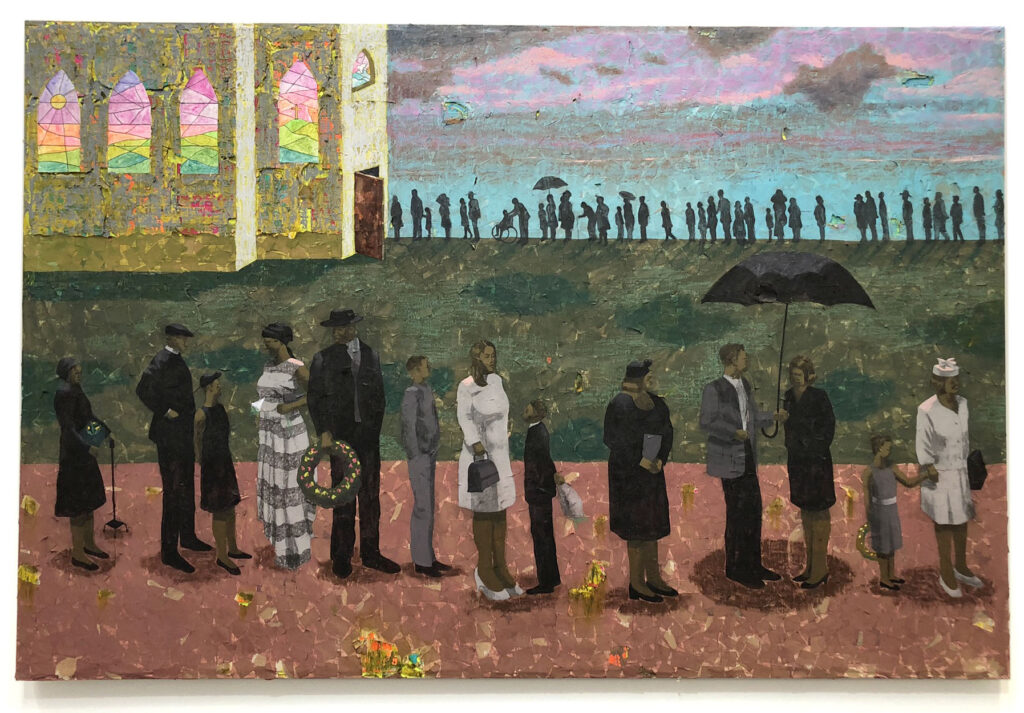
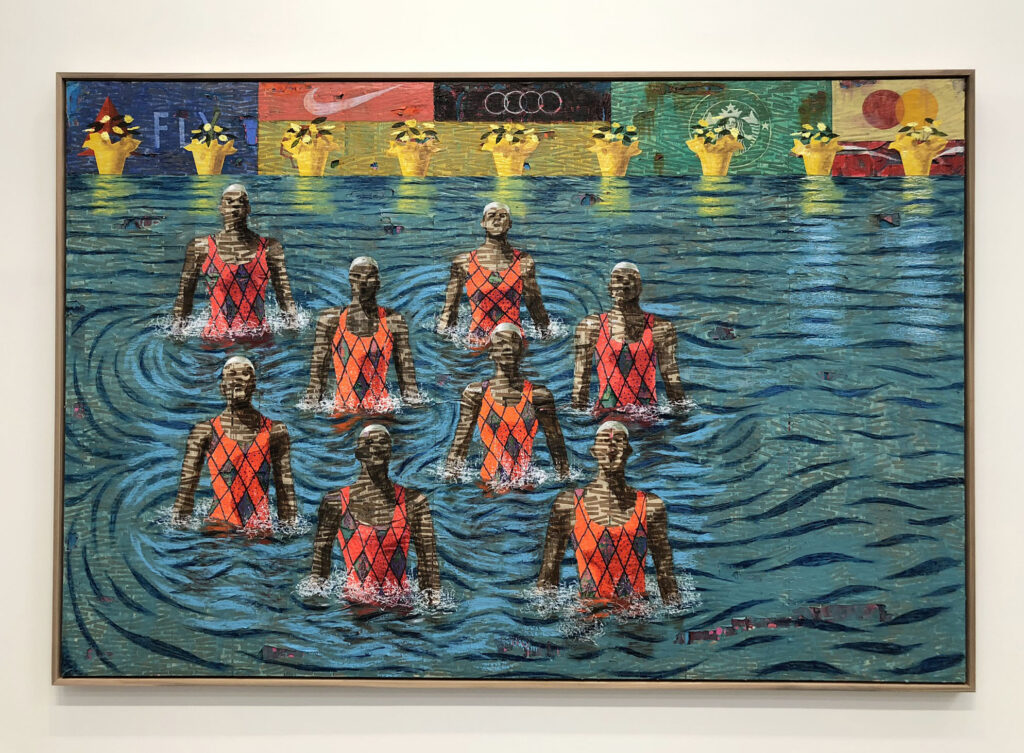
Currently at Petzel in NYC is Derek Fordjour’s solo exhibition, SELF MUST DIE, which incorporates painting, sculpture and Fly Away, a performance collaboration between Fordjour and award-winning puppeteer Nick Lehane.

From the press release-

The show, Fordjour’s first with the gallery, is an offering of creative labor in response to our current moment, a deeply personal and collective state of anxiety around death and hyper-visible racial violence. It examines the nature of martyrdom, vulnerabilities inherent to living in a Black body, performance of competency, and the liminal space existing between autonomy and control.

In SELF MUST DIE, Fordjour interrogates the inevitability of actual death, made more urgent by the realities of a global pandemic, and points to the aspirational death of the artist’s ego brought into focus by a burgeoning career. It is both cultural manifesto and personal declaration. The show is comprised of three parts: VESTIBULE, a site-specific sculptural installation; Fly Away, a live puppetry art performance; and a suite of new paintings.

VESTIBULE offers a collection of sculptural objects imbued with biblical allegory and the spirit of James Cone’s Black Theology of Liberation. It refashions the gallery as a secular yet sacred space of memorial. Among its features, the small entry compels visitors to undergo a destabilizing bodily shift that elicits an intimate and reorienting experience. A directional light from above slowly combs the entire room, invoking both searchlight and spotlight, ideas central to the recent death of Breonna Taylor. Constructed of bituminous coal and wrought iron, Taylor Memorial hangs from above.

Fly Away, a collaboration between Fordjour and award-winning puppeteer Nick Lehane, is performed by a stellar cast, with an original score composed by John Aylward and performed live by oboist Hassan Anderson. The puppet is a Fordjour-designed, hand-sculpted figure crafted by Robert Maldonado. The protagonist’s narrative arc rises and falls along a journey of personal discovery. Larger themes that course through Fordjour’s body of work become resonant.

Spanning two galleries are several new paintings, executed in Fordjour’s signature collage technique, representing the latest developments in his studio practice. The first is a suite of paintings based on Black funerary tradition. The second gallery presents a broad range of subjects including several at monumental scale.

This exhibition closes 12/19/20.

Dec 042020


Ida Applebroog’s exhibition Applebroog Birds at Hauser & Wirth’s New York location is a delightful collection of paintings and sculpture. But there is more to them than meets the eye.

From the press release-

For more than six decades, American artist Ida Applebroog has continuously engaged with the polemics of human behavior, often exploring interrelated themes of power, gender, politics, and sexuality in works that span and challenge the boundaries of her mediums. Her forthcoming exhibition ‘Applebroog Birds,’ opening 12 November at Hauser & Wirth New York, finds the 91 year old artist advancing her trenchant political inquiry through avian portraits, paintings, and sculptures, all of which are ripe with symbolism relevant to this unprecedented moment. This exhibition expands upon the ‘Angry Birds of America’ works she began making in 2016 and reaffirms her status as one of contemporary art’s most consistently inventive political image-makers.

A pioneering artist of the feminist movement since the 1970s, Applebroog constantly evolves her visual vocabulary and draws from a diverse array of themes, memories, and mass media sources. These range from her own genitalia to dolls and mannequins, to cartoon characterizations of people in her life, to fashion models and accouterment – and, most recently, birds. In 2016, Applebroog became captivated by ornithology and John James Audubon’s skill at merging art and nature. She developed an interest in drawing birds nestled in trees. Quickly realizing that Audubon and other ornithologists work from taxidermal birds, Applebroog began collecting birds and reading ornithological books, eventually producing her own models in plaster and paint.

Her series ‘Angry Birds of America’ was developed during a time of grief and rage, expressed with new intensity in American politics: it was the year that saw the beginning of Donald J. Trump’s presidency, the concomitant rise of white nationalism and anti-immigration violence. Mass shootings in Las Vegas and Texas, the #MeToo movement, and women’s long suppressed anger at accepted sexual affront and assault in the workplace were brought into public focus. Some of Applebroog’s ‘Angry Birds of America’ works will be on view at Hauser & Wirth, having been presented at the Kunstmuseum Thun, Switzerland, in its 2019 exhibition ‘Ida Applebroog.’ Centered on Applebroog’s paintings and sculptures of dead birds, these works provide viewers with analogs for the underlying amalgam of violence and beauty that exist in the world around us, both natural and manmade.

Applebroog’s images and sculptures of birds depict a wide range of avian types. Her ‘White Bird’ sculptures, inspired in part by Applebroog’s studio menagerie of stuffed birds, have the aspect of phantoms in flight, forms that seem to bob gently on unseen air currents, while the ‘Specimens’ works, innate and individually tagged, suggest findings from an ornithologist’s lab. The bird portraits on mylar similarly emit a feeling of taxidermy’s strange temporality. These works evolve from images that are printed with inks that the artist then manipulates by hand. Though the animal depicted in each work has expired, Applebroog’s skill in returning a carcass to life is in full view, creating a metaphor for contemporary political life in America and a call to action.

In an essay titled ‘Bird on a Wire,’ originally published in the Kunstmuseum Thun’s catalogue for Applebroog’s 2019 solo exhibition, art historian Jo Applin notes the irony that President Trump has his own, ‘ill-advised addiction to social media through which, like the proverbial caged canary, he tweets, and tweets, and tweets all manner of bizarre statements, unfounded allegations, and lies.’ In ‘Applebroog Birds,’ the artist’s portrait of a bald eagle – the national symbol of the United States of America – keeps company with a flock of dead birds.

This exhibition is on view until 12/19/20, by appointment.

Dec 012020
 

Today, December 1st, is Day With(out) Art, a national day of action and mourning organized by Visual AIDS with arts organizations and institutions in response to the AIDS pandemic. It is also World AIDS Day, an international day dedicated to raising awareness of the disease.

Every year since 2010, Visual AIDS has commissioned a video program that is then shown at various venues around the world. The short films presented this year consider the impact of HIV and AIDS beyond the United States.

The program this year, Transmissions, consists of six new videos, and can be seen online as a whole or individually on the website (which also provides more information on each work).  The artists included this year are Las Indetectables, Lucia Egaña Rojas, Charan Singh, George Stanley Nsamba, Jorge Bordello and Gevi Dimitrakopoulou.