Aug 122023
 

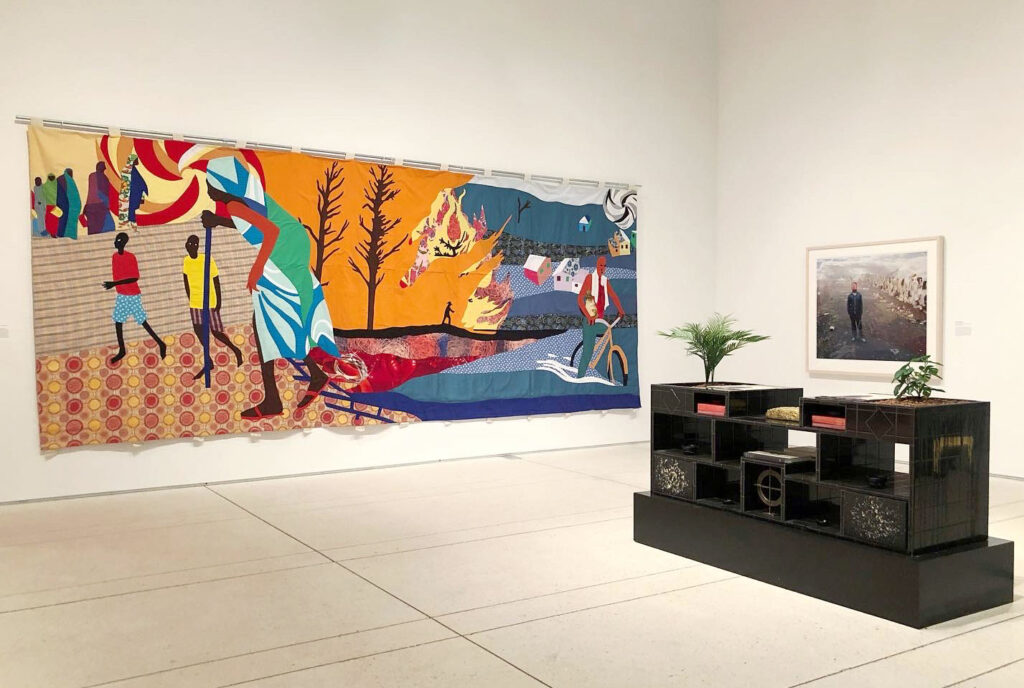
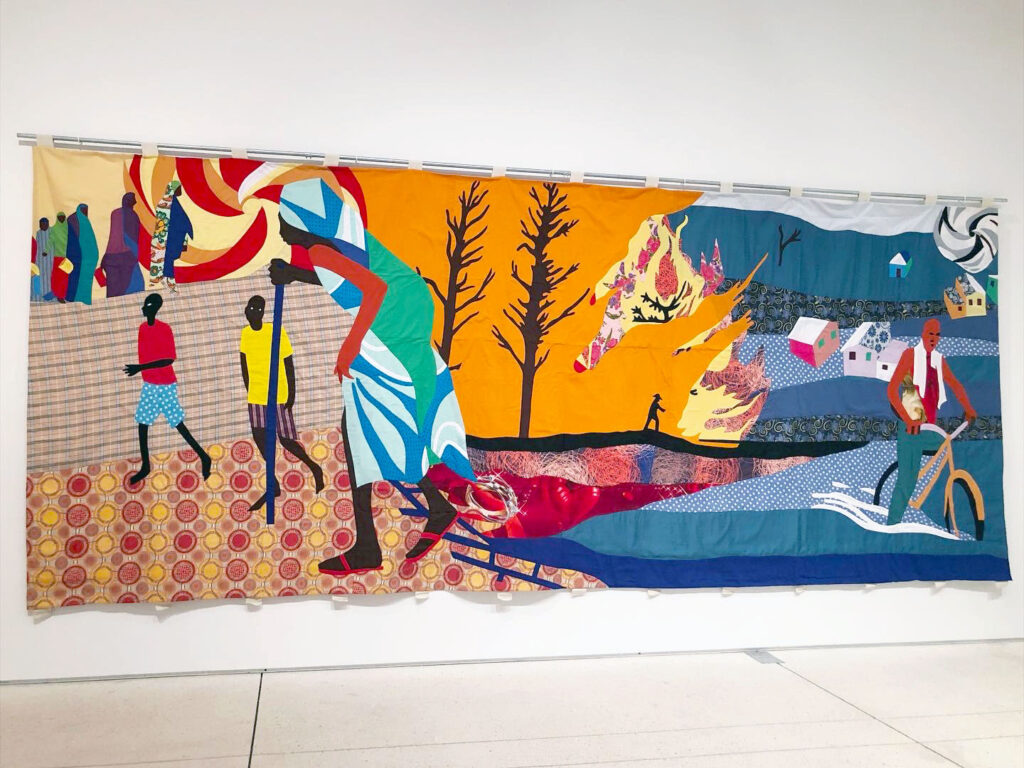
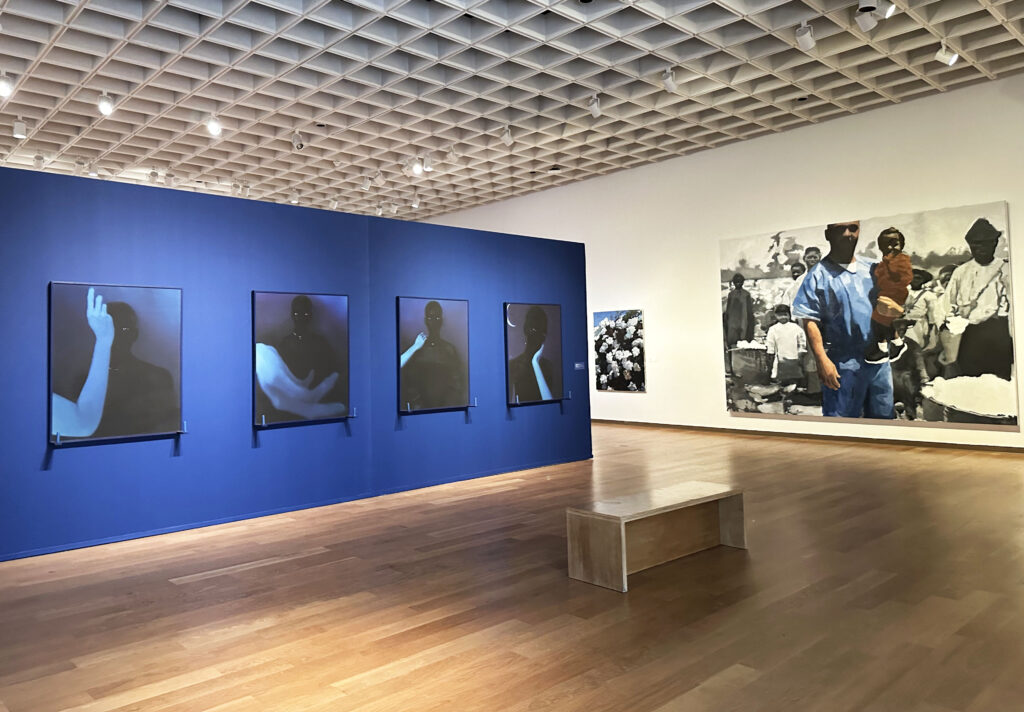
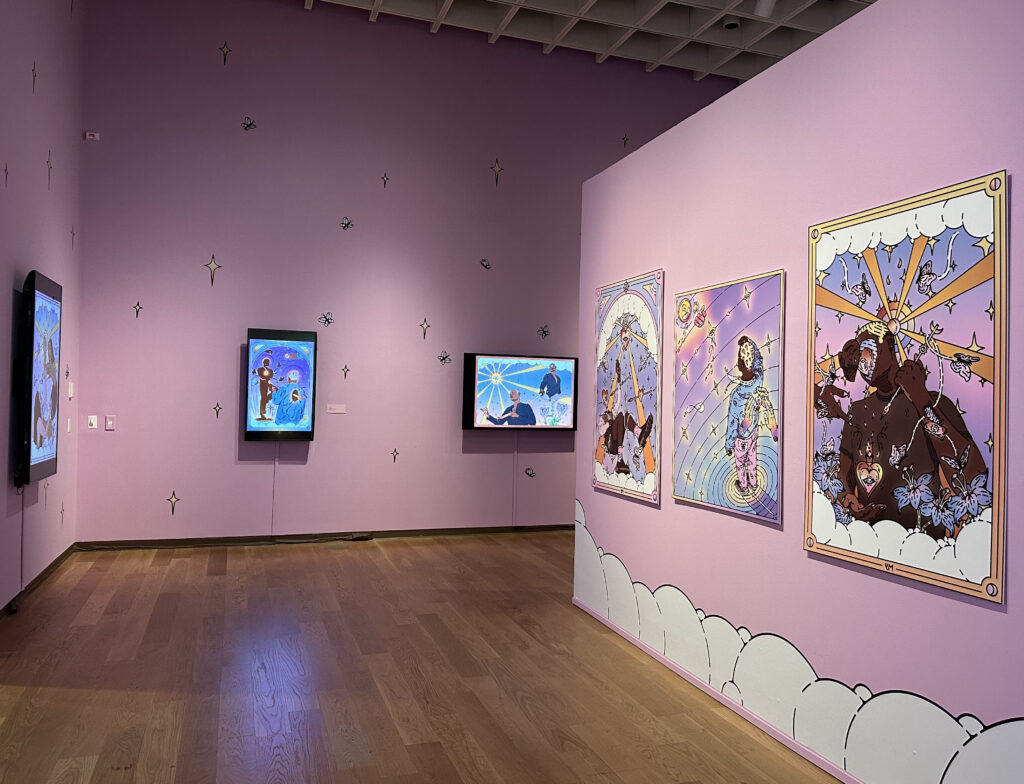
Work by Elliot and Erick Jiménez (photographs, left) and Reginald O’Neal (paintings, right)

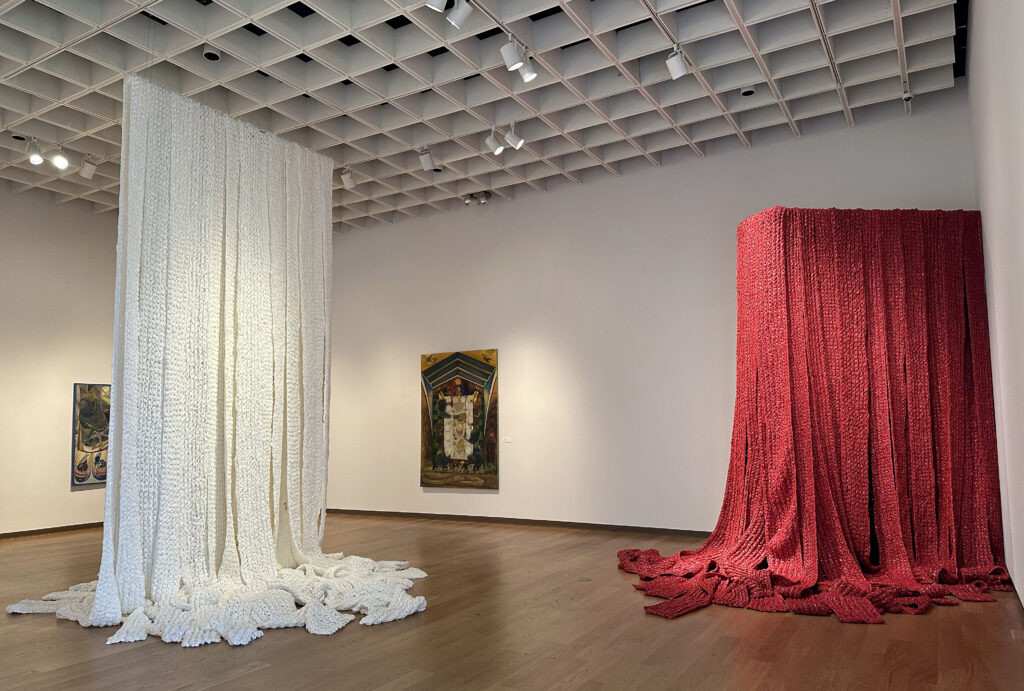
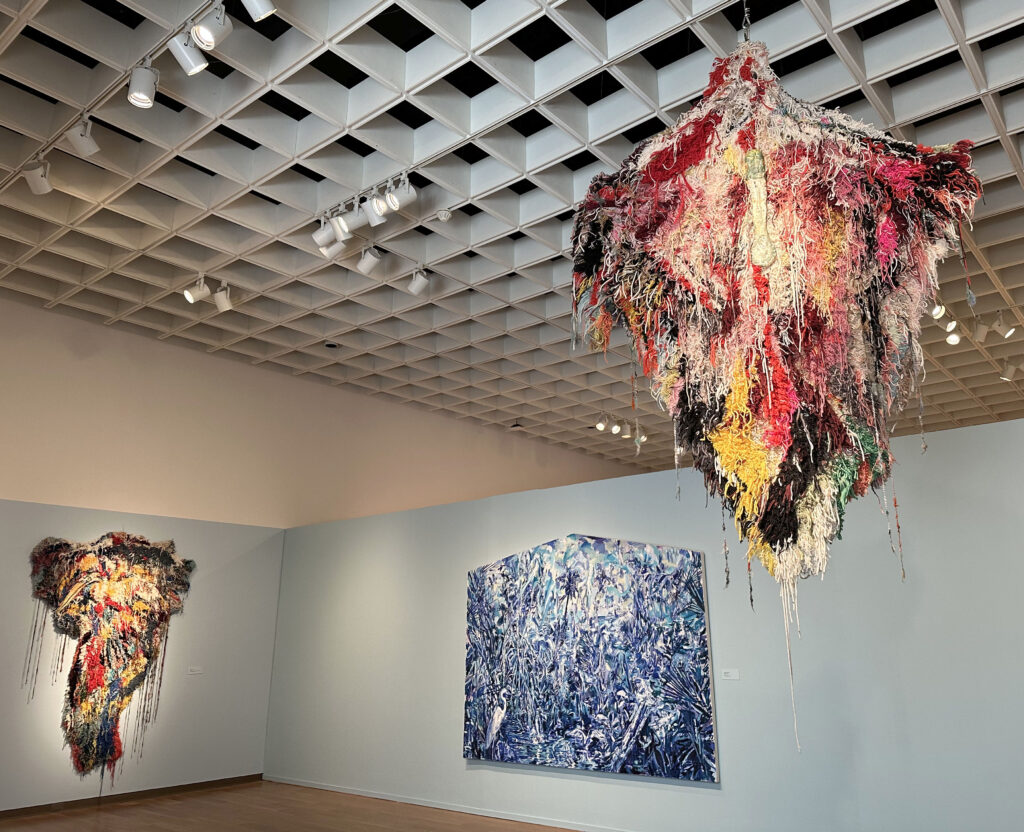
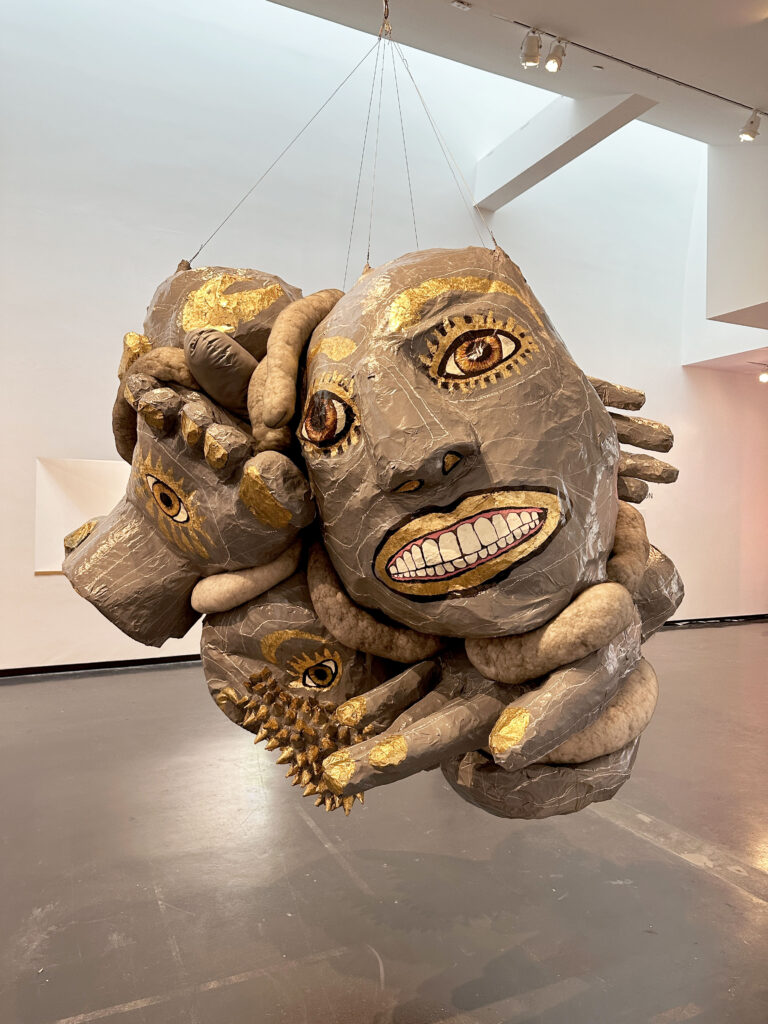
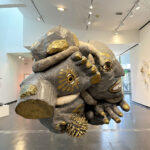
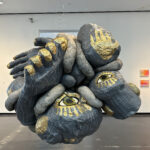
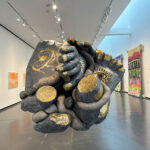
Sculptures by Akiko Kotani, Paintings by MJ Torrecampo

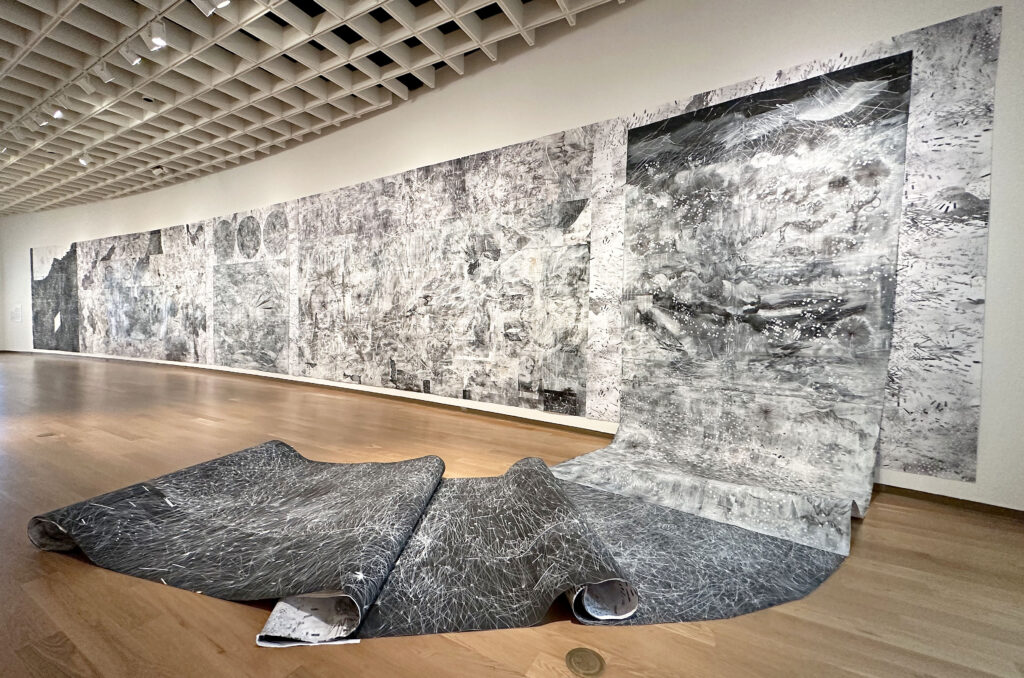
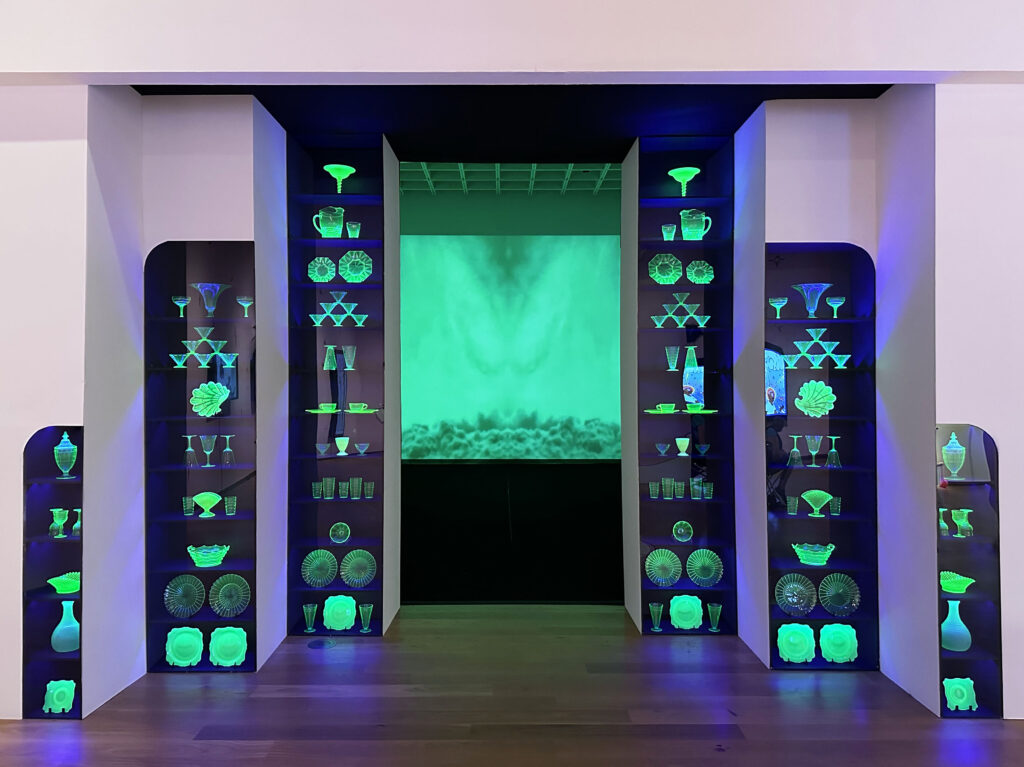
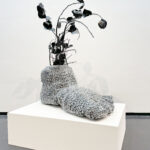
Work by Denise Treizman

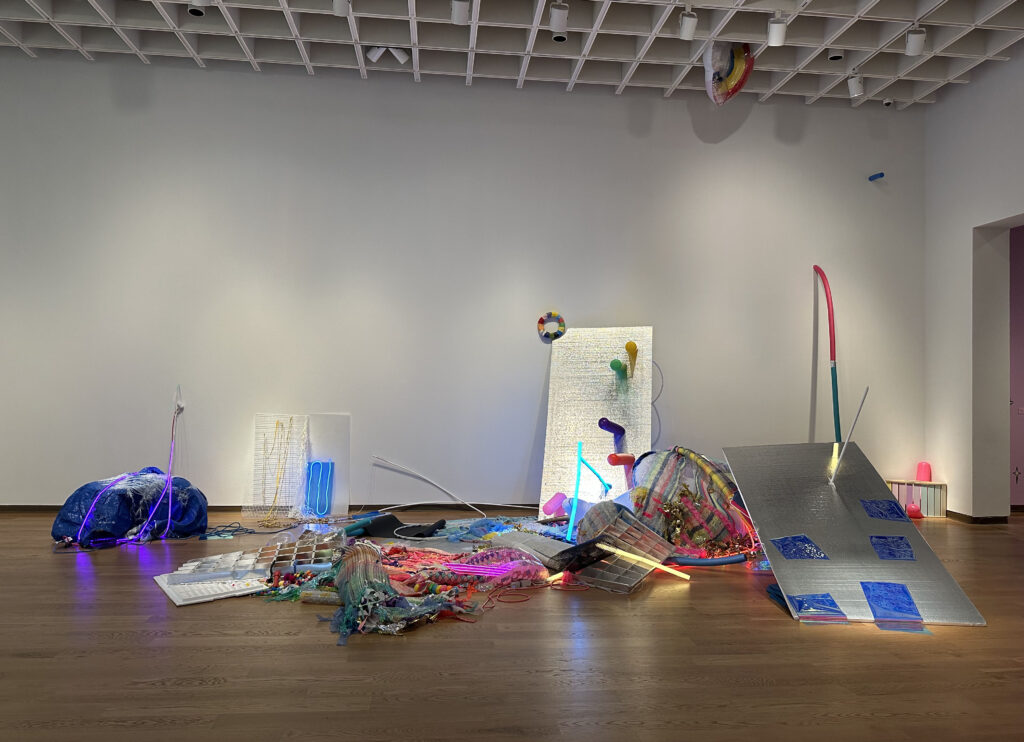
Work by Amy Schissel

Photography by Peggy Levison Nolan

Work by Magnus Sodamin

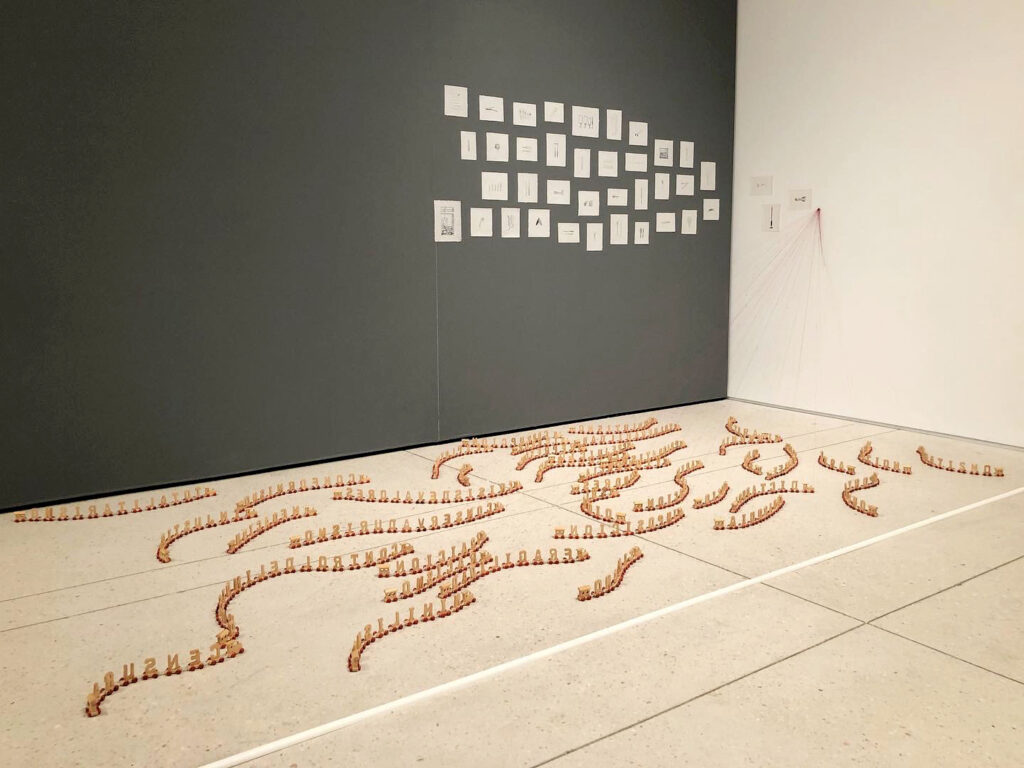
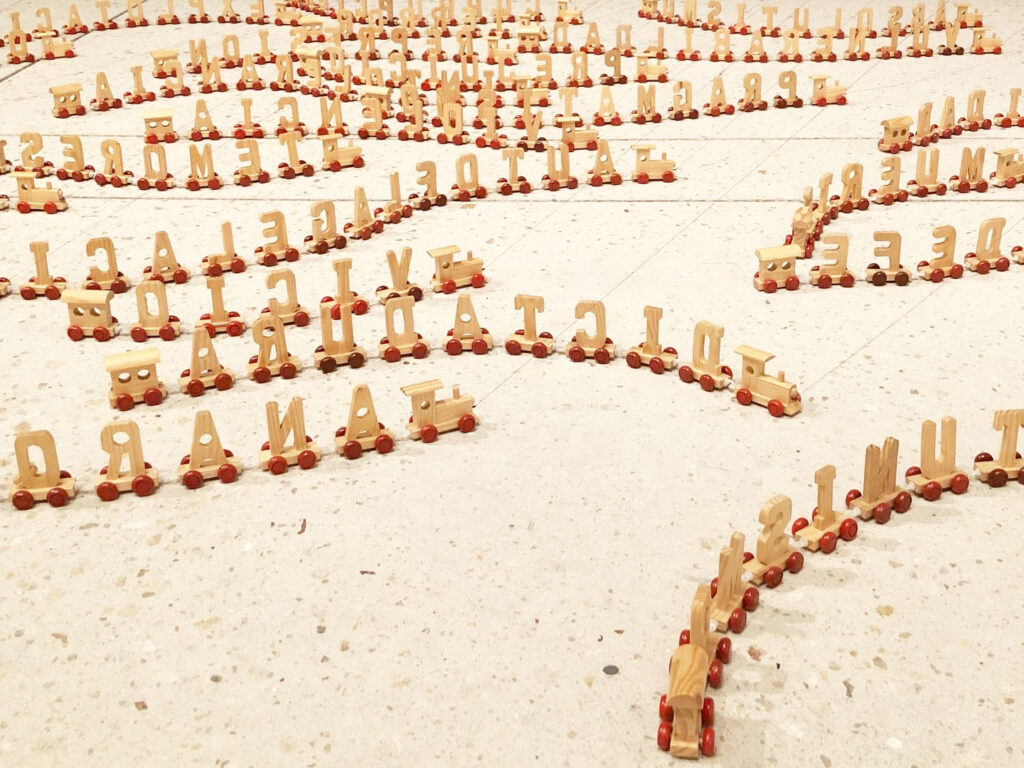
Work by Yosnier Miranda

Work by Cara Despain

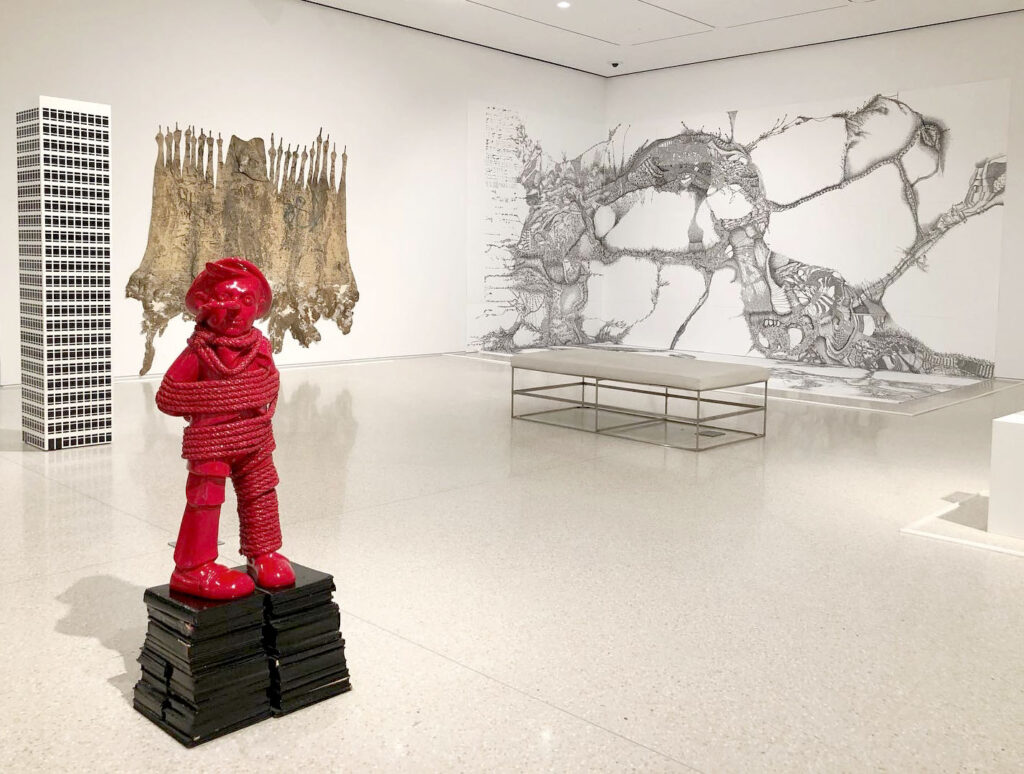
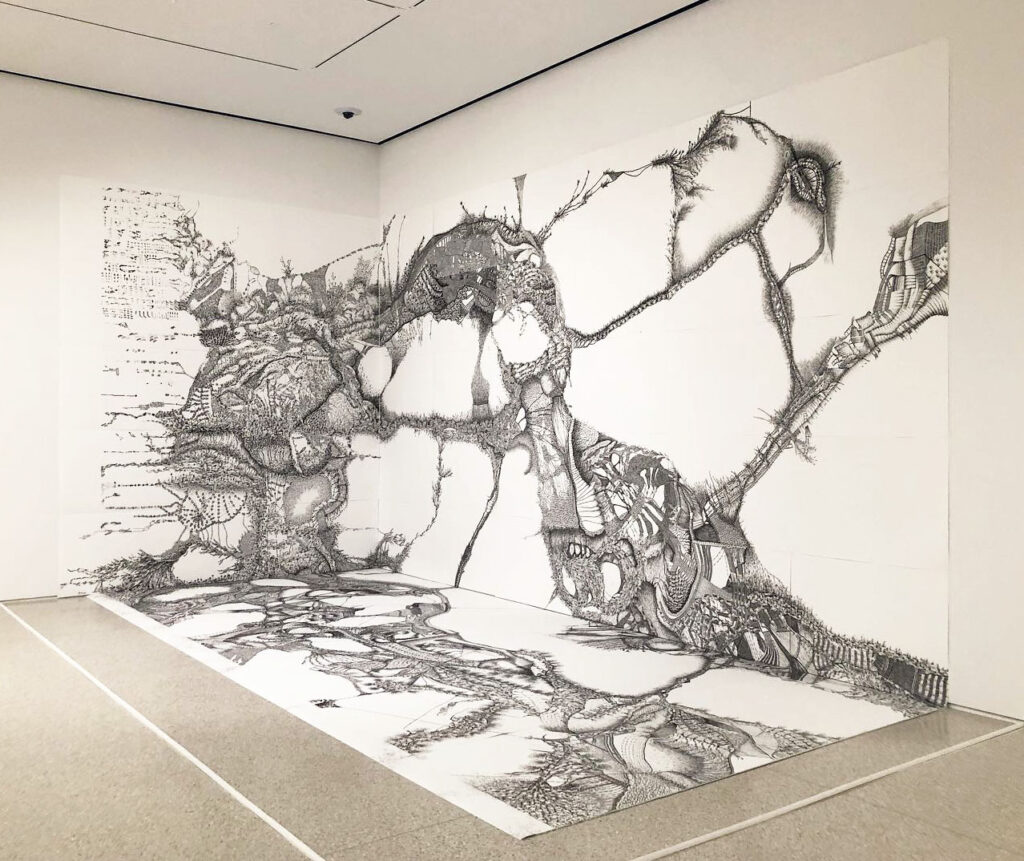
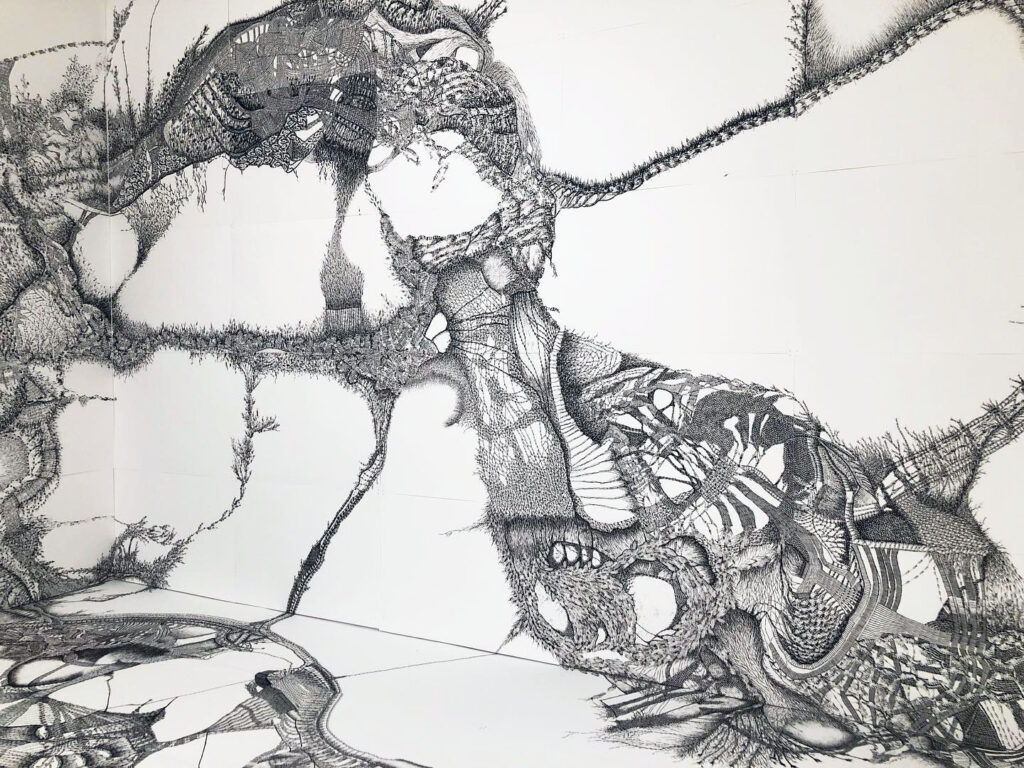
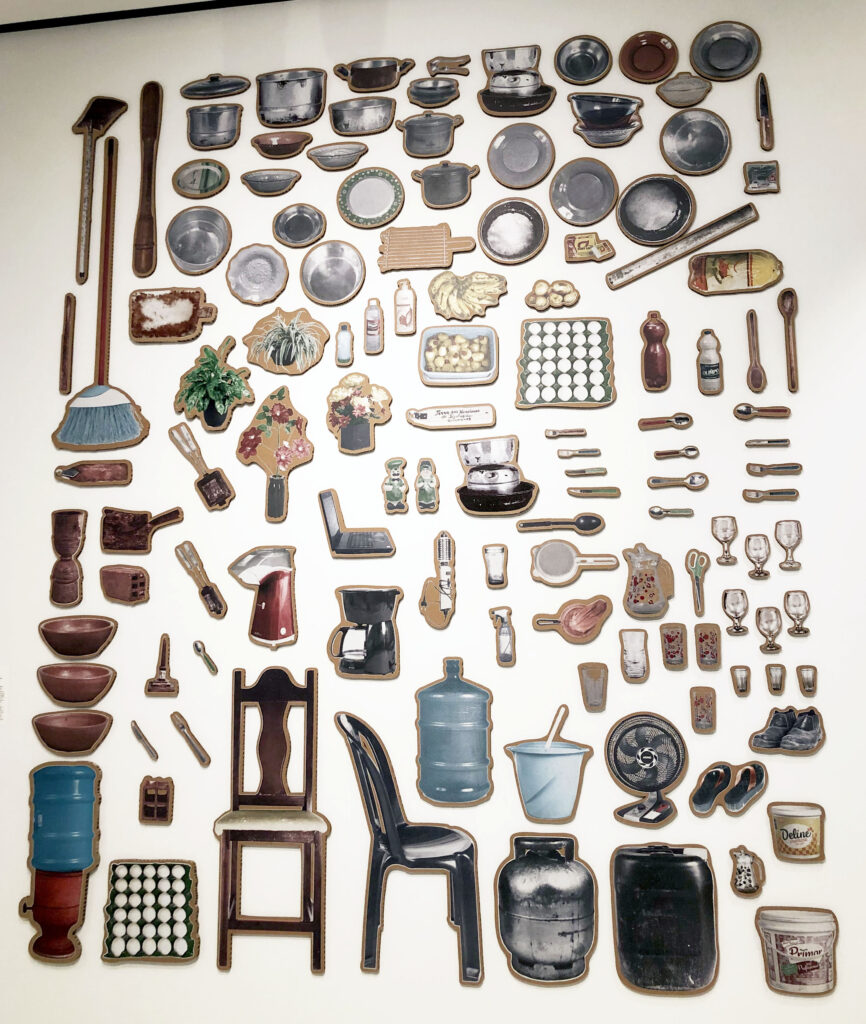
There is some really impressive work currently on view for the 2023 Florida Prize in Contemporary Art at Orlando Museum of Art.

From the museum site about the exhibition-

The Florida Prize in Contemporary Art is organized by the Orlando Museum of Art to bring new recognition to the most progressive artists in the State. Each year OMA’s curatorial team surveys artists working throughout the State before inviting ten to participate. One artist will receive a $20,000 award made possible with the generous support of local philanthropists Gail and Michael Winn.  Artists range from emerging to mid-career, often with distinguished records of exhibitions and awards that reflect recognition at national and international levels. In all cases, they are artists who are engaged in exploring significant ideas of art and culture in original and visually exciting ways.

This year’s artists are-

Denise Treizman (@denisetreizman )

MJ Torrecampo (@mjtorrecampo )

Akiko Kotani

Peggy Levison Nolan (@peggylevisonnolan )

Amy Schissel (@amyschissel )

Reginald O’Neal (@_reginaldoneal_ )

Elliot & Erick Jimenez – (@elliotanderick )

Cara Despain (@caradespain )

Yosnier Miranda (@occurrences)

Magnus Sodamin (@magnificentmagnus )

On the following pages below are more works by the above artists and detailed information on their work in the exhibition.

Aug 042023
 

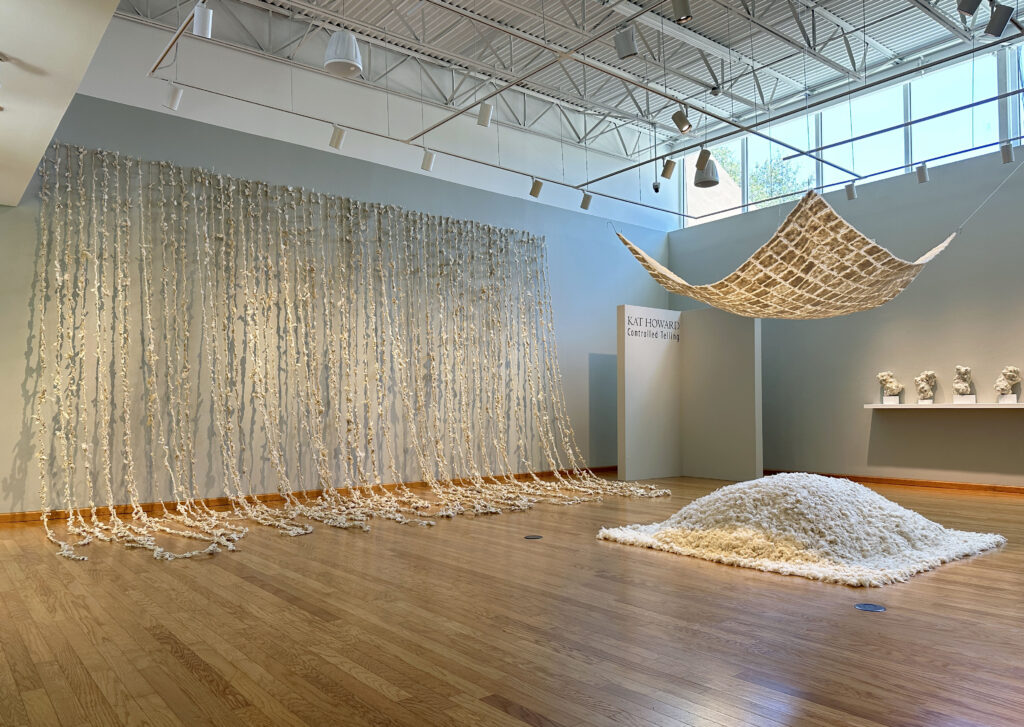
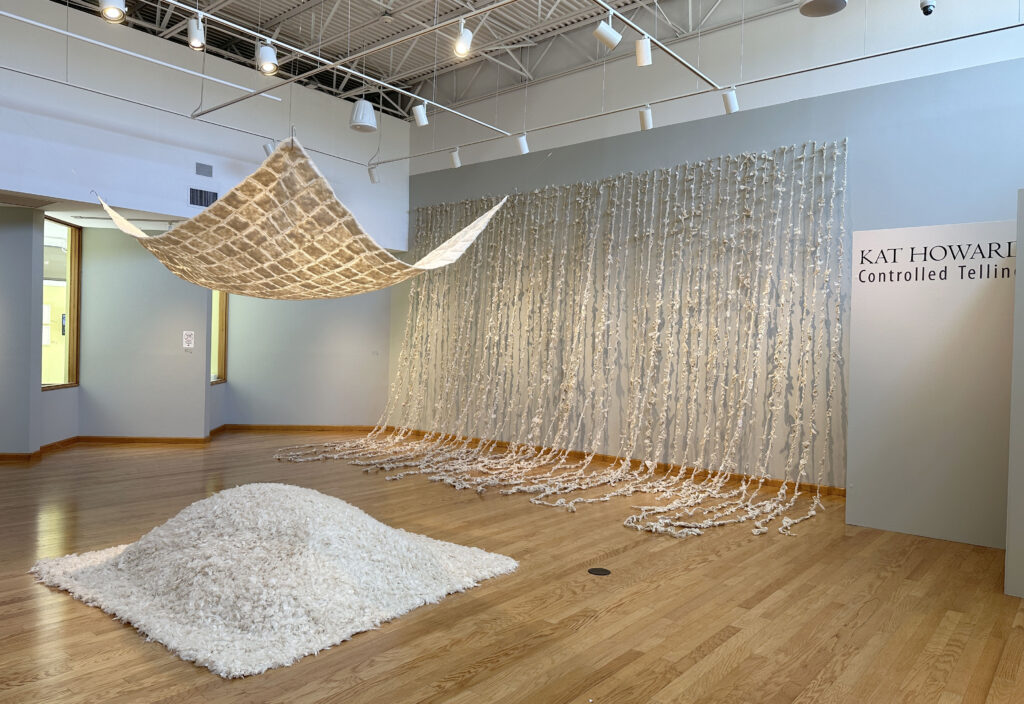
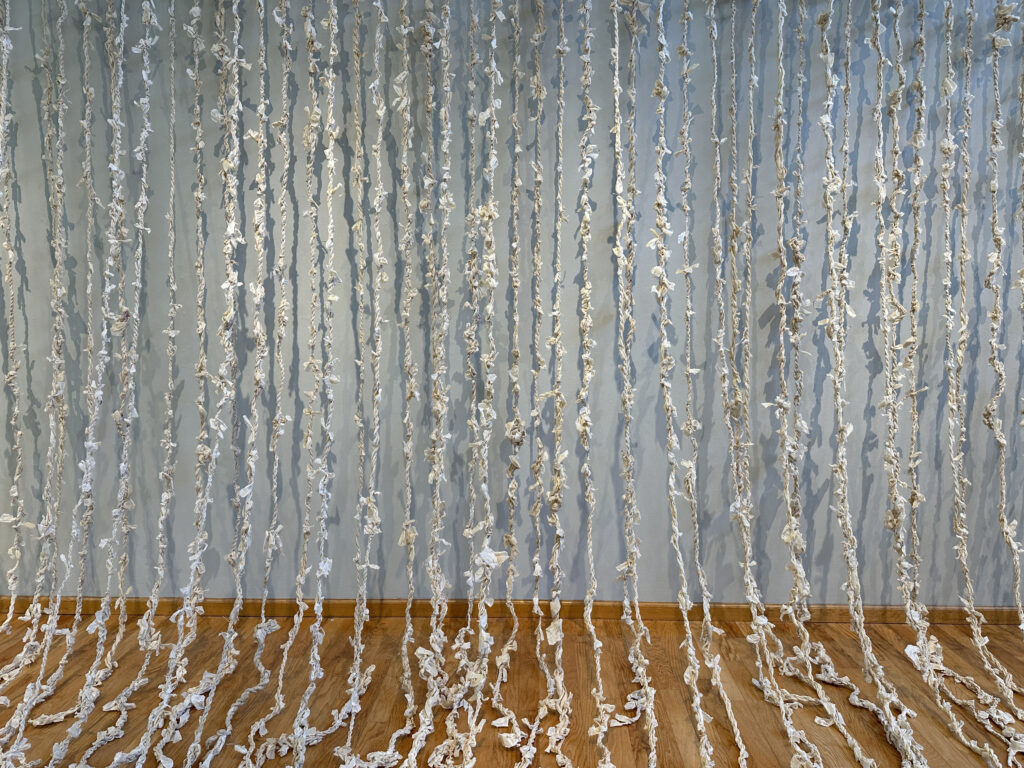
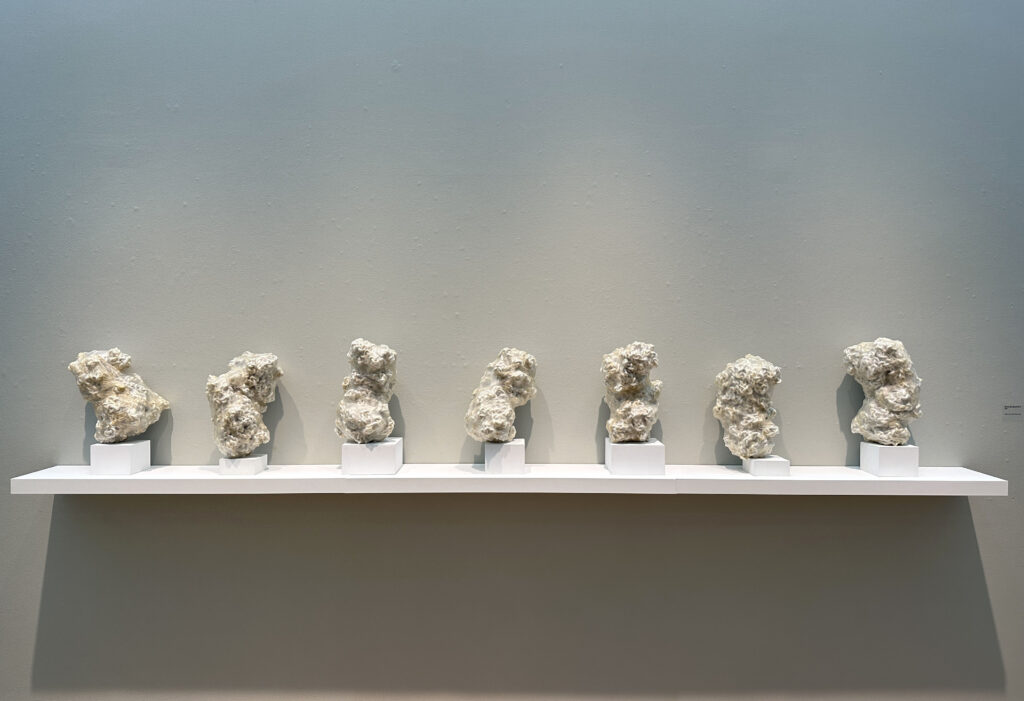
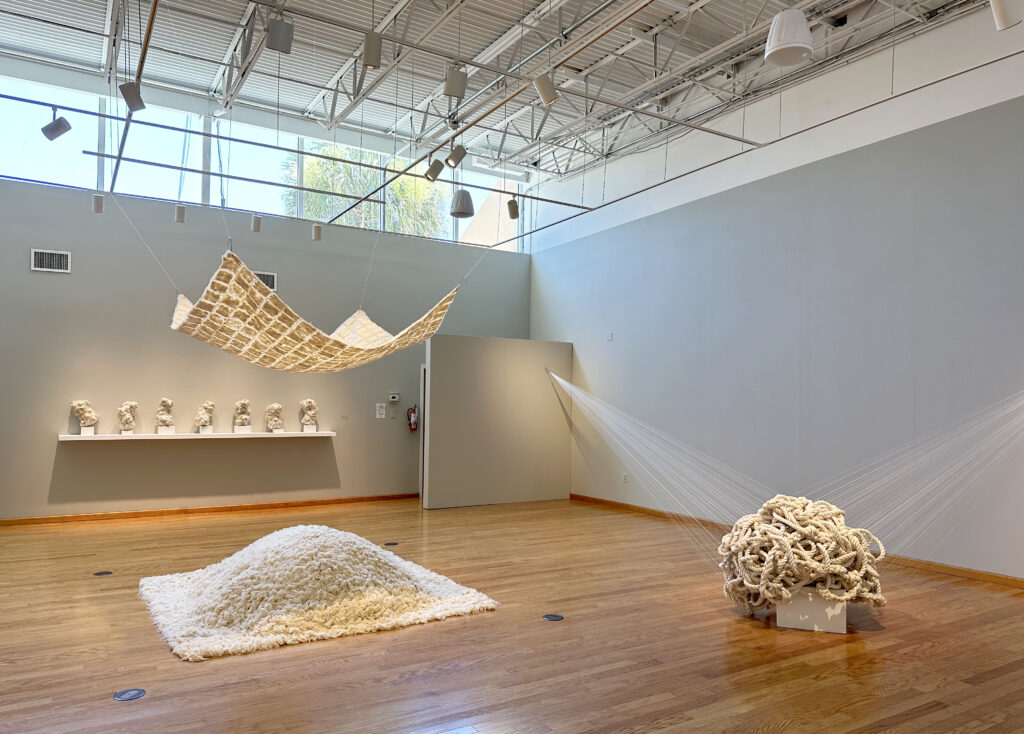
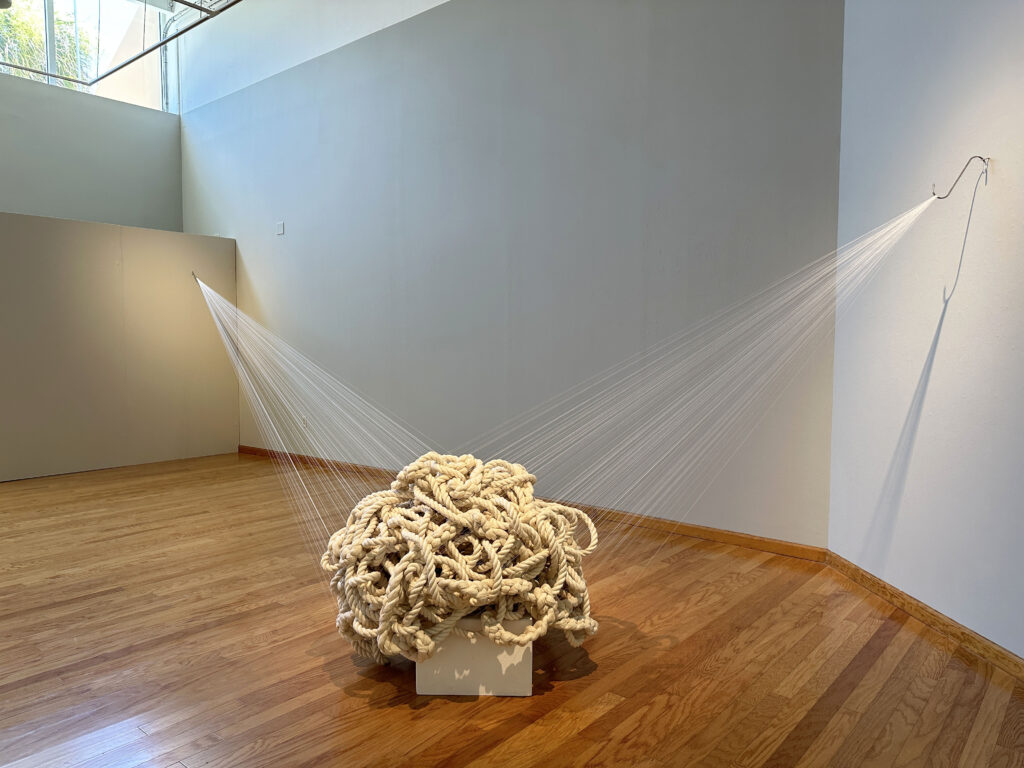
The sculptures above are from Kat Howard’s current exhibition Controlled Telling, at Dunedin Fine Art Center.

From the gallery about the work-

Kat Howard’s work interrogates the complicated process of healing from trauma. The sculptures in ‘Controlled Telling’ examines the burden and pressure to conceal the truth.

Existing as various restricted forms of cotton, bound braids, transparent quilts, compressed scraps of muslin, mound of raw material, or hand-twined waxed rope, the writhing abstracted bodily forms overwhelm and invade the viewer’s personal space, emulate the feeling of tension, imploring the viewer to navigate physically and emotionally around them.

Howard creates visual art that uses abstraction, the innate language of texture, and the repulsion/attraction of touch to interrogate her identity as a survivor of abuse and sexual violence. The material and texture of the object is integral to her practice, and its connection to the body. Evidence of the hand and the physical marks of the body are always present in her work. What happens to the body when it is forced to become a vessel for trauma? In what ways do we physically carry pain? How is the self altered afterwards?

Howard’s pieces either have a physicality to them that feels almost human, or they are twisted abstractions from the domestic landscape. Repetition and labor are vital aspects to the work. Through the labor, the anxiety tethered to a desire for freedom is palpable. The viewer can sense the thousands of hours, and the fevered precision which act as an echo of the madness in the mind that comes to claim the body. What does freedom look like? The answer is in taking up space. The answer is in speaking up. The answer is in the attempt.

This exhibition is on view until 8/13/23.

Aug 042023
 

There are so many wonderful, detailed art works in Hannah O’Hare Bennett’s current exhibition Recede, on view at Dunedin Fine Art Center. They are all worthy of a closer look.

Below is the artist’s statement about the work-

“From the moment we are born until we die, we are almost constantly in contact with cloth as we move through our lives. Without thinking about it, we are familiar with its varied qualities–the simplicity of white cotton, the luxury of silk velvet, the flexibility of knitting, the structure of weaving. We can see the impact of time in a piece of fabric: how it wrinkles, stains, takes repairs, unravels. Handmade paper is a kind of non-woven cloth and is in fact often made of recycled cotton or linen. It can be dyed, stitched, wrinkled, torn, and repaired much in the same way as fabric.

My work explores the expressive possibilities of these materials, which I use to deal with my fascination with time altered urban and rural landscapes. A piece of land in the Oregon outback, the brick wall of buildings in Madison, a leafy Minneapolis neighborhood, etc. are all impacted by the passing of time, actions of human beings, weather. These occurrences can be incremental or sudden, and the change they bring almost imperceptible or very radical, each change layering on top of what came before. I use that observation to inspire my work. Fabric surfaces are worked over with layers and layers of pigments, embellished with embroidery, dunked into dye, cut and torn. Paper pulp is poured, dipped, mixed with sawdust, painted, crumpled and smoothed out again. In this small human way, I am channeling the world into the objects I create.”

The exhibition closes 8/13/23.

Jul 252023
 

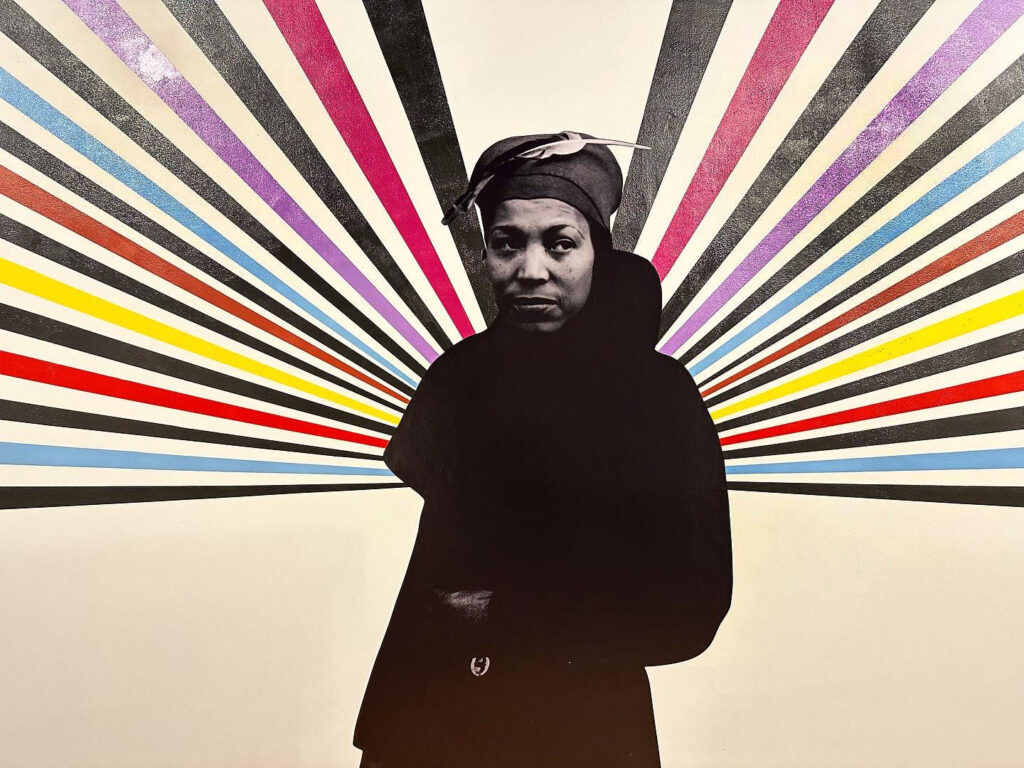
Currently at the University of Florida’s Contemporary Art Museum is Rico Gatson: Visible Time. The exhibition includes a collection of the artist’s paintings and works on paper, video works from 2001-present, and a life size mural of author Zora Neale Hurston.
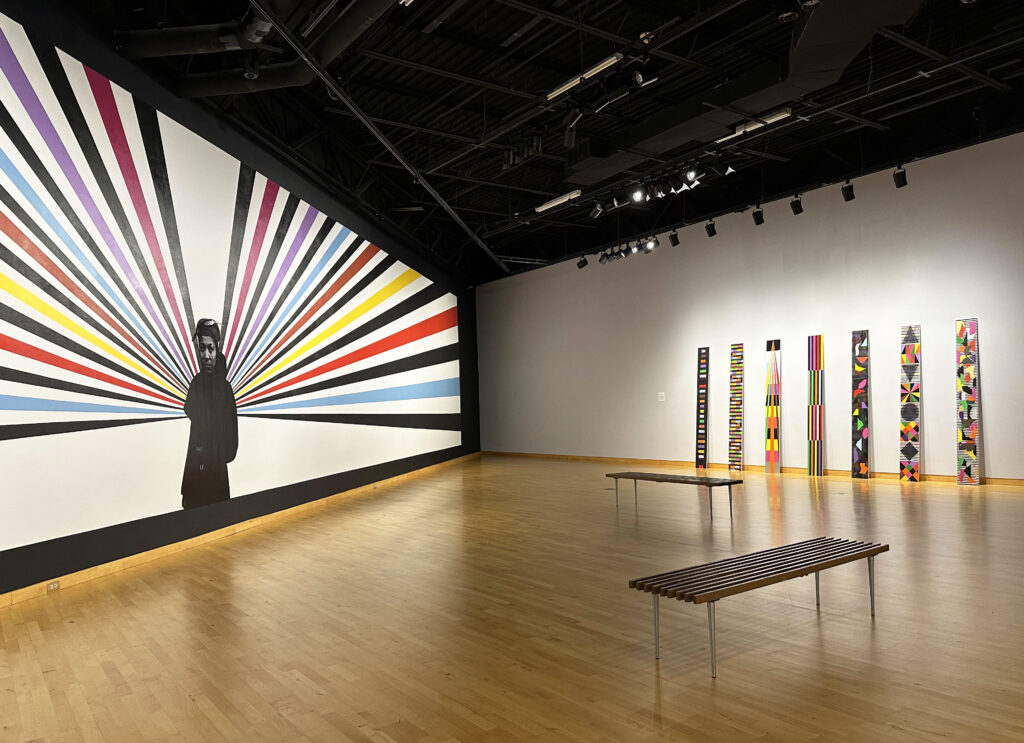
From the museum’s website about the exhibition-

For more than two decades, Brooklyn-based artist Rico Gatson has been celebrated for his vibrant, colorful, and layered artworks. Inspired by significant moments in African American history, identity politics and spirituality, his oeuvre includes images of protests and longstanding injustices—touching on subjects like the murder of Emmett Till, the Watts Riots, and the formation of the Black Panthers—as well as dynamic abstract geometries that celebrate Pan-Africanist aesthetics and Black cultural and political figures.

About the mural, Zora III, commissioned by the museum (pictured above)-

Zora Neale Hurston was an American author, anthropologist, and filmmaker. She portrayed racial struggles in the early-1900s American South and published research on hoodoo (a set of spiritual practices, traditions, and beliefs created by enslaved Africans in the Southern U.S.). The most popular of her four novels is Their Eyes Were Watching God, published in 1937. Born in Notasulga, Alabama, Hurston grew up near Orlando, in Eatonville, Florida, incorporated in 1887 as one of the first self-governing all-black municipalities in the country. Despite her landmark achievements, Hurston died penniless and in obscurity in 1960-her novels and other writings largely unknown, until they were single-handedly rescued by novelist Alice Walker in 1975. Through his wall painting Rico Gatson extends the monumental impact of Hurston’s legacy-and Walker’s- into a visual arena reminiscent of the Mexican Muralists and hand-painted cinema signs.

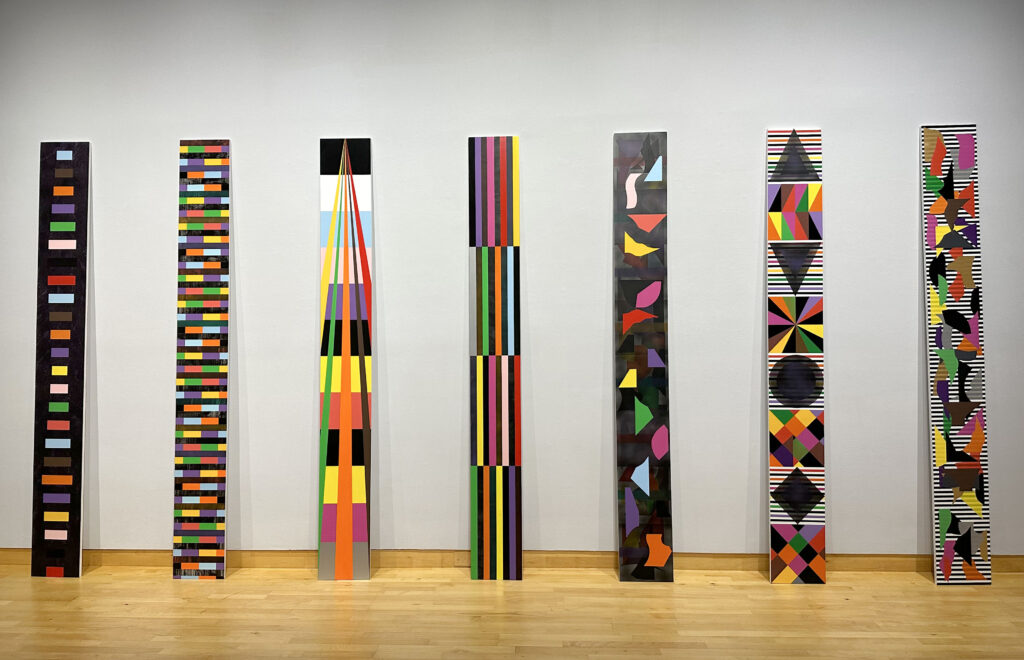
“Untitled (Seven Panels)”, 2022 acrylic paint on wood, in seven parts

From the museum’s wall plaque about the above paintings-

According to catalog contributor Mark Fredricks, Rico Gatson’s “panel paintings” resemble “a musical framework.” Arranged together along a single wall, the “rhythm” animating their colorful compositions and their “uniformity of structure” suggest, anthropomorphically speaking, musicians in a jazz combo. One of the many ways in which Gatson draws on music as a lasting influence in his art, his seven panels approximate what legendary jazz player Albert Ayler described as “the healing force of the universe,” but in three dimensions.

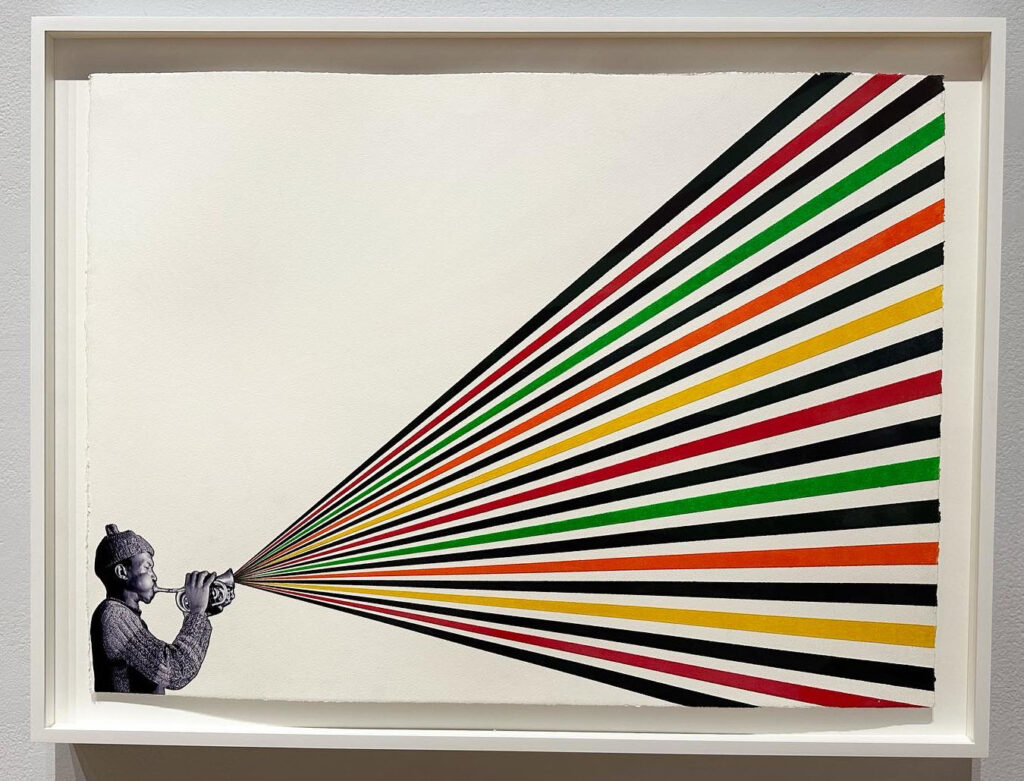
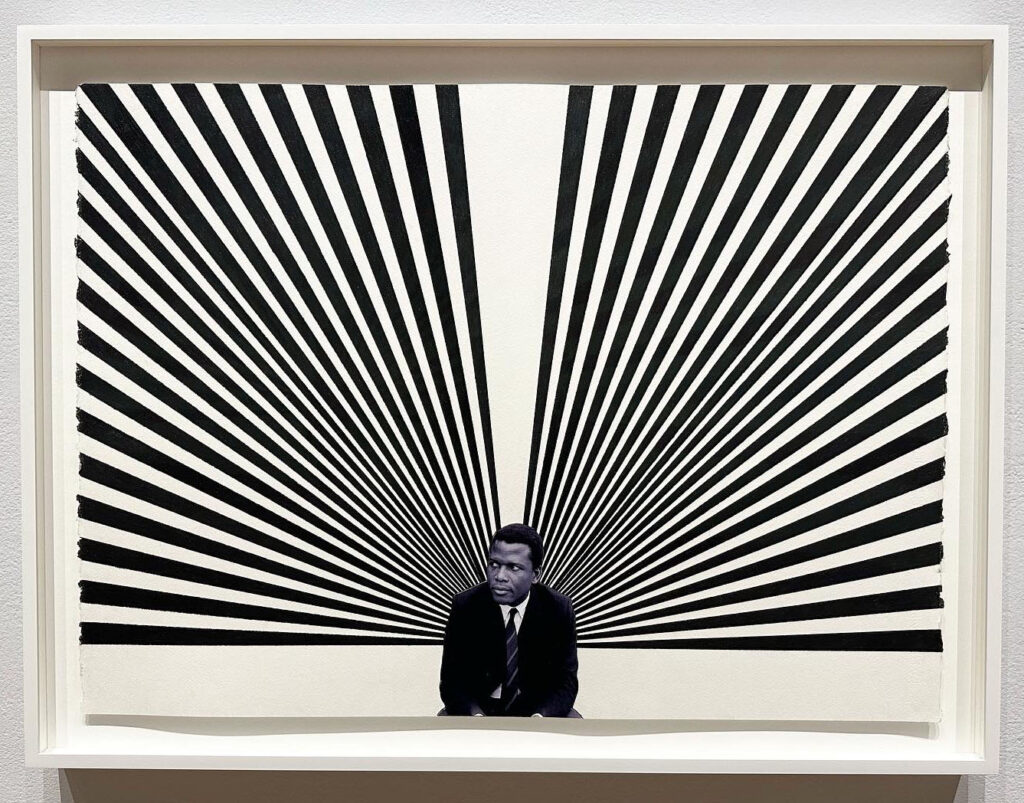
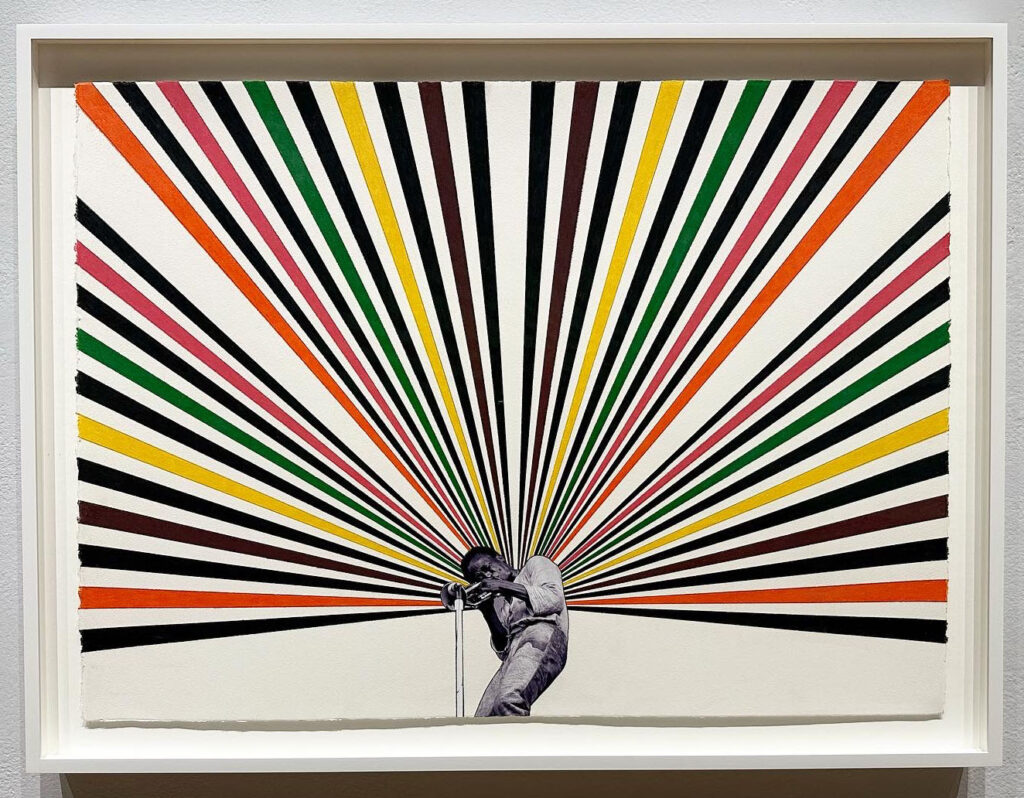
“Don” 2022, Color pencil and photo-collage on paper

“Sidney” 2022, Color pencil and photo-collage on paper

“Miles #2″ 2022, Color pencil and photo-collage on paper

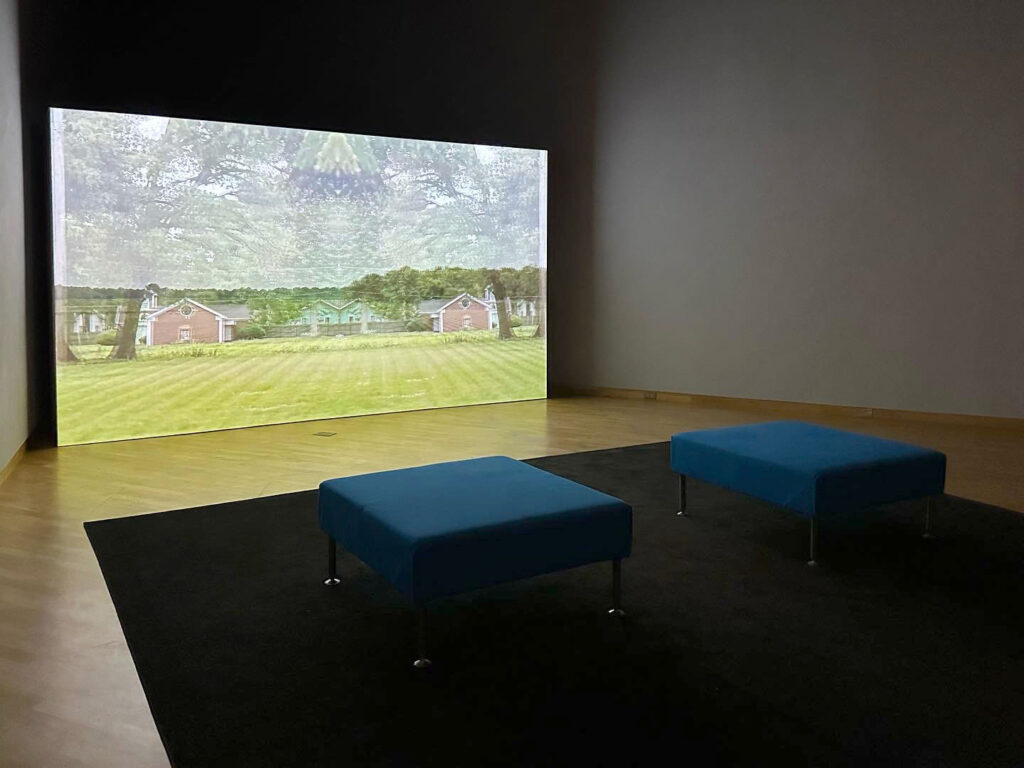
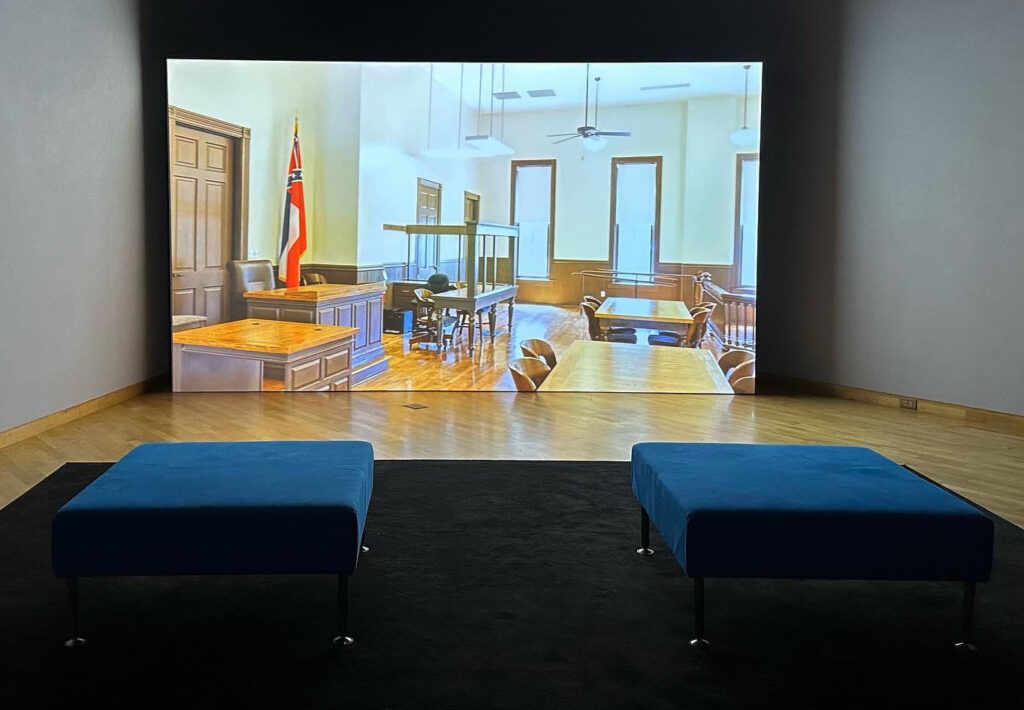
Below are images are from Four Stations, one of the five moving image works in the exhibition. For this work, Gatson traveled to Money, Mississippi and took handheld footage along the trail of places and events that led to the lynching of 14-year-old Emmett Till.

“Four Stations” 2017

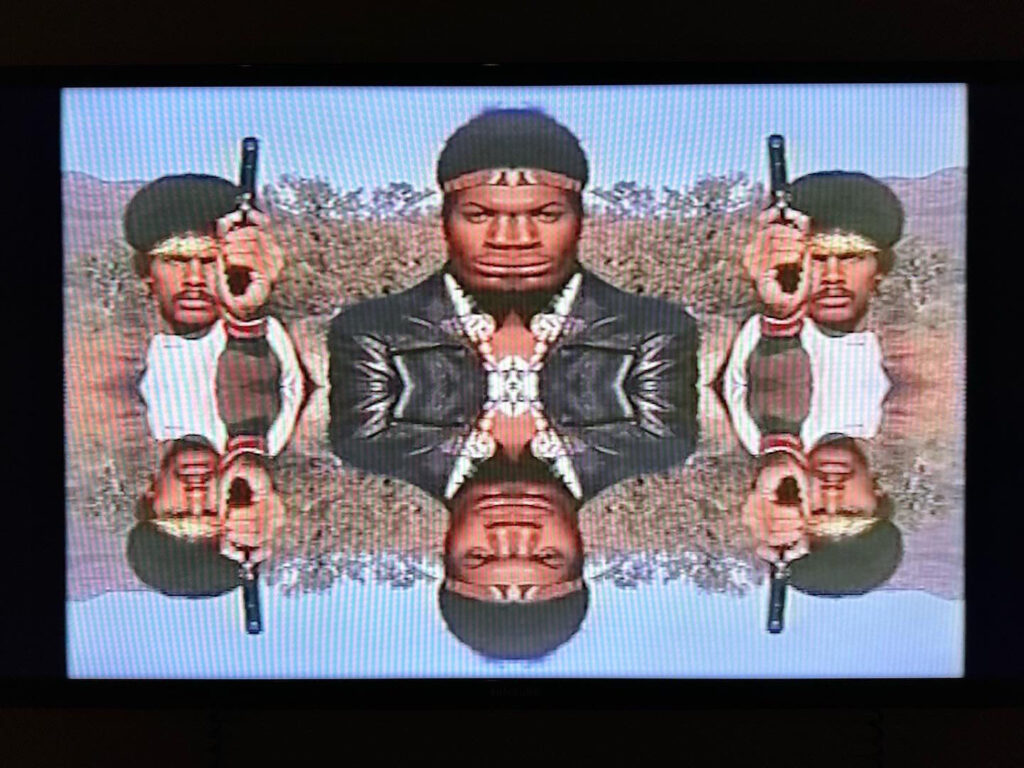
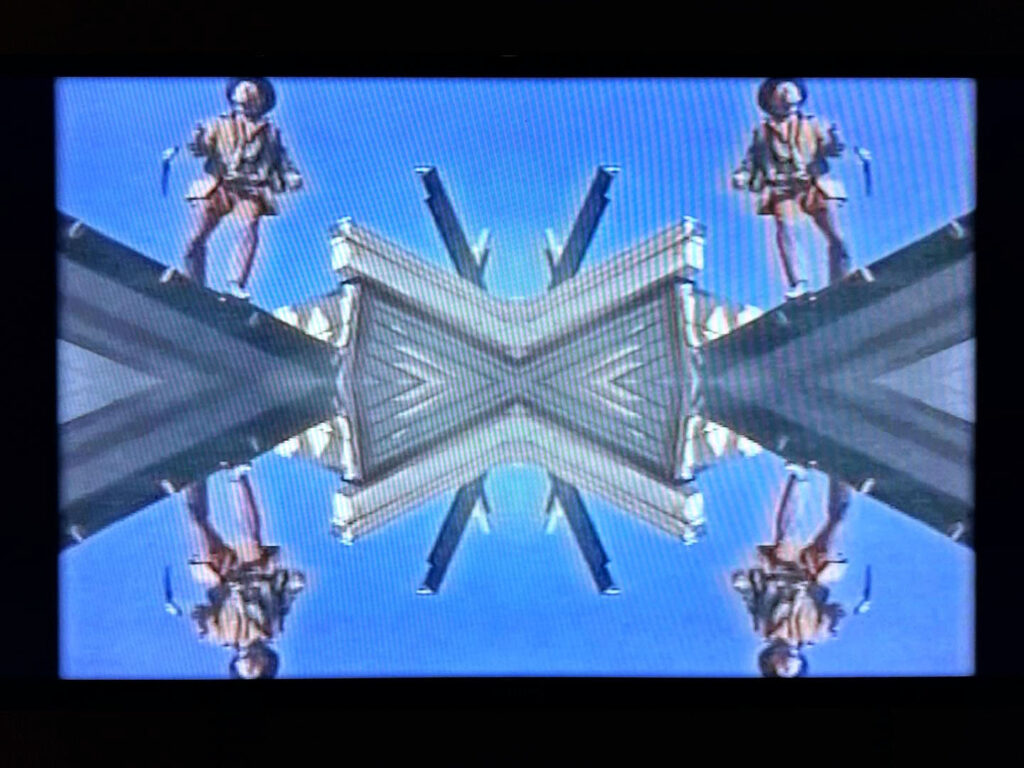
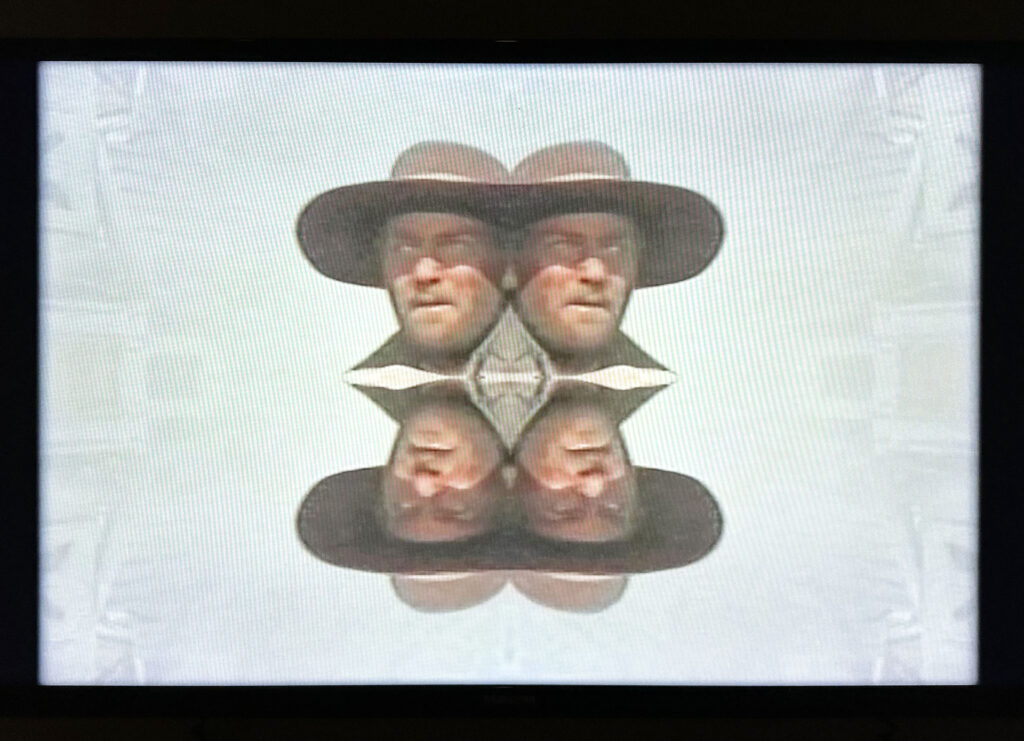
On one of the smaller screens is Gun Play, 2001, a film collage that mixes sequences from Foxy Brown and The Good, the Band and the Ugly, combining them together with kaleidoscopic effects.

“Gun Play”, 2001, single-channel video, color, sound

This Thursday 7/27/23, the museum will be showing Spike Lee’s Do the Right Thing, the last of the three films chosen by Gatson to accompany the exhibition.

The exhibition will close on Saturday, 7/29.

Jul 212023
 

“Precarious recline”, 2015, Found lawn chairs, strap, bottle

This sculpture, Precarious recline, is from Bjorn Copeland’s 2015 exhibition Over Easy at Various Small Fires Los Angeles. It was created using discarded furniture found around East Los Angeles.

The exhibition also included a sound sculpture, Scrambled Eggs, Mexican Radio Edit (2015).  It was made in collaboration with the artist’s Black Dice band mates Eric Copeland and Aaron Warren, and combined signals from multiple car radios in an unpredictable and erratic disharmony. The resulting composition was synthesized in real-time and constantly changing.

The video below is for White Sugar, from Black Dice’s 2021 album Mod Prog Sic.

Jul 212023
 

“You’re Fired”, 2015, Concrete, grill, shredded office documents, charcoal

This sculpture by Josh Kline was located in the Various Small Fires Los Angeles courtyard in 2015.

From the press release-

In the warm breeze of Southern California’s endless summer, the 20th Century dream of life in the early evening after work: a large backyard covered in concrete and grass, a hammock or a lawn chair, cold beer, and a blazing grill. Ground meat sizzling above a glowing bed of charcoal soaked in lighter fluid. Underneath the avocado tree. Or the oak tree. Or the whatever tree. Putting the last 8-10 hours of your day out of your mind and enjoying your “free” time. A nuclear family fantasy repeated across hundreds of millions of suburban and semi-suburban homes and half a century of North American lives.

Pattern recognition is the primordial ooze from out of which living consciousness and intelligence crawled into the minds of animals. The ability to recognize repetitive relationships and recurring phenomena. The habits of food, the faces of your loved ones, and the sounds of human language. From automobile factory assembly line and the discount drug store cash register today to the taxi cab’s driver seat and patent lawyer’s office tomorrow: unconscious software is slowly and not-so- slowly aping the abilities of the living mind.

Reading without eyes. Recognizing without consciousness. The outsourcing of understanding. You’re Fired!

The first U.S. museum survey of his work, Josh Kline: Project for a New American Century, is currently on view at the Whitney Museum in NYC.


Jul 142023
 

The 2023 Emerging Artist Exhibition in Creative Pinellas’ gallery space highlights work from the ten Pinellas County artists chosen by the organization for this year’s Emerging Artist Grant.

Above are sculptures by Amy Wolf. She has written several articles for the Creative Pinellas website which give some insight into her work and are worth a read.


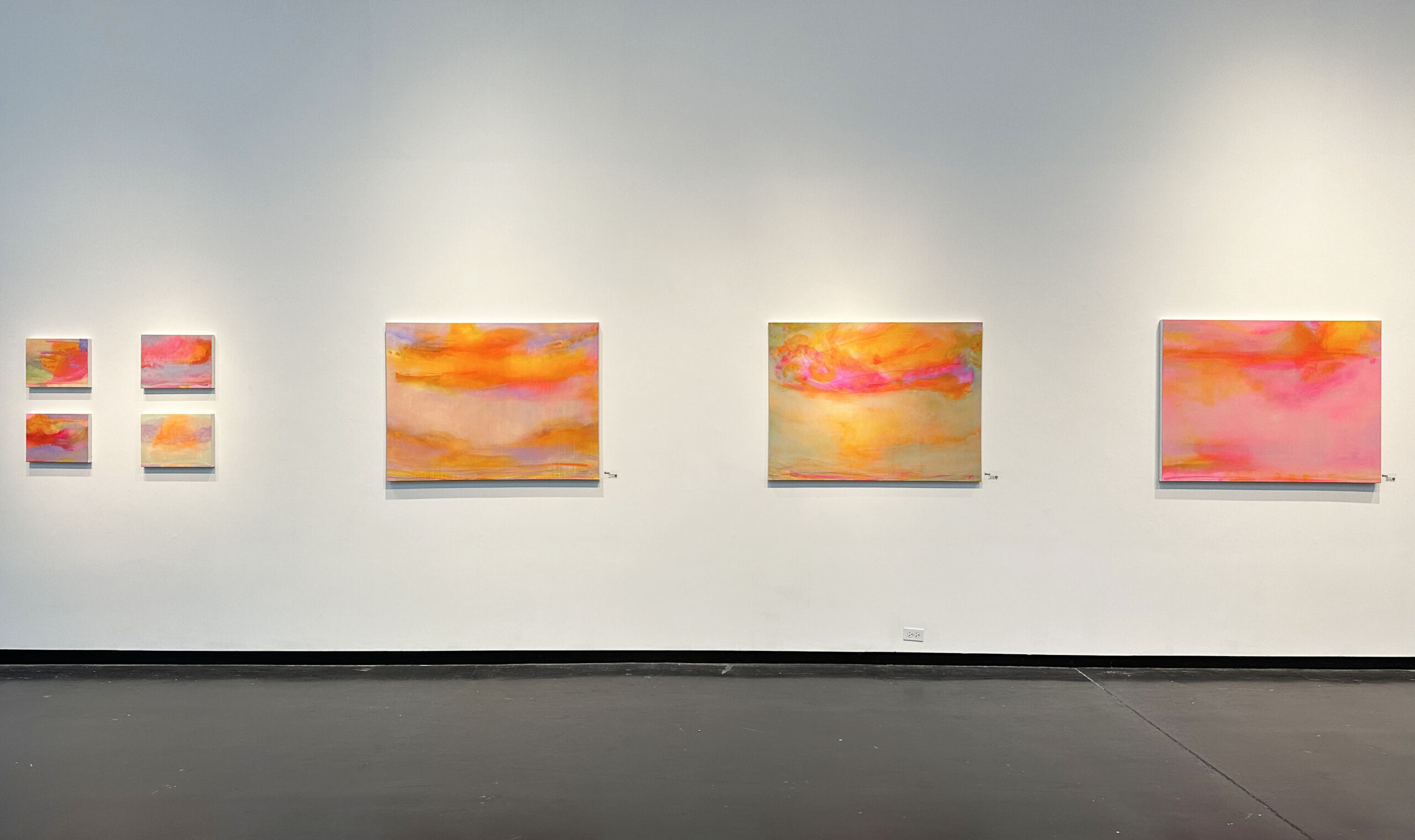
According to artist Kimberly Engel, the paintings above “explore vibrant color interaction while inviting viewers to meditate on an illusive horizon line where sky meets water.”

From the Creative Pinellas website-

Kimberly Engel is a contemporary abstract painter who lives and works in Clearwater, Florida. Her distinct gestural style combines a love for color interaction with spontaneous mark making. Engel’s paintings explore levels of transparency, evoking depth and light. She is inspired by the constant presence and changing states of large bodies of water. She has lived on the shore of Lake Erie in Euclid, Ohio prior to moving to the Gulf Coast.

Engel describes her process as an exploration of herself and ultimately the dissolving of herself mirrored in the process of making and deconstructing works. Her gestural marks have been described as both compulsive and somewhat calligraphic. They undulate and disappear under thin veils of color.

Also check out her Instagram.

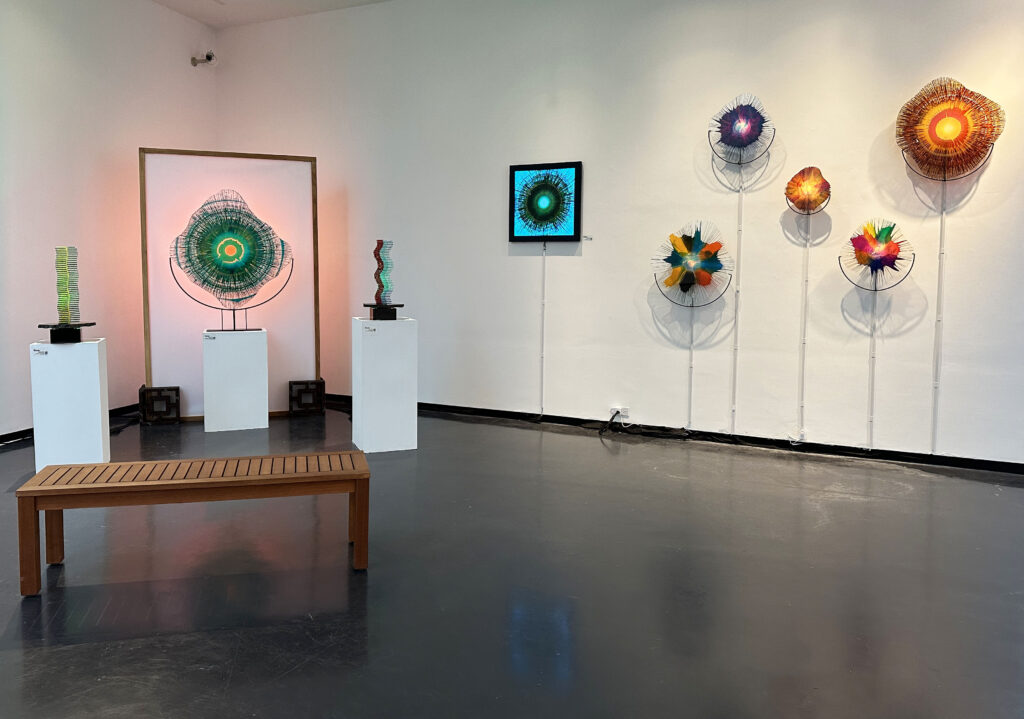
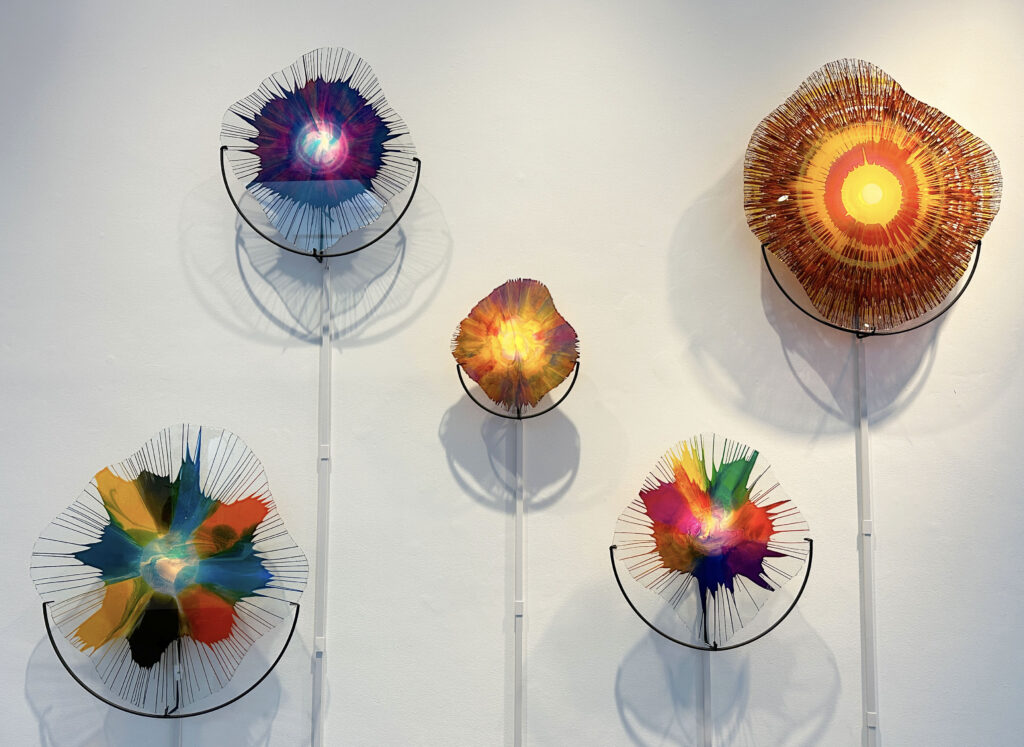
Denis DeBon created the unique glass works seen above.

His biography from the gallery website-

Dennis DeBon is the creator of EnergyWebs, which are one-of-a-kind works of modern glass art. He is often been compared to artist Jackson Pollock. Like Pollack, Dennis uses simple artistic techniques and has combined reverse painting on glass with spin art and taken both to a whole new level.

Each EnergyWeb is cut from a large sheet of plate glass, then free-style hand-cut into shape, scalloped, polished then spun. Dennis uses a multitude of application techniques and color combinations when creating each piece before firing and hand-signing them.

Every EnergyWeb is a unique, one-of-a-kind work of modern glass art and he is the only artist in the world creating them.

In addition to selling his artwork at fine art festivals across the country, Dennis was commissioned as the artist to create the Richard Dawkins Awards. In addition, his past creations have been presented to James “The Amazing” Randi, Carl Sagan’s widow, Ann Druyan,  and the Zora Neale Hurston and the Koi Society of America award winners.

Dennis was born and raised in Buffalo, New York and attended the Rochester Institute of Technology in Rochester, New York, where he studied photography and graphic design.

He now lives in Saint Petersburg, Florida and when he isn’t creating art, you might find him writing screenplays or in the boxing ring . . . working as a professional boxing referee.

For more of the artists in the exhibition, head to the pages below.

Jun 232023


Closing tomorrow, 6/24, is Cross Communication, an exhibition of Chris Burden’s relics, films, video works, and other materials that document his early performances at Gagosian’s 75th and Park location in NYC.

Walking into the gallery and hearing one of his TV commercials in which he reads off the names of famous artists followed by his own name (Chris Burden Promo (1976)), is a humorous introduction to Burden’s often audacious work. Poem for LA from 1975, which follows with the messages- “SCIENCE HAS FAILED”, “HEAT IS LIFE” and “TIME KILLS” still resonates today.

Check out the video below to see the commercials and hear Burden discuss the work.

Other videos included have him crawling across glass; lying between two sheets of glass that are on set on fire (Icarus); and one of his most infamous- being shot in the arm (Shoot, 1971). The less outrageous works are great too, including Disappearing (1971), pictured above.

For more on the artist, the excellent documentary Burden, by Richard Dewey and Timothy Marrinan, follows his career from these earlier works to the large scale sculptures like Metropolis II and Urban Light that came later. Both of these installations are on view in Los Angeles at LACMA.

Jun 222023
 

“When I Was Young”, 1995

“Here I Am/Estoy Aquí”, 2022

Two works from Joey Terrill: Cut and Paste, a solo exhibition at Ortuzar Projects in NYC this past February.

From the gallery’s press release-

Raised in Highland Park and East Los Angeles, Terrill was part of a small group of Chicano artists who in the 1970s and 80s created works that diverged from traditional Chicano-based imagery and subject matter to include visual representations reflecting his queer lived experiences. Utilizing the existing image culture that surrounded him, Terrill combines personal photographs, found pop cultural imagery, and reproductions of artworks by queer predecessors, including Diane Arbus, Robert Mapplethorpe and Wilhelm von Gloeden, to conjure utopic spaces. Spanning from his earliest explorations to substantial new works, Cut and Paste reveals collage as a foundational element to Terrill’s expanded artistic practice.

Beginning with abstract collages and silkscreens made while Terrill was an undergraduate at Immaculate Heart College—an art department still heavily influenced by the graphic artist and activist Sister Corita Kent—the exhibition draws out the interconnectivity of illustration, collage, and printmaking in Terrill’s work and their influence upon the characteristically flat style of his early paintings. Like many artists who came of age in the wake of Pop, he found refuge within the fantasies of American image culture–his earliest artworks covering his bedroom walls, which he transformed with a mix of drawings, photographs, and clippings of comic books, film starlets, and music icons. His silkscreens from the mid-1970s–a medium central to the larger Chicano art movement–find him applying a graphic sensibility to not only representations of brown bodies, but queer desire, an impulse he would continue to explore in his episodic Homeboy Beautiful proto-zines from the end of the decade.

Terrill was selected to be one of the artists in Hammer Museum’s 2023 biennial, Made in L.A., which will open this October. He also has a work in the current exhibition at the museum- Together in Time: Selections from the Hammer Contemporary Collection running until 8/20/23.