Mar 182024
 

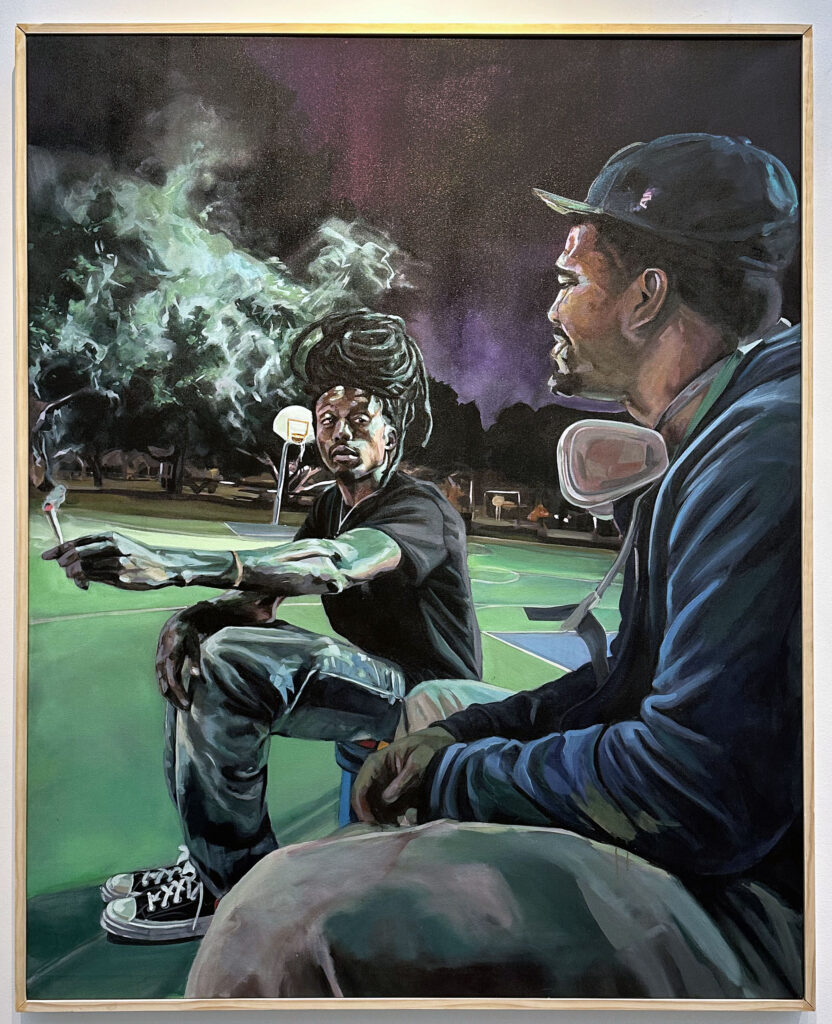
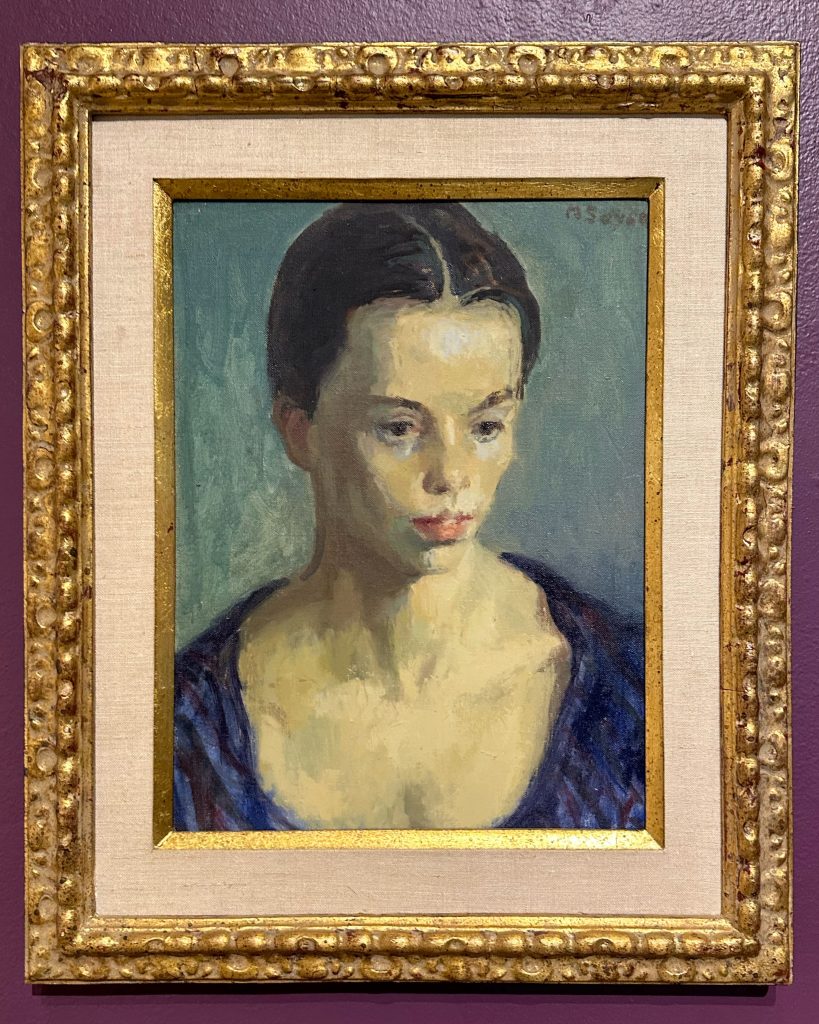
Moses Soyer’s oil painting, Young Girl, is one of the works on view in A New Deal: Artists of the WPA from the CMA Collection at Canton Museum of Art. The exhibition is a reminder of one of the best social programs ever created by the US government and the positive impact it had on the country during one of its hardest periods.

From the museum about the exhibition-

Against the backdrop of severe economic strife caused by the Stock Market Crash of 1929, President Franklin Roosevelt created the Works Progress Administration (WPA), which put roughly 8.5 million Americans, including more than 173,000 men and women in Ohio, to work building schools, hospitals, roads and more. Within the WPA was The Federal Art Project (FAP) which provided employment for artists to create art for municipal buildings and public spaces. The FAP had a non-discrimination clause that meant it attracted and hired artists of color and women, who previously received little attention in the art world. The only guidance the government offered about subject matter was to depict the “American scene” and stipulated no nudity or political issues. The goal was for artists to help the United States develop its own distinct American style of art, especially as artists in other parts of the world were forbidden freedom of expression and ordered to create artworks that projected the beliefs of their governments.

Though the WPA artists in the United States shared the common goal of capturing life in all its variety and promoting national pride, they each had different approaches, and many modified their typical subject matter to fit whatever project they were assigned. The arts before and after the New Deal relied on private patronage and the philanthropy of wealthy and elite institutions: galleries, museums, dealers. But during the WPA, art wasn’t a luxury good, it was seen as an essential part of our democracy. Artists were seen as professional workers who were making important and significant contributions to American life. The artworks made under the WPA became the collection of the American people and were put in public collections – hospitals, schools, post offices, housing projects, etc. – ensuring they were part of communities. The arts were seen as an important part of a democratic society and the American way of life, with a richness of experience and accessibility to culture.

While artists were offered opportunities through the WPA, they were far from immune to the distress caused by the Depression, and many still struggled to make a living. Will Barnet detailed a bleak scene he came across, saying:

“It was like a war going on. There were bread lines and men lined around three, four, five, six blocks waiting to get a bowl of soup. It was an extraordinary situation. And one felt this terrible dark cloud over the whole city.”

Moses Soyer also described the hardships artists experienced, saying,

“Depression–who can describe the hopelessness that its victims knew? Perhaps no one better than the artist taking his work to show the galleries. They were at a standstill. The misery of the artist was acute.”

The FAP supported the creation of thousands of works of art, including more than 2,500 murals that can still be seen in public buildings around the country. The FAP also supported art education and outreach efforts, including traveling exhibitions and art education programs for children. The WPA and FAP had a significant impact on the American art scene, and many of the artists who participated in the program went on to become important figures in the art world.

A New Deal: Artists of the WPA from the CMA Collection highlights the lives of artists from our Permanent Collection who worked for the WPA, and in doing so, fostered resilience for a struggling nation. You will learn about the projects they worked on, the subjects they were interested in, and how their own lives were affected by the Depression. Each of these artists helped to foster the nation’s spirit and prove that even in the darkest of times, art serves as a uniting force to collectively lead people into a brighter future.

And about Moses Soyer and his painting from the museum-

The Depression set the mood for most of Soyer’s art expression, and his portraits of people seem to be preoccupied with a sad secret. His portraits were often of solitary figures, using professional models or his friends, capturing in these paintings the spirit of his sitters, their dreams or disillusionment. He is best known for his introspective figure paintings of weary, melancholy women in muted colors, matching the mood of his sitters with the pigment in his paint. He was inspired by artist Edgar Degas, who used color expressively.

On the museum’s website you can find both the artwork on display for the exhibition and also a gallery of the museum’s entire collection organized into several categories.
 

Mar 162024
 

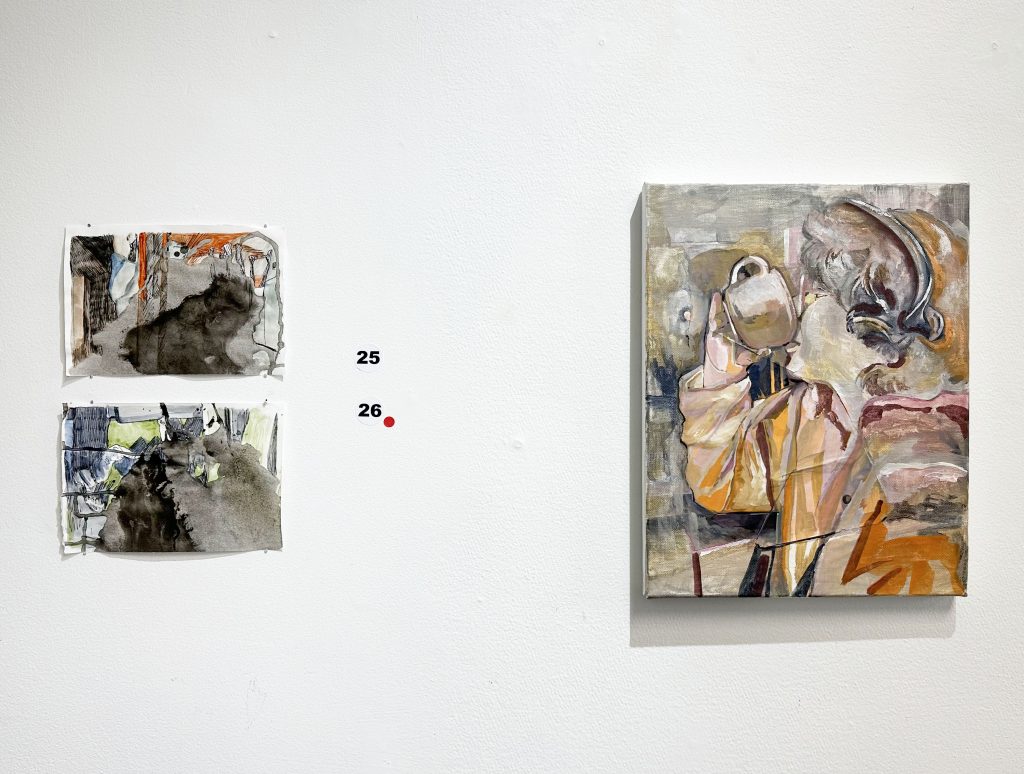
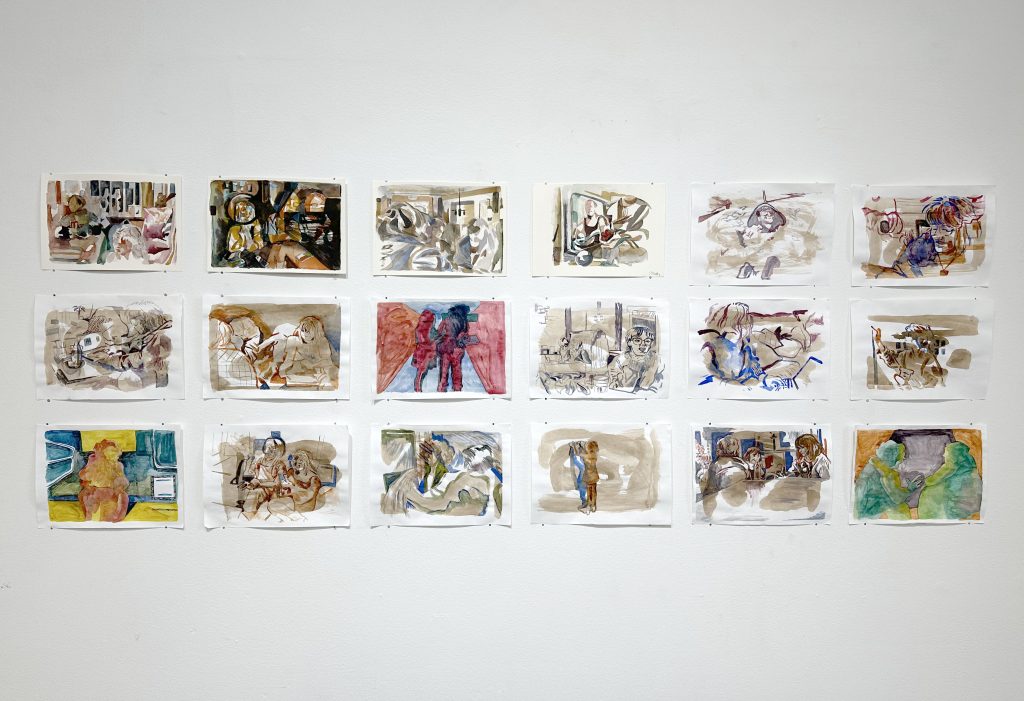
Watercolor paintings by Katherine Strobel

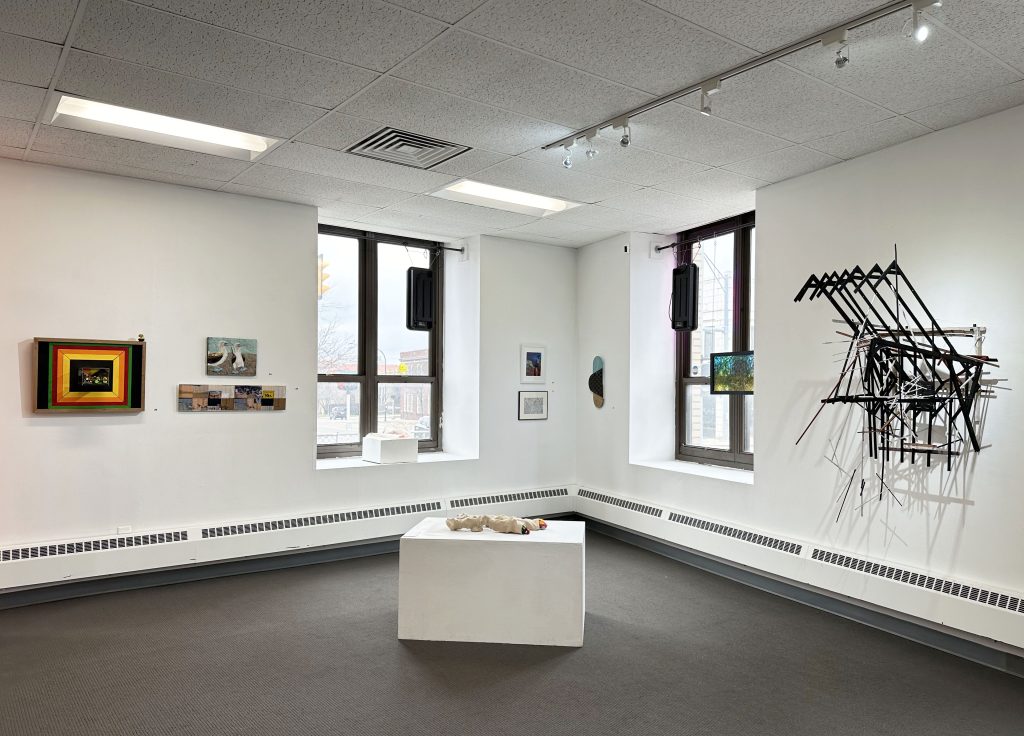
There is A LOT of work currently on view at Summit Artspace for their Winter Exhibitions (see the previous two posts) and it is worth mentioning these shows as well.

In the Welcome Gallery are watercolor paintings (seen above) by Katherine Strobel, for her exhibition, Bad Nostalgia.

Her statement about the work-

People forget to take pictures of things that don’t matter because it’s impossible to photograph qualities such as the feeling of an inside joke, the sound of an exhale through the nose, or dirty silverware that must be returned to the kitchen and replaced. These things act as set, pieces for what make up the rest of our lives. This series is a catalog of work that focuses on memory and candidness of a scene or subject. The people pictured are painted from life or candid photographs which are then emphasized from a naive image to something more. When an image is exaggerated with new colors and shapes it serves to make the mundane more desirable. The paintings are watercolors with a textured surface; the texture creates a sense of play with paper elements. In my work watercolor is often indicative of memory because of its ephemeral quality and transparent layers. This is because of how impossible it is to clarify every element that makes up a color when the layers are all compressed and viewed as a complete state.
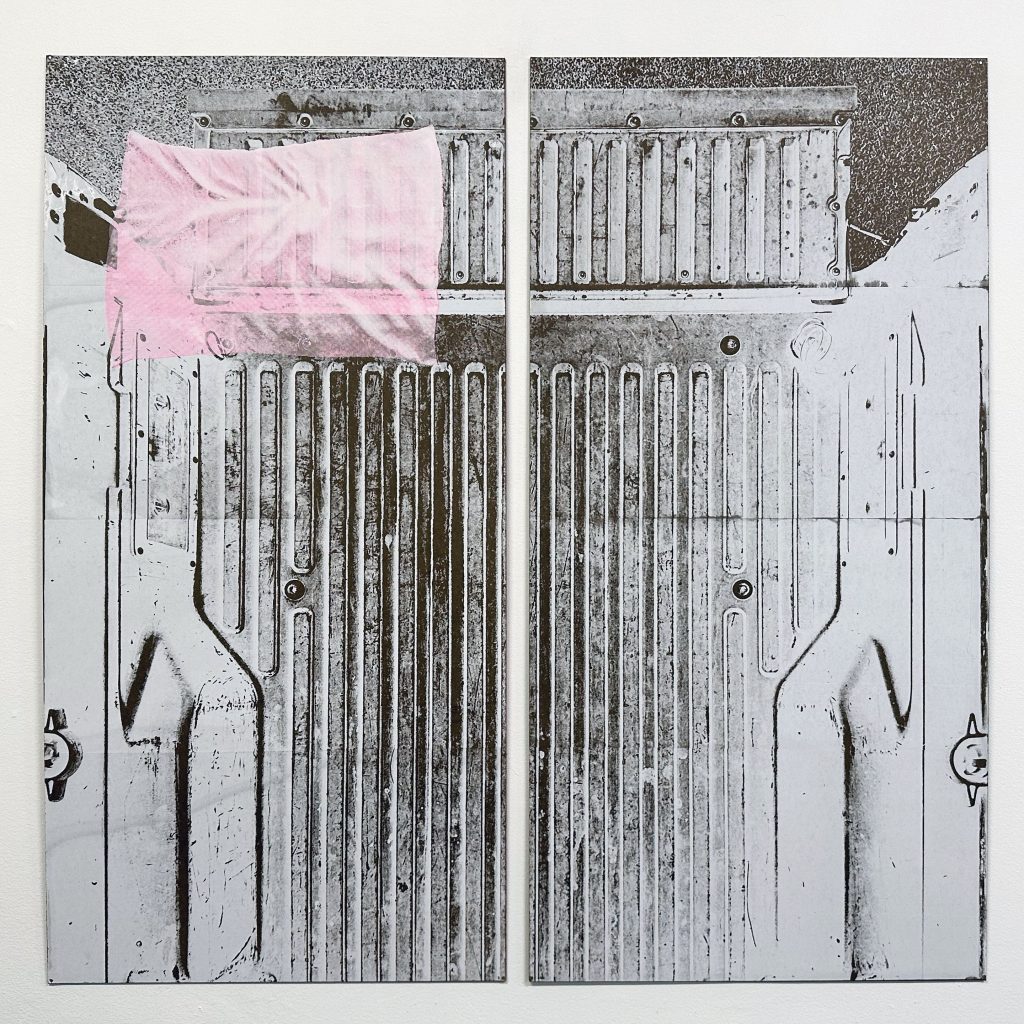
Below are works from FRESH, an annual exhibition of local artists juried by Pita Brooks, Executive Director of Akron Soul Train. The website has all of the artists included and their statements and bios- definitely worth taking a look at what is being created in the area.

Michelle Eisen, “I’ve Made My Bed”, Silkscreen on hardboard

Steven Mastroianni “Fathomable Series #24”, Unique cameraless photogram, silver gelatin print

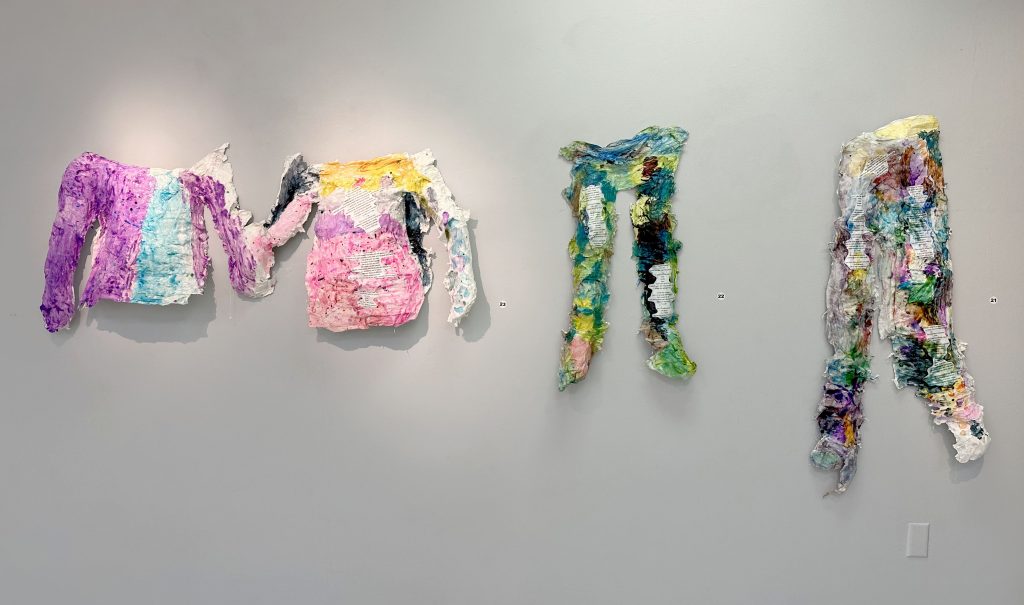
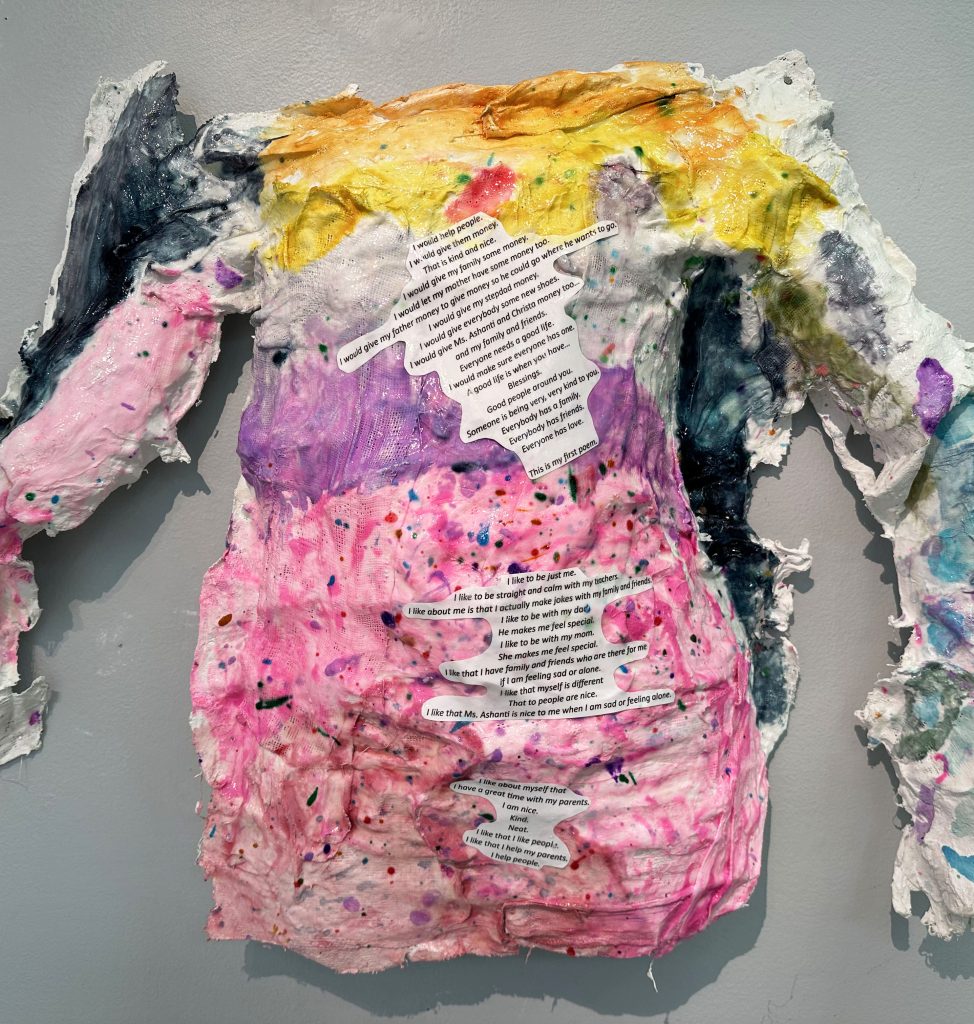
Finally, on view throughout the building are works by local students, teachers, and school leaders for Taking Care of Our House: Communities Coming Together and Making a Difference. The exhibition is made with the organization Art Resistance Through Change (ART-C). The works pictured below are a few of the sculptures created that included the personal narratives of the artists.

It’s worth mentioning that along with these exhibitions there are artists studios and galleries also in the building and worth checking out. Summit Artspace is open Fridays 12-7pm and Saturdays 11am-5pm.

Feb 262024
 

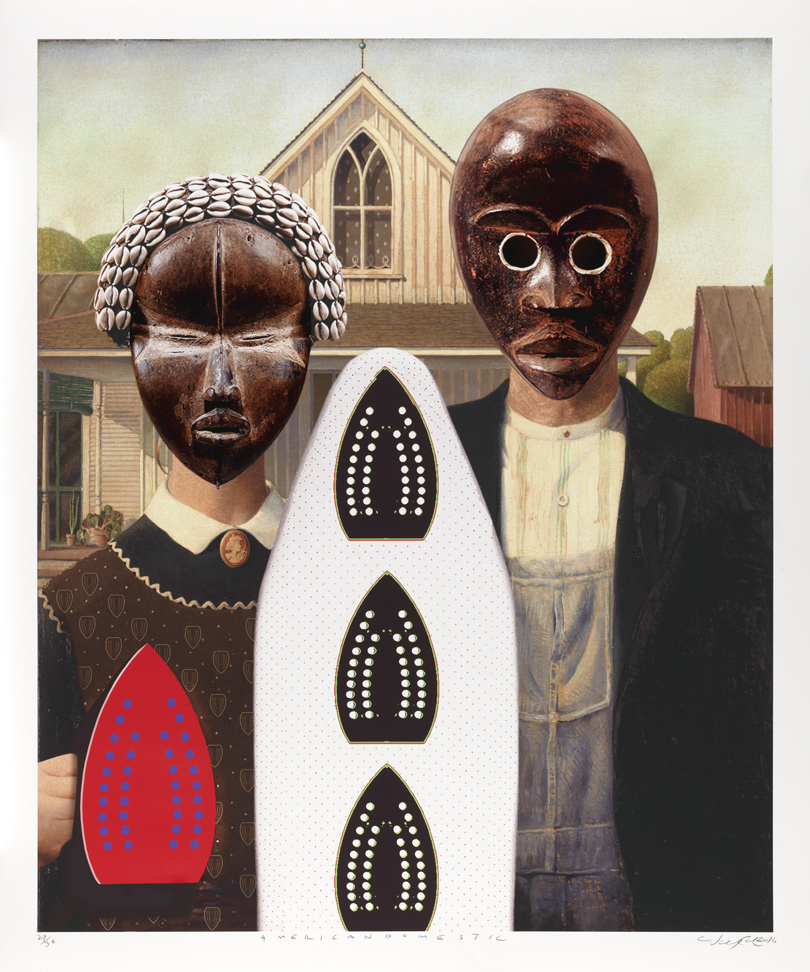
Willie Cole, “American Domestic”, 2016, Digital Print

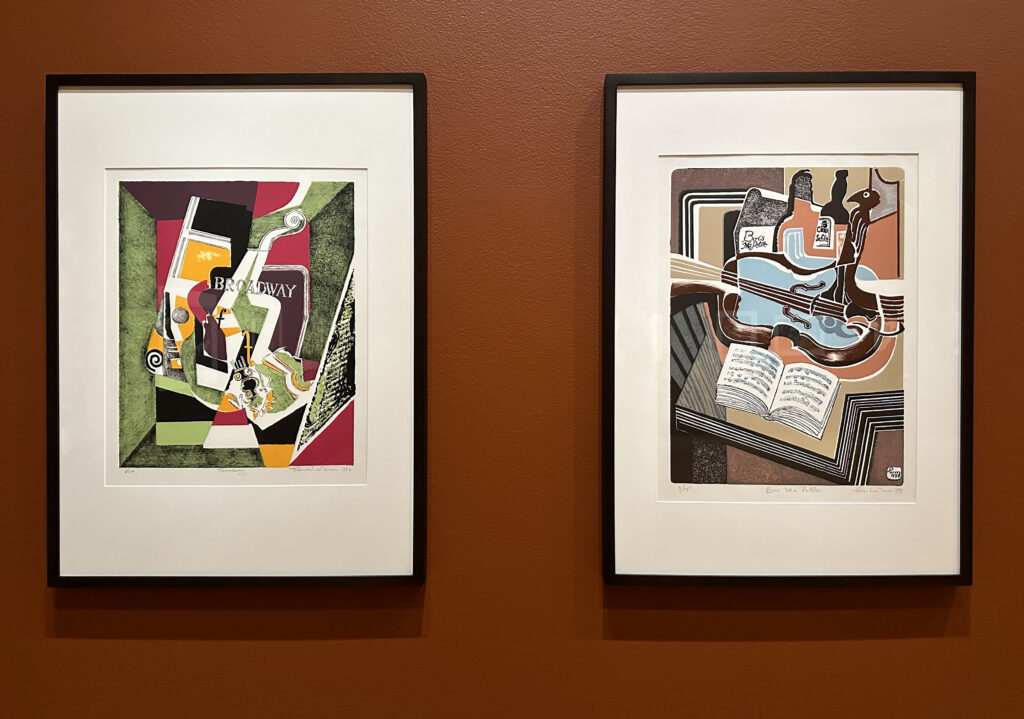
Tom Laidman, “Broadway”, 1993 and “Bois Ma Petite”, 1999, Lithograph on paper

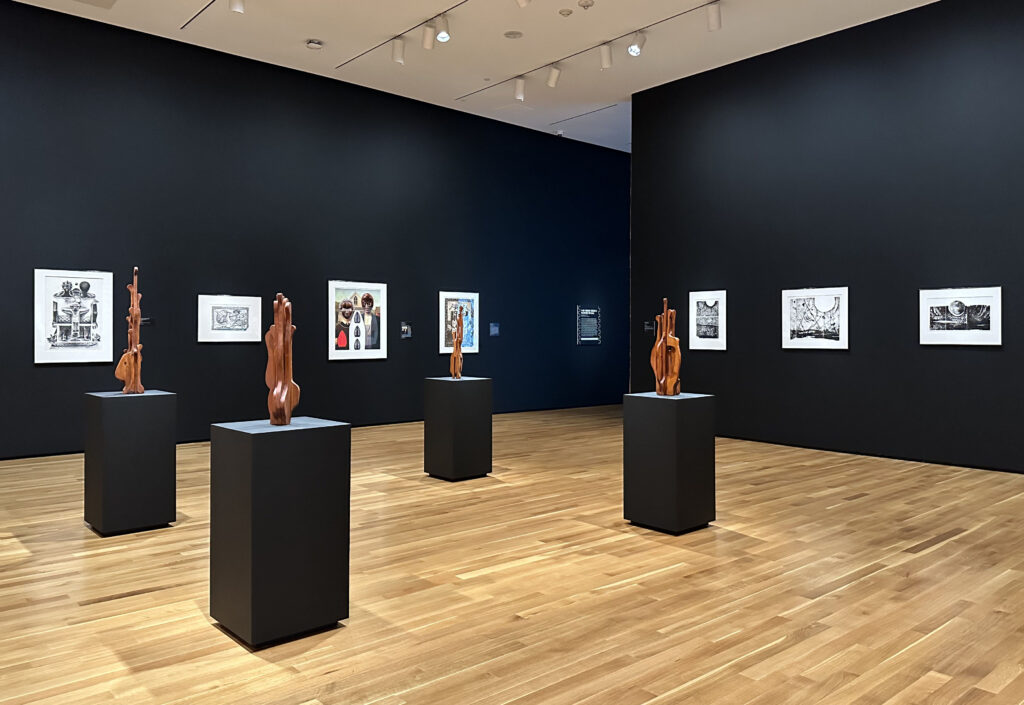
Currently on view at Akron Museum of Art is RETOLD: African American Art and Folklore, a collection of art from the Wesley and Missy Cochran collection, organized into themes exploring aspects of African American history and culture. The show features many well known and lesser known artists including Amiri Baraka, Beverly Buchanan, Willie Cole, Trenton Doyle Hancock, William Pope.L., Tom Laidman, Jacob Lawrence, Alison Saar and more.

From the museum about the exhibition-

African folklore has been around as long as humankind, and the African diaspora in America has added new dimensions to its rich history. African American folk stories teach about culture, the mysteries of life, and the survival of a race of people bought and sold who continue to thrive in an unjust society.

“RETOLD: African American Art and Folklore” focuses on four themes: Remembering, Religion, Racialization, and Resistance. These themes provide a comprehensive retelling of the works featured in the exhibition. In many of the pieces, the artist’s muse connects closely with stories that have been told generation after generation. Folklore texts are featured throughout the space as a means to retell a richer, deeper story of African American culture.

There are more than forty artists represented in this exhibition, all holding one similar truth: their story of joy and struggle in the African American experience.

In addition to the artwork, there is also an educational video produced by Josh Toussaint-Strauss of The Guardian that explores the misconceptions about Haitian Voudou that is worth a watch.

How ‘voodoo’ became a metaphor for evil

Feb 202024
 

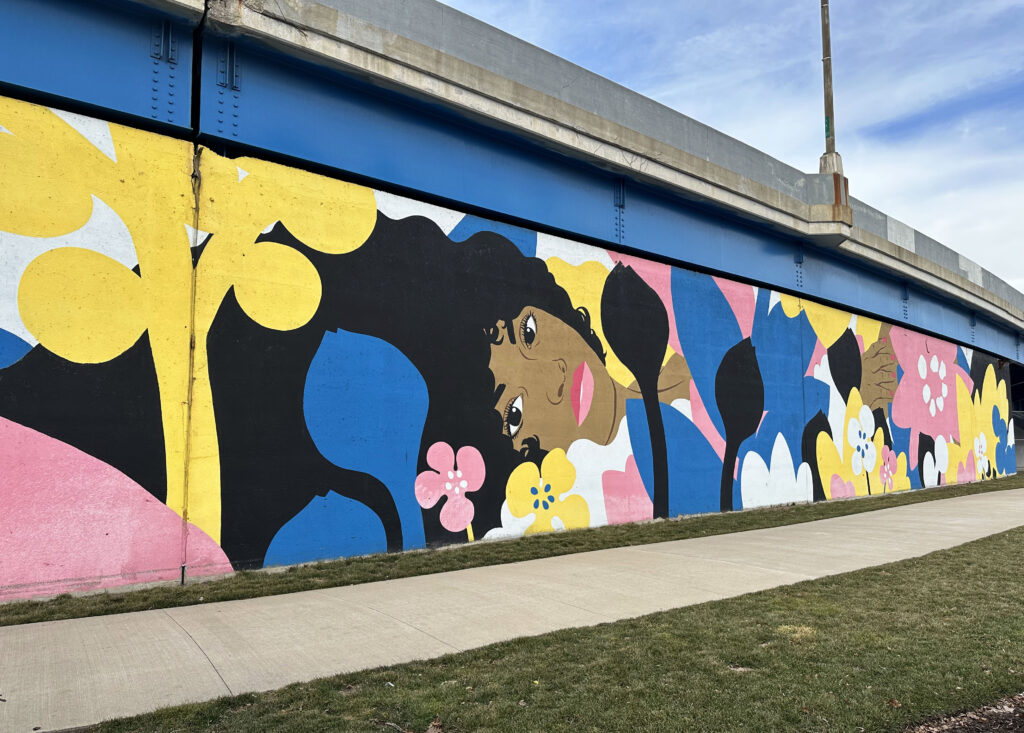
Cannaday Chapman created Flora, the mural seen above, for Hingetown Culture Works in Cleveland, Ohio, in 2018. He has created illustrations for The New York Times, The New Yorker, as well as a Google Doodle for Martin Luther King Jr. Day.

For more of his work also check out his Instagram.

Feb 162024
 

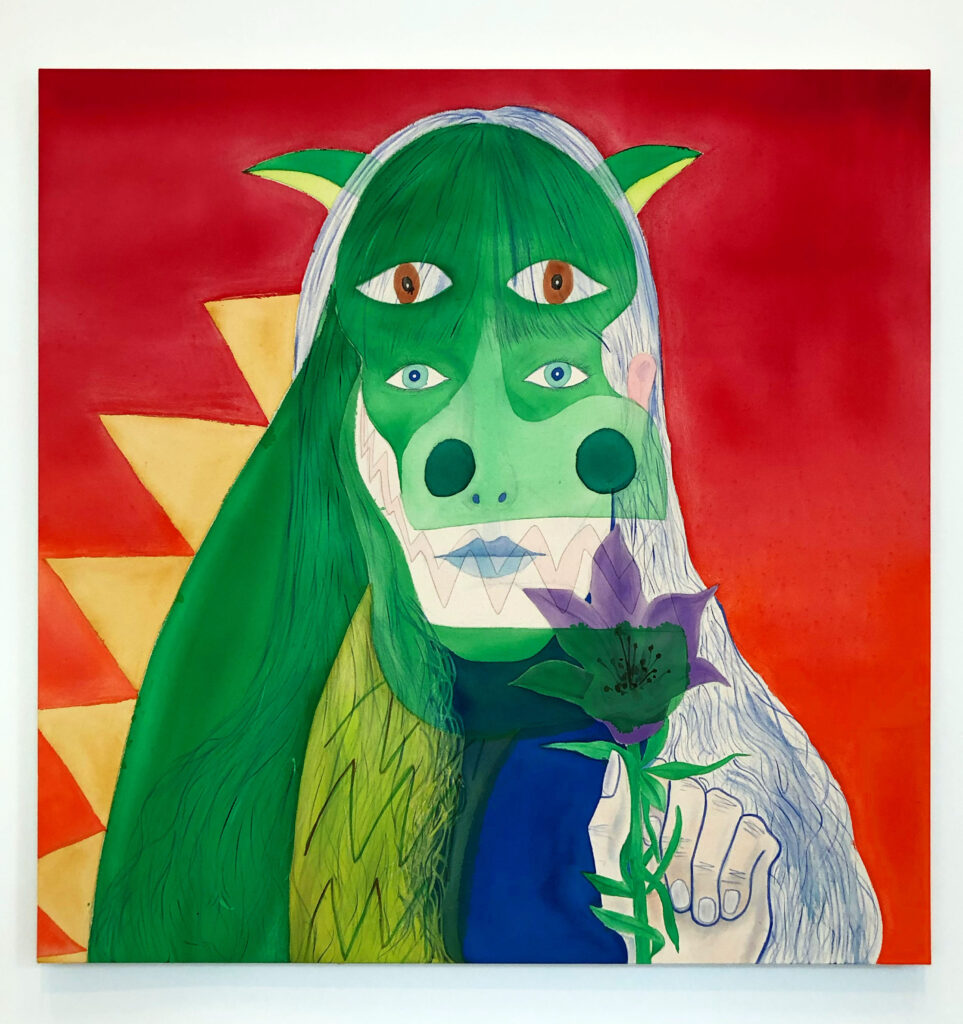
Gentle Ladies Dragon Man, 2021, (Acrylic and graphite on canvas) by Jason Fox was part of the group show Time-Slip at Petzel Gallery in New York in 2021.

Jan 252024
 

The image above is of Squeak Carnwath’s painting, Best Borrowed, 2005, Oil and alkyd on canvas, taken at Palm Springs Art Museum in 2018.

A solo exhibition of her work is currently at Pt.2 Gallery in Oakland, California, on view until 2/16/24.


Dec 172023
 

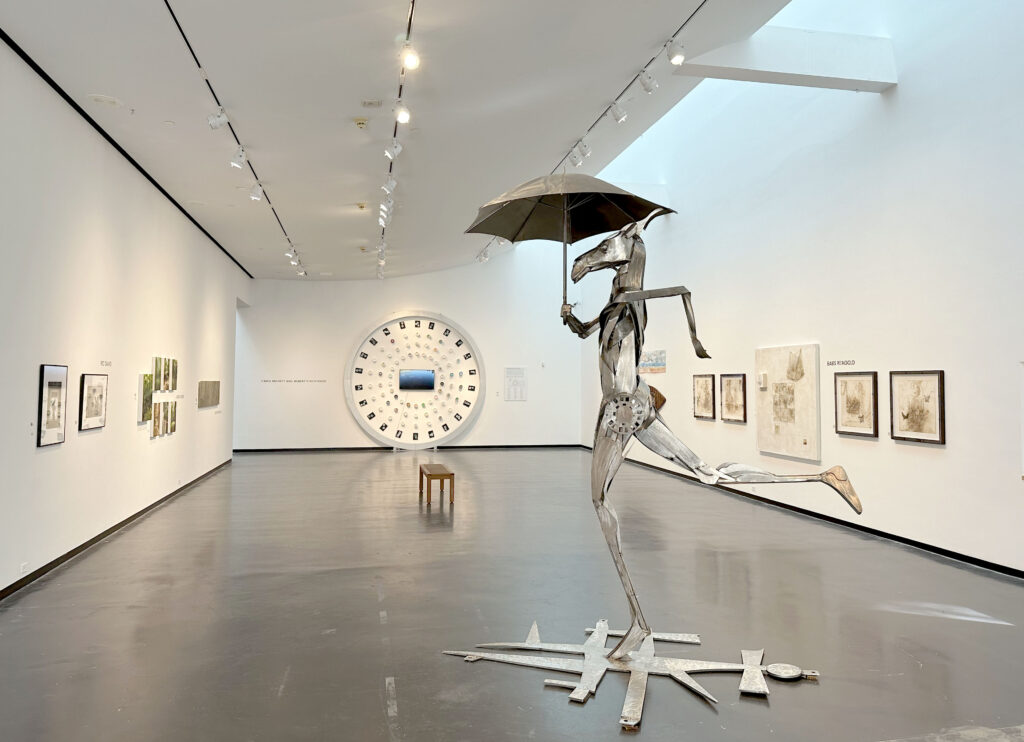
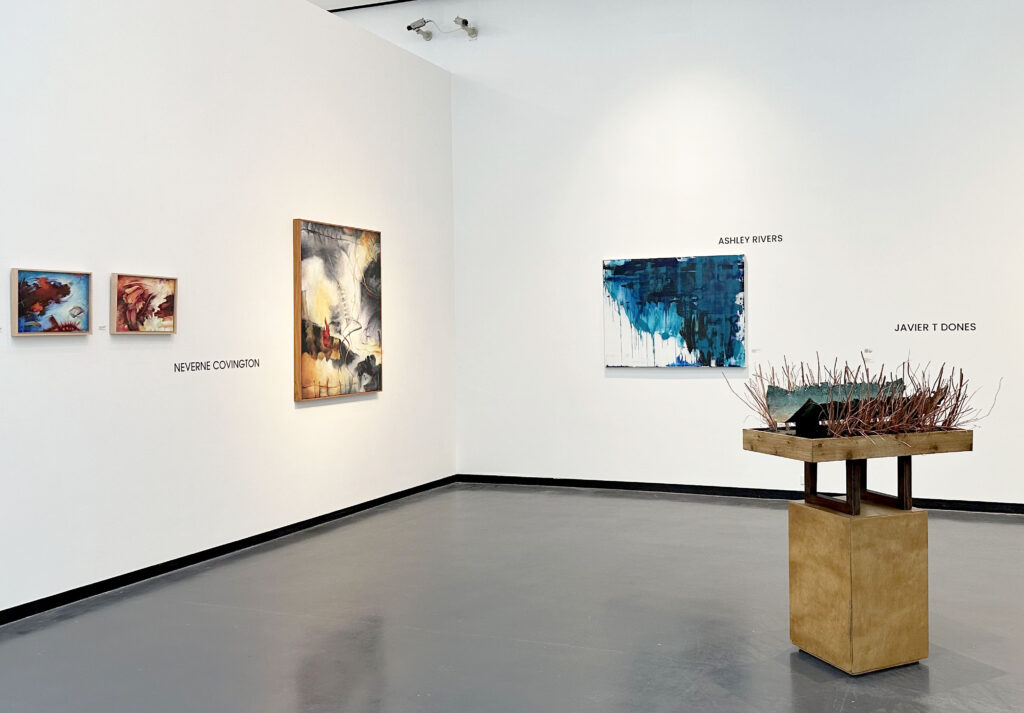
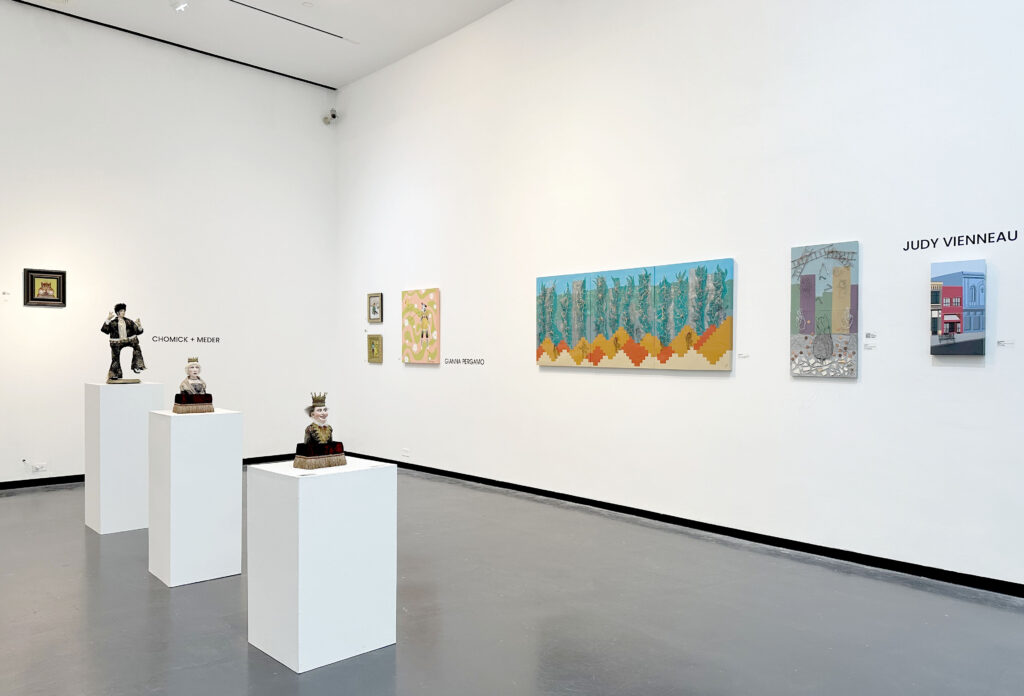
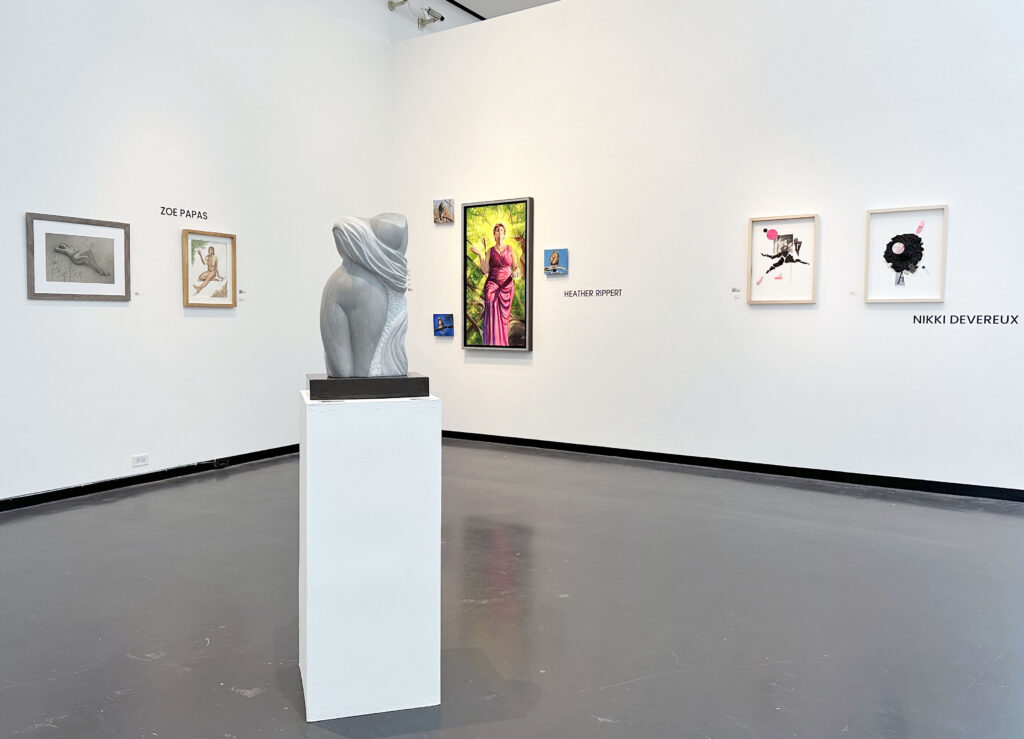
The Arts Annual at Creative Pinellas is always a great way to see what the artists in the area are creating. For 2023’s larger than ever edition, there is also a separate space for a video program that includes short films, theater productions, poetry readings, musical performances and more.

Artists included in the exhibition-

Tatiana Baccari, Elizabeth Barenis, Christina Bertsos, Daniel Barojas, Chomick + Meder, Courtney Clute, Neverne Covington, Sheila Cowley, Patricia Kluwe Derderian, Nikki Devereux, Javier T Dones, Dunedin Music Society, Sara Ries Dziekonski, Sarah Emery, Roxanne Fay, Jean Blackwell Font, John Gascot, Denis Gaston, Mason Gehring, Donald Gialanella, Jim Gigurtsis, Kevin Grass, Sheree L. Greer, Jason Hackenwerth, Steph Hargrove, Patrick Arthur Jackson, Reid Jenkins, Kenny Jensen, Charlotte Johnson, Victoria Jorgensen, Steven Kenny, Candace Knapp, Akiko Kotani, Teresa Mandala, Cora Marshall, Carol Mickett & Robert Stackhouse, Miss Crit, Mark Mitchell, Chad Mize, Desiree Moore, Zoe Papas, Gianna Pergamo, Rose Marie Prins, Gabriel Ramos, Babs Reingold, George Retkes, Heather Rippert, Ashley Rivers, Marlene Rose, Ric Savid, Tom Sivak, Sketzii, Emily Stehle, Rachel Stewart, Erica Sutherlin, Takeya Trayer, Judy Vienneau, Kirk Ke Wang, Angela Warren, and Joseph Weinzettle

The show is on view until 12/31/23.

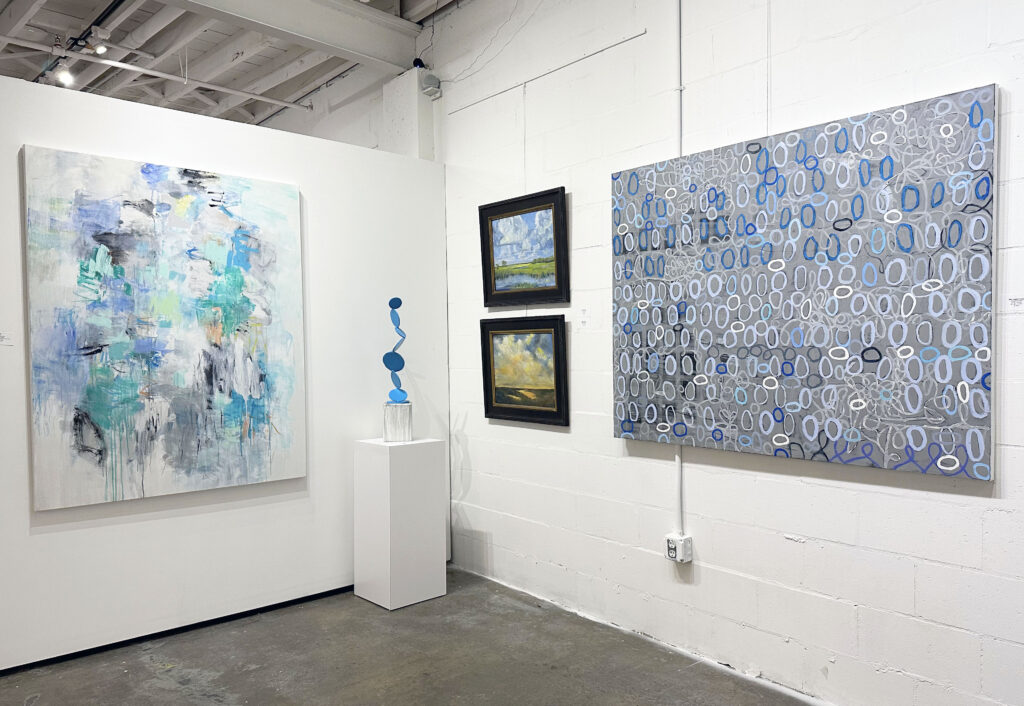
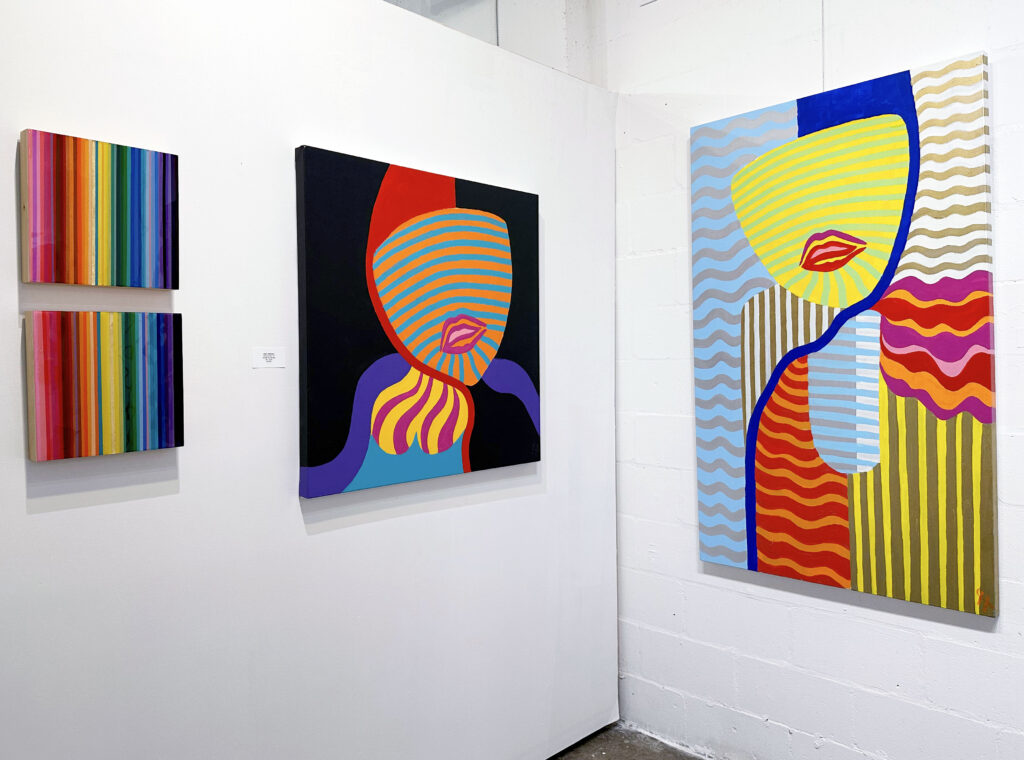
Below are some additional selections from the exhibition.  

Reid Jenkins, “Holding Court”, Acrylic

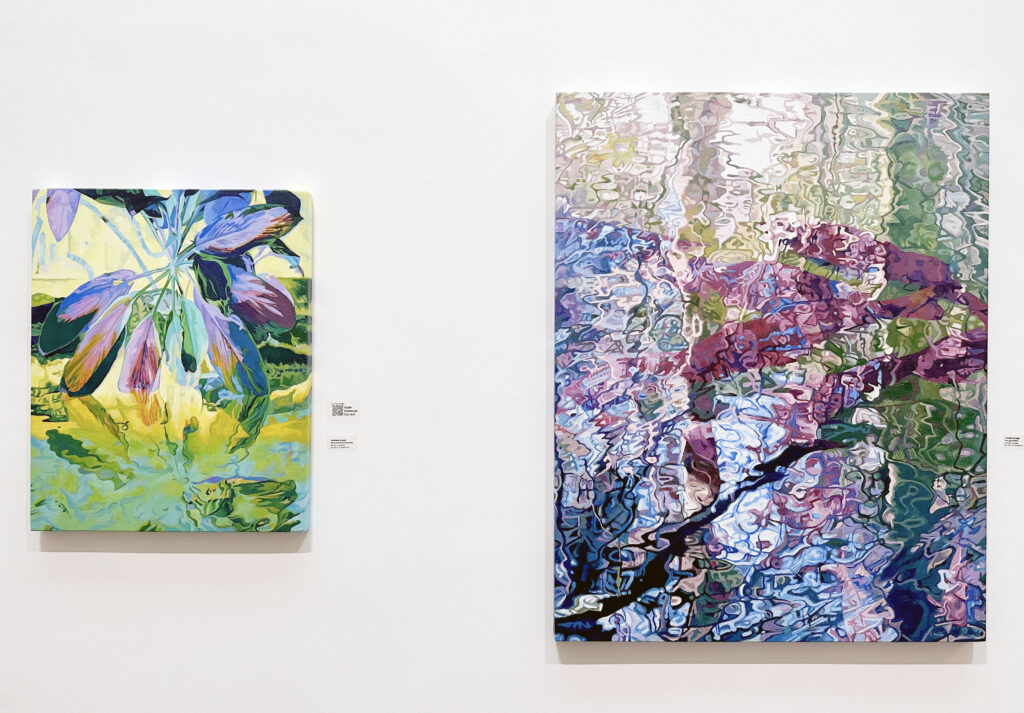
Candace Knapp, “What the Blue Heron Sees” and “The Light Within” Acrylic on canvas

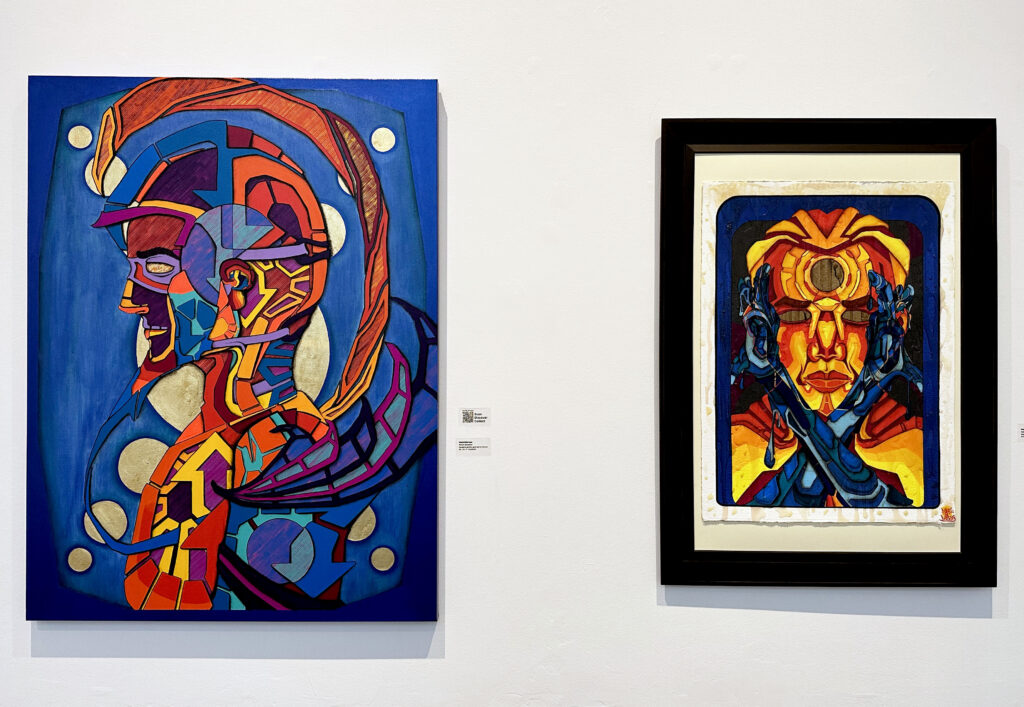
Daniel Barojas, “Future Ancestor”, Gouache, acrylic, gold leaf on canvas and “Future Ancestor #3”, Gouache and resin on paper

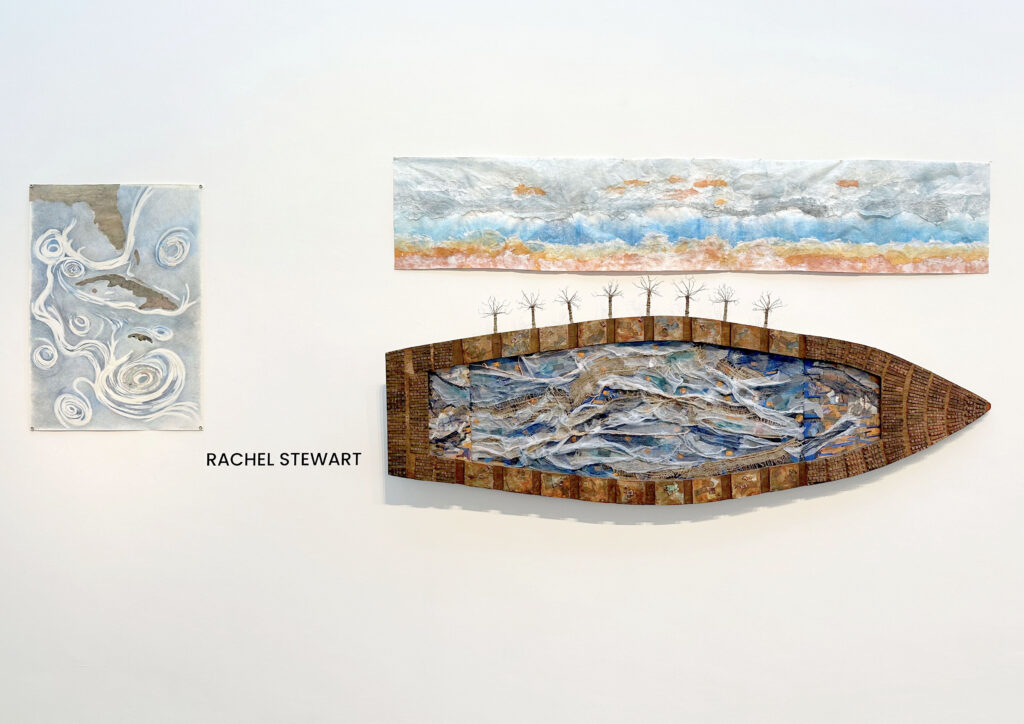
Rachel Stewart, “Caribbean Currents” Colored pencil, oil stick and collage on Archers archival paper; “Under a Different Sky”, Wall installation Painted relief wood construction with cooper and mixed media materials; Printing Ink and collage on rice paper

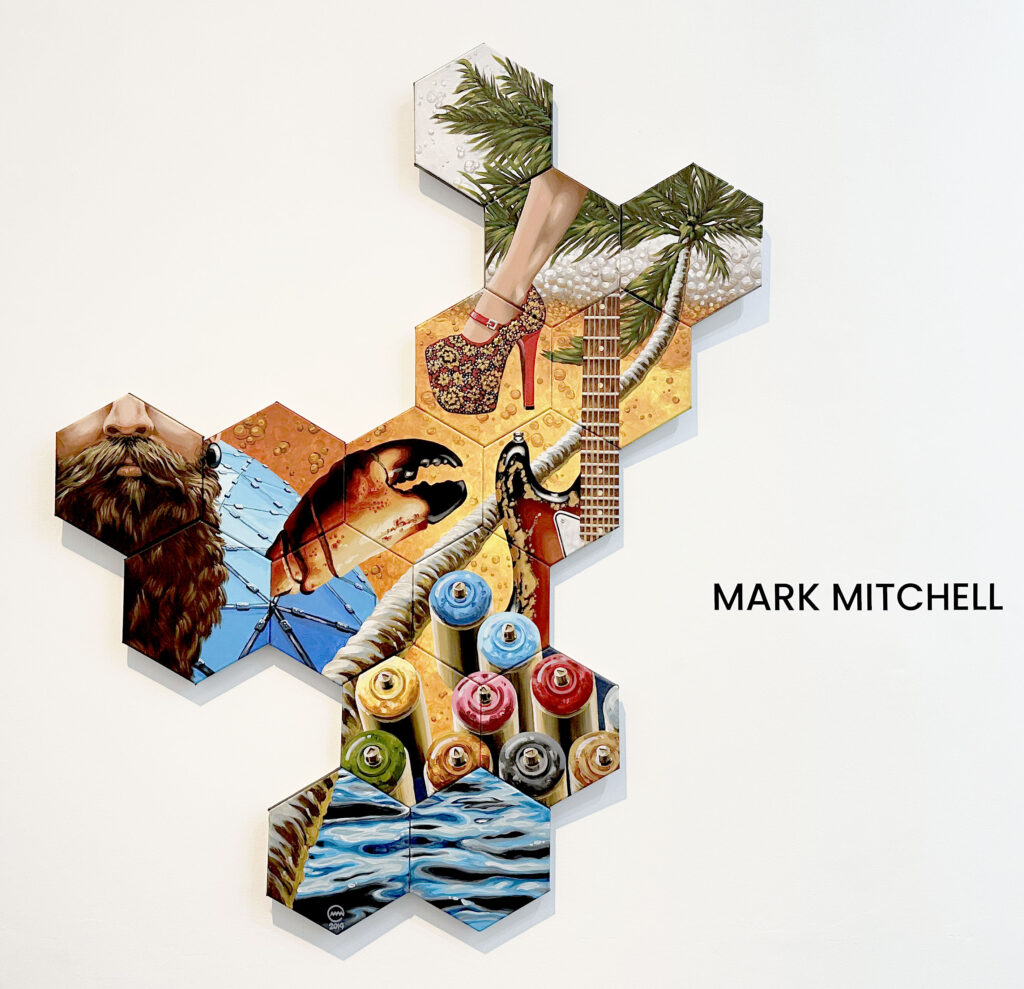
Mark Mitchell, “The BurgHive”, Acrylic on Hexagonal canvases

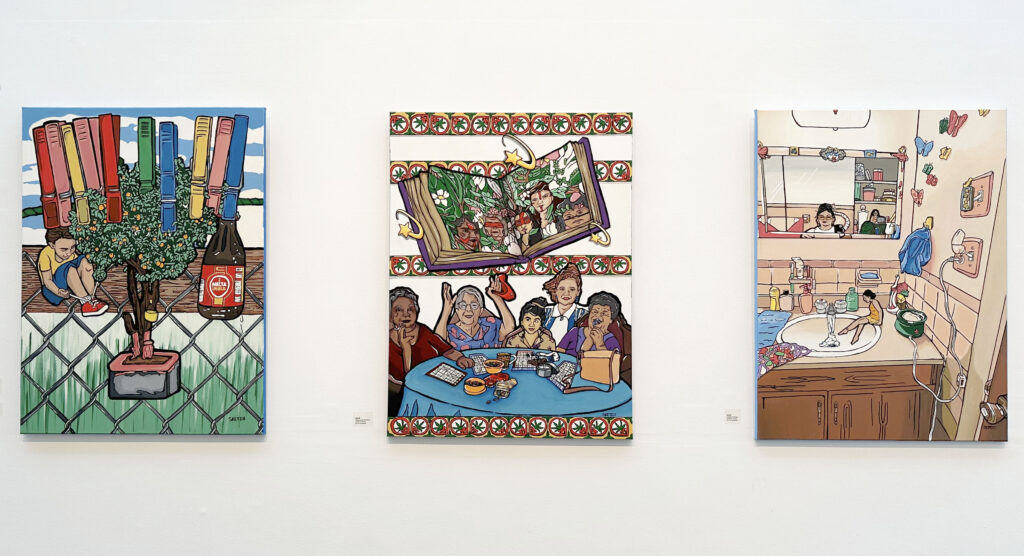
Sketzii,”Out of the Pink Concrete”, “Reclamando Mis Raices” and “A Señora’s Dream”, Acrylic on canvas

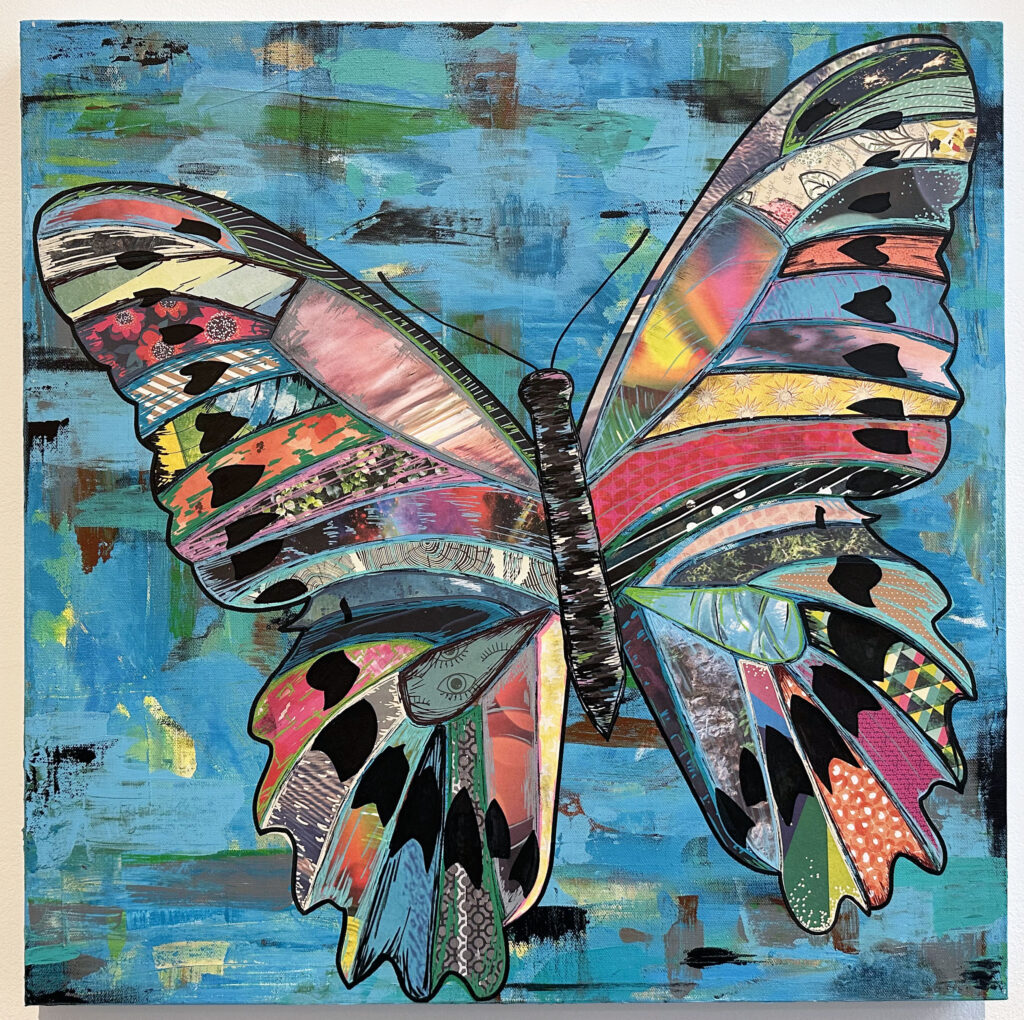
Steph Hargrove, “Catch You Later”, Acrylic paint, paper on canvas

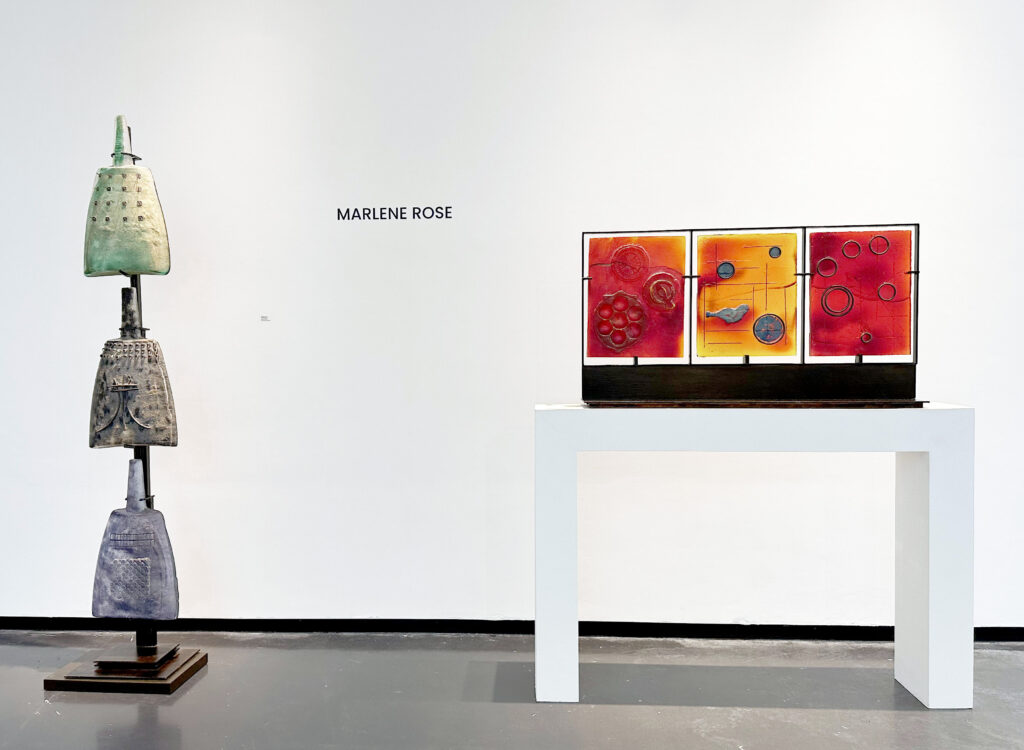
Marlene Rose, “Three Bell Tower”, Sandcast glass and “Map Triptych” Sandcast glass

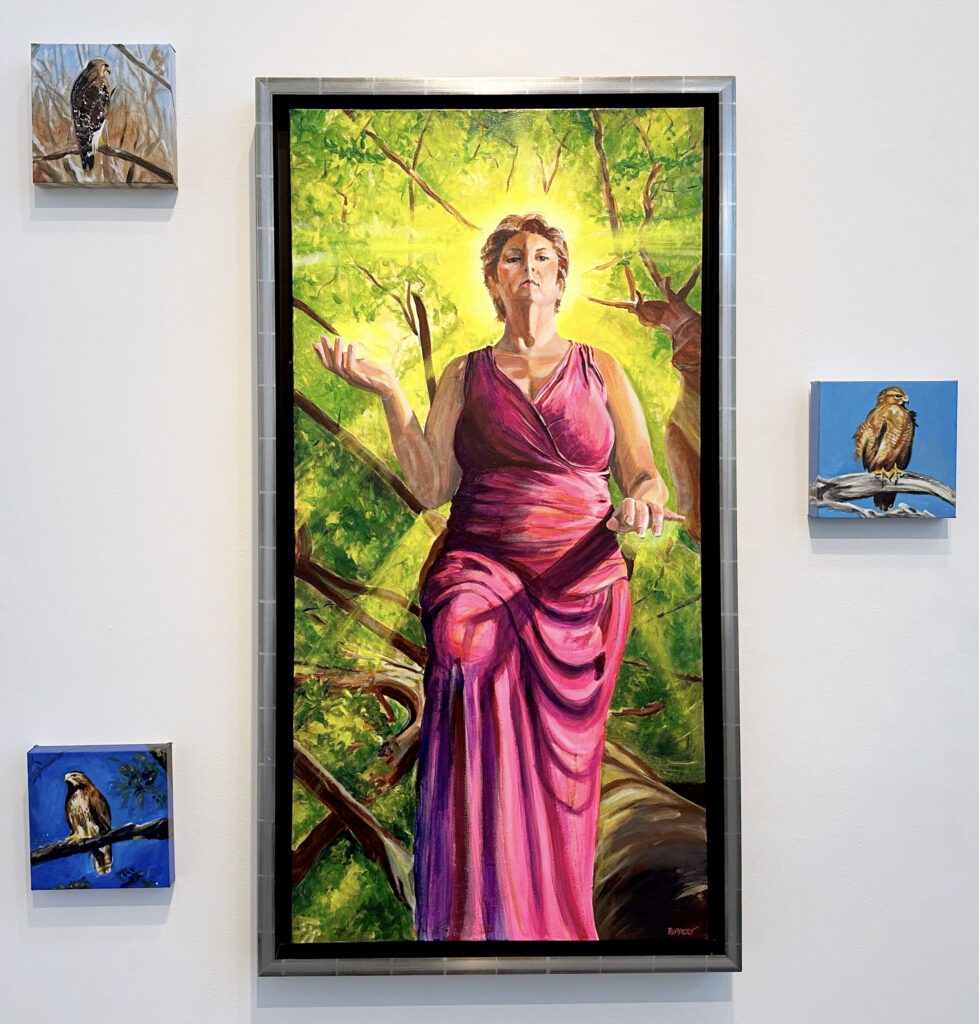
Heather Rippert, “Shakti” (center) and “Hawk 1, 2, and 3”, acrylic on canvas


Dec 122023
 

Artists from L to R: Julie Schumer, Vivien Collens (sculpture), Maggie Kruger, and Blair Vaughn-Gruler

Renee Mendler, “Rainbow Vision I and II”, Acrylic, Gold leaf, and resin on panel (left) and “Pure Joy No. 10 and No. 14”, Acrylic on canvas by Hans Petersen

Imani Bilál, “If Dreams Could Wander”, Acylic paint and ink on canvas (left) and work from the “Accumulation” series by Blair Vaughn-Gruler, Oil, mixed media, wood, on canvas

Michelle Gordon, “Ocean Splash”, Oil on canvas

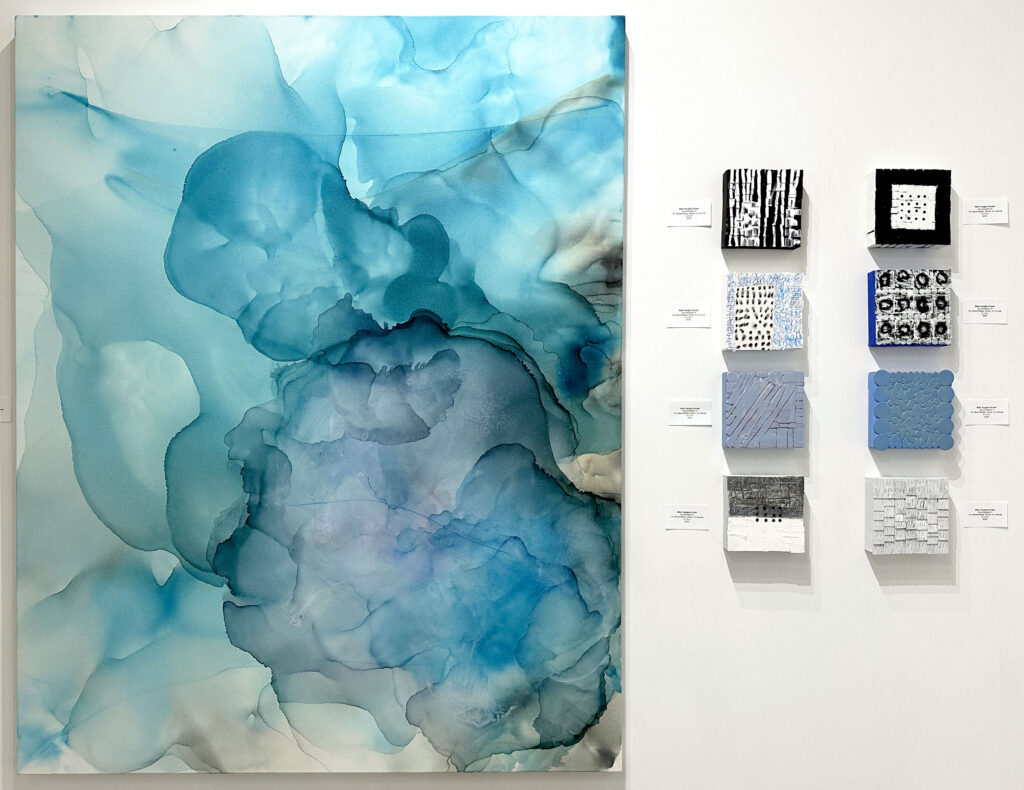
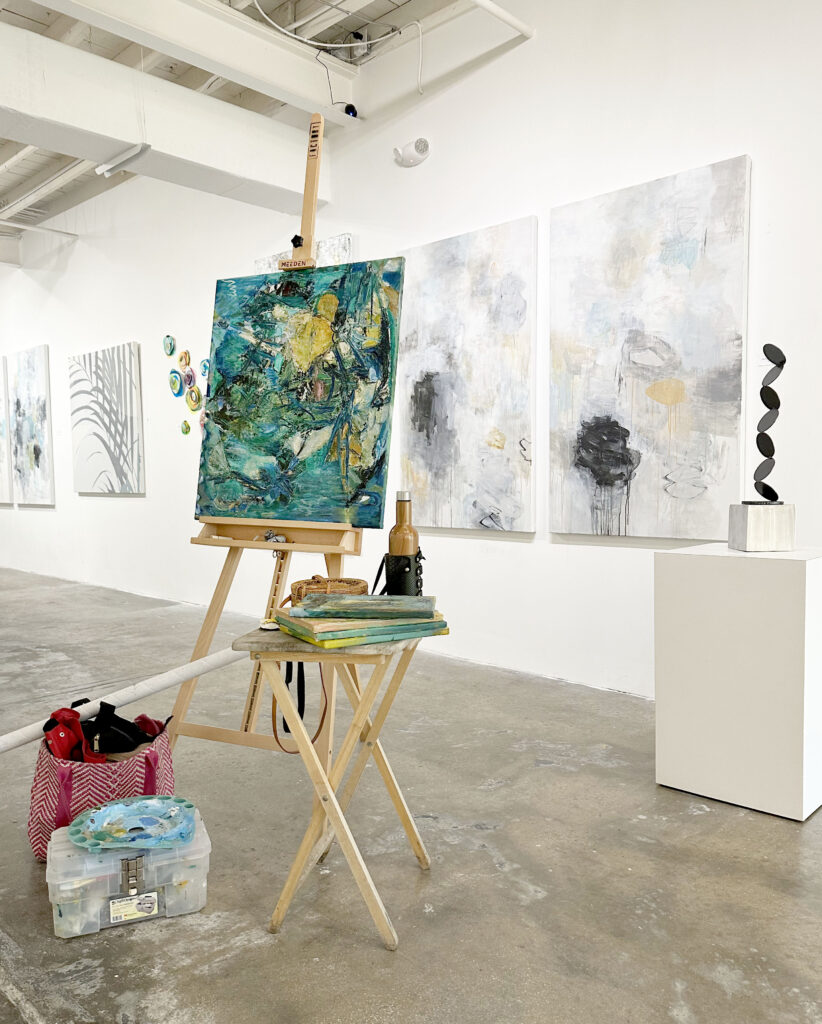
This past weekend was the Second Saturday ArtWalk in St. Pete, Florida with numerous galleries staying open into the evening. Above are images from the recently opened Drew Marc Gallery, part of The Factory St. Pete’s complex in the Warehouse District. In addition to the artwork, the gallery also had live painting by Michelle Gordon.

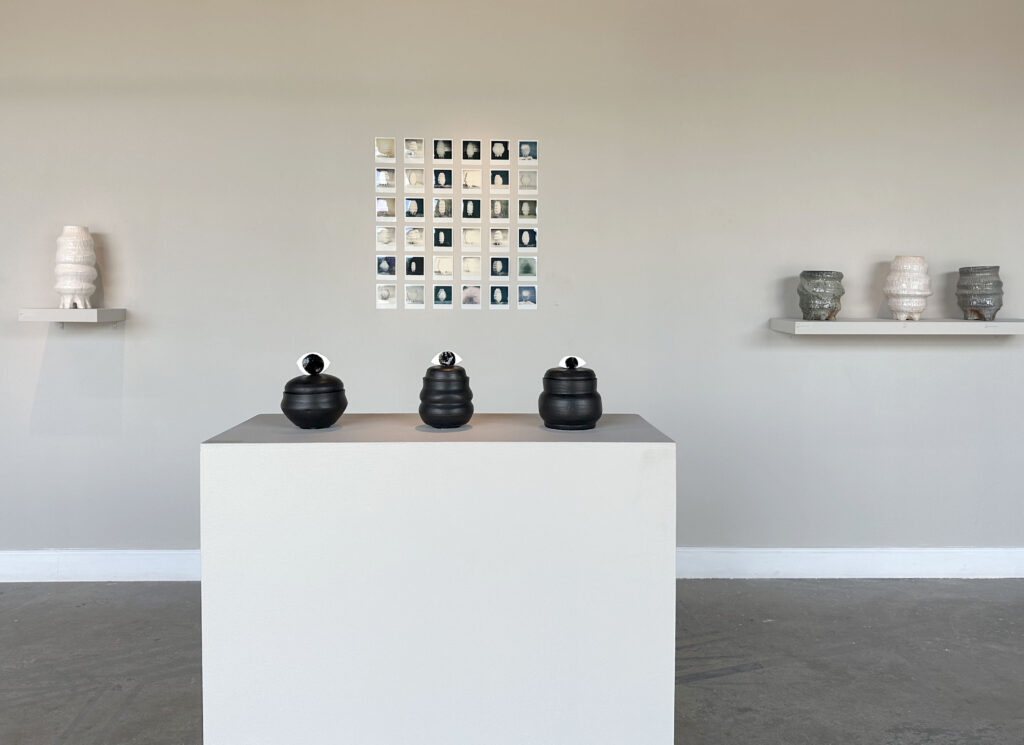
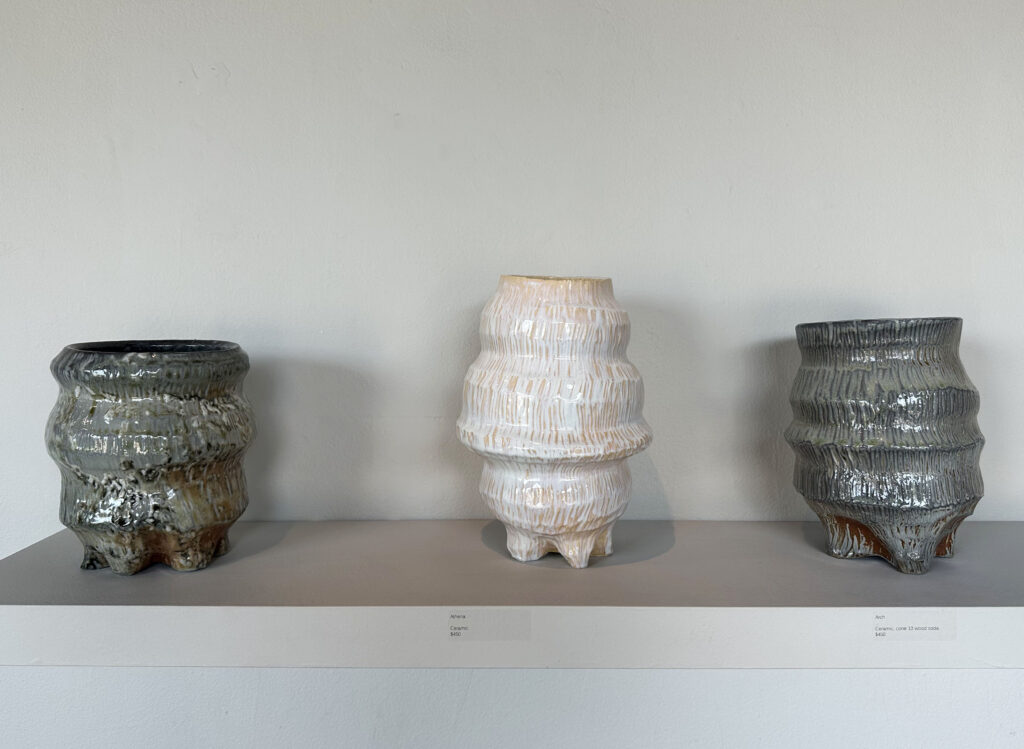
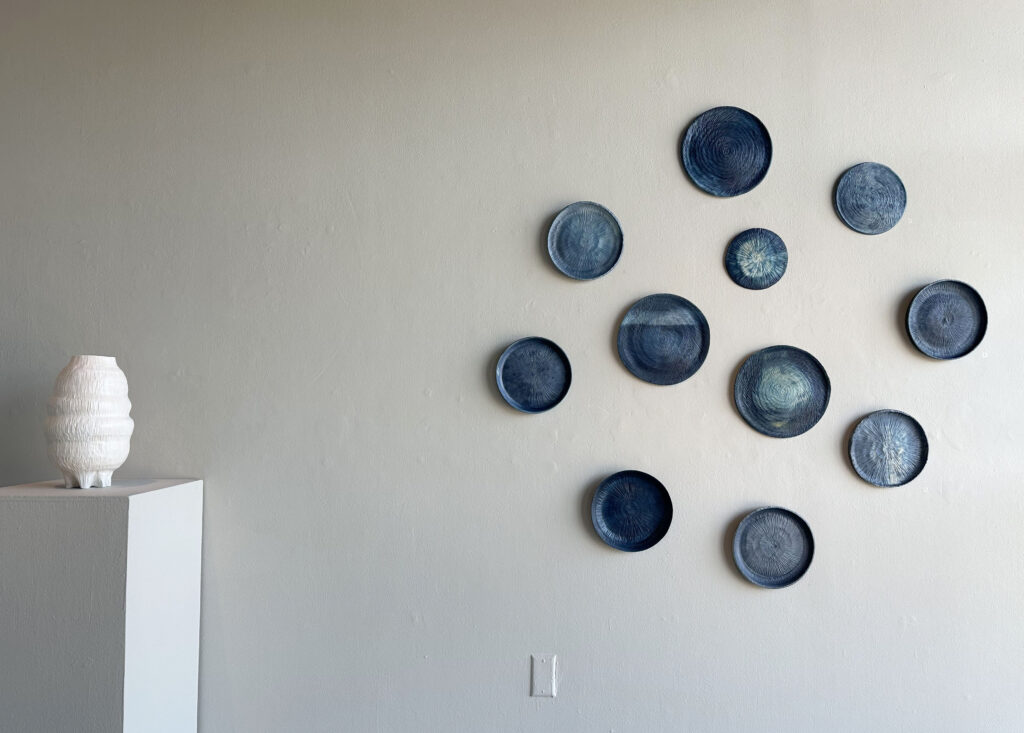
At Morean Center for Clay is Lauren Hope: Time (pictured below), a solo exhibition that includes the artist’s ceramic work and photography.

From the gallery-

...Time is an investigation of alternative photographic process, using clay as a catalyst for record keeping. Using ceramic vessels as pin hole cameras, Lauren captures moments in time and transfers them onto ceramic surfaces. This exhibition will be a collection of photographic prints, vessels, cyanotypes, and handmade pinhole cameras. 

 Her statement about her work-

My work is heavily influenced by the complexity of hues, forms, and patterns found in the natural world. This studio practice has become deeply cathartic, signifying the ephemeral and fleeting notions of time.

Ceramic vessels within this collection are wheel-thrown, altered, and sculpted. Every striation carved serves as a visual representation and a gentle reminder of the delicate passing moment. This method of subtractive carving has become transformative, developing into deep states of meditation and reflection.

Experimental photography is used as an explorative process, allowing for the convergence of internal and external experiences. By casting memories and photographic recollections onto stoneware, I attempt to immortalize my profound experiences and revelations.

This exhibition will be on view until 12/30.

For selections from additional galleries, head to the next page.

Dec 082023
 

“Eulogy for Twilight: Ad Memoriam”, 2023, Oil on canvas

“Golden Pond”, 2023, Oil on canvas

“A Stream for Fiver”, 2023, Oil on canvas

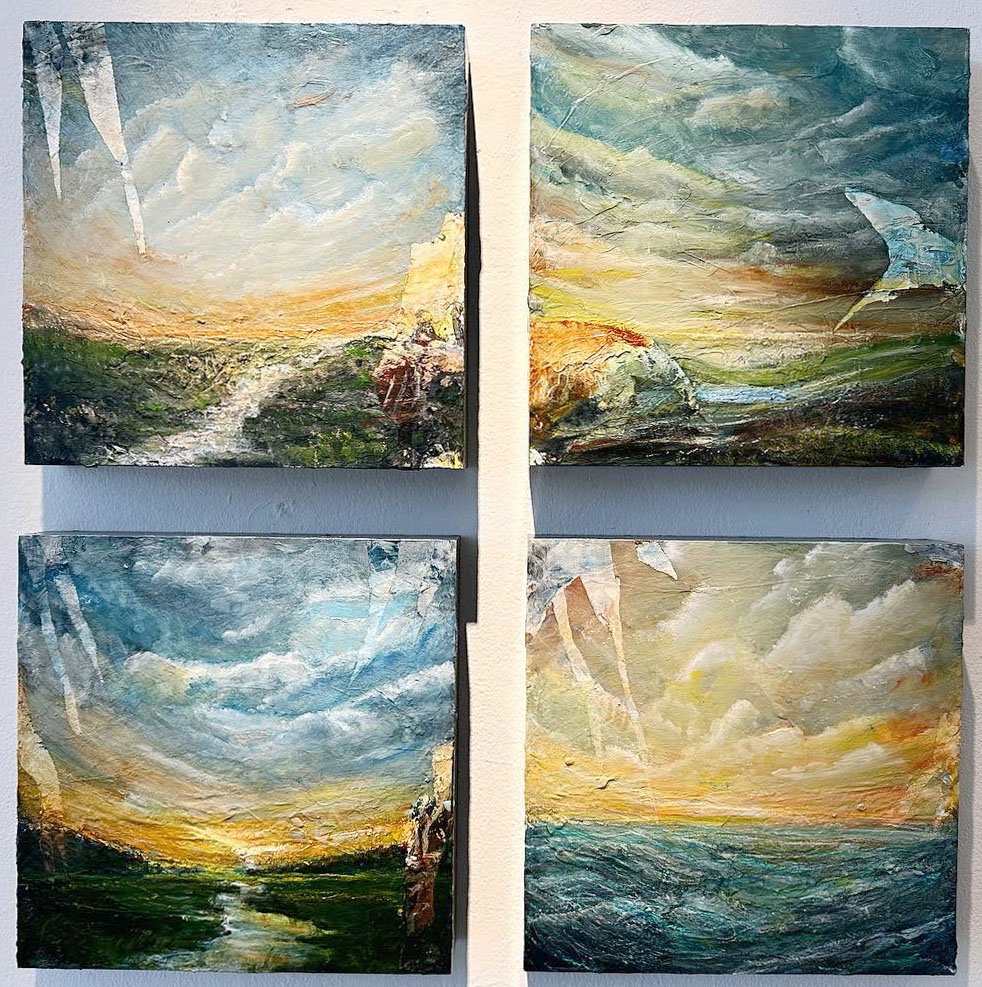
Morean Arts Center in St. Pete is currently showing Remember When, a selection of dramatic and beautiful work by Tampa based artist Alex Espalter-Torres.

From the artist about the work-

“Unlike conventional landscapes that attempt to capture an exact image, my artwork has always been my personal narrative; an amalgam of places, tragedies and triumphs, fears and hopes, and dreams of the unknown. The one constant in my vision is the impact of the sea and sky on this earth, both experienced and imagined.

I have always worked in layers; nothing is whole or complete on the surface. There are experiences running beneath my images, much like currents in a river or riptides in the sea. The composition is often torn and dripping, showing droplets of the past and visions of the future.

My works have evolved over the years to remove myself as the sole narrator. You, the viewer, are invited to interpret each image and insert your layers and reactions as a reflection of yourself.”

This exhibition closes 12/30/23.

Dec 072023
 

V.J. Hagenbuckle, “On Mars”, 2020, Oil on canvas

Paintings by V.J. Hagenbuckle

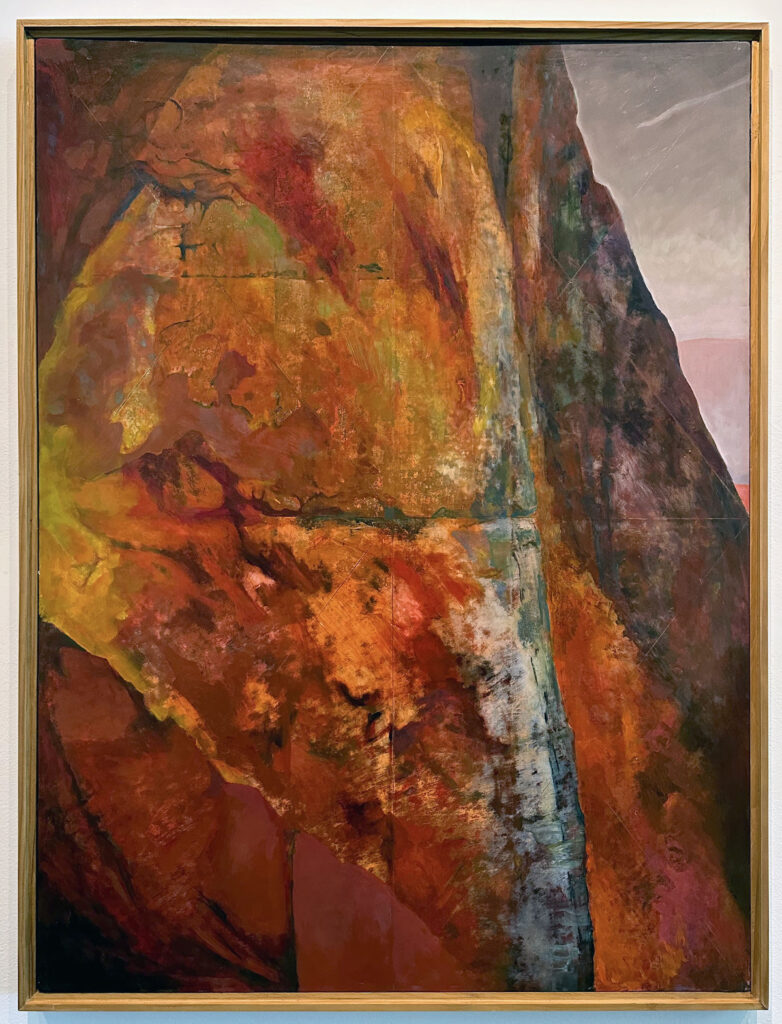
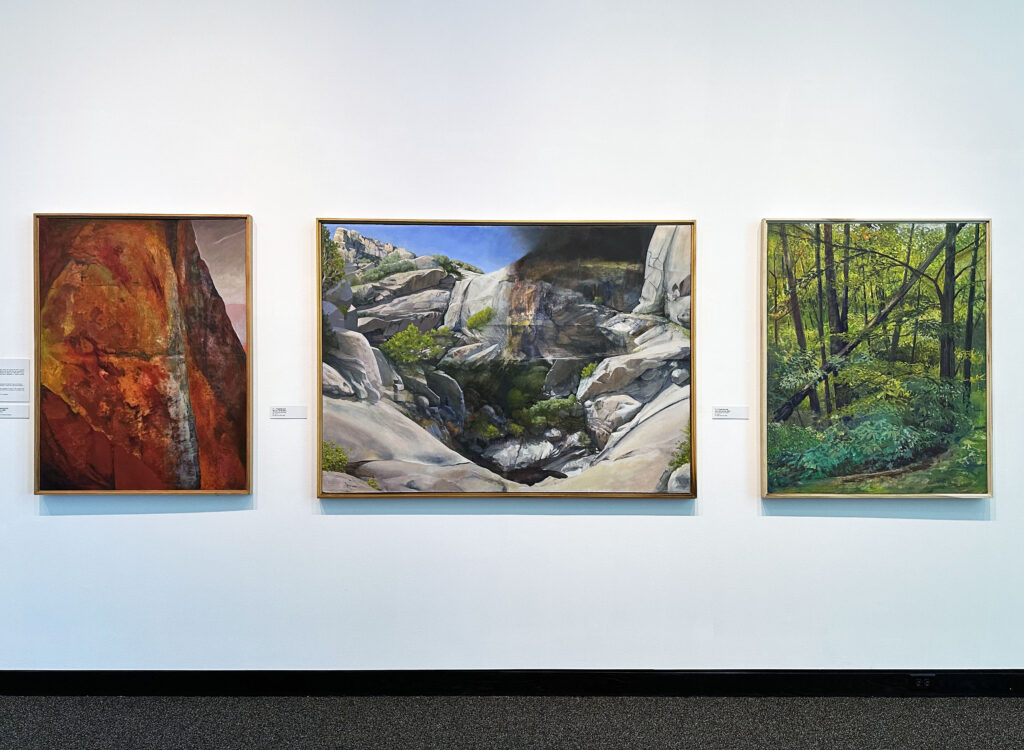
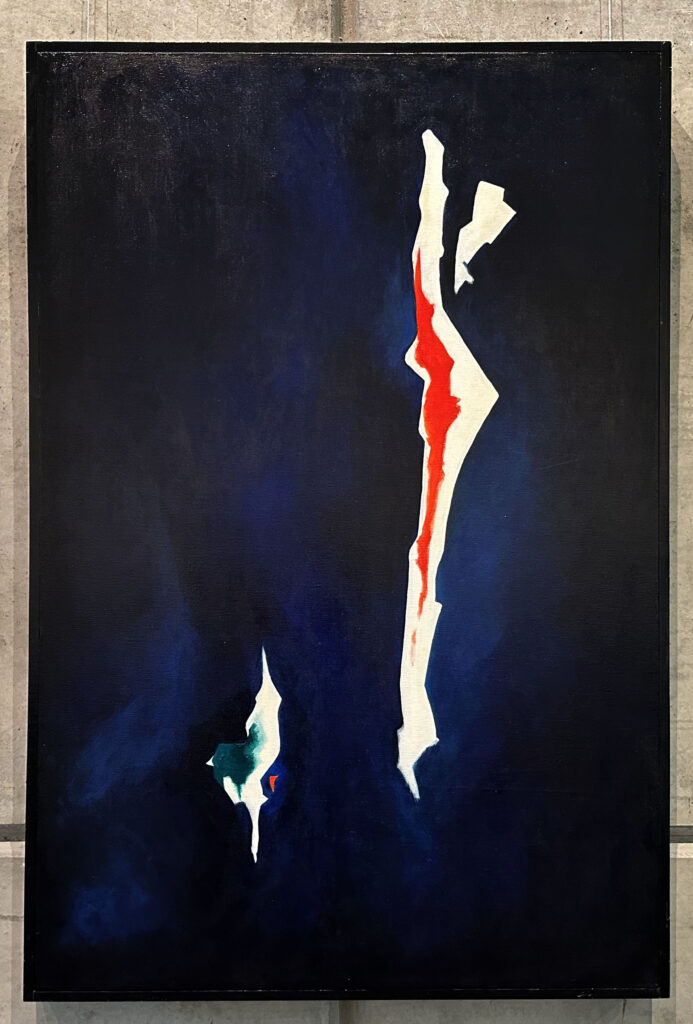
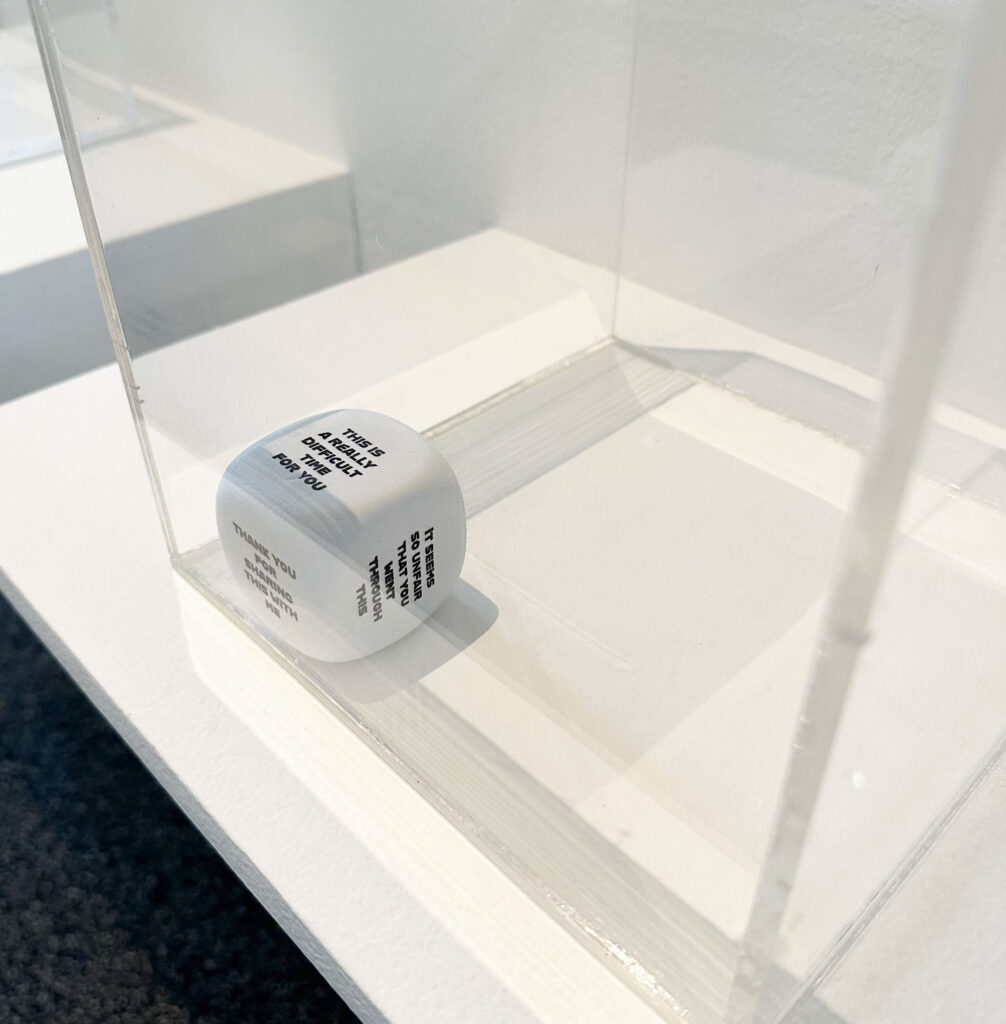
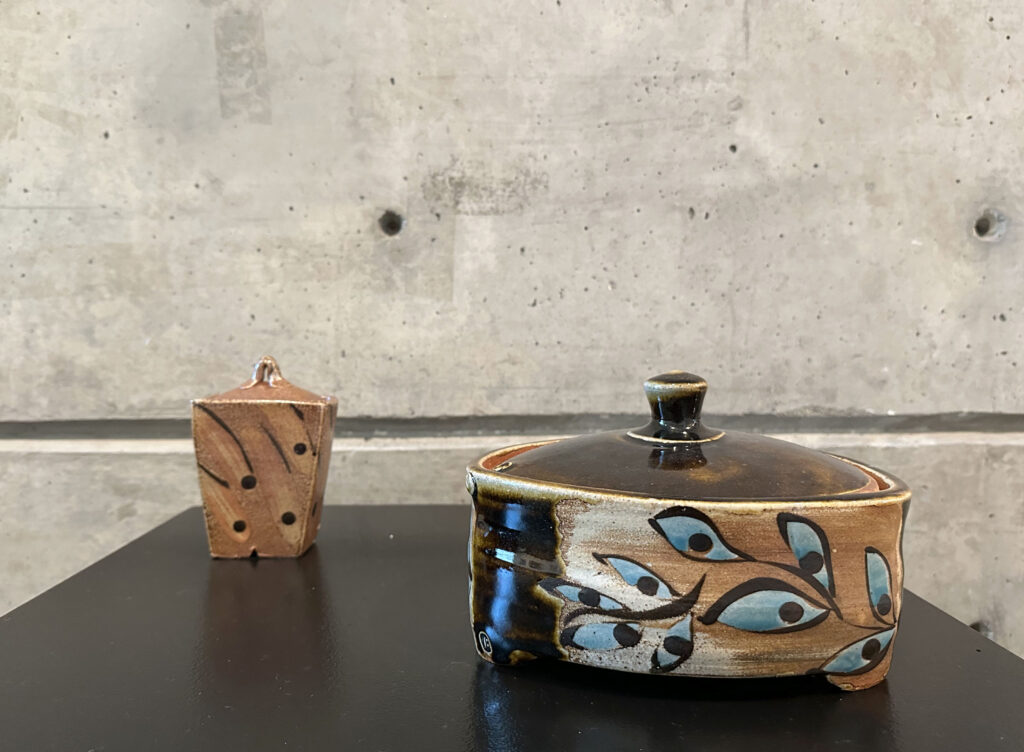
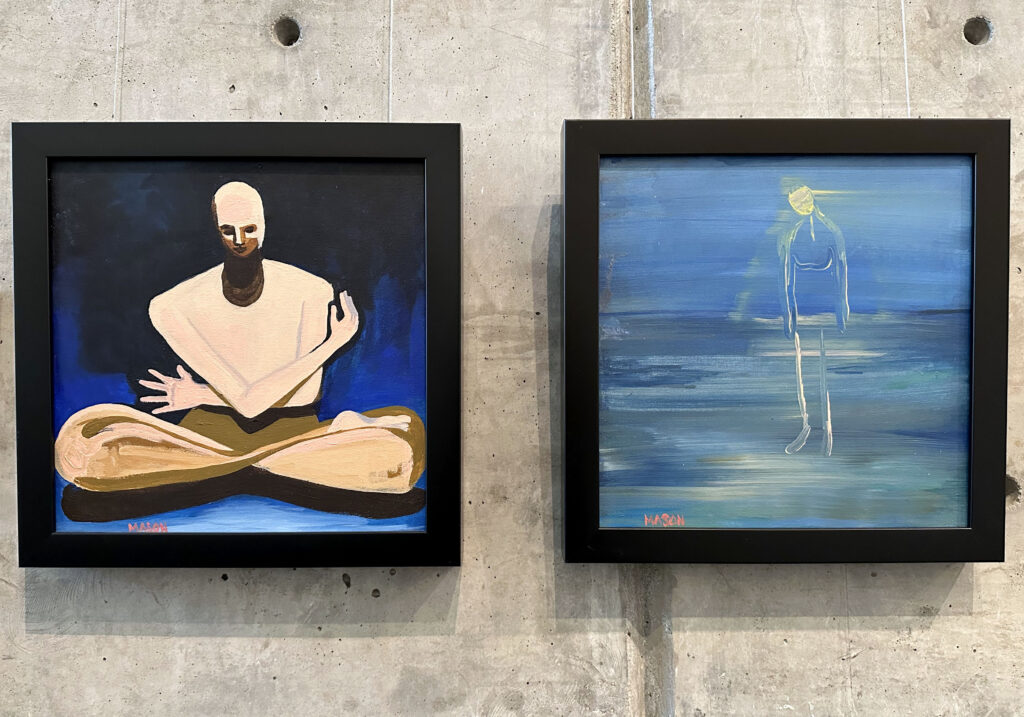
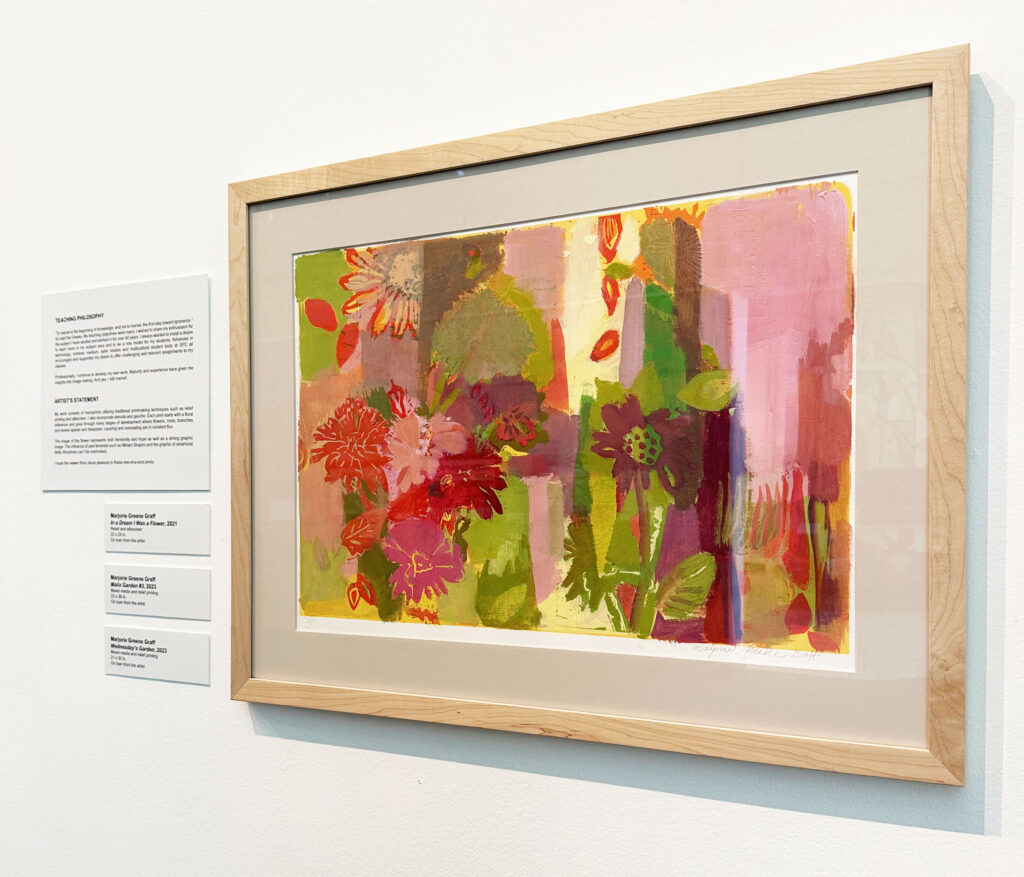
There are many incredible artists living and working in the Tampa Bay area and quite a few of them also teach. Leepa-Rattner Museum of Art in Tarpon Springs is currently showing work by faculty from the Visual Arts department at St. Petersburg College. In addition to a statement about their work, each faculty member also contributed their teaching philosophy.

Artists included in the exhibition- Jonathan Barnes, Nathan Beard, Ragan Brown, Mason Gehring, Barton Gilmore, Kevin Grass, Marjorie Greene Graff, Jennifer Guest, Jim Hagenbuckle, Elizabeth Indianos, Kim Kirchman, Michaela Oberlaender, Krishna Sadasivam, and McKenzie Smith.

Tonight, 12/7, Jim Hagenbuckle will be giving a talk at the museum at 6pm.

This exhibition is on view until 12/17/23.

Michaela Oberleander, “Bleed Out”, 2010, Acrylic on canvas

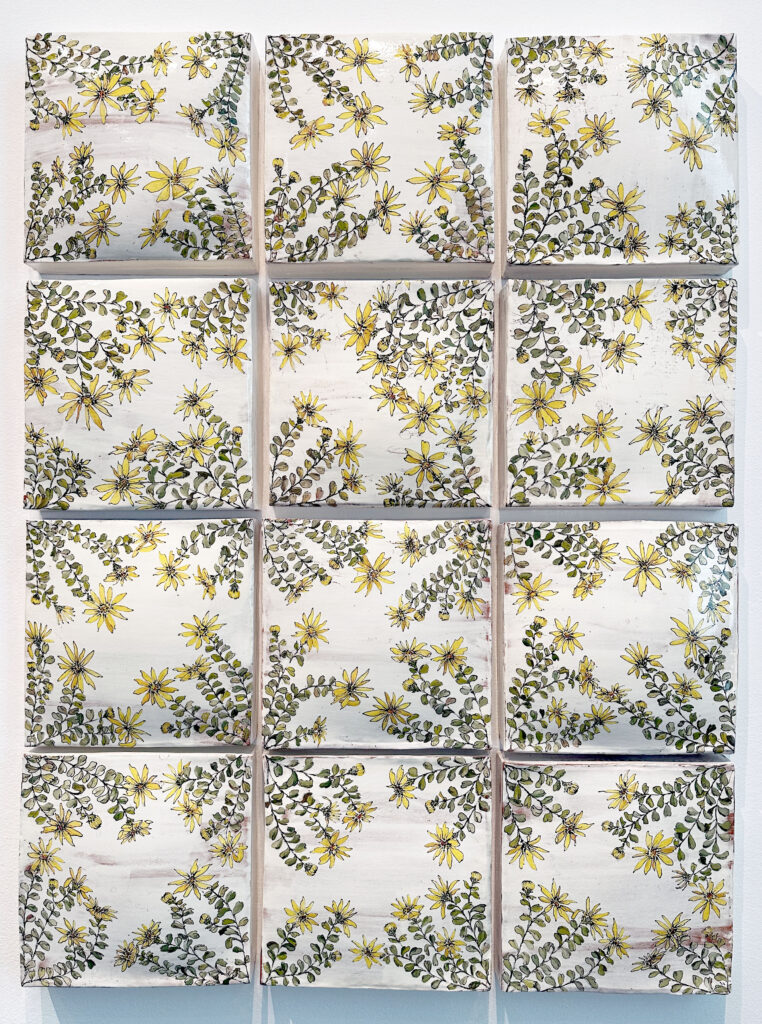
Kim Kirchman, “Cultivating What Might Be Lost”, 2022, Terra cotta with slip transfer

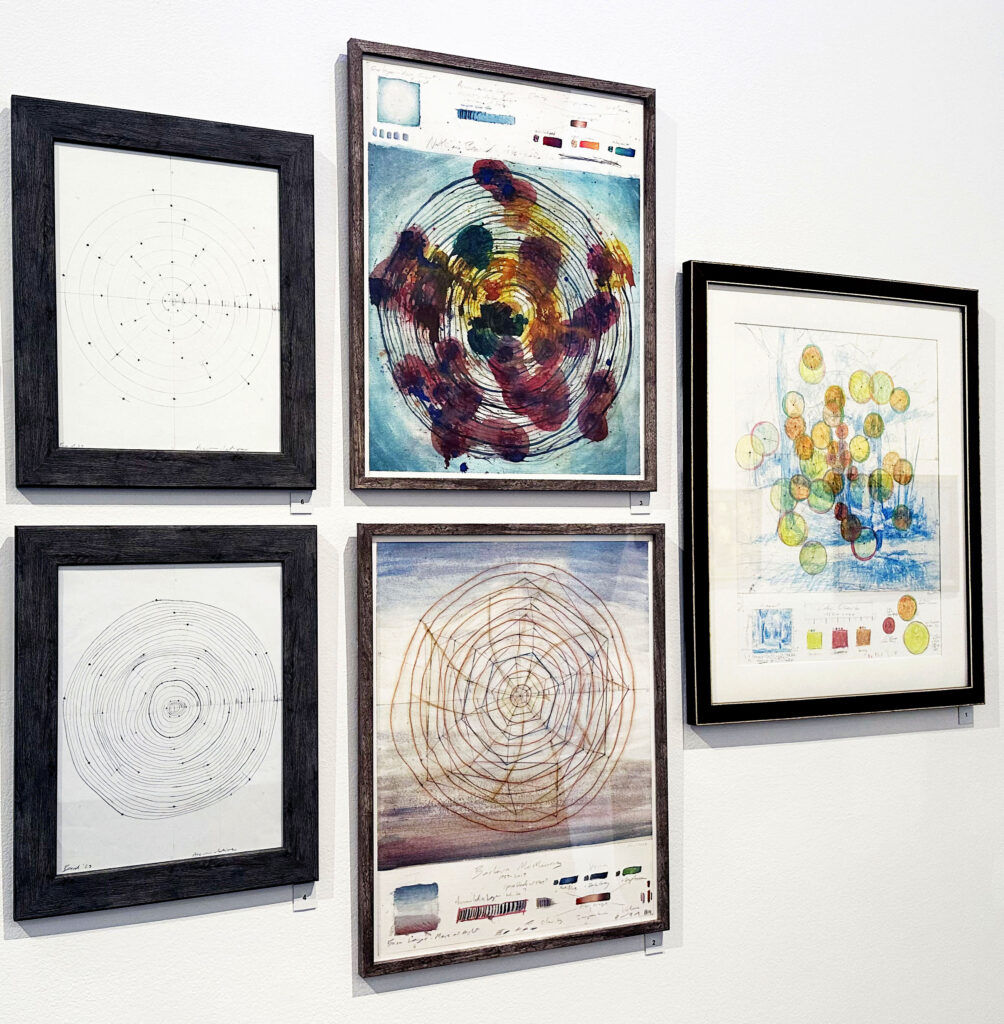
Work from Nathan Beard’s “LIFE LINES”

Nathan Beard’s description of this recent personal and intriguing project (pictured above)-

The Memory Map works on view here are my very newest attempt at understanding the role that fallible memory plays in the shaping of culture and self. These small watercolor studies are Phase II of LIFE LINES, a grand 3-part project in which I am examining my family’s memory of themselves and making artwork that tells their story. I plan to collect all of these studies into a singular book that can be handed down through the generations, or perhaps even preserved in a museum for everyone to see.

To create Memory Maps, I have created a survey for each family member. I ask them some general genealogy questions, since this survey will also function as a historical record, including their three favorite colors. I then ask them to try to remember each year of their life, from birth til now, and assign a rank between 0 and 5 for a) how clear their memory of the year is; b) how important that year was for them; c) how “good” or “bad” the year was. I add these columns together to get an “Accumulative” data set that I use to create a skeleton composed of alternating pentagons and hexagons that rotate as they expand. This part is important since it incorporates movement through time and space as we grow outward. Using the fact that our life’s journey always wavers, I then connect the points and end up with a “map” that resembles the cross-section of a tree, and contains all the metaphors associated with tree rings and natural growth cycles.

The most important visual development presented itself with Cate Clark, where I allowed myself the freedom to incorporate representational imagery. I asked my wife about her favorite place ever, and she surprised me with the family trip we took to Letchworth State Park in upstate NY. I found a picture from that trip with our daughter Vera standing at the edge of wood, and proceeded to paint that memory in resemblance of an antique plate. I also allowed myself the freedom to stray away from the tree ring aspect, while still using the data skeleton to place the bursts of color.

For more information, his artist talk is available here.

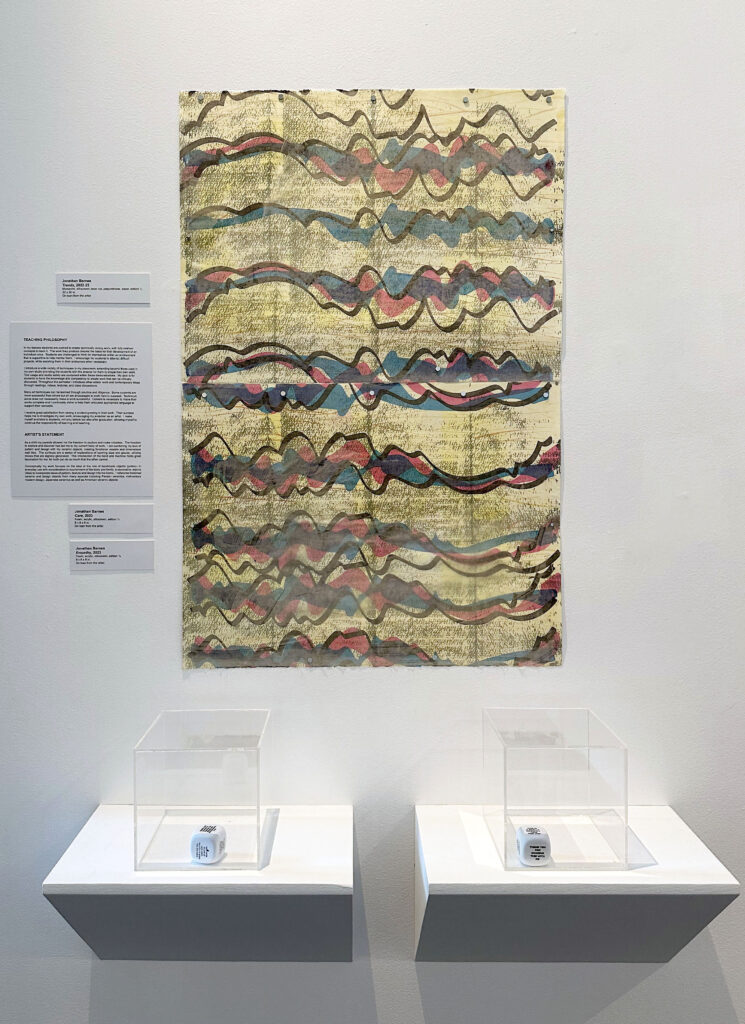
Work by Jonathan Barnes

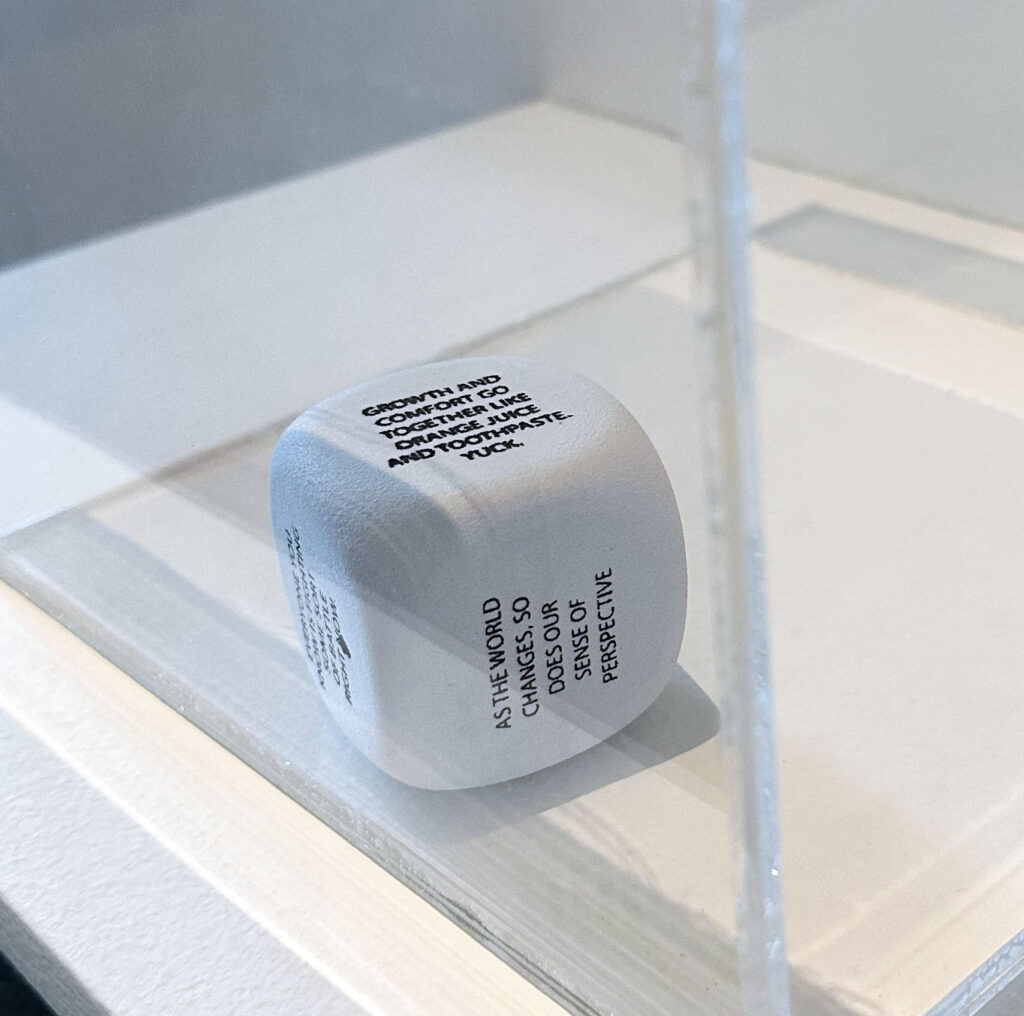
Sculpture by Jonathan Barnes

Sculpture by Jonathan Barnes

Soda/Salt Fired stoneware by McKenzie Smith

Acrylic on canvas paintings by Mason C. Gehring

Relief and silkscreen by Marjorie Greene Graff


Artists continue on page 2.