Apr 252023
 

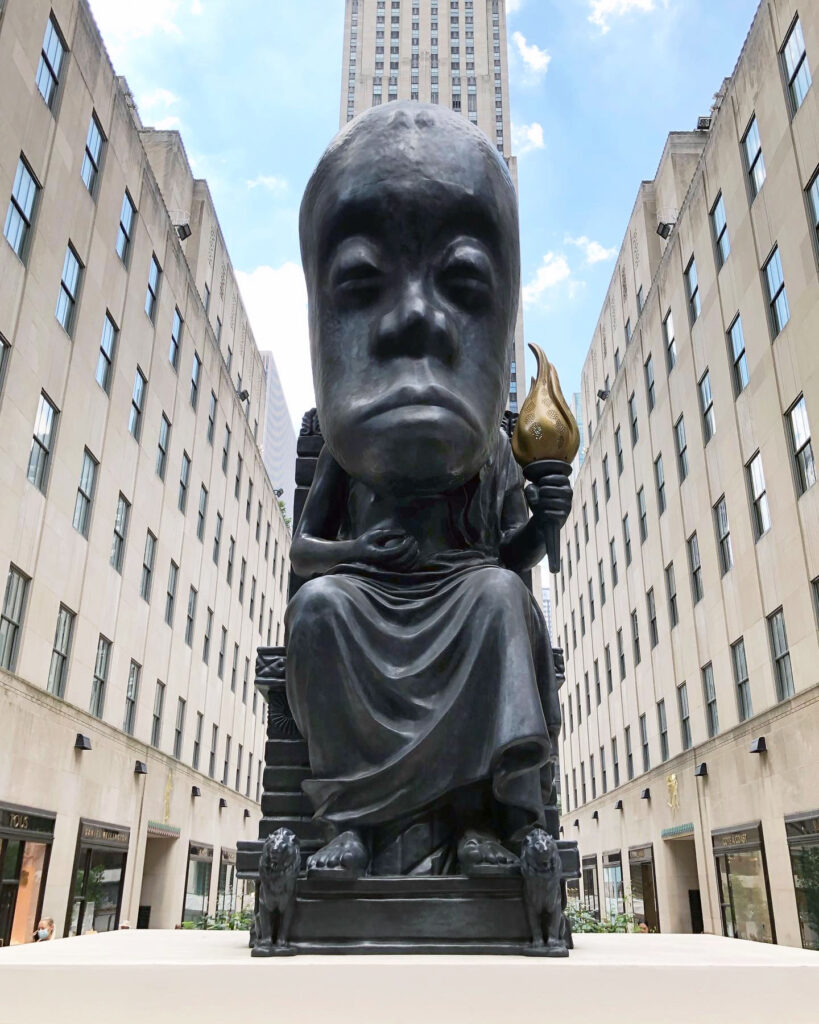
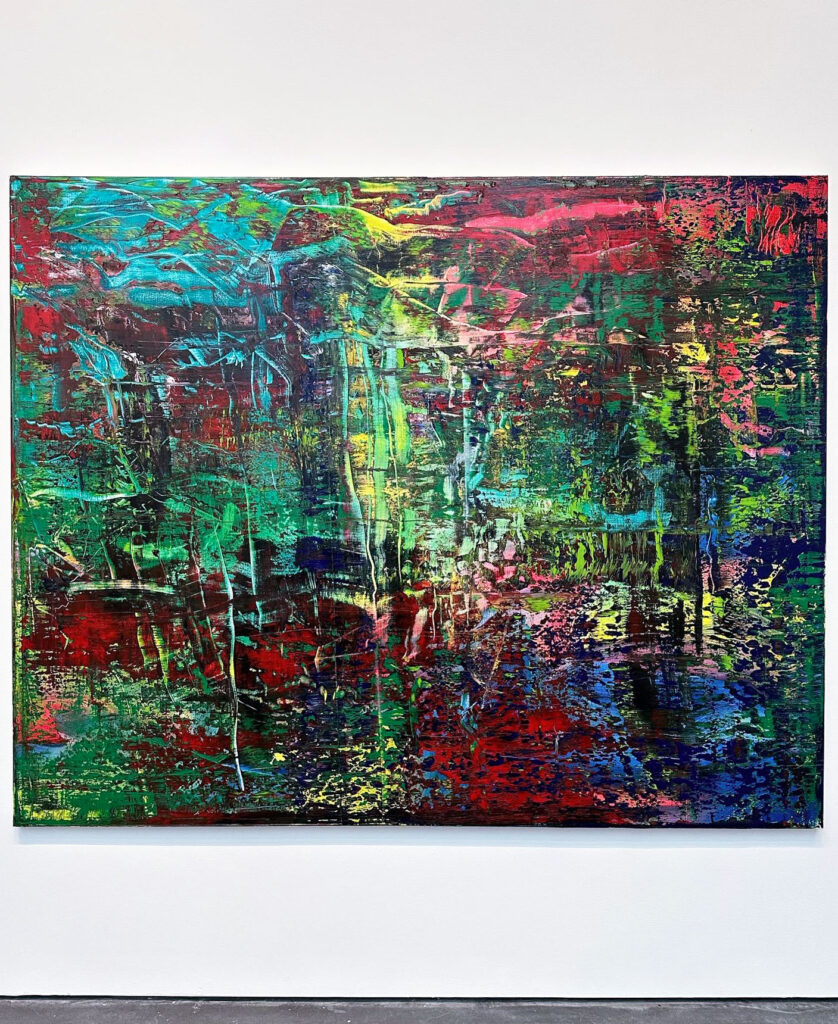
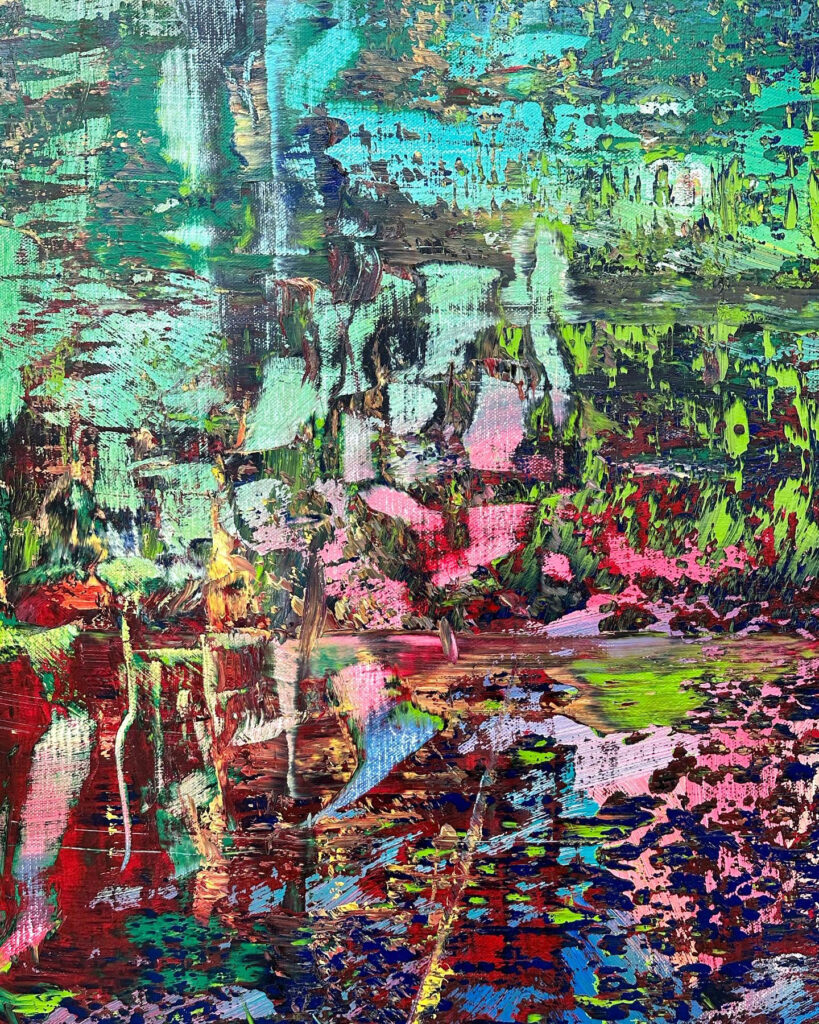
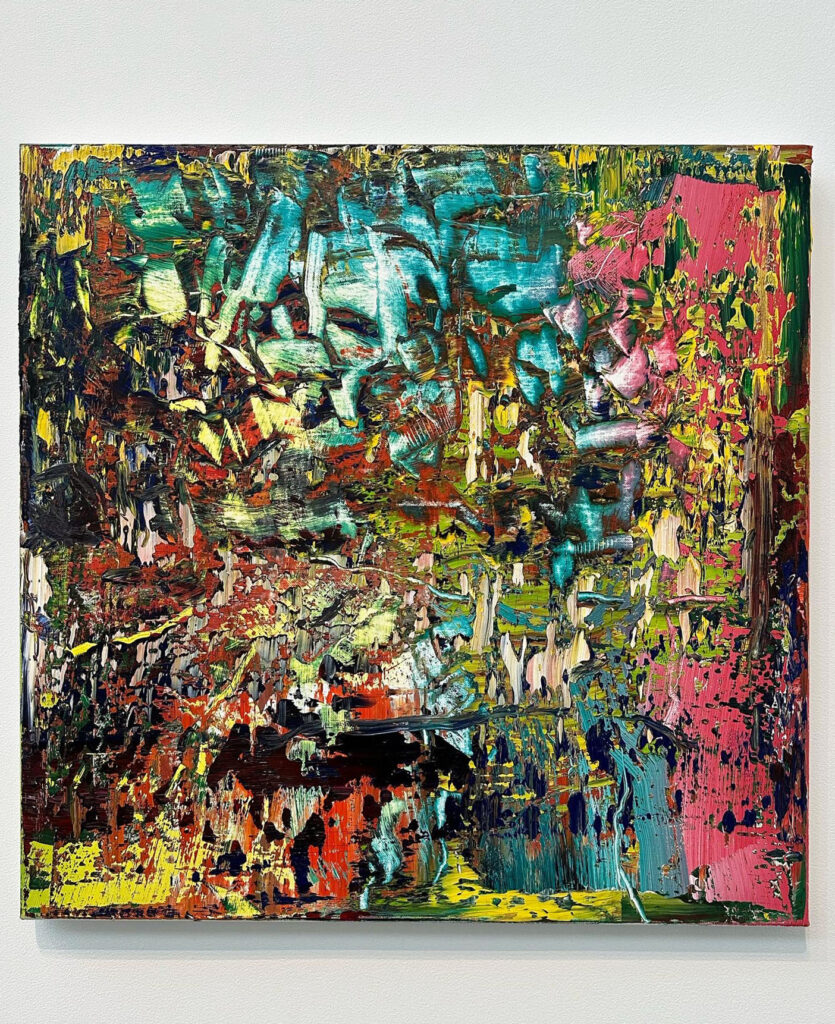
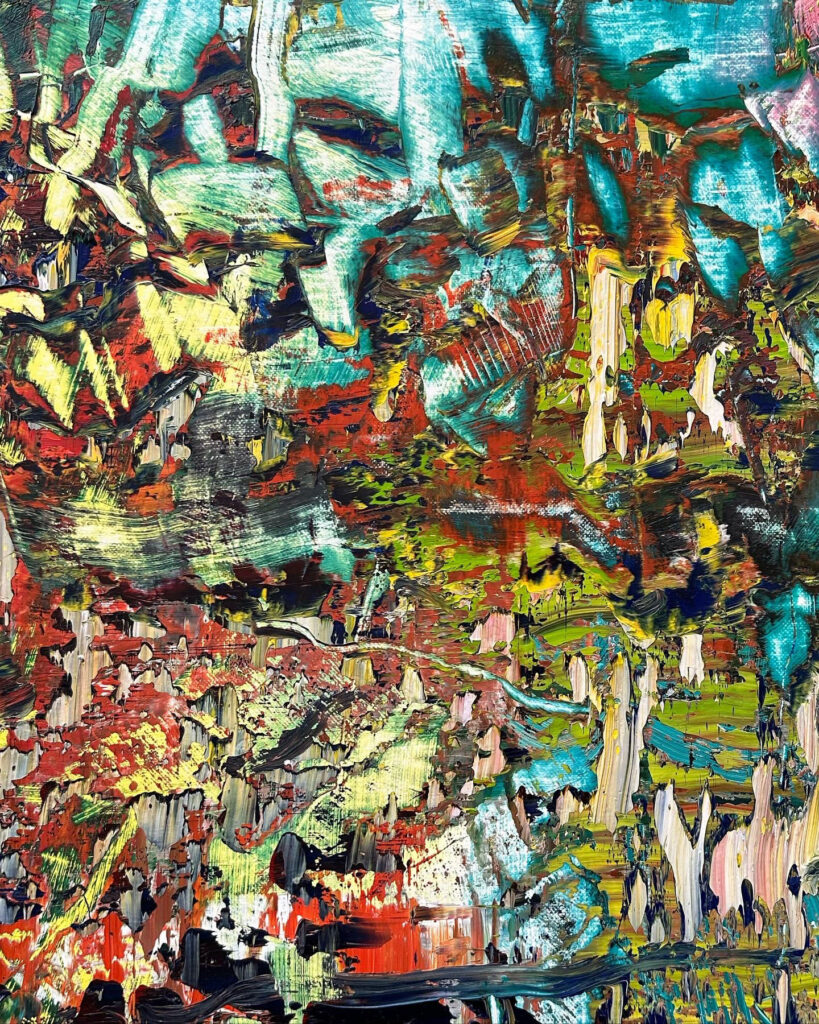
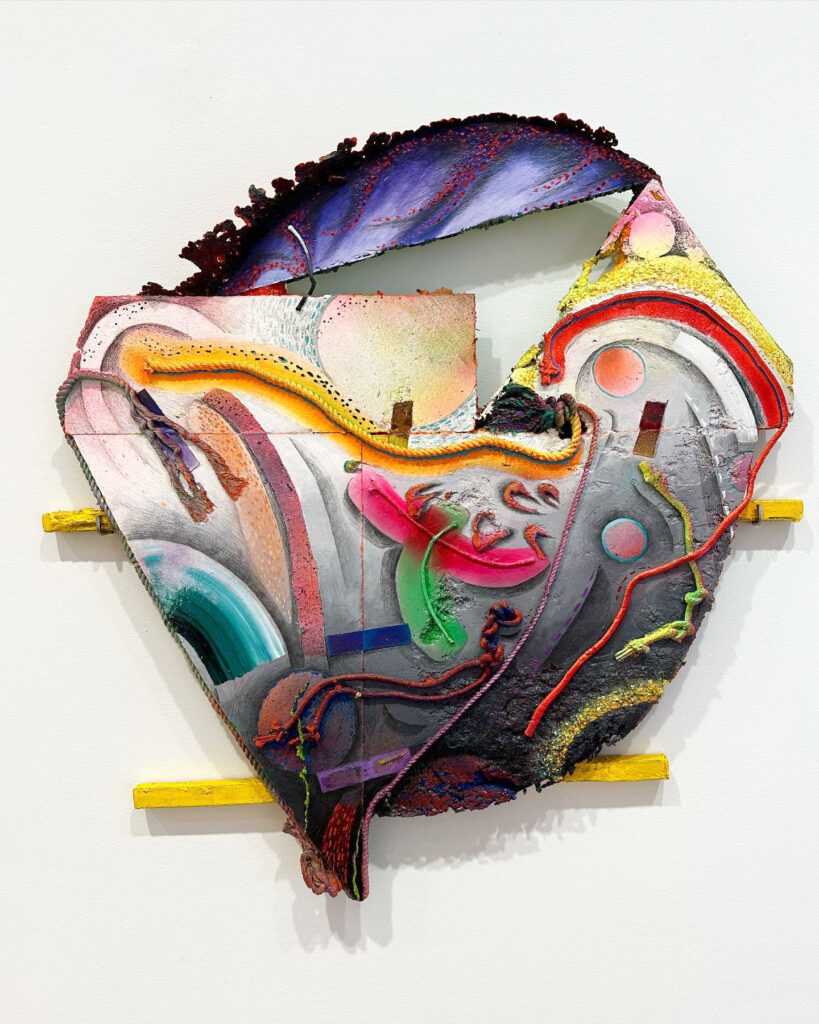
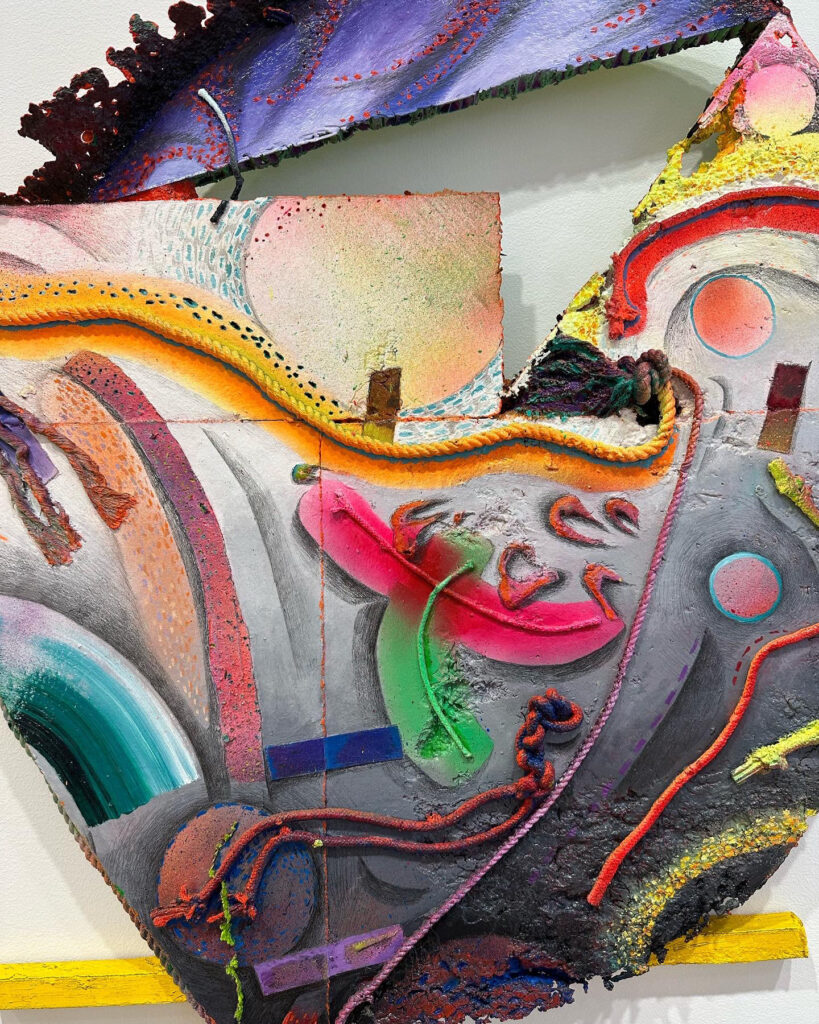
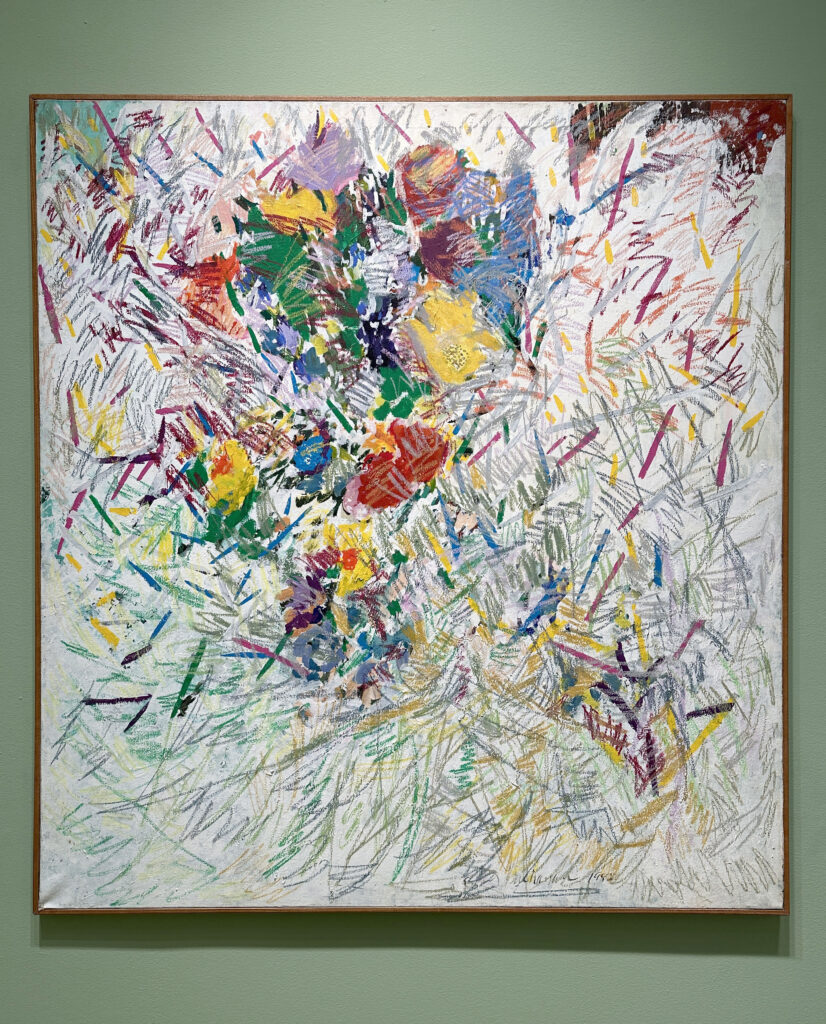
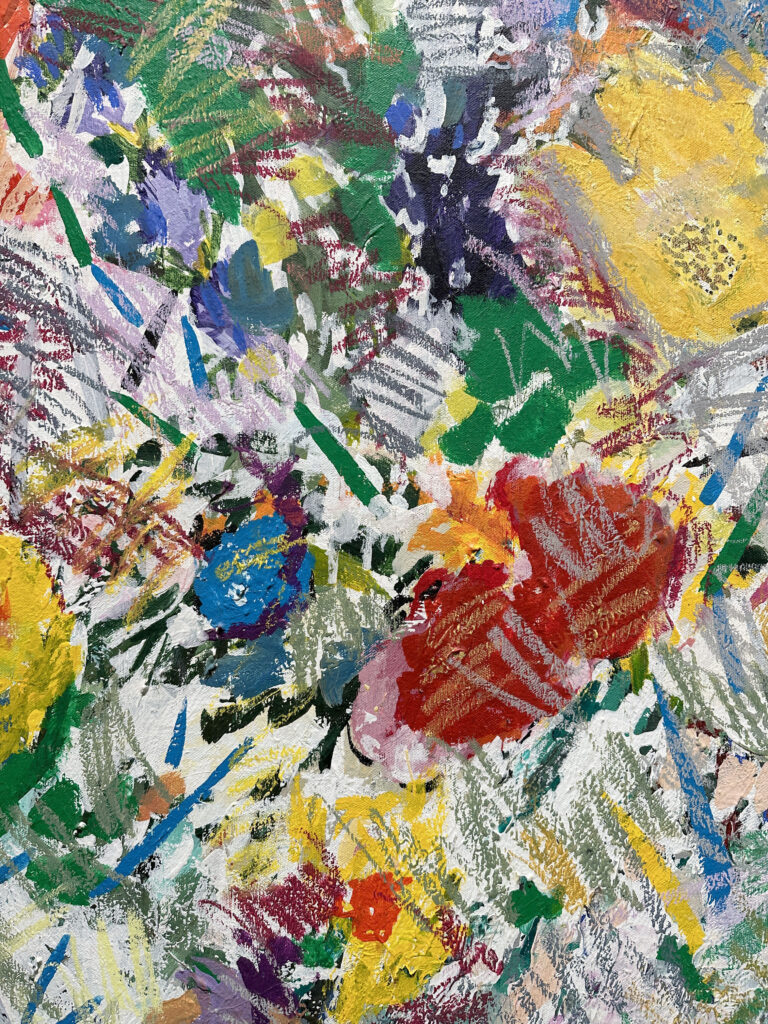
It’s the last week to see the Gerhard Richter exhibition at David Zwirner. The show includes a group of Richter’s last paintings from 2016-17, two of which are pictured above, as well as a new glass sculpture and recent works on paper.

From the press release-

Celebrated worldwide as one of the most important artists of his generation, with a career spanning from the 1960s to the present, Richter has pursued a diverse and influential practice characterized by a decades-long commitment to painting and its formal and conceptual possibilities. The artist has consistently probed the relationship between painting and photography, engaging a variety of styles and innovative techniques in a complex repositioning of genres. In Richter’s work, dual modes of representation and abstraction fundamentally question the way in which we relate to images.

The exhibition will bring together a significant group of Richter’s last oil paintings, made in 2016–2017, a number of which will be shown in New York for the first time. Richter stopped making oil paintings in 2017, and the final work on canvas he made will be on view in the exhibition. Part of the artist’s Abstrakte Bilder (Abstract Paintings) series—a cornerstone of his practice since the 1970s—the works on view exemplify Richter’s investigations into chance occurrences and the painted medium’s historical and material properties. With their highly worked and intricately stratified surfaces, the last paintings foreground the sheer physical presence of paint and color, enacting a mode of composition that is aleatory yet deliberately planned.

Centrally featured will be 3 Scheiben (3 Panes) (2023), a new glass sculpture that continues Richter’s exploration of human perception and the built environment. Comprising three sequential rectangular panes of transparent yet reflective glass—each one positioned upright and measuring almost ten feet in height—the installation invites viewers to look at, through, and beyond its surface, revealing the inherently subjective and situational nature of perceived reality. Richter has consistently created glass and mirrored works since 1967, often presenting them alongside his paintings and drawings and placing them in the larger context of their surrounding architecture. Crucially, while sculptural, these free-standing glass works are also positioned as a literal reflection on painting and image-making; they respond to the art-historical notion of the painting as both a mirror and a window, while also acting as a powerful corollary to the blurred effect of Richter’s photo paintings, which the artist began experimenting with in the 1960s. As critic Hal Foster notes, “The felt analogy between a composed painting and a contemplative viewer is so fundamental that we are not aware of it until it is interfered with. And this is precisely what the glass pieces do: our reflection, in the sense of our mirrored image, disrupts our reflection, in the sense of our contemplation.”1

An expansive suite of new works on paper from 2021–2022—some made with ink and others with graphite and colored pencil—will also be on view. Richter’s drawings constitute a significant element of his practice, allowing him to explore another aspect of the role of the artist’s hand in the creation of a dynamic and abstract pictorial narrative. Many of these works feature passages of cloudy graphite rubbings juxtaposed with equally hazy semi-erased portions. The artist embeds a sparse network of crisscrossing arcs and lines amongst this backdrop, forming an enigmatic topography that seems to map out the very possibilities of image-making itself. Other drawings on view are composed of abstract monochrome washes of ink and graphite, taking on a decisively painterly appearance; as Richter describes, these works on paper chart out a parallel but complementary path to his painted oeuvre, much like that of “a poem and a novel by the same author.”2

Also on view will be mood, a group of inkjet prints that relate to a recent series of colored ink drawings by Richter, both of which debuted at the Fondation Beyeler in Basel in 2022. Part of the artist’s extensive career-long experiments with the iterative translation and interplay of mediums, these vibrant prints are almost indistinguishable from their ink counterparts, revealing Richter’s continued fascination with the possibilities of image reproduction.

This exhibition closes 4/29/23.

Apr 222023
 

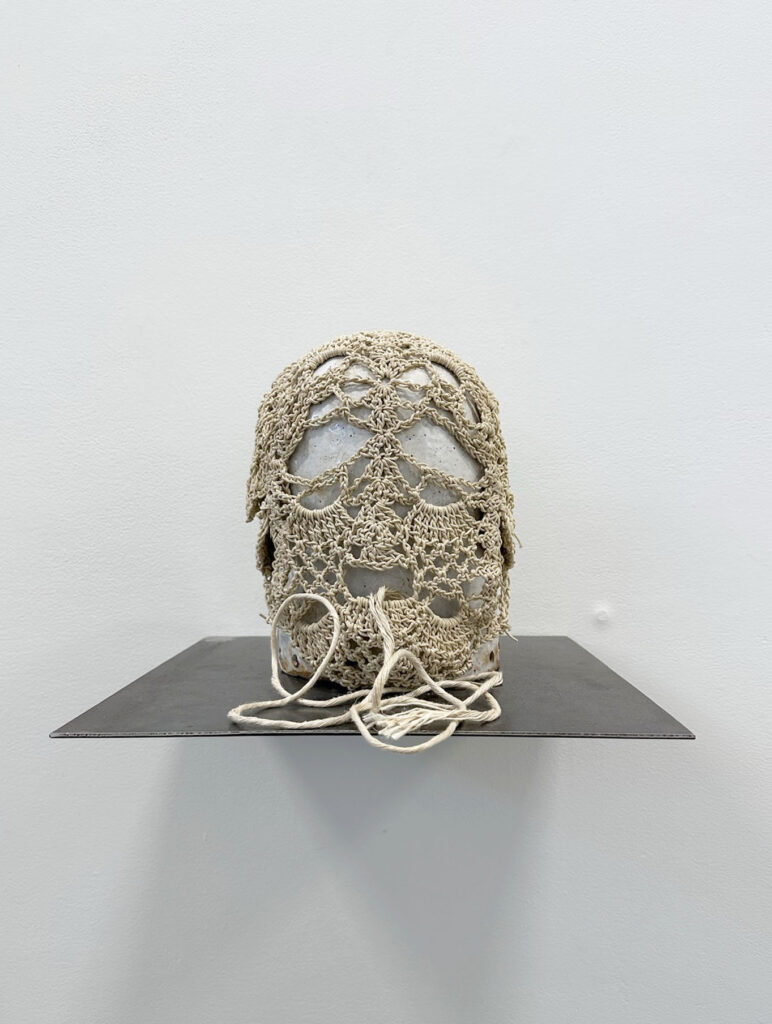
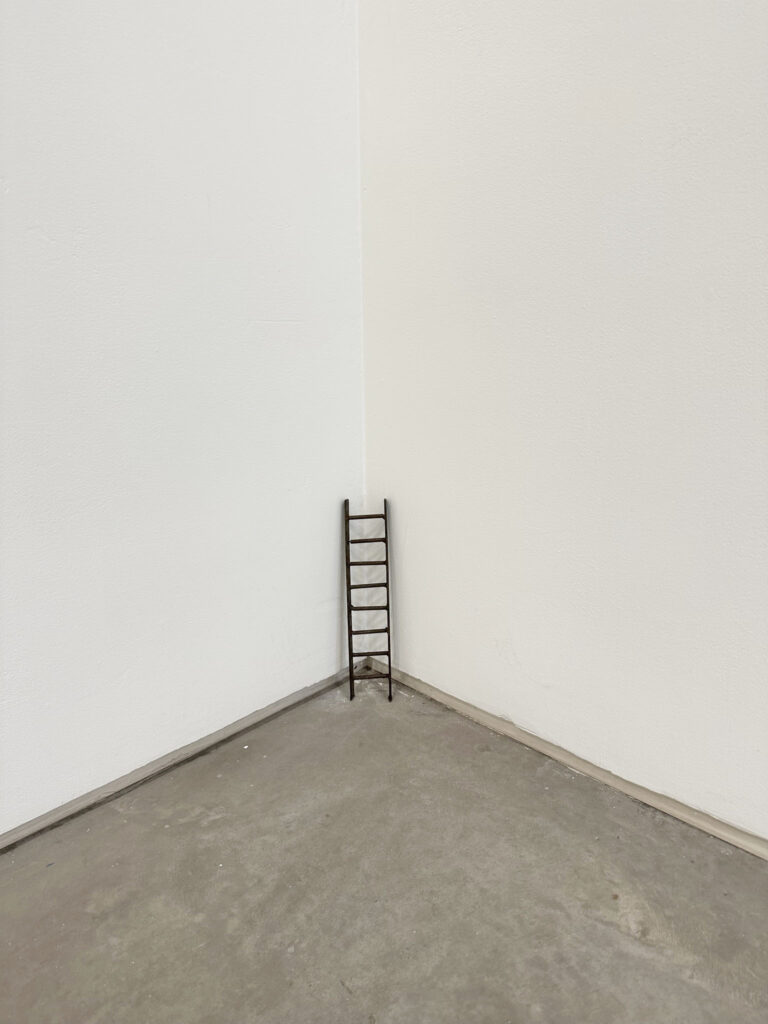
cabeza güera, 2019 Glazed ceramic and crochet cotton

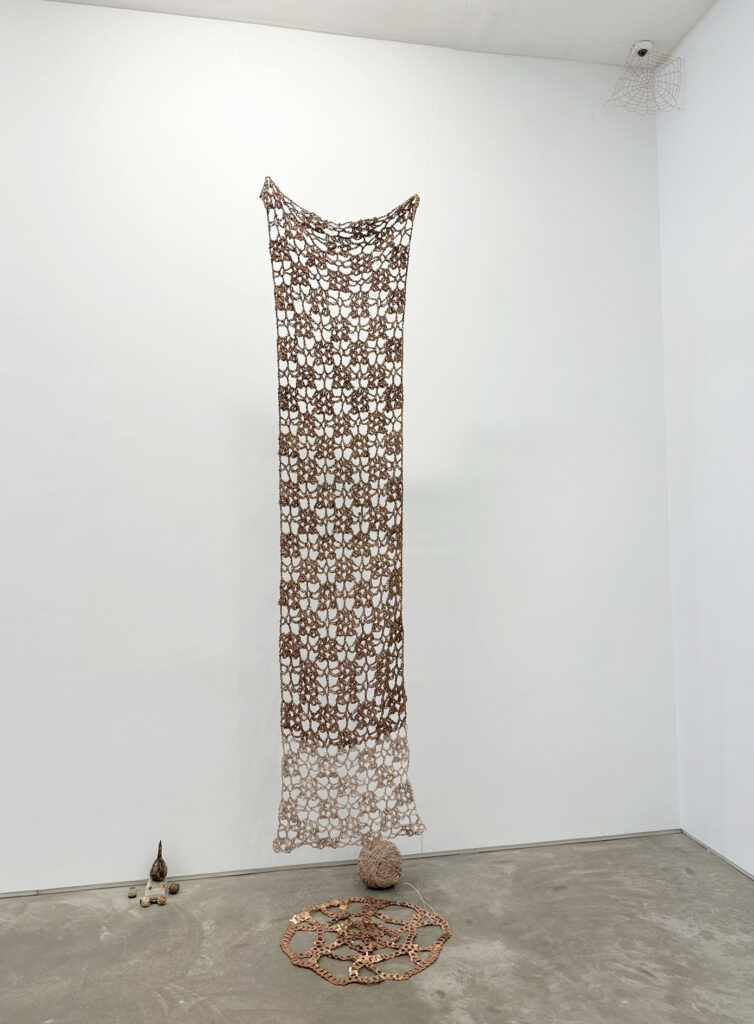
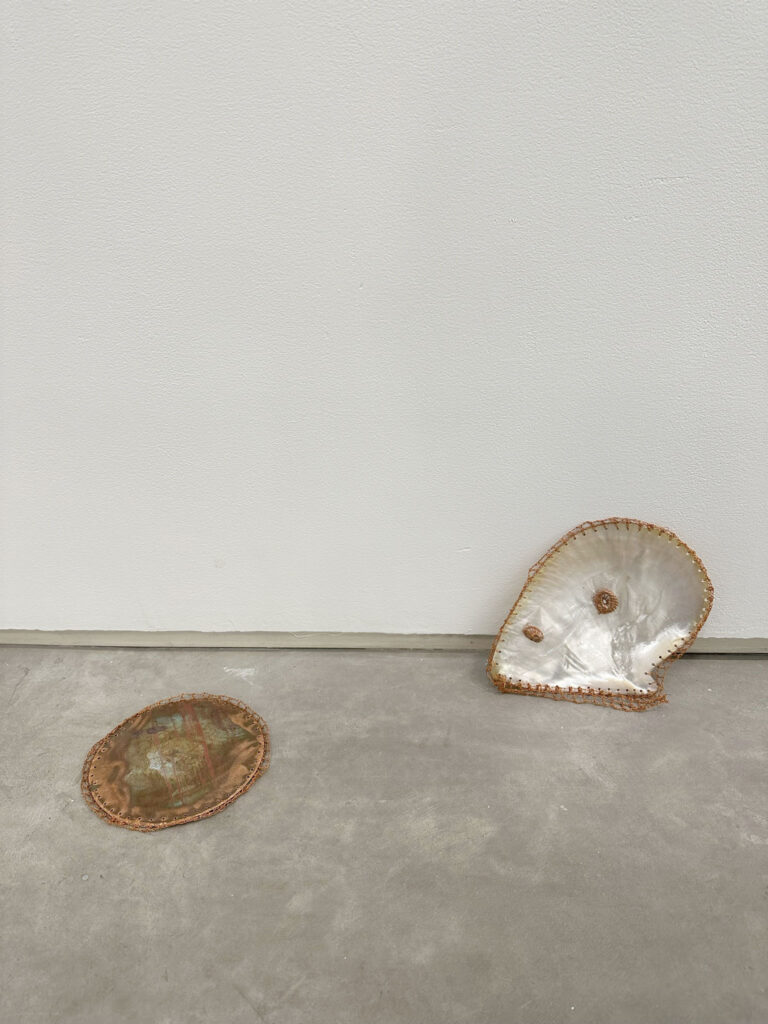
“encuero”, 2022-2023, Crochet leather and copper; “gotitas”, 2023 Agate, glazed ceramic, plasma cut metal, steel, onyx, palm, and seed podand; “telaraña de cobre”, 2020 (web in upper corner)

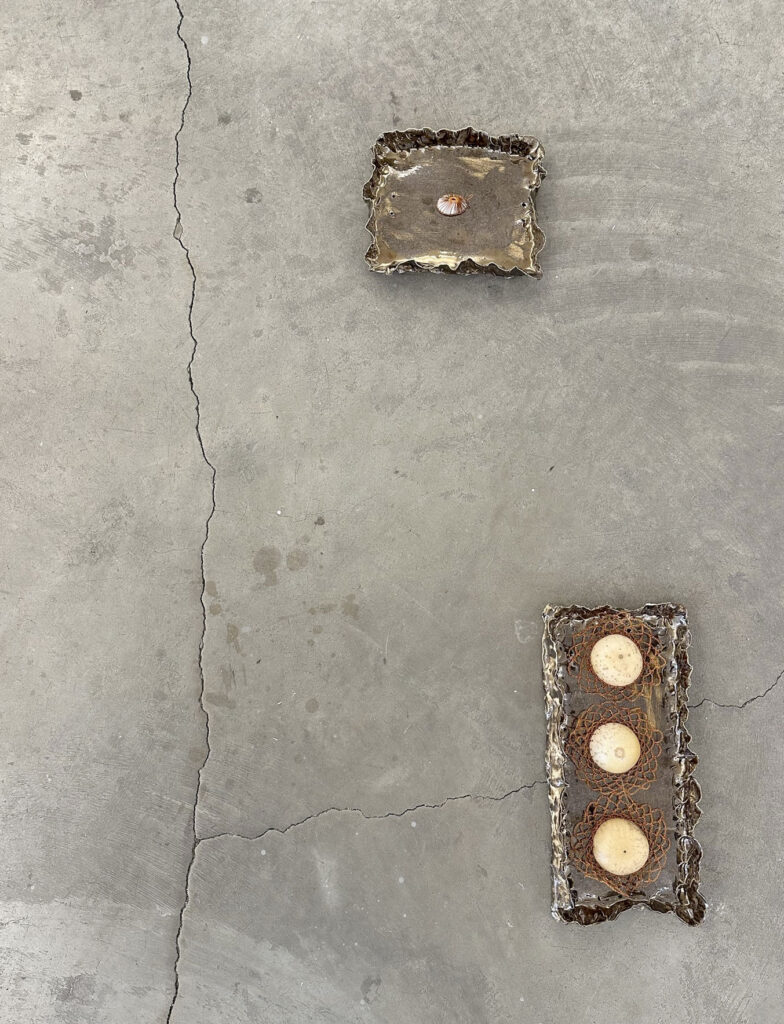
“trastes ceramica”, 2023 Glazed ceramic, gourds, crochet copper wire, and limpet shell

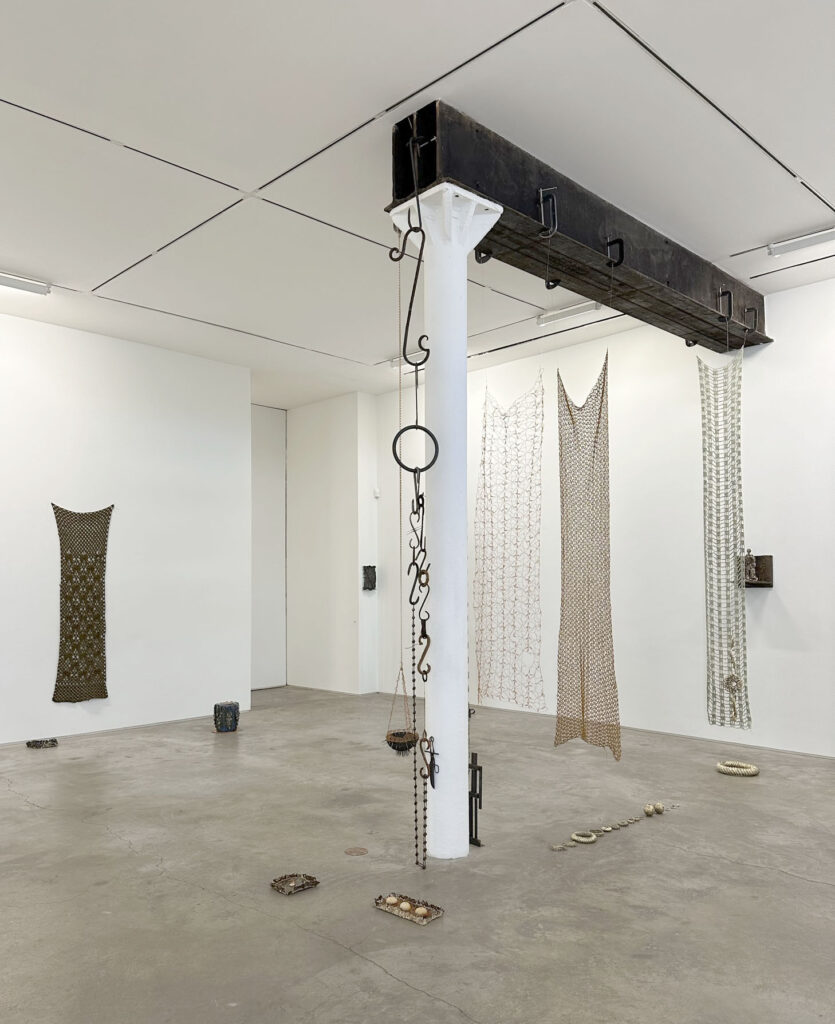
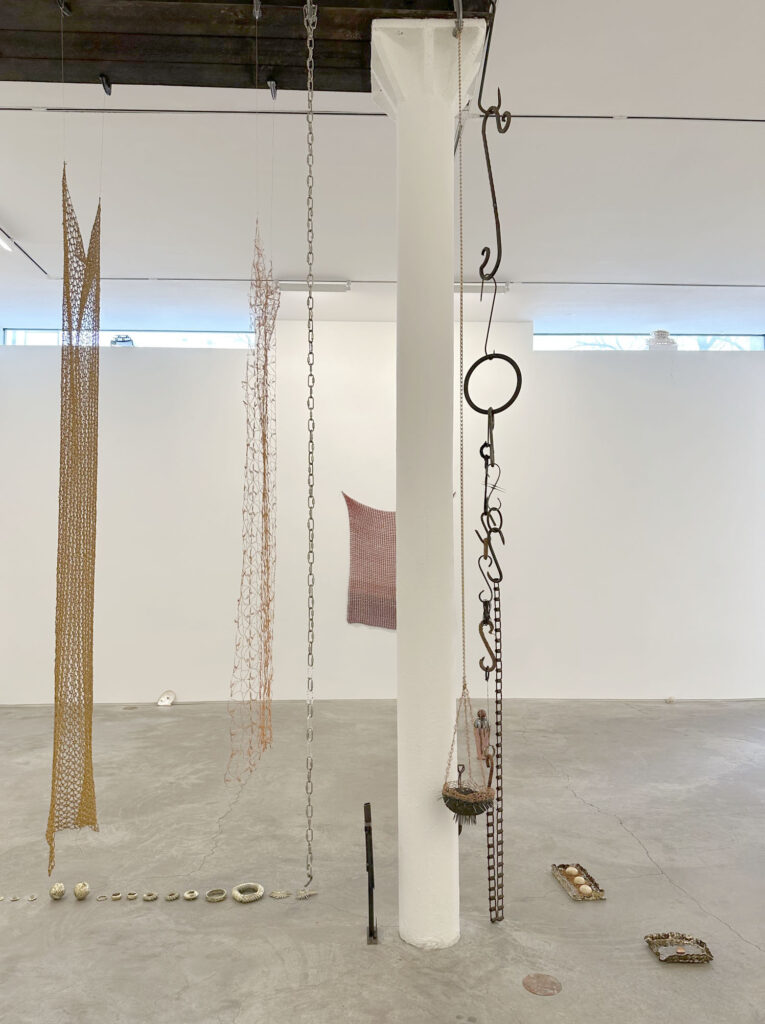
There’s only two days left to see ektor garcia: esfuerzo at James Fuentes. The enchanting sculptures inspire curiosity and encourage the viewer to imagine the story behind the work while also admiring their construction.

From Art Daily about the exhibition-

Each of ektor garcia’s exhibitions are more like a marker of a moment of pause in his work, rather than a presentation of something complete or discrete. In this way his works are evidence of a continual natural progression, as things build on top of each other, evolving. In relation to the specific time and place of this newest exhibition; it marks a cyclical continuation of the garcia’s presentations at the New Museum in 2017 and Sculpture Center in 2019—both of which moments in the artist’s life when he was traveling a lot, largely moving between Mexico, being on the road, and New York, specifically. This is the case once again, today:

For this show garcia traveled from his studio in Mexico City, suitcases filled with materials, to occupy the basement space below the gallery at 55 Delancey St in the lead up to the exhibition’s opening to the public. He has also retrieved objects previously exhibited or in storage—for example a 15-ft copper link piece recently exhibited at the Henry Art Museum has been broken into smaller pieces, added to and reconfigured into a new work(s). The exhibition title, esfuerzo translates to effort; as in a big push, like a birth, which feels apt for what the artist does. Pieces come together little by little over a long period of time; and the work comprises many small parts that each reflect his esfuerzo in making them. Another translation for esfuerzo could be output; and, shortened, fuerza means strength. Via his artistic practice, garcia is the conduit or vessel through which that life-force runs, resulting in an output that is this body of work. garcia is constantly making, hands always moving; this is simply part of how he lives his life. The work therefore isn’t made toward constructing a larger conceptual conceit; instead, its making is its meaning, the working is the work. Its presence in the space is evidence of all this; making room for it to be approached and even interceded, we inherently take part in the work’s life cycle, even potentially changing its course by entering this domain.

This sense of force, therefore, isn’t tied to garcia’s hand only, but relates externally as well. One piece in the show, cochinilla (2022), is woven from wool dyed red from the shell of the cochineal insect. Last year it was installed on the exterior of the Museum of Contemporary Art in Monterrey, Mexico, and upon taking it down garcia’s realized it had become sun bleached unexpectedly. With other pieces he more deliberately pushes, forcing change, for example by using a blowtorch against copper to catalyze an oil-spill patina. Over time, crochet has been one constant; a crocheted piece needs time, and then it meets time. In his words: “The materials are vibrating back and forth, taking turns. That is how they evolve.” And so although the works reference the past they do not prioritize it; likewise the future. Rather, in the style of the ouroboros, they are cyclical, perpetual, and most generous about the present.

Artist Cy Gavin wrote this piece to accompany the exhibition, which is worth a read as well.


Apr 212023
 

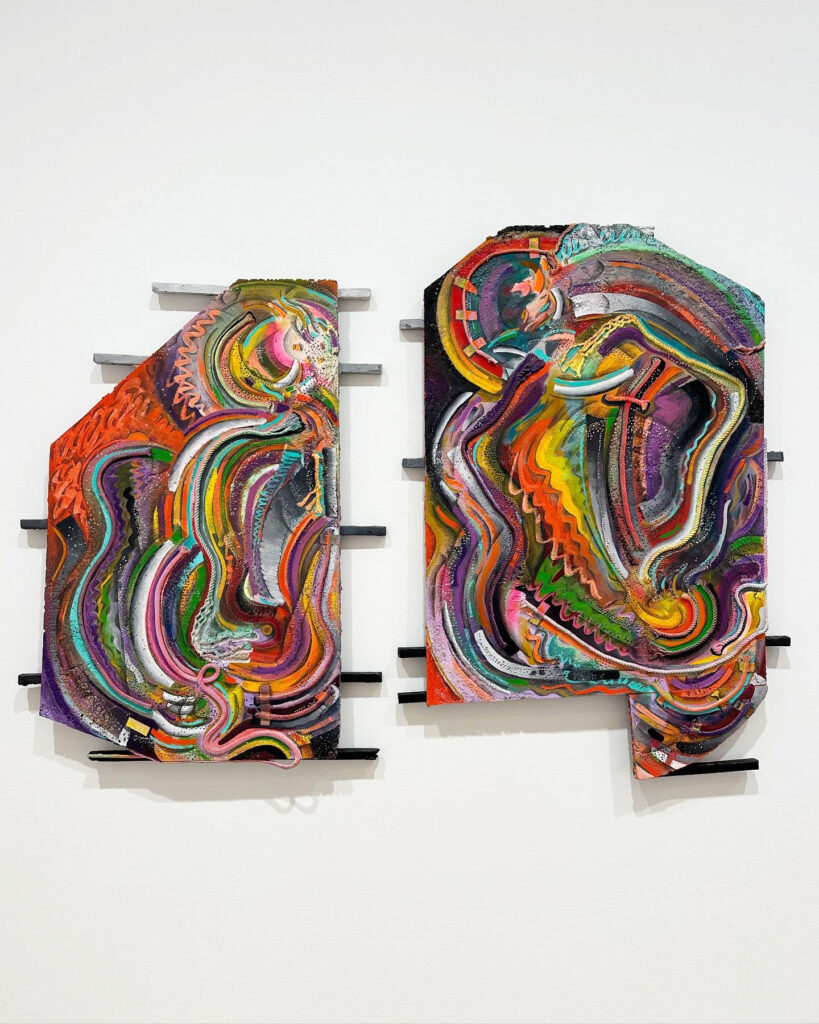
“when stone entwines”, 2023, Oil and enamel paint, graphite on cast aluminum, in two parts

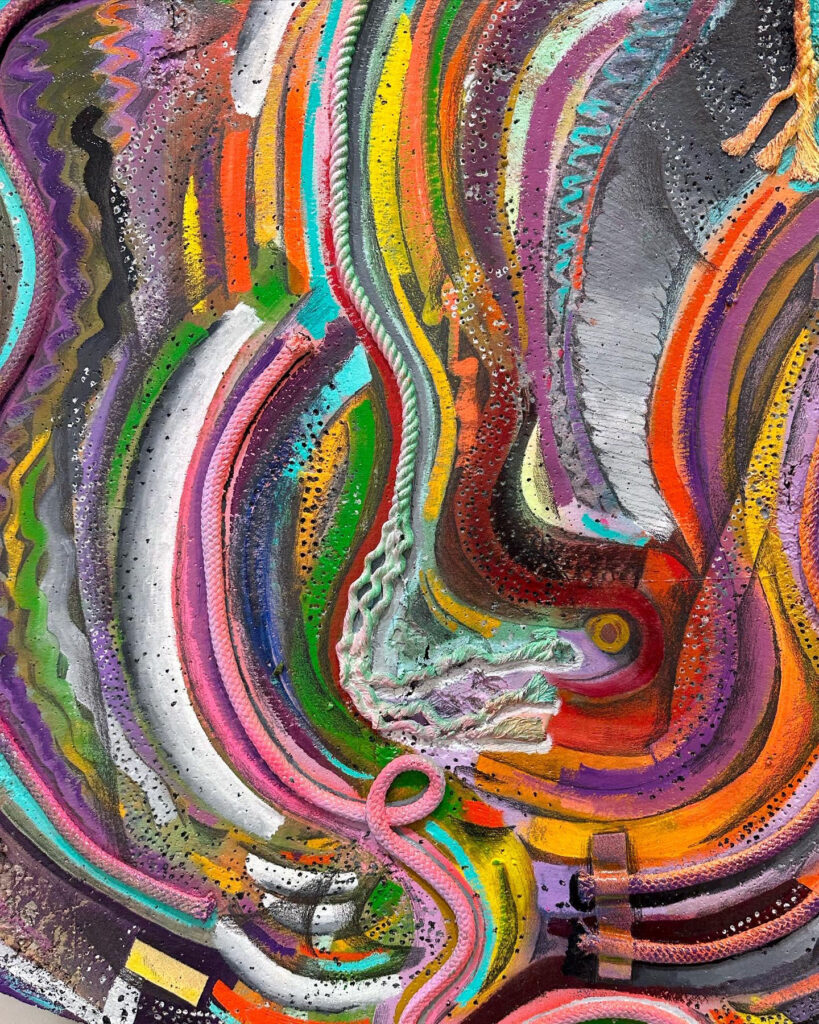
“when stone entwines”, 2023, (detail)

“if only, if yet”, 2023, Oil and enamel paint, graphite on cast aluminum/painted wood

“if only, if yet”, 2023, detail

Miles McEnery Gallery is currently showing Katy Cowan’s colorful and intricate sculptures for her exhibition gods on a bridge.

From the press release-

gods on a bridge is Katy Cowan’s first exhibition of metalworks since relocating her artistic practice from California to Berlin. The resulting body of work is a culmination of her current experiences, coupled with engrained references to the historical presence of sculpture in the city.

Each work starts in a foundry where the artist casts solid aluminum forms, which are then adorned with a variety of mediums and methods: acrylic and enamel paints, sprayed and brushed. Cowan elects to retain the fractured casting bars, signaling a parallel to the remnants of the Berlin Wall. As personally described, a guiding principle in her process is to “combine a multitude of experiences onto one surface and find a way to seize that depiction.”

This overarching aim is realized when Cowan draws from natural and urban environment alike—the blooming trees, reflecting ponds, and embracing bodies. The most prominent of these influences are the stone sculptures that appear throughout the city, acting as constant fixtures in the landscape, changing with age, taking on the textures of time and layers of graffiti. In her essay, Stephanie Cristello cements their influence by the figurative turn in Cowan’s compositions, expressing that they “have manifested as sculptural abstractions and fragmented, embodied landscapes.”

Cowan translates this amalgamation of inspiration to her aluminum surfaces, contouring reflections with cast rope, painted lines and flowing points. “Each work constitutes at once a fleshing out of figures as much as a mapping of movements—whether bodies in a park or city street or marks that dance across the capacious plane of representation itself,” writes Stephanie Bailey. “[gods on a bridge is] where line, ground, and figure collapse into a vortex of intuitive becoming.”

This exhibition closes 4/22/23.

Apr 202023
 

“Pink and green music”, 2023

“What we re-quire is…silence”, 2023

“Within the Lattice”, 2023

“An Ode to Hugs”, 2023

It’s the last week to see Kennedy Yanko’s exhibition, Humming on Life at Jeffrey Deitch gallery’s Wooster Street location.

Tonight, 4/20/23, she will be at the gallery discussing her work with Alteronce Gumby.

From the press release-

By employing paint skin and metal in ways that both transmute a bodily essence and reposition the weight of gravity, Kennedy Yanko wields materiality and abstraction with the possibility of intervening in the viewers’ perceptions. In Humming on Life, Yanko‘s first exhibition at Jeffrey Deitch, the artist continues this exploration.

Although the tactile quality and lyrical processuality of Yanko’s works emphasize their sculptural quality, the artist considers herself foremost a painter. In her new body of work, Yanko takes an approach to sculpture that reconnects it, and her, with painting. In recent years, the weathered paint and bruised patinas found on salvaged metal relics informed her palette for the paint skins. Now, the artist is introducing colors to the metal she finds. By painting the metal directly, underpainting, fire-cutting forms and compositions, and then crushing those new shapes, Yanko is expanding the definition of painting through her process. She remarks:

Working this way has been labor-intensive and has exposed me to sounds, like water thrashing inside a metal tank while cleaning it. Feeling that thrashing—hearing a power that felt like infinity incarnate—encouraged me to probe water as a medium and examine my intuitive method more closely, which seemingly only comes from physical exchange: input and output, expansion and contraction. In pulling water apart and becoming more curious about its behavior and participation, I’ve enjoyed revisiting the ways in which it’s a web of activation, a source, and information. It’s a cue and a salve and carries with it tinges of what it’s gone through.

What water did for me in that moment was to point back to the livingness of my medium — of the metal and paint skin I rely on — and wash away the binary between life and matter. Erasing this divide expands the possibility of experience; it gives materiality an abstract power that we yield to. It’s that vitality, found in color, form, attention and consciousness, that I hope this work can be a language for.

The “Illuminating Sound” presented apart of the exhibition, composed by Samuel Kareem, is derived from audio Yanko recorded while working in the yard. Kareem expanded one striation of sound within the clip—one small element he excavated from the layers of water, metal, paint and movement—and created 10 ten unique soundscapes. Each of the scapes corresponds with a sculpture within the show, and illuminates it. Listen to “Illuminating Sound” here.

Apr 182023
 

“Untitled (Thicket)”, 2022, Steel, wood and paint

“Untitled”, 2020-22, Bronze and paint (two parts)

“Untitled (Fence I)”, 2020, Papier mache

Rachel Whiteread’s sculptures at Luhring Augustine’s Tribeca location draw the eye in with their textures, colors, and in some the unique combinations of items. They are even more intriguing when you discover they are often not what they first appear to be.

From the press release-

As is typical in Whiteread’s work, the sculptures in this exhibition communicate a high-low dialogue: discarded, seemingly inconsequential items are rendered in often precious, high-art materials, which transforms and elevates them from their original context and reading. The eye is tricked, and careful observation is required of the viewer. What appears to be spray-painted cardboard is in reality patinated bronze or silver, or shimmering metallic papier-mache, and assemblages of found materials are in reality amalgams of both found objects and hand-crafted simulacra. Cartons, boxes, branches, crates, cardboard, packing materials, and pipes overlap and interchange, creating an installation that becomes a pleasing visual puzzle. Whiteread created the works for this exhibition specifically with the light-filled, high-ceilinged Tribeca gallery in mind, so a beautiful optical play with colors and materials punctuates the space and draws the viewer into close examination of these human-scaled pieces. Silver and bronze casts of empty, anonymous boxes have a weighty presence, in contrast to the disposable nature of their form. The floor pieces are ghostly white assemblages of both found and cast objects, mostly debris; sitting wraithlike on the floor, each beckons the viewer to circle them and decode their elements.

This exhibition closes 4/22/23.


Apr 142023
 

Thornton Dial, “Memory of the Ladies That Gave Us the Good Life”, 2004, Tin, carpet, wood, glove, washbasin, scrub brush, yard ornament, motor-oil bottle, paint brush, clothing, wire, enamel, and spray paint on wood

David Hammons, “Untitled”, 1976-77, Wire, rope, pipe cleaner, hair, rubber ball, mesh, aluminum, sand paper, thumb tack

Robert Rauschenberg, “Matt’s Defense (Scenarios)”, 2005, Pigment transfer on polylaminate

Dial / Hammons / Rauschenberg at David Lewis presents several works by the three artists that, although different in many ways, work together well.

From the press release-

This is the first-ever exhibition to solely bring together these three great American artists, each of whose conceptual ingenuity is expressed by way of material transformation and possibility. In particular, Dial / Hammons / Rauschenberg seeks to articulate the intersection between the American Duchampian legacy, as expressed in the material invention and possibilities of postwar Neo-Dada, and African-American traditions of redemptive, alchemical, and visionary practices based in found and discarded objects.

The exhibition ranges over more than 50 years; the earliest work presented is in Rauschenberg’s iconic 1962 assemblage Cartoon, then includes an early Duchampian wire, rope, pipe cleaner, hair, ball, and tack construction by David Hammons (Untitled, 1976-77), and then focuses on the 90s and 2000s, featuring four magisterial assemblages from Thornton Dial’s ‘high,’ most modernist phase of work, as well as an example of each of Hammons Kool-Aid and Tarp series from 2006 and 2007 and additional later Rauschenberg works. The exhibition also features two important sculptures: Dial’s Top of the World (1998), and Rauschenberg’s extraordinary The Lurid Attack of the Monsters from the Postal News, August, 1875 (Kabal American Zephyr) (1981). The largest work in the exhibition, Dial’s astonishing Master of Space (2004), conjures and critiques the iconography of American imperialism, military and corporate both (the eagle is made of neckties), while simultaneously calling upon and vengefully subverting the most classical of all modernist devices: the grid.

Every piece in the exhibition deploys, invents, and reflects upon the logic of assemblage: the Duchampian act of appropriation, transmuted in postwar America, into the language of assemblage, the Rauschenbergian combine. Dial / Hammons / Rauschenberg highlights these acts of American alchemy, and asks us to imagine their power and possibilities in ways which revise, expand, and complicate the history of modern and contemporary art, and weave a broader tapestry.

This exhibition closes 4/15/23.

Apr 122023
 

There are only a few days left to see Franz West’s large, fun sculptures, Echolalia, at David Zwirner in NYC.

From the press release-

Executed in 2010, only a few years before the artist’s death, Echolalia consists of seven colorful, larger-than-life sculptures that seem to stand slightly off-balance, interspersed with three cushioned divans. The work’s title—which refers to the repetition of words and sounds made by young children when learning to talk—was inspired by the artist’s son, who at the time of its creation was three years old and brought his own, distinct perspective to his father’s oversized works.

Not exhibited publicly in more than ten years, the work represents the apotheosis of West’s commitment to sculpture as social space, integrating the viewer within an immersive, total environment. Conceptually, the installation manifests the intersection of many of West’s ongoing interests—most notably, the playfulness of sculpture, the participation of the viewer, and the importance of language.

A voracious reader throughout his lifetime, West was constantly and consistently incorporating various philosophical, psychoanalytical, and historical lines of thinking in his work, as though language itself was another material one could work with.

When Echolalia debuted in Rome in 2010, West published excerpts from the readings that came to influence the work, which included writings from figures across eras and disciplines, including Jacques Lacan, William Shakespeare, Sigmund Freud, Karl Marx, Mike Davis, Jean-Paul Sartre, Max Weber, and over a dozen others.

West’s sculptures and installations often invite the public’s interaction, engaging his viewers in order to subvert traditional exhibition models. In the mid-1970s, he began creating his so-called Passstücke, or Adaptives, a number of which are on view in a concurrent exhibition of West’s work at our Paris gallery.

These roughly hewn, abstracted sculptural forms were intended to be handled by the viewer in a manner of his or her choosing, thereby “adapting” the works to their own physical being and context.

Extending this interest, in Echolalia, the individual sculptures are seemingly weightless and on wheels, meaning the exhibitor can hypothetically rearrange these elements, interacting with the sculpture and evidencing the artist’s longstanding fascination with spatial manipulation and play.

This exhibition closes 4/15/23.

Apr 122023
 

“With a Full Heart”

“Unforbidden Pleasures”

“Unforbidden Pleasures” (detail)

“Wild Nights”

Currently at the Creative Pinellas gallery is Yolanda Sánchez’s Out of Eden, a collection of her paintings and textile work. The gallery is filled bright pleasing colors and this is the perfect exhibition to celebrate the spring season.

On the Creative Pinellas website, Sánchez discusses her work in a detailed essay. Below is a section of that piece.

Whether in painting or textiles, my working instruments are rhythm and color. I am interested in the joyful, playful or even spiritual properties of light. I am reflecting the light and color of where I live, of my immediate environment.

This artistic practice is improvisational and process-oriented, abstract. The relationship of one color to another creates a rhythm and tempo and establishes the composition. Each color suggests the next color, almost like the “call and response” form found in many musical traditions. There is a continuous orchestration, as the colors converse with one another, suggesting a mood or vibe.

I am often not sure where it is going or going to go. It is a surprise at every turn. I shape my perception as I work.

My textile work is informed by the Korean art form known as Bojagi. Humble in its origins, nameless women made these traditional textiles as often extravagant visual pieces using mundane, leftover fabric from wrapping, storing and transporting goods. Over time, the nobility introduced finer, more delicate cloth.

In its traditional form, design characteristics include stitching and seams to create linear elements, especially with translucent fabrics. These features differentiate and distinguish Bojagi from patchwork textiles found in other cultural traditions. Nevertheless, Bojagi shares what feminist art historians identify as centuries-old histories of turning scraps of fabric into beautiful objects and ultimately shifting perspectives from private to public.

I pay homage to these unknown women, authenticating their domestic work – and I affirm their values of inclusion, pleasure, love, the familial, the decorative, the colorful and joyful, the spiritual and the everyday.

My Bojagi-inspired textile work – painting with thread and fabric – honors the Korean tradition. Still, while relying on the conventions and basic structure, these pieces extend and interpret the Bojagi into a more contemporary form. I offer a new direction by varying medium and size and utilizing color compositions and stitching techniques less anchored to established methods.

Material, color, texture and transparency are crucial elements in this work, as is the geometry inherent in the design. While geometry, in this case, emerges from a particular culture, the form does not demand a specific culture-dependent response. Its only function is beauty. It is about the sensual delight derived from looking – the viewer can ascribe or chose meaning, if at all.

As an order, rhythm and pattern are generated within the geometry, creating beauty through harmony and stability, color dominates as a suggestive poetic force, concurrently evoking a connection to my immediate tropical environment. It sets as my intention arousing a sense of place, a feeling, and the atmosphere of an abstract garden, or even a walk through a field of flowers.

It is the color but also the sensuousness of nature that I endeavor to suggest in both my paintings and textiles.

This exhibition closes 4/16/23.

Mar 292023
 

Hew Locke, “Listening to the Land” room view

“The Relic”, 2022

“The Relic” 2022 (another side)

“Raw Materials 3”, 2022

“Raw Materials 3”, 2022 (detail)

“Raw Materials 3”, 2022 (detail)

“Jumbie House 2”, 2022

“Jumbie House 2”, 2022

For Hew Locke’s exhibition, Listening to the Land, at P.P.O.W. he has created intricate sculptures and paintings that are fascinating in person.

From the press release-

Locke is known for exploring the languages of colonial and post-colonial power, and the symbols through which different cultures assume and assert identity. Furthering the themes explored in his celebrated commission The Procession at Tate Britain, and his concurrent installation Gilt on the façade of The Metropolitan Museum of Art, this exhibit engages with contemporary and historical inequities while reflecting on the landscape and history of the Caribbean. The exhibition draws its title from a poem by Guyanese political activist and poet Martin Carter which situates itself between two opposing forces of the landscape – sea and forest. Locke’s show features new sculptures and wall works with recurring motifs of stilt-houses, boats, memento mori, and share certificates referencing tensions between the land, the sea, and economic power. Reflecting on these links, Locke notes, “The land was created to generate money for colonial power, now the sea wants it back.”

Translating to ‘land of many waters,’ Guyana and its physical, economic, and political landscape serve as one of the primary sources for Locke’s work. Having spent his childhood in this newly independent nation, the artist witnessed first-hand an era of radical transformation. Now, the country teeters on the precipice of an oil boom and is one of the world’s fastest growing economies. Juxtaposing personal meditations on the climate crisis with political commentary on the history of a globalized world, Locke contemplates the ways in which colonies were exploited to accumulate capital, and observes how Guyana’s economic future lies in the exploitation of its waters. Locke’s new boat sculptures The Relic and The Survivor embody this broad worldview as the two battered wrecks drift through time and history. Evoking the fragmented and diverse legacies of the global diaspora, the boats’ patchwork sails are interspersed with photo transfers of 19th Century cane cutters and banana boat loaders, while their decks are loaded with cargo that could allude to colonial plunder, trade goods or personal belongings.

Based on an abandoned plantation house, Locke’s newest sculpture Jumbie House 2 features layered images that unveil the spirits that haunt this colonial vestige. Presented alongside are a series of painted photographs of dilapidated vernacular architecture across Georgetown and rural Guyana. Constantly under threat of being washed away by storms or rising sea levels, these crumbling structures echo anxieties surrounding climate change and historical erasure. A new series of mixed media wall works, Raw Materials, is derived from antique share certificates and bonds. Locke richly decorates the appliques with acrylic, beads, and patchwork to draw attention to the complex ways in which the past shapes the present. The image of an 1898 Chinese Imperial Gold Loan behind painted Congolese figures connects the global economy at the height of Empire to current Sino-African trade networks. In another work, a painted representation of a Nigerian Ife mask, alongside an image of David Livingstone, is layered on a French-African Mortgage Bond from 1923, connecting exploration and exploitation of African land, to current conversations surrounding the repatriation of artifacts. Taken together, the works in Locke’s Listening to the Land echo William Faulkner’s adage “The past is never dead. It’s not even past.”

This exhibition closes 4/1/23.

The Procession, mentioned above, can now be seen at Baltic Centre for Contemporary Art, in Gateshead, England until June 11th, 2023.

Gilt, also mentioned above, is on view at The Metropolitan Museum of Art until May 30th, 2023.


Mar 262023
 

Kirsty Wither “Tumbling Crowd”

Yelena Lezhen “Clockwork Bird Song”

Esther Rosa “Goes around, comes around III”

This weekend is the Affordable Art Fair in NYC. It’s a chance to check out and buy art at reasonable prices.The fair goes to Hampstead, London next, and will return to New York in September of 2023.

For more on the artists pictured above and their galleries-

Kirsty Wither runs the London gallery Cameron Contemporary with her husband, Robin Cameron.

Yelena Lezhen’s work was shown by Barcelona gallery Manifest Destiny Art. Check out her Instagram for current work.

Esther Rosa’s sculpture was part of InSight Artspace’s booth. Her Instagram is also a good place to see her work.