Mar 202024
 

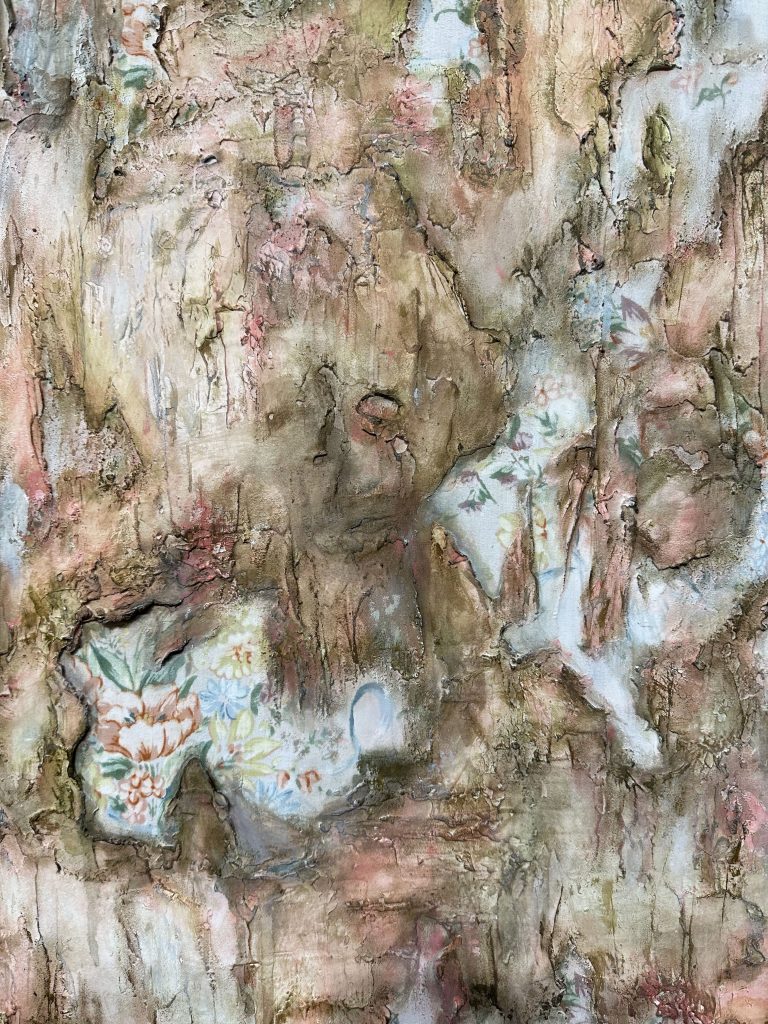
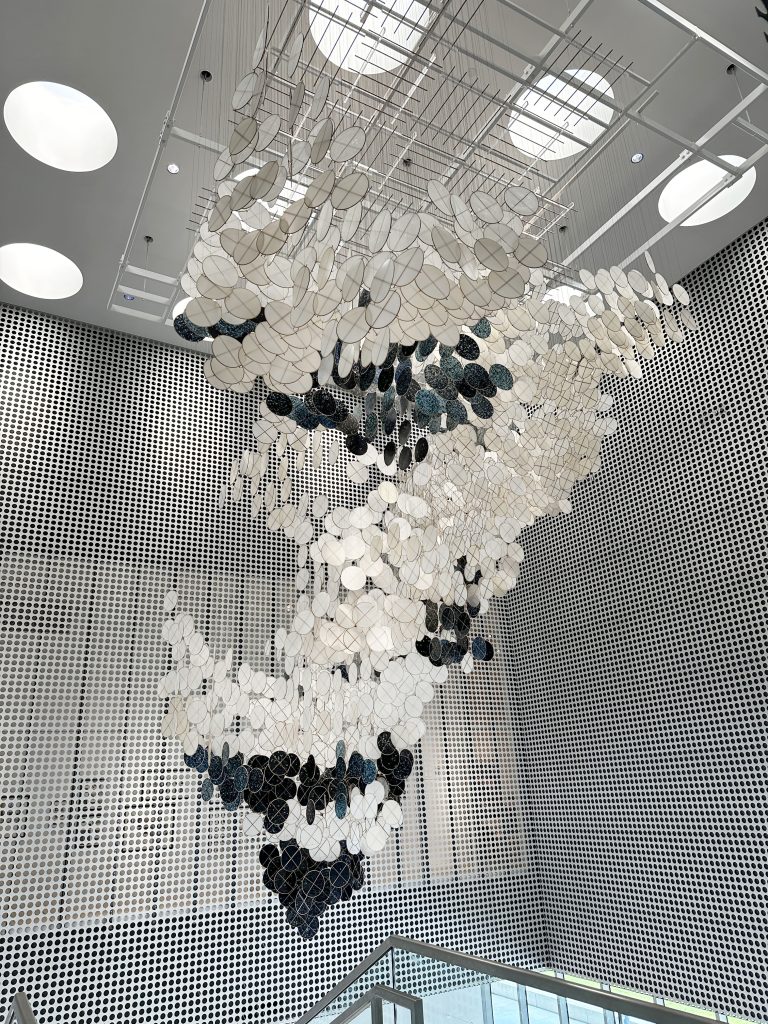
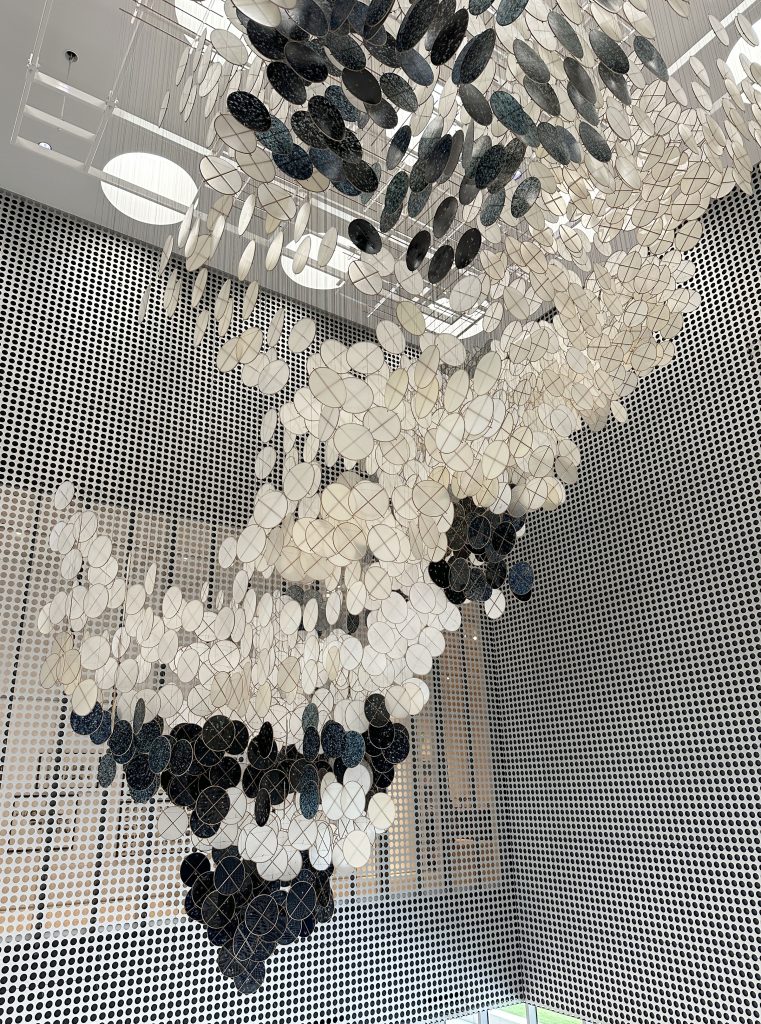
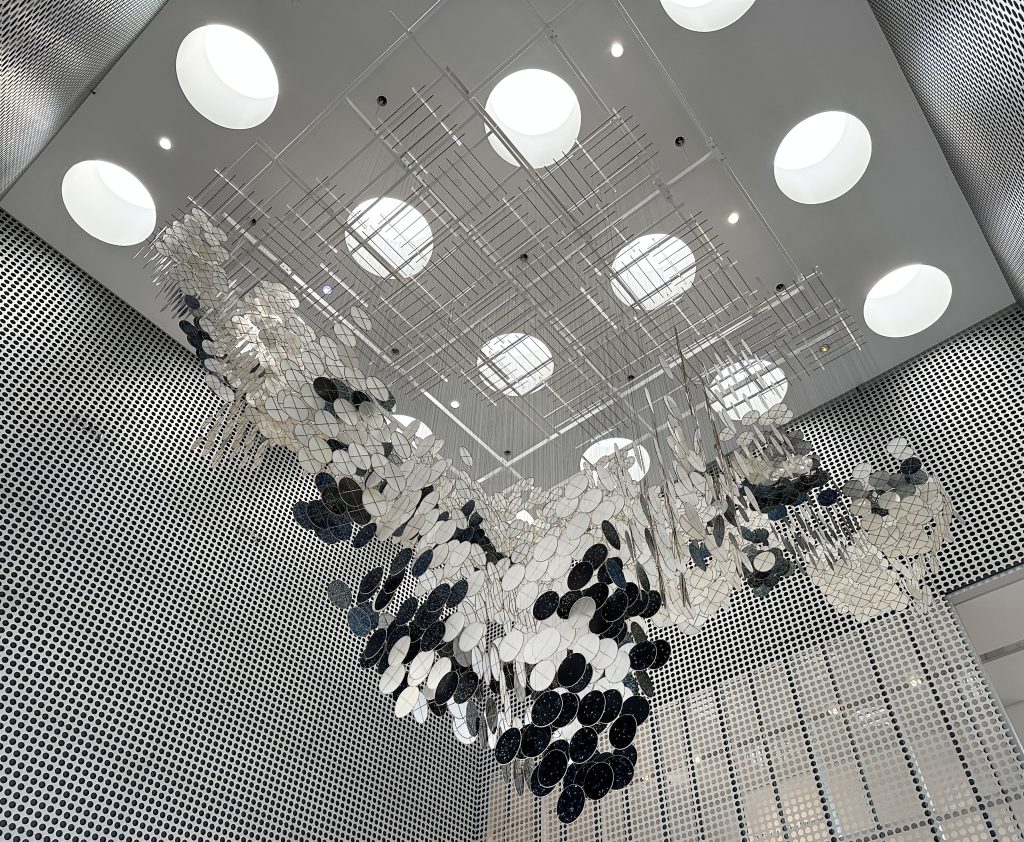
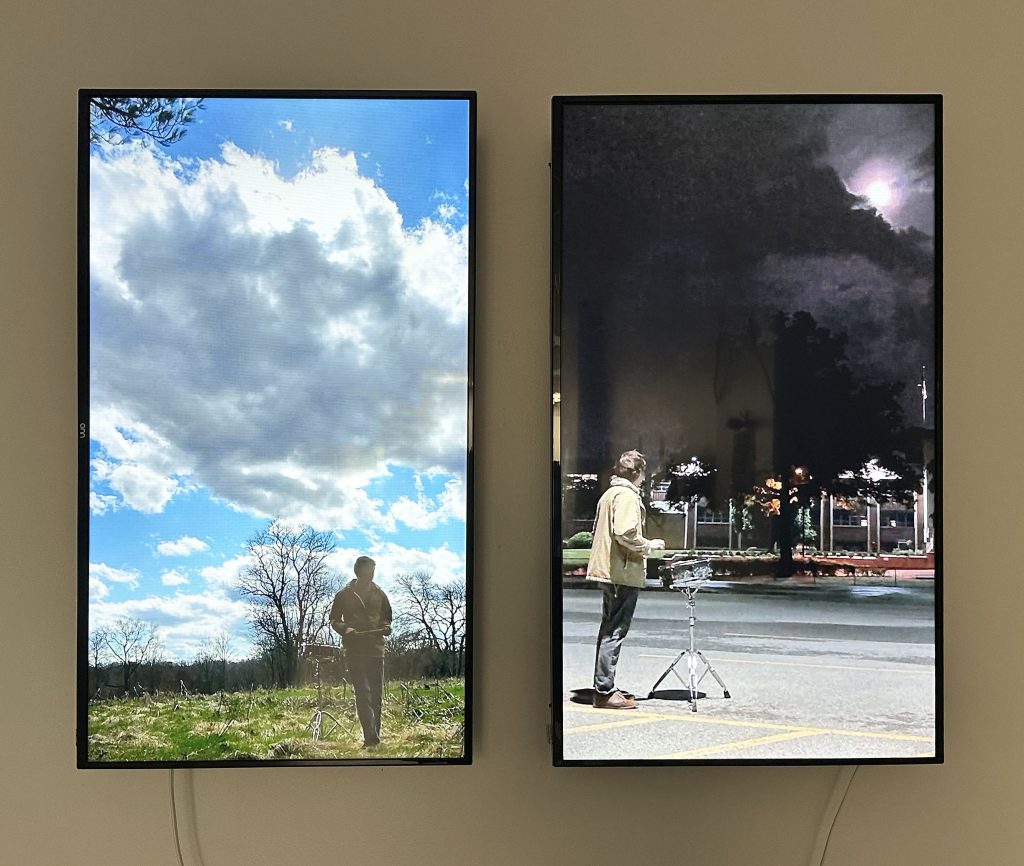
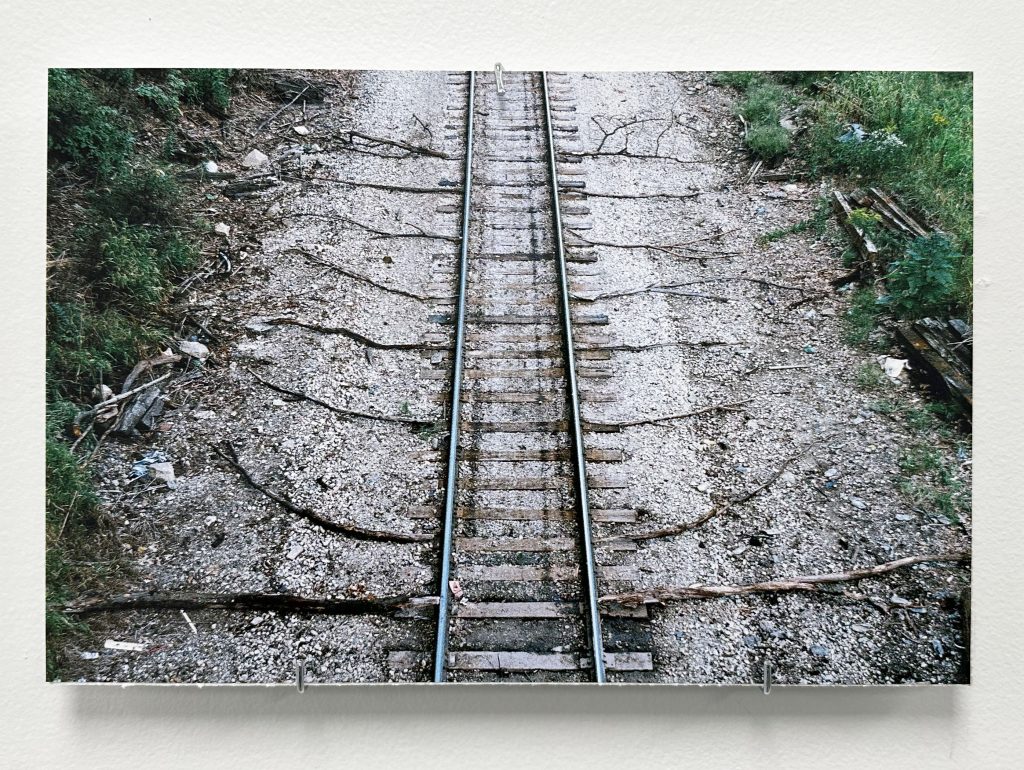
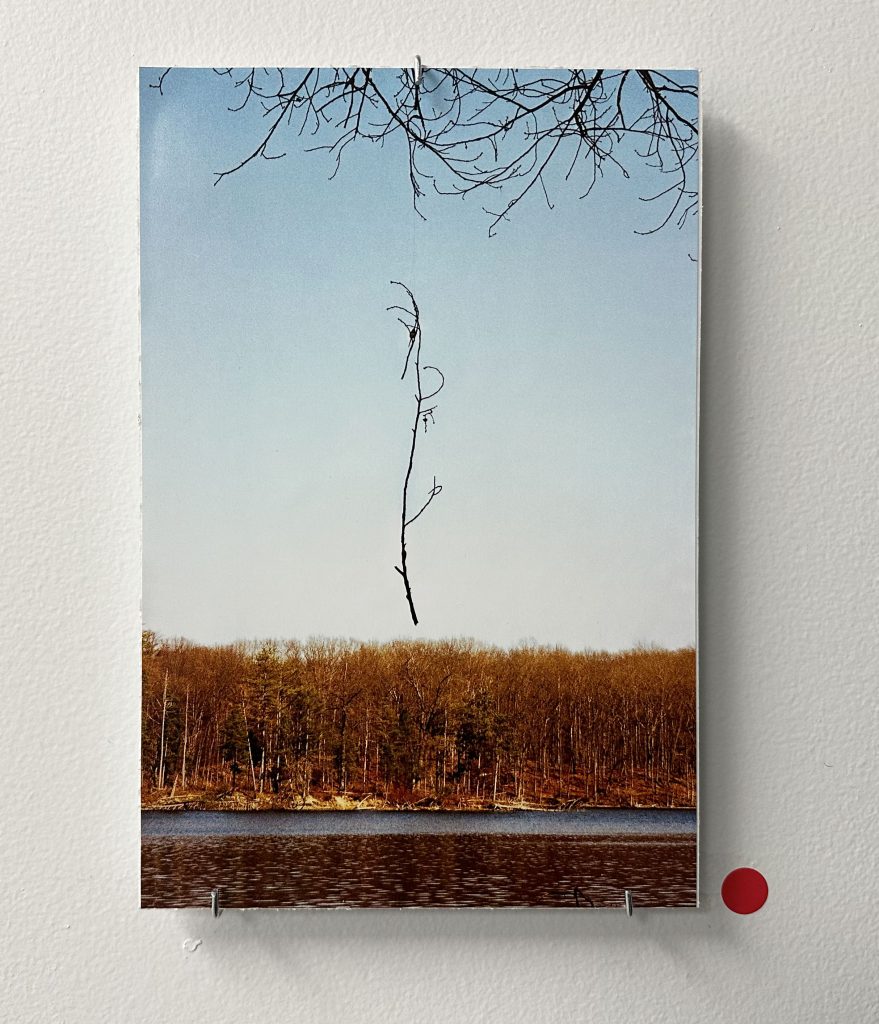
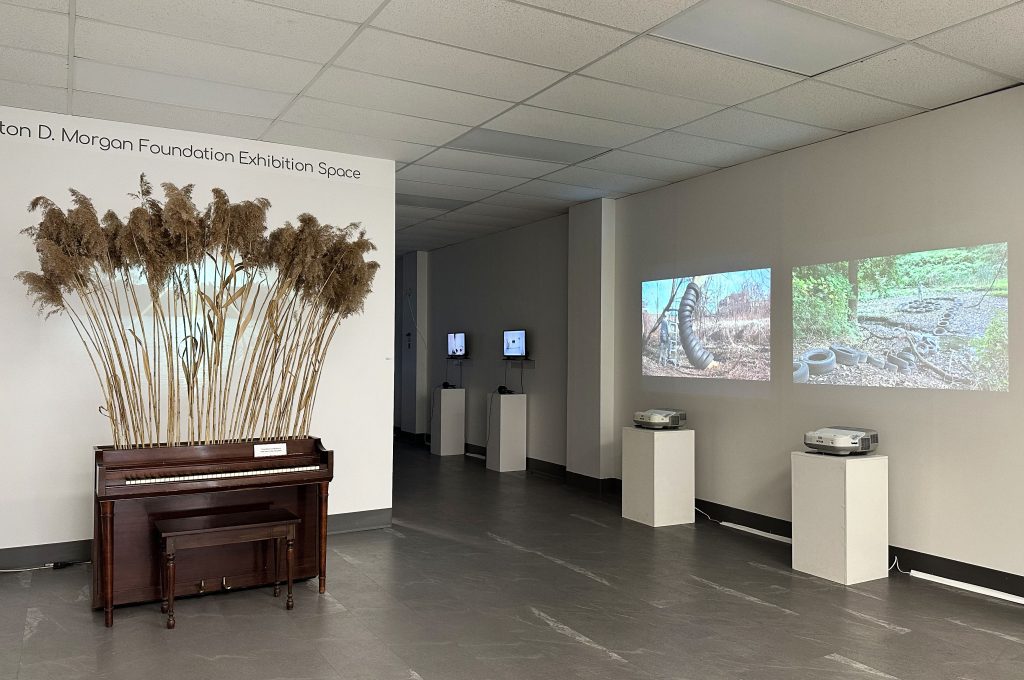
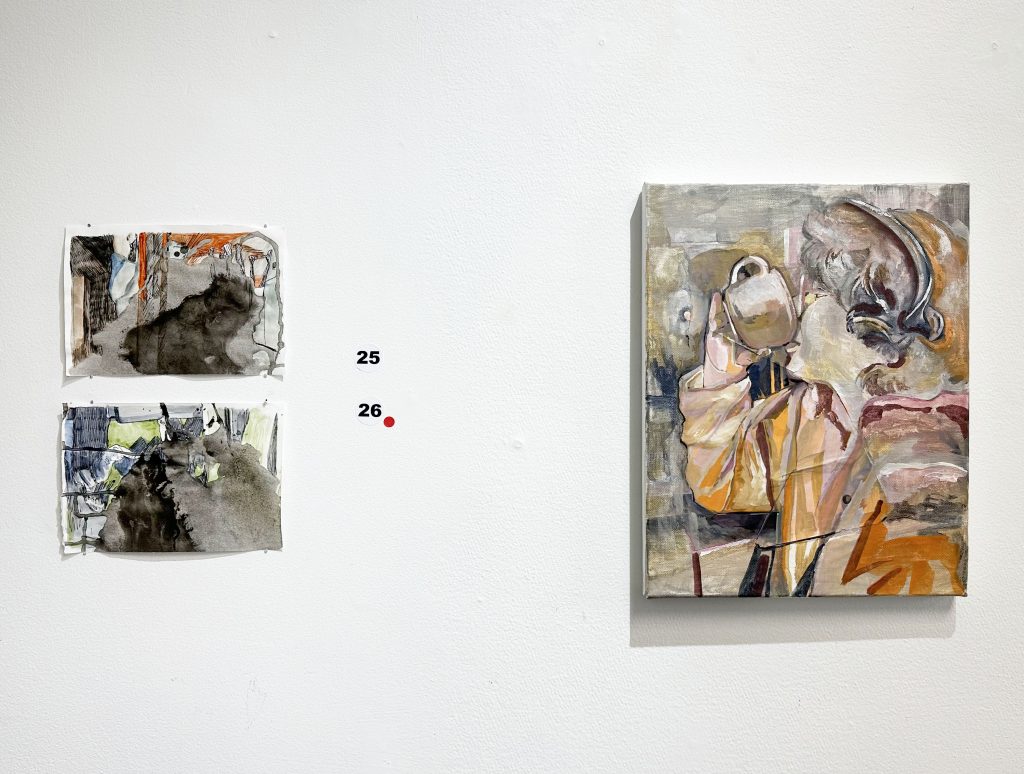
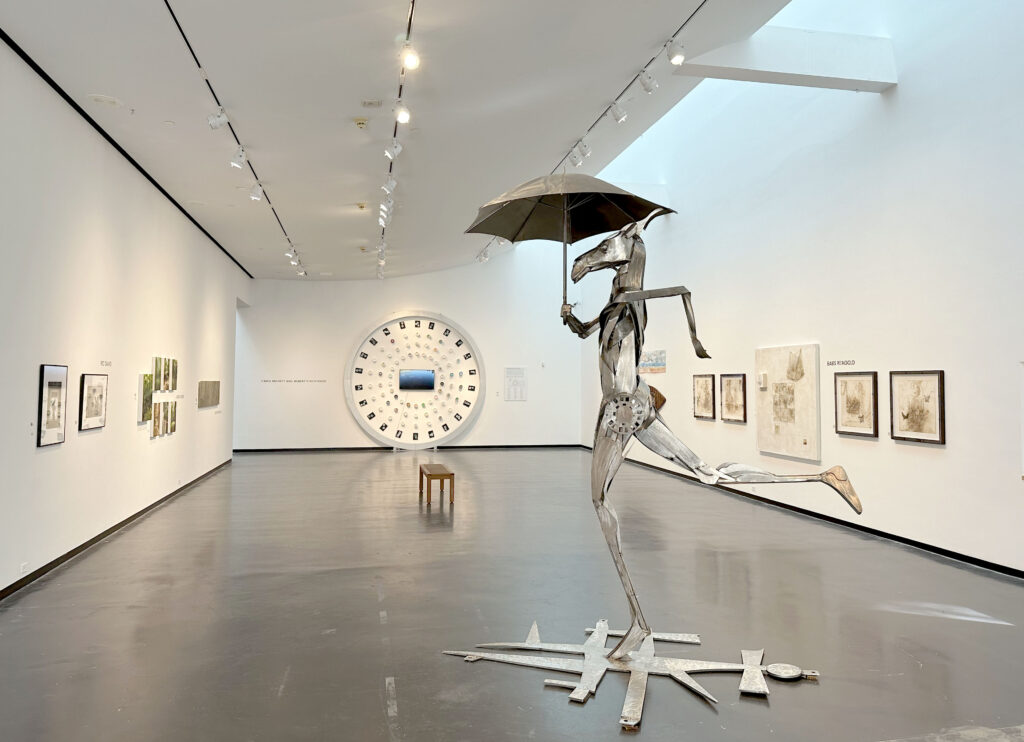
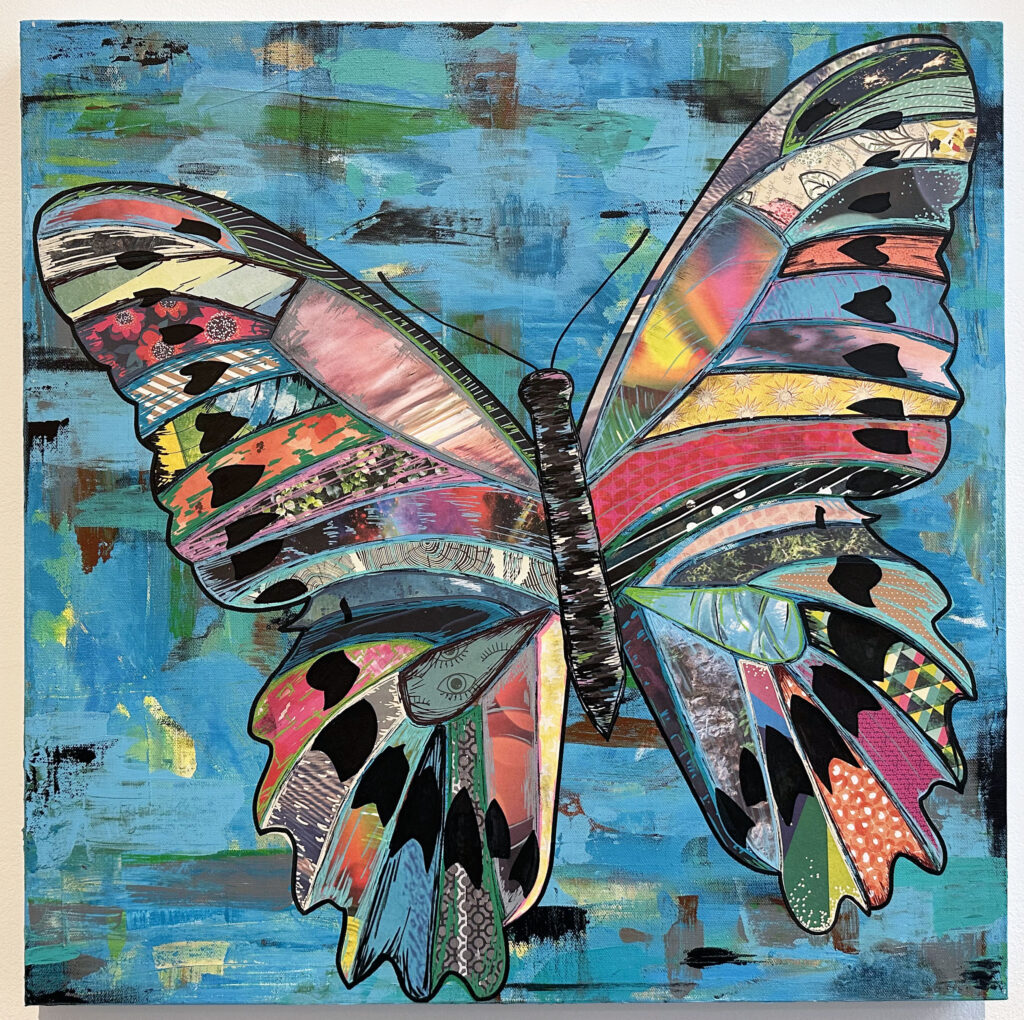
Akron Soul Train supports local artists through a residency program, exhibitions, and a shop in the front of the gallery which sells their work. Currently the gallery is showing work by Matthew Kurtz (work seen above) and Thomas Smith (work pictured below). Both artists are approaching the environment in different and interesting ways. Several of Kurz’s video pieces are focused on his upcoming performance for the solar eclipse. His photographs, for which he’s created additions to scenes he finds, are charming- as is his sculpture- a piano that moves his natural additions when played.

From the gallery-

Performance artist Matthew B. Kurtz presents Drumroll for a Total Eclipse: A Preliminary Exhibition, a prelude to his upcoming live performance with this year’s solar eclipse. Kurtz’s work fuses place, nature, sound, rhythm, and movement to question the mystery of existence. With humor, curiosity, and in tandem with his surroundings, Drumroll explores the process of trying to understand wonder.

For his upcoming performance on April 8, 2024, Kurtz will invite an audience to celebrate the total eclipse. Collaborating with the cosmos, he will perform a drumroll before “totality” passes over Northeast Ohio and creates the natural phenomenon known as “the blackout.”

“When I engage with a site for an art piece, I consider its history, recontextualize its objects, and insert my identity through intuitive gestures. I was raised to believe that humans are supposed to connect the lines between their innate feelings and the unknown. Making art is [my] attempt to reclaim this existential directive. These experiences are documented so outside viewers can participate in my examination of ambiguities, systems, and the sublime.” — Matthew B. Kurtz

Kurtz is also a musician. Check out his Instagram and Bandcamp to listen to his 2021 album 107.

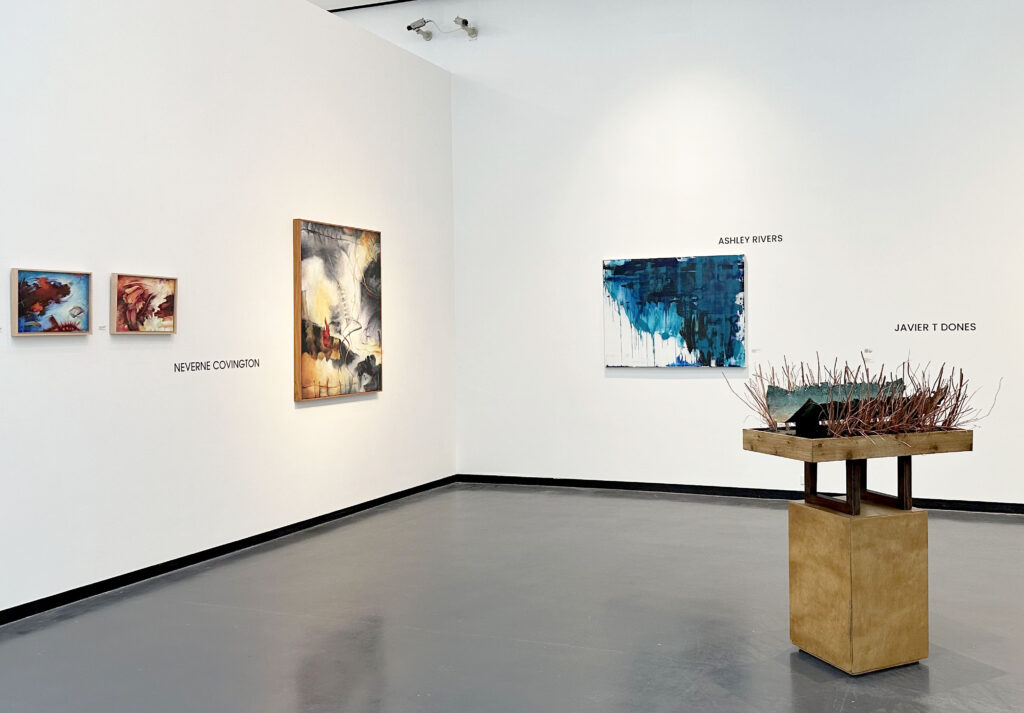
For Thomas Smith’s sculptures he creates natural environments within man-made structures and uses the results as a commentary on the growth and sustainability of suburban development.

From the gallery-

In SUBARIUM II reprise, Thomas Smith combines materials from big box stores with contained terrariums to generate a sense of security and quality. However, upon second look, the viewer may see past the façade of what may look safe to what is substandard. Perhaps it is even denying growth and positive change. Smith’s sculptures dare to ask questions about survival, public image, and the landscape of today.

“Akin to an ecosystem enclosed in a terrarium, my sculptures depict a vibrant but, ultimately, unsustainable artificial environment. As plants within the terrarium grow, competition for space intensifies, turning the once-comfortable space into a struggle for survival. The metaphor extends to suburban America, where curated living conditions prioritize aesthetics over functionality, reflecting an impermanent American Dream.”

— Thomas Smith


Both of these exhibitions close 3/23/24.​

Mar 162024
 

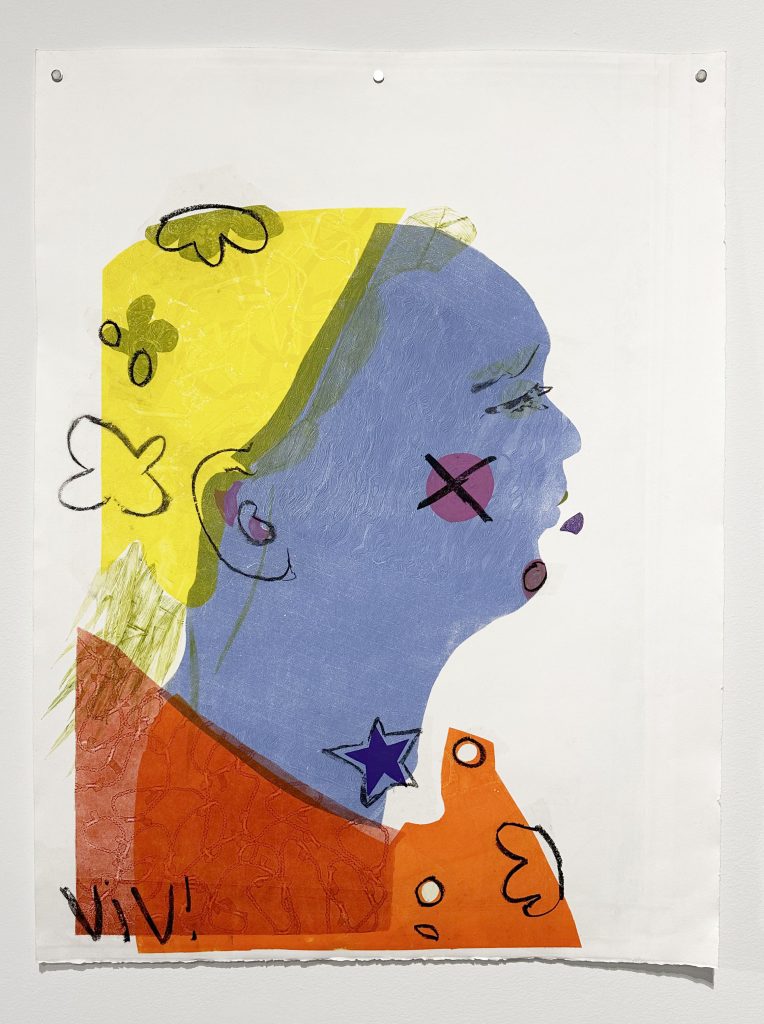
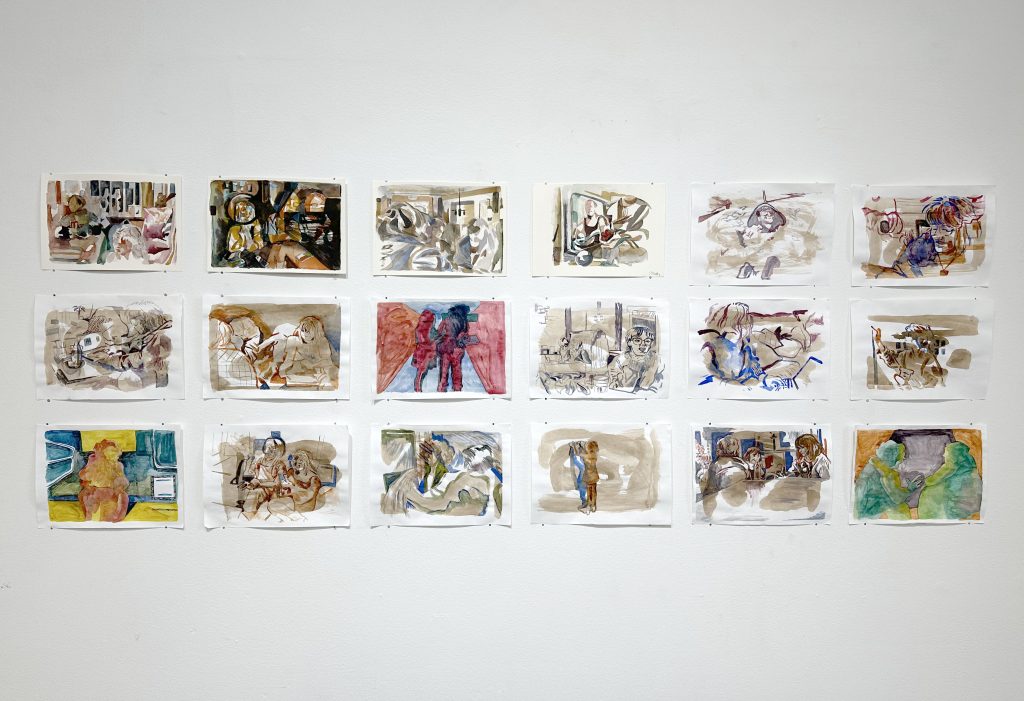
Watercolor paintings by Katherine Strobel

There is A LOT of work currently on view at Summit Artspace for their Winter Exhibitions (see the previous two posts) and it is worth mentioning these shows as well.

In the Welcome Gallery are watercolor paintings (seen above) by Katherine Strobel, for her exhibition, Bad Nostalgia.

Her statement about the work-

People forget to take pictures of things that don’t matter because it’s impossible to photograph qualities such as the feeling of an inside joke, the sound of an exhale through the nose, or dirty silverware that must be returned to the kitchen and replaced. These things act as set, pieces for what make up the rest of our lives. This series is a catalog of work that focuses on memory and candidness of a scene or subject. The people pictured are painted from life or candid photographs which are then emphasized from a naive image to something more. When an image is exaggerated with new colors and shapes it serves to make the mundane more desirable. The paintings are watercolors with a textured surface; the texture creates a sense of play with paper elements. In my work watercolor is often indicative of memory because of its ephemeral quality and transparent layers. This is because of how impossible it is to clarify every element that makes up a color when the layers are all compressed and viewed as a complete state.

Below are works from FRESH, an annual exhibition of local artists juried by Pita Brooks, Executive Director of Akron Soul Train. The website has all of the artists included and their statements and bios- definitely worth taking a look at what is being created in the area.

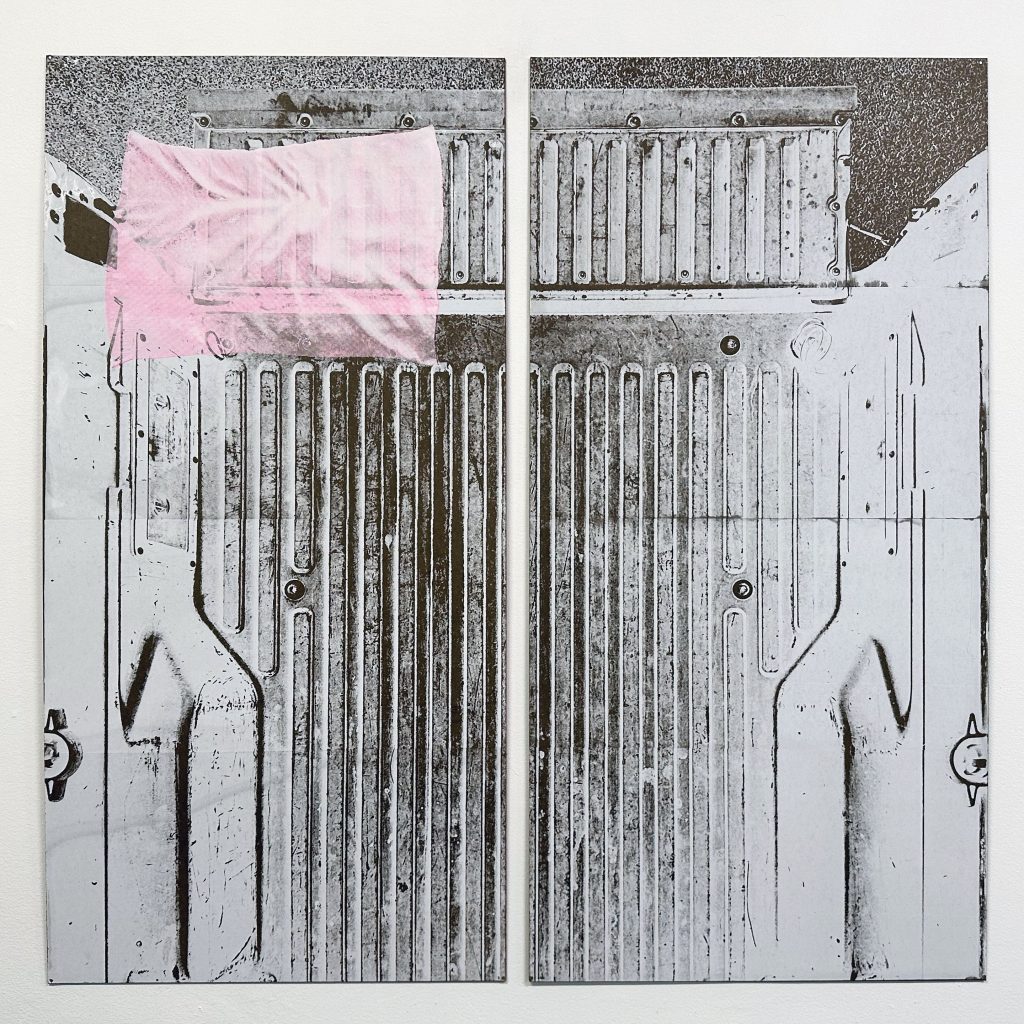
Michelle Eisen, “I’ve Made My Bed”, Silkscreen on hardboard

Steven Mastroianni “Fathomable Series #24”, Unique cameraless photogram, silver gelatin print

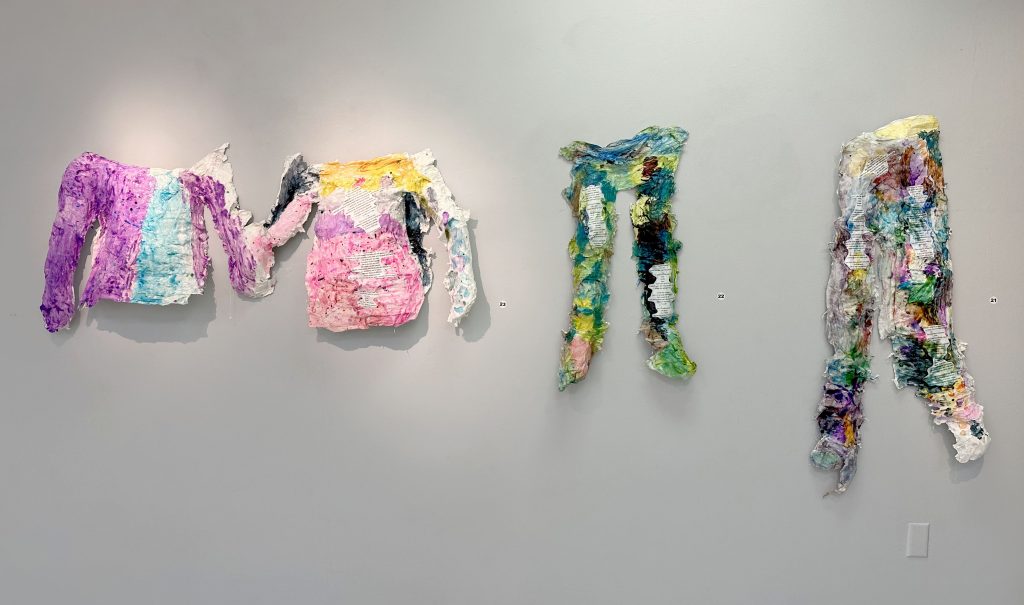
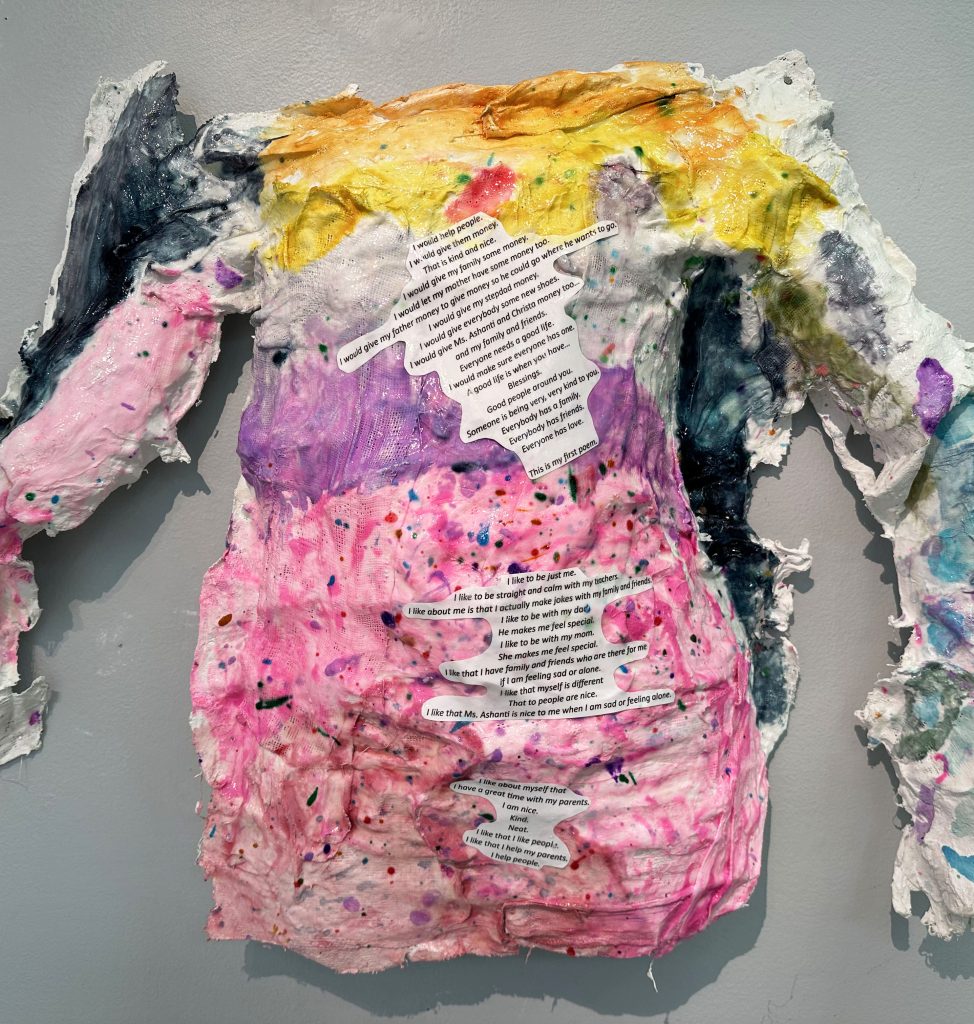
Finally, on view throughout the building are works by local students, teachers, and school leaders for Taking Care of Our House: Communities Coming Together and Making a Difference. The exhibition is made with the organization Art Resistance Through Change (ART-C). The works pictured below are a few of the sculptures created that included the personal narratives of the artists.

It’s worth mentioning that along with these exhibitions there are artists studios and galleries also in the building and worth checking out. Summit Artspace is open Fridays 12-7pm and Saturdays 11am-5pm.

Feb 292024
 

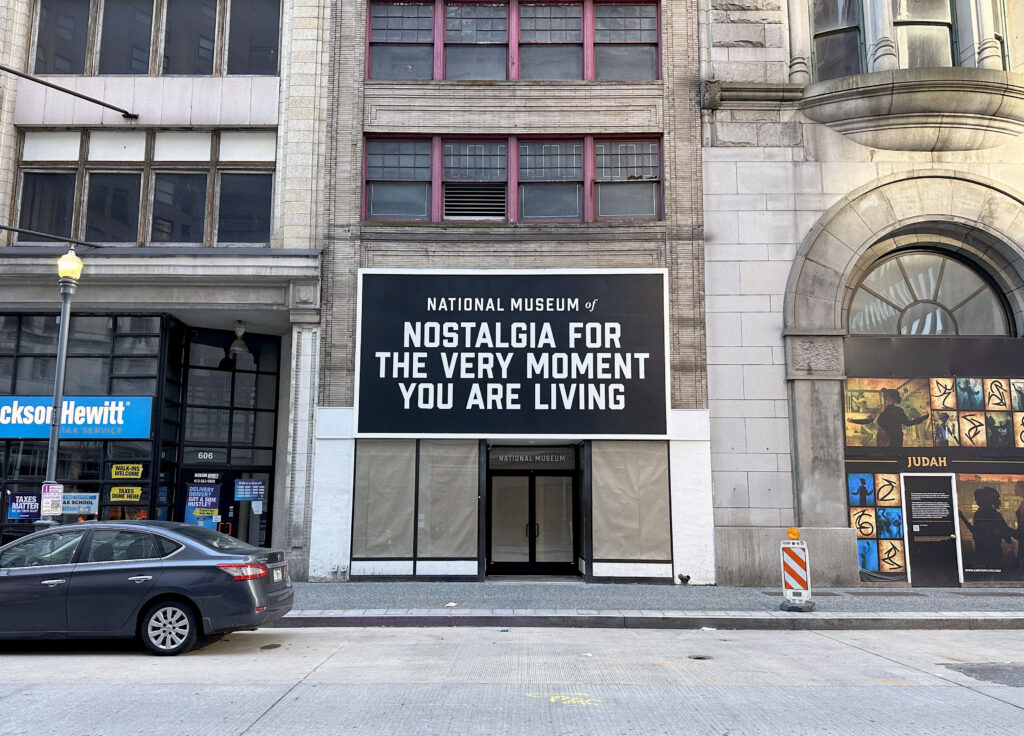
The National Museum is a public art project founded and curated by Jon Rubin and presented by Pittsburgh Cultural Trust. Different artists are invited to change the name of the museum and an essay is written using the title as a jumping off point. The first iteration is by artist and writer Pablo Helguera.

About the project from Jon Rubin’s website

The National Museum repeatedly asks which stories, histories and futures are deemed worth saving and which are ignored or forgotten. Each month, a different artist is invited to change the name of the museum and a national writer is invited to use that museum title as the jumping off point for an essay. In its first year, the project currently consists of storefront signage, street posters, printed broadsheets, a website and monthly accompanying essays.

When a name starts with “The National Museum” it triggers contentious and political associations with borders, nationhood, even citizenship and belonging. Who gets to determine the belonging of an entire group of people bound only by the fact of their geographical location. There’s something absurd about that, if you think about it. Instead of claiming ownership over a diverse populous or even a disparate set of objects, can the notion of the “national” be rethought as something that is less tangible, less object-oriented?

There is a fundamental hubris and absurdity in calling something, anything, a museum, let alone The National Museum. But, in many ways, it’s really no different than any other museum that someone, usually with far more money, privilege, and power than any of my artist peers or myself, has simply made up. So, in a way, the project functions as a kind of loophole or work-around, a participatory fiction that allows a variety of artists to put forth an ongoing series of grand propositions, a theoretical institution that repeatedly brings into question the certainty and reality of our pre-existing institutions.

The National Museum elucidates how museums, especially national ones, are perhaps no different than the nation-states in which they reside. Each is an imagined political construct, a collective fiction used to collect, categorize, narrativize, and control. Throughout modern history museums have used the collections they steward and the stories they tell to validate extractive legacies of colonialism. And, although our current museums, both national and private, are staffed by people with experience in the arts and humanities, the ultimate decision-makers in many of these institutions are wealthy donors and trustees who derive financial benefits from, and exert ideological control over, the fundamental mission of museums. So, while the general public think museums are nominally for “everyone,” the truth is that they are delimited by economic, geographic, racial, and cultural boundaries that restrict their function, design, and access to select publics.

Pablo Helguera’s essay on building façades as art and metaphor, Creditable Unrealities, is included on the broadsheet for the project (as well as his Substack Beautiful Eccentrics) and is a highly enjoyable read.

It includes this passage on how he came up with his name for the museum-

“Ultimately, I reasoned that façades are  the most direct indicator of the time when they were built:  they are the things that we try to use as visual reference to identify a city we know in a historic photograph; they are time markers. And when it comes to museums, they traditionally seek to project timelessness, especially those august institutions whose neoclassic façades promise a container of art for the ages. So I thought that this façade should be the threshold not of art history but of our own awareness of that history and our minuscule place in it, knowing that the present that we are living so vividly will soon wash away, largely unimportant within the broader scope of human life. In 2001, doing research on people who consumed ecstasy, I was struck by the effect that their drug had in some people’s temporal awareness, and how it resonated with my own  (drug-free) experiences. Thus the phrase “I have nostalgia for the moment I am living”, which gave the inaugural title to the National Museum.”

The next iteration of the museum will feature Edgar Heap of Birds (Hock E Aye Vi). The broadside will be written by poet, writer, lecturer, curator and policy advocate Suzan Shown Harjo.

Feb 272024
 

Jo Westfall, “The Queens Astronomer”, 2023, Mixed media

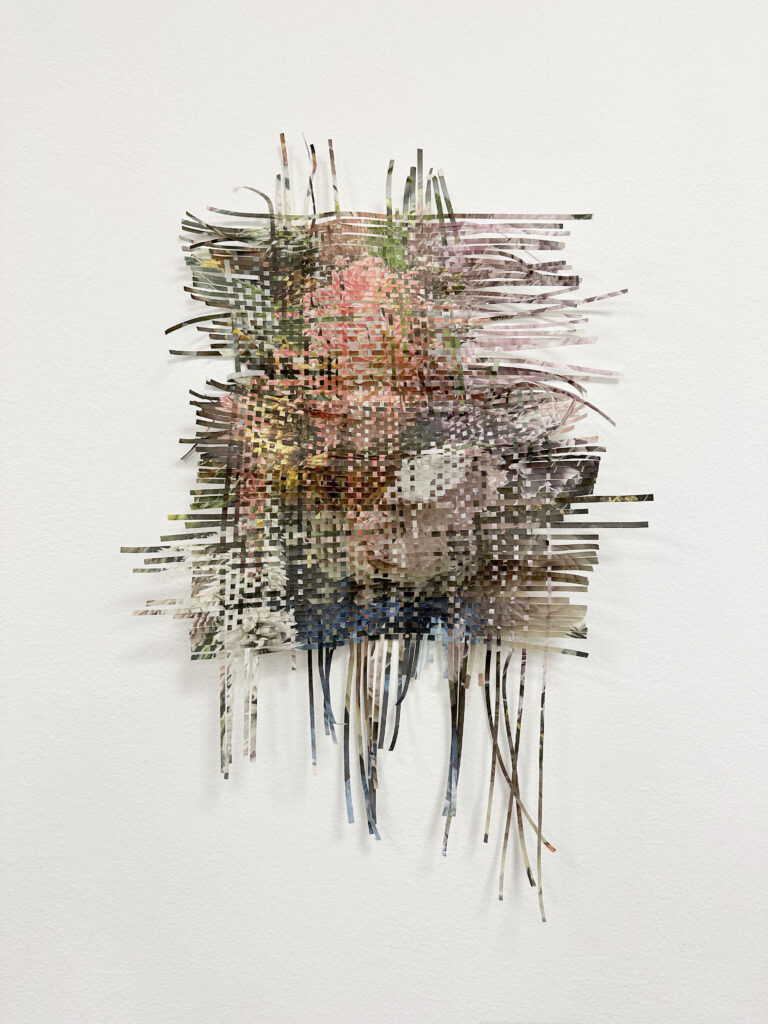
Christine Mauersberger, “Kates Bouquet”, 2022, Digital print on Japanese Kozo paper, of loom weaving

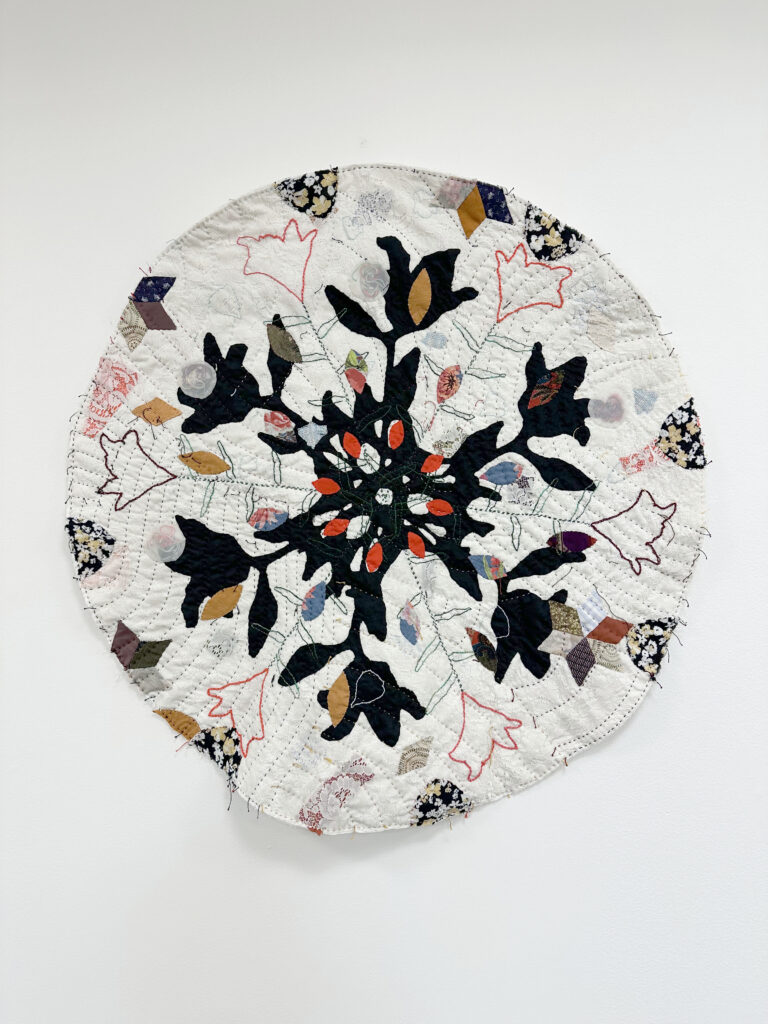
Cat Mailloux, “Rose Window”, 2023, Quilted appliqué on found fabric

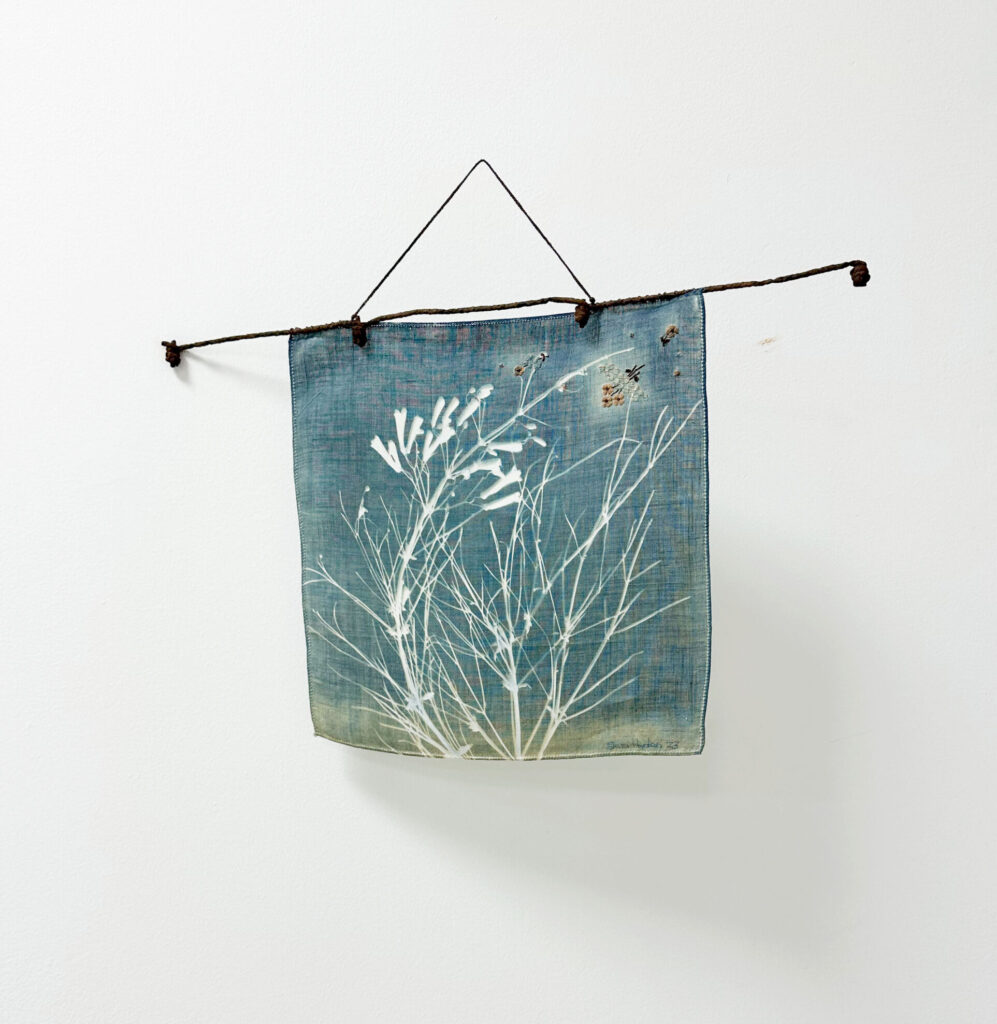
Suzi Hyden, “If the Sun Could Kiss Me”, 2023, Toned cyanotype on vintage linen hand-stitched onto metal fencing

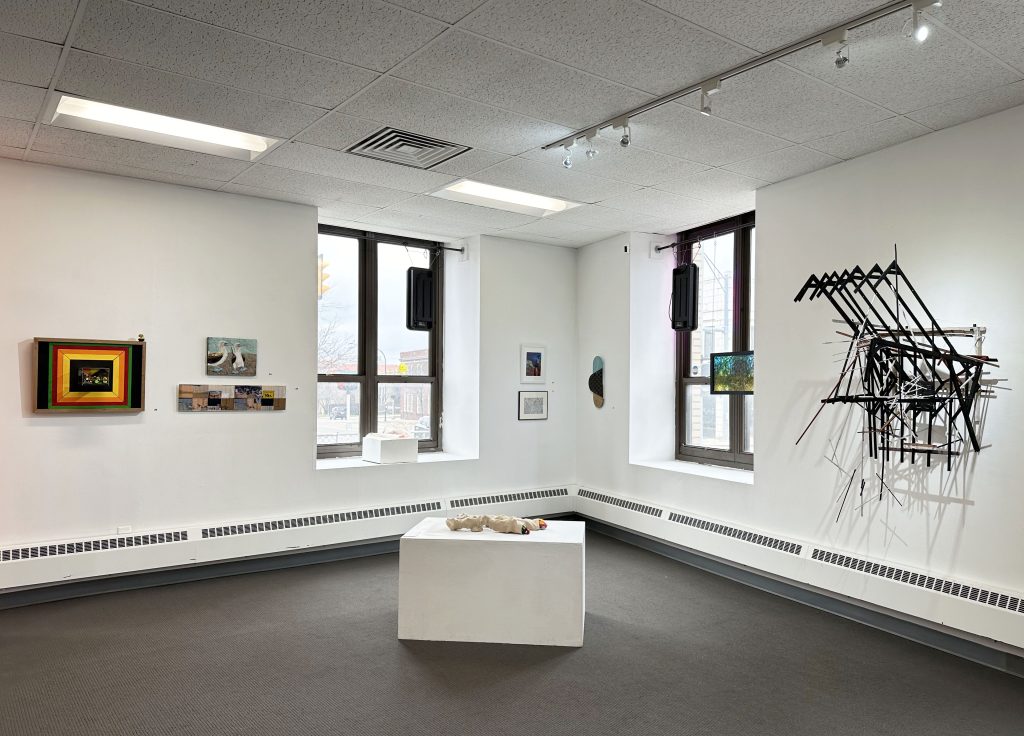
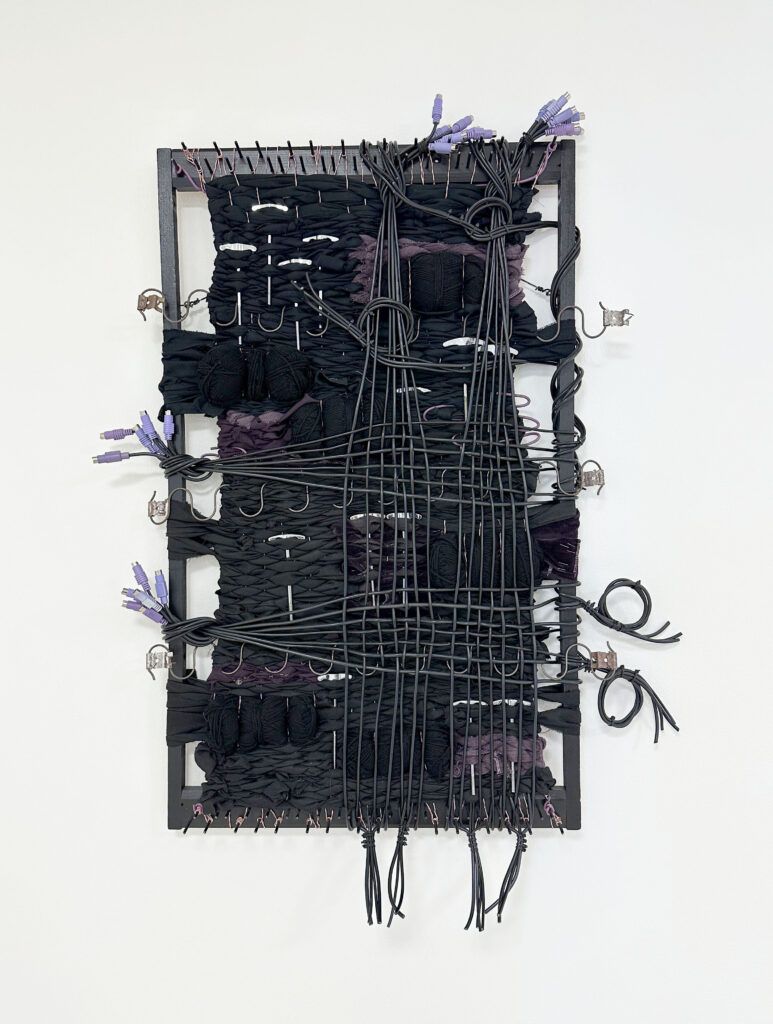
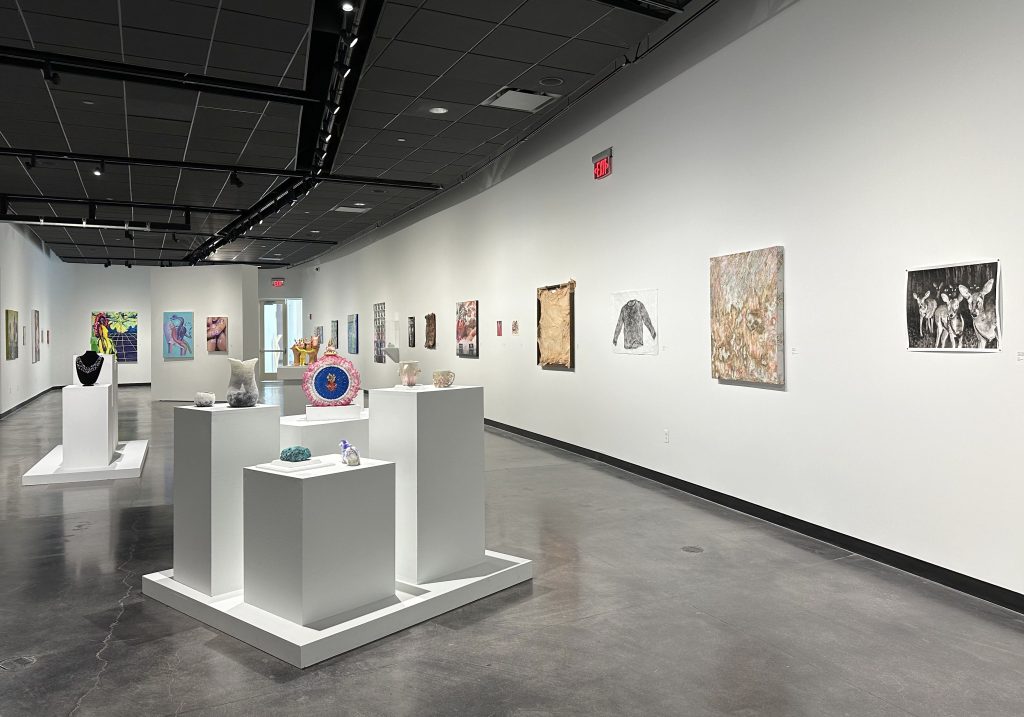
Above are a few of the works from Common Thread, the current exhibition at Malone University’s art gallery. It is on view until 2/29/24.

From the gallery about the show-

Although quite different, all artists in this exhibition are united by the idea of textiles. Suzi Hyden’s work celebrates the environment by combining elements from nature and repurposed materials to create cyanotypes on vintage fabrics.

Cat Mailloux’s textile practice is focused in quilt making, pursuing connections between the visual language of churches, cathedrals, and domestic spaces that slowly bleed their way into imagined and limitless landscapes, exploring questions of the infinite through material.

Christine Mauersberger’s body of work is aesthetically eclectic. Hard and soft. Digital and analog. Some pieces fill a room, others can be held in your hand. The common thread is that each piece attempts to make the invisible visible.

Jo Westfall creates visual work considered resource art. It is portraiture, fiber art, and assemblage made with local materials that were discarded, overlooked, or unused. It reclaims the aesthetic capacity and utility of these items by integrating them into fresh renderings.

Feb 142024
 

Esterio Segura’s Goodbye My Love, 2013, three sculptures created with fiberglass and automobile paint, are currently on view at Tampa Museum of Art.

From the museum about the work-

A new acquisition to the Museum’s permanent collection, Goodbye My Love represents Esterio Segura’s (Cuban, b. 1970) ongoing exploration of the meaning of airplanes and flight. Produced in multiple editions at different scales, this version is nearly the largest. In describing the series, Segura explained,  “In this work, the reference to the airplane hybridizes with a reference to another well-known universal symbol: a simplified image of the heart. This is fused with an easily understood title with several meanings, from the most corny and sentimental to the most controversial, from a political and social standpoint. With this work, I reference the experience of uprooting, nostalgia, memory, loss—how we experience the breakdown of everything we love.”

He discusses the work in the video below in a bit more detail.

Jan 292024
 

Whimzeyland, the “Bowling Ball House”, is a local landmark located in Safety Harbor, Florida, created by artists Todd Ramquist and Kiaralinda.

About the house from their website

In 1985, they purchased the beige house on Third Street in Safety Harbor, Florida. They traveled everywhere, actively seeking out inspirational and unusual places. Inspired by these travels, they began transforming their house. One of the earliest additions were the wooden triangles to the eaves of their house. The beige house became bold in color, too.

One day, they went to a flea market and saw a sign that said that anybody could take 10 free bowling balls. They took the bowling balls and began painting and placing them around the property. This is how they became known as the bowling ball house of Safety Harbor.

Todd and Kiaralinda even branched out of decorating their home, creating two different art cars, designed a restaurant, and making public sculptures, among other things. They began calling themselves the Whimzey Twinz because they work together on all of their projects.

Their travels soon included visits to folk artists and artists that they met at their shows. These friends visited them, too. Todd and Kiaralinda’s bowling balls inspired many of them. They would create bowling balls for Todd and Kiaralinda, who got so many of these works from artist friends that they started a gallery in their home. They created a “Call for Balls” which made a lot more of these art works roll into their home. Today, they have over 80 bowling balls from various artists around the world and people still bring them bowling balls as gifts.

If you are in the area, make sure to also stop by Safety Harbor Art and Music Center (SHAMc), a nonprofit they opened in 2017. It has an art gallery and shop, and hosts music events and art classes as well.


Dec 172023
 

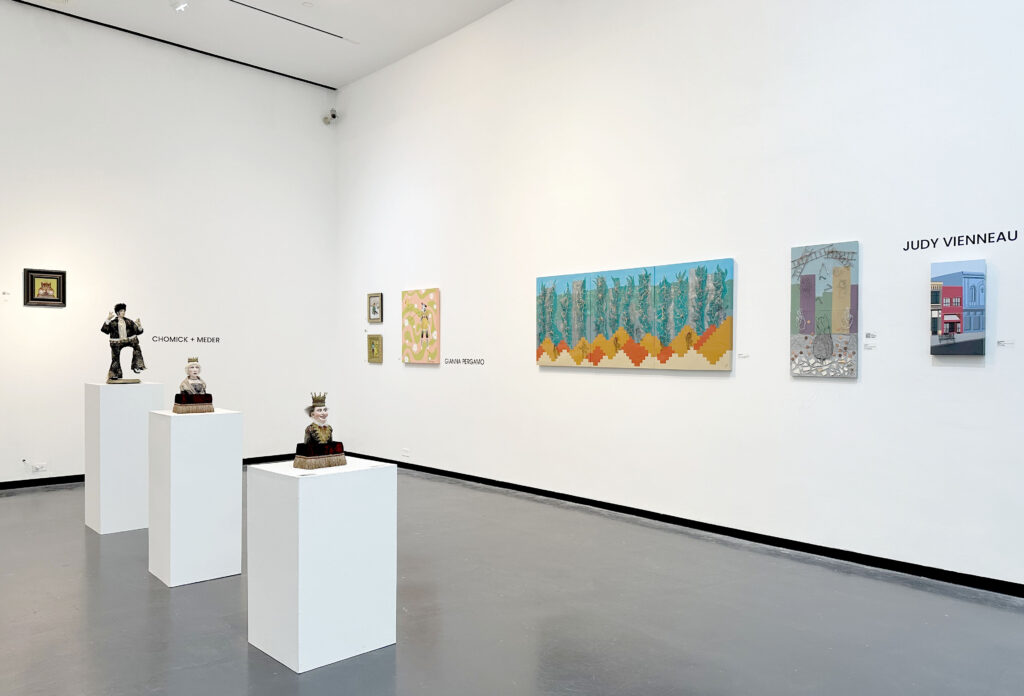
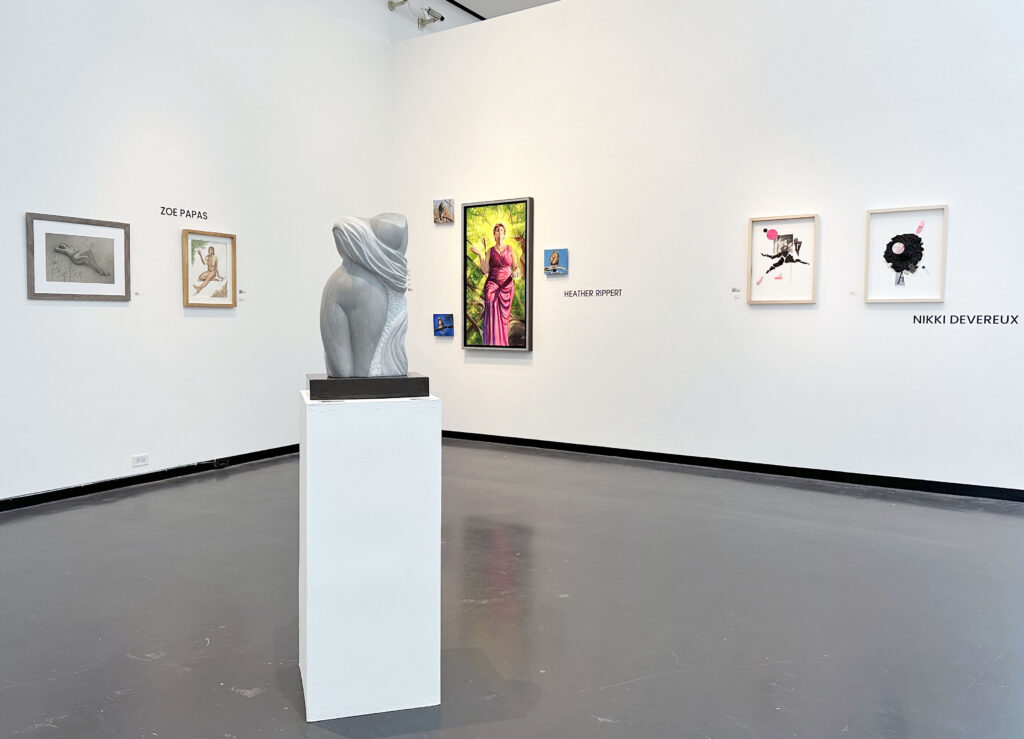
The Arts Annual at Creative Pinellas is always a great way to see what the artists in the area are creating. For 2023’s larger than ever edition, there is also a separate space for a video program that includes short films, theater productions, poetry readings, musical performances and more.

Artists included in the exhibition-

Tatiana Baccari, Elizabeth Barenis, Christina Bertsos, Daniel Barojas, Chomick + Meder, Courtney Clute, Neverne Covington, Sheila Cowley, Patricia Kluwe Derderian, Nikki Devereux, Javier T Dones, Dunedin Music Society, Sara Ries Dziekonski, Sarah Emery, Roxanne Fay, Jean Blackwell Font, John Gascot, Denis Gaston, Mason Gehring, Donald Gialanella, Jim Gigurtsis, Kevin Grass, Sheree L. Greer, Jason Hackenwerth, Steph Hargrove, Patrick Arthur Jackson, Reid Jenkins, Kenny Jensen, Charlotte Johnson, Victoria Jorgensen, Steven Kenny, Candace Knapp, Akiko Kotani, Teresa Mandala, Cora Marshall, Carol Mickett & Robert Stackhouse, Miss Crit, Mark Mitchell, Chad Mize, Desiree Moore, Zoe Papas, Gianna Pergamo, Rose Marie Prins, Gabriel Ramos, Babs Reingold, George Retkes, Heather Rippert, Ashley Rivers, Marlene Rose, Ric Savid, Tom Sivak, Sketzii, Emily Stehle, Rachel Stewart, Erica Sutherlin, Takeya Trayer, Judy Vienneau, Kirk Ke Wang, Angela Warren, and Joseph Weinzettle

The show is on view until 12/31/23.

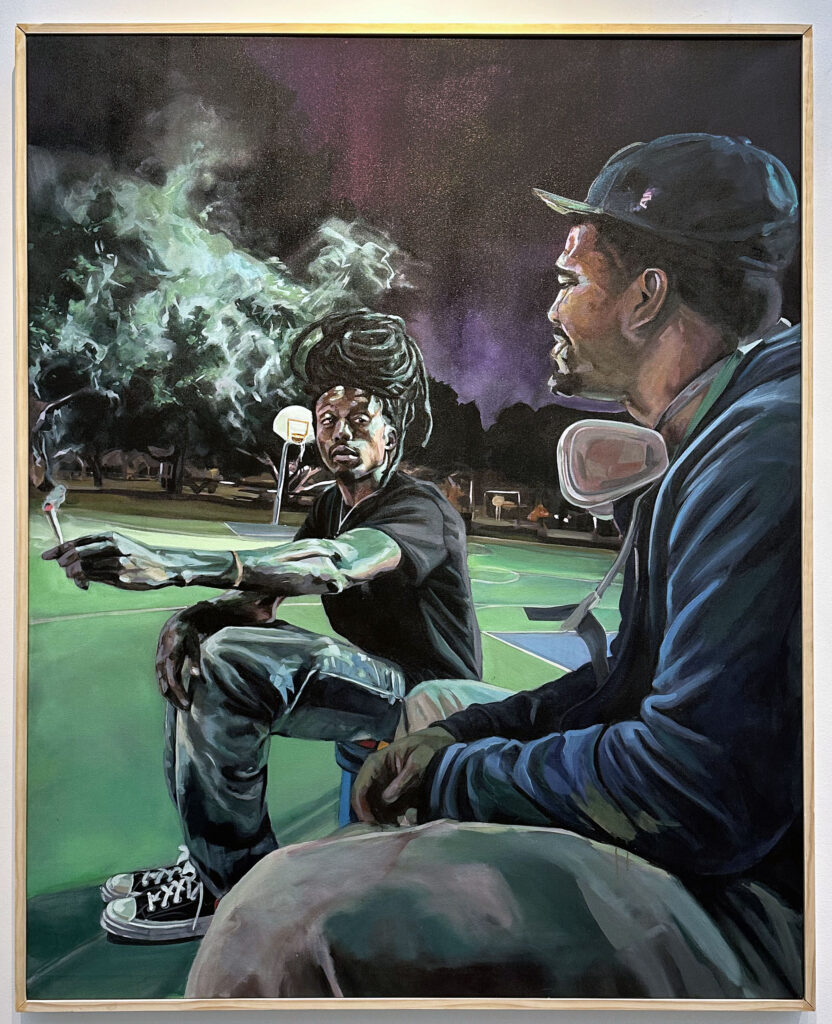
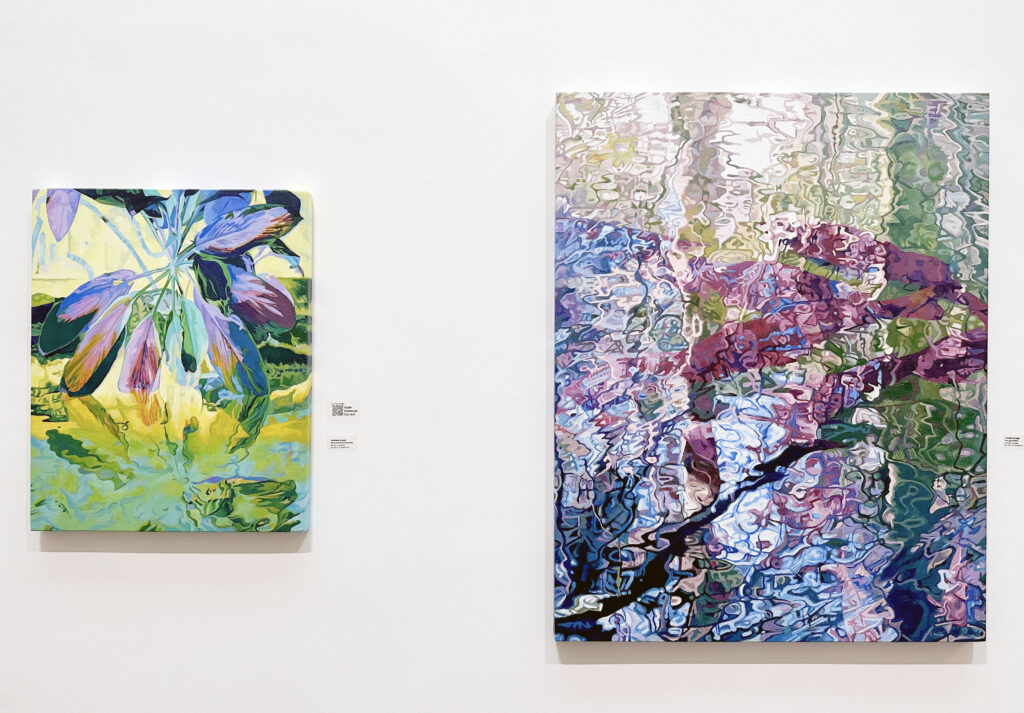
Below are some additional selections from the exhibition.  

Reid Jenkins, “Holding Court”, Acrylic

Candace Knapp, “What the Blue Heron Sees” and “The Light Within” Acrylic on canvas

Daniel Barojas, “Future Ancestor”, Gouache, acrylic, gold leaf on canvas and “Future Ancestor #3”, Gouache and resin on paper

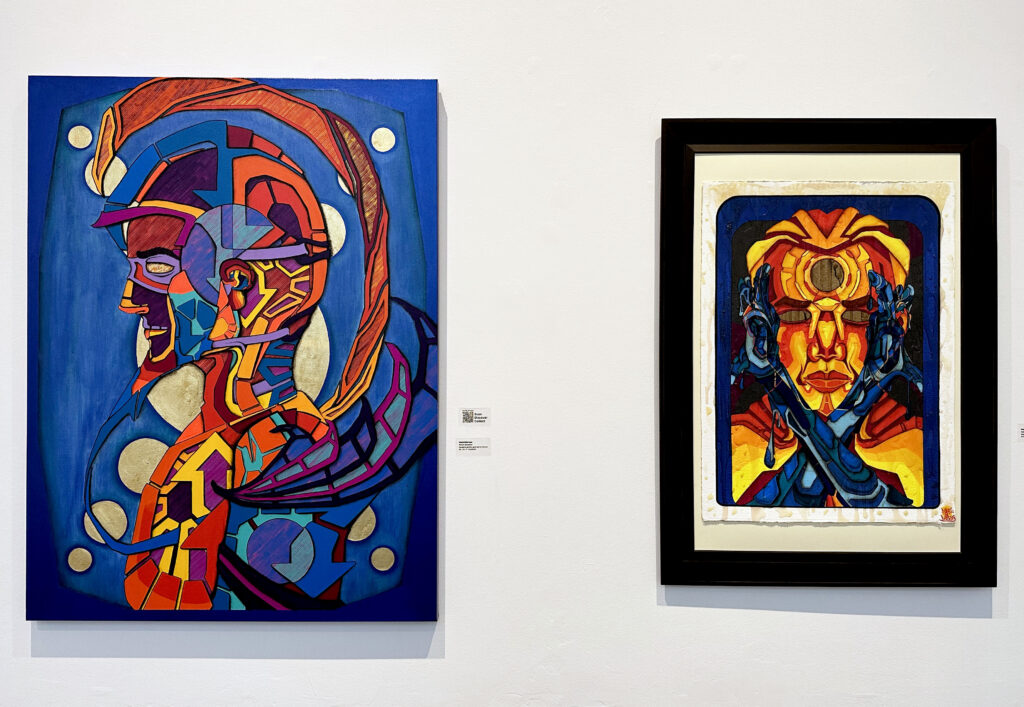
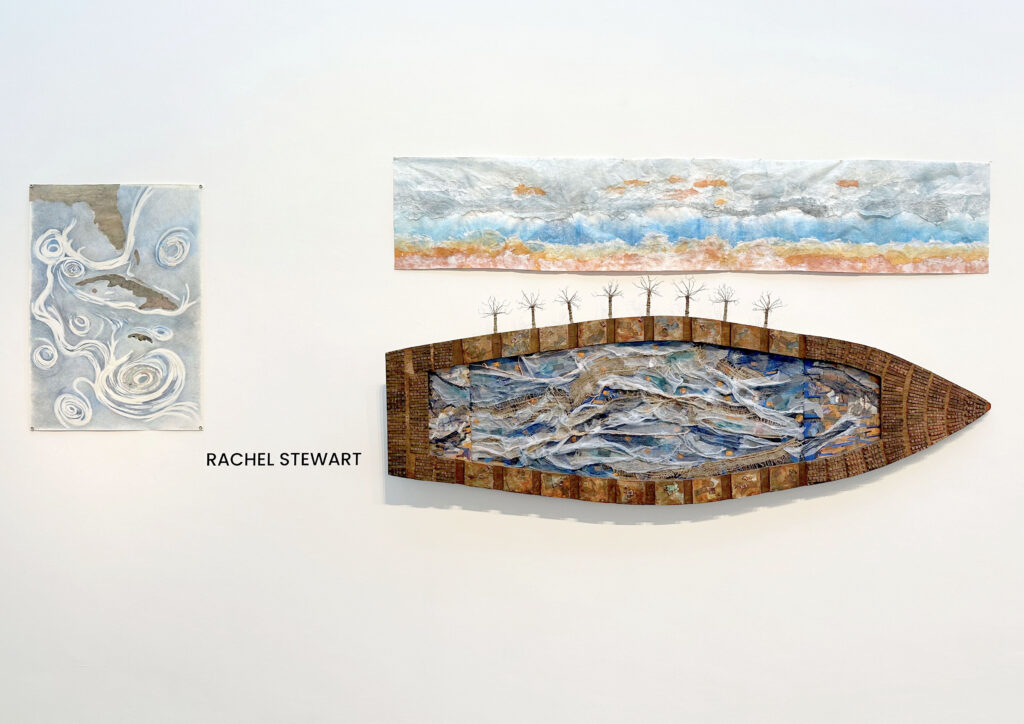
Rachel Stewart, “Caribbean Currents” Colored pencil, oil stick and collage on Archers archival paper; “Under a Different Sky”, Wall installation Painted relief wood construction with cooper and mixed media materials; Printing Ink and collage on rice paper

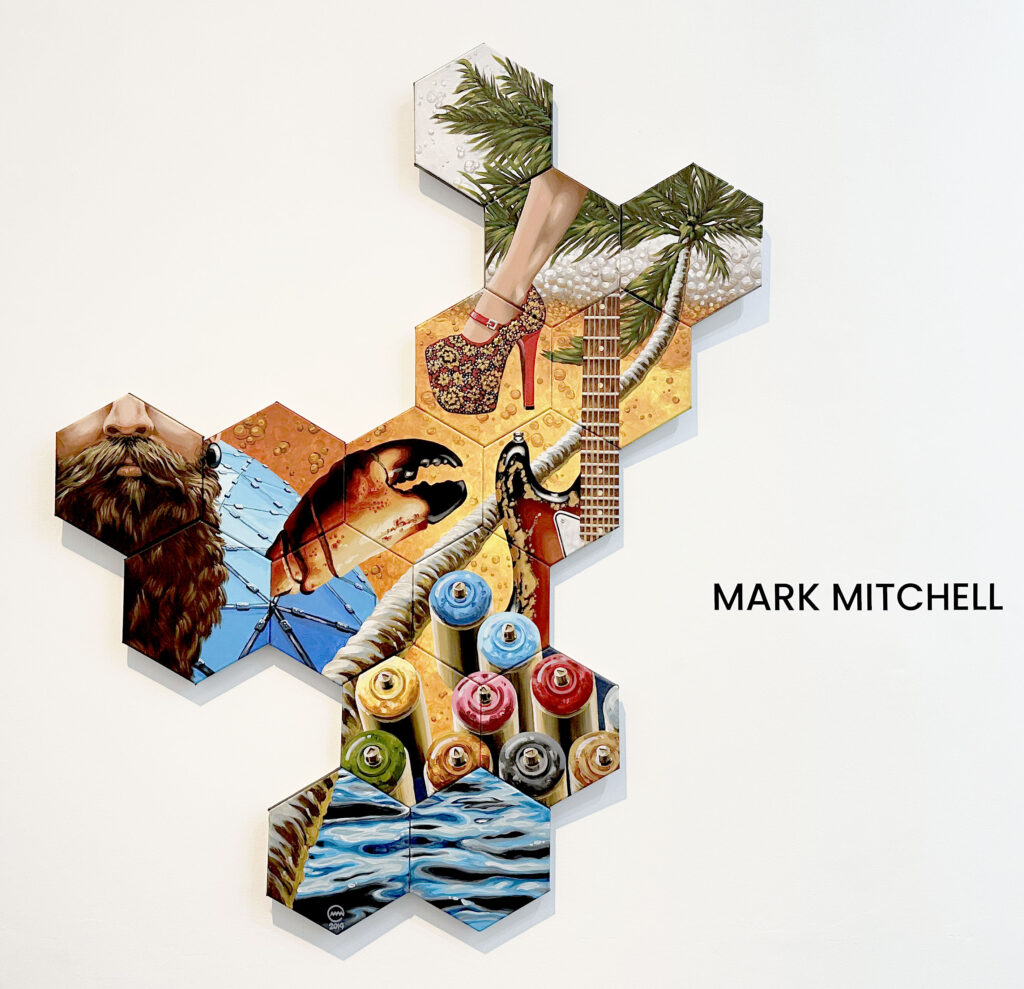
Mark Mitchell, “The BurgHive”, Acrylic on Hexagonal canvases

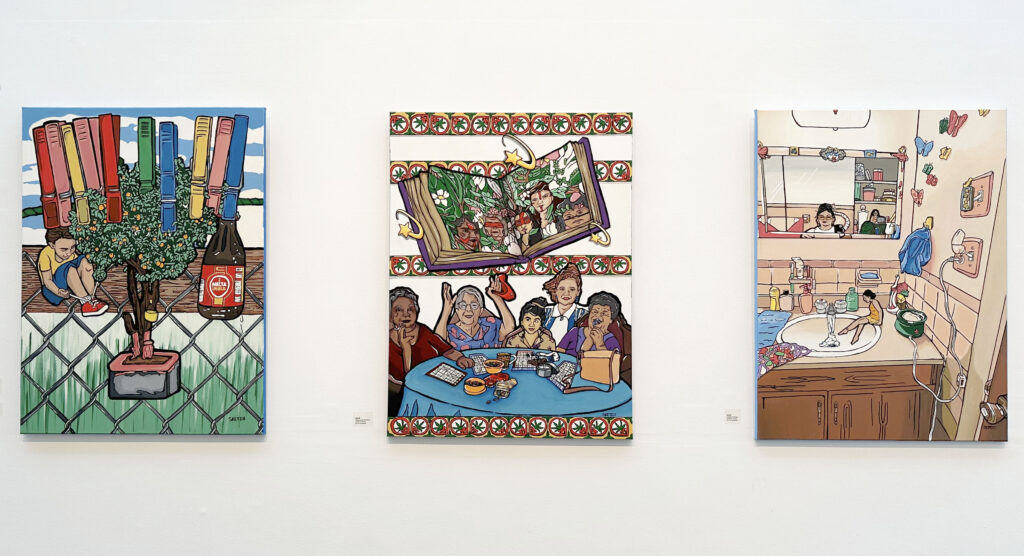
Sketzii,”Out of the Pink Concrete”, “Reclamando Mis Raices” and “A Señora’s Dream”, Acrylic on canvas

Steph Hargrove, “Catch You Later”, Acrylic paint, paper on canvas

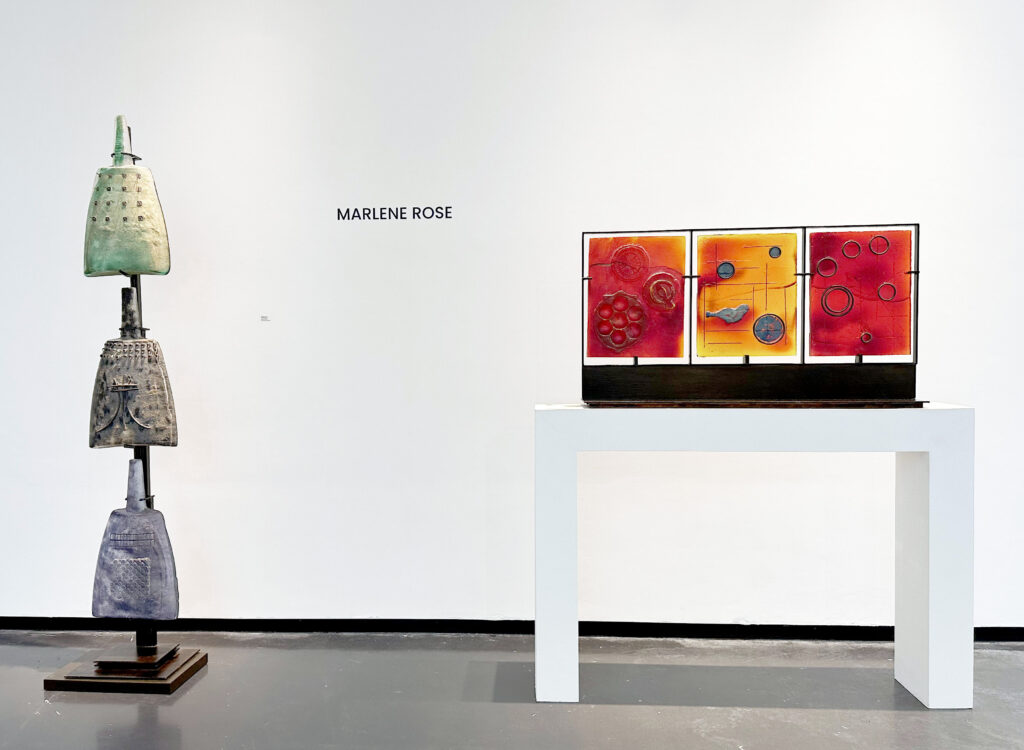
Marlene Rose, “Three Bell Tower”, Sandcast glass and “Map Triptych” Sandcast glass

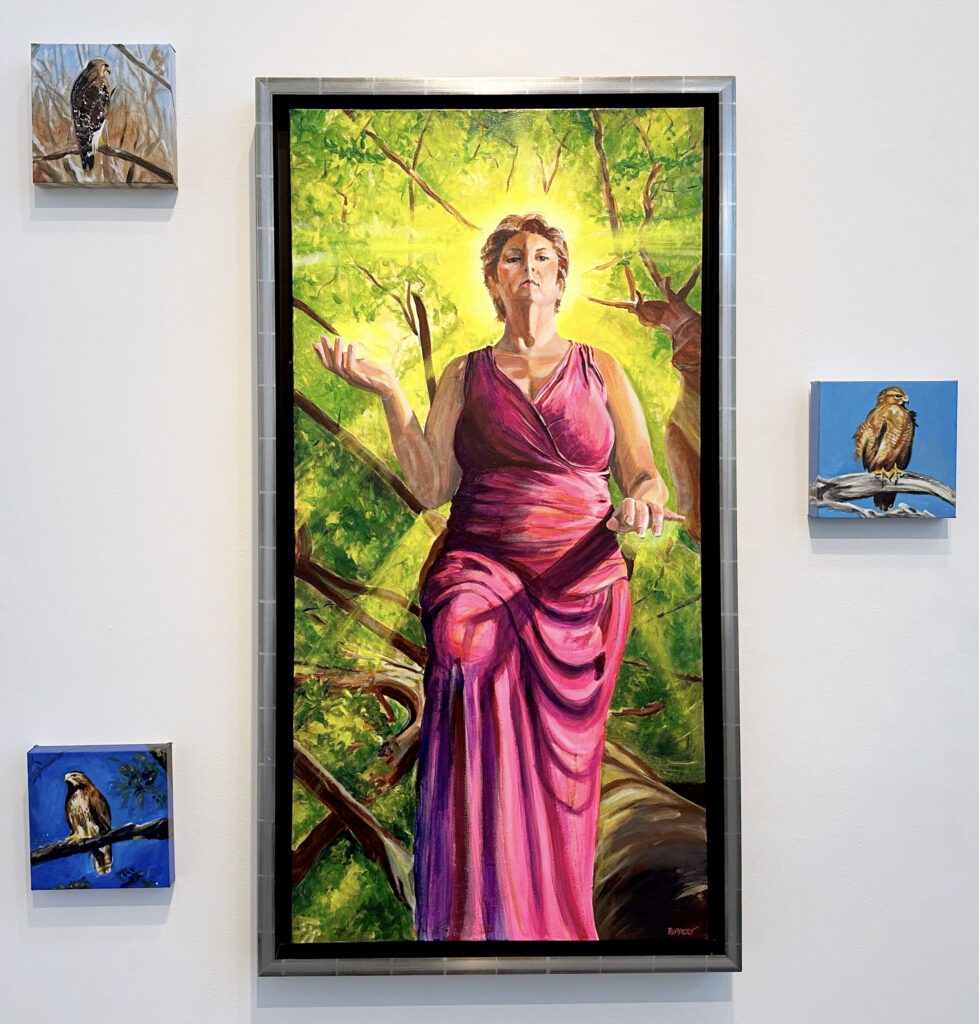
Heather Rippert, “Shakti” (center) and “Hawk 1, 2, and 3”, acrylic on canvas


Dec 142023
 

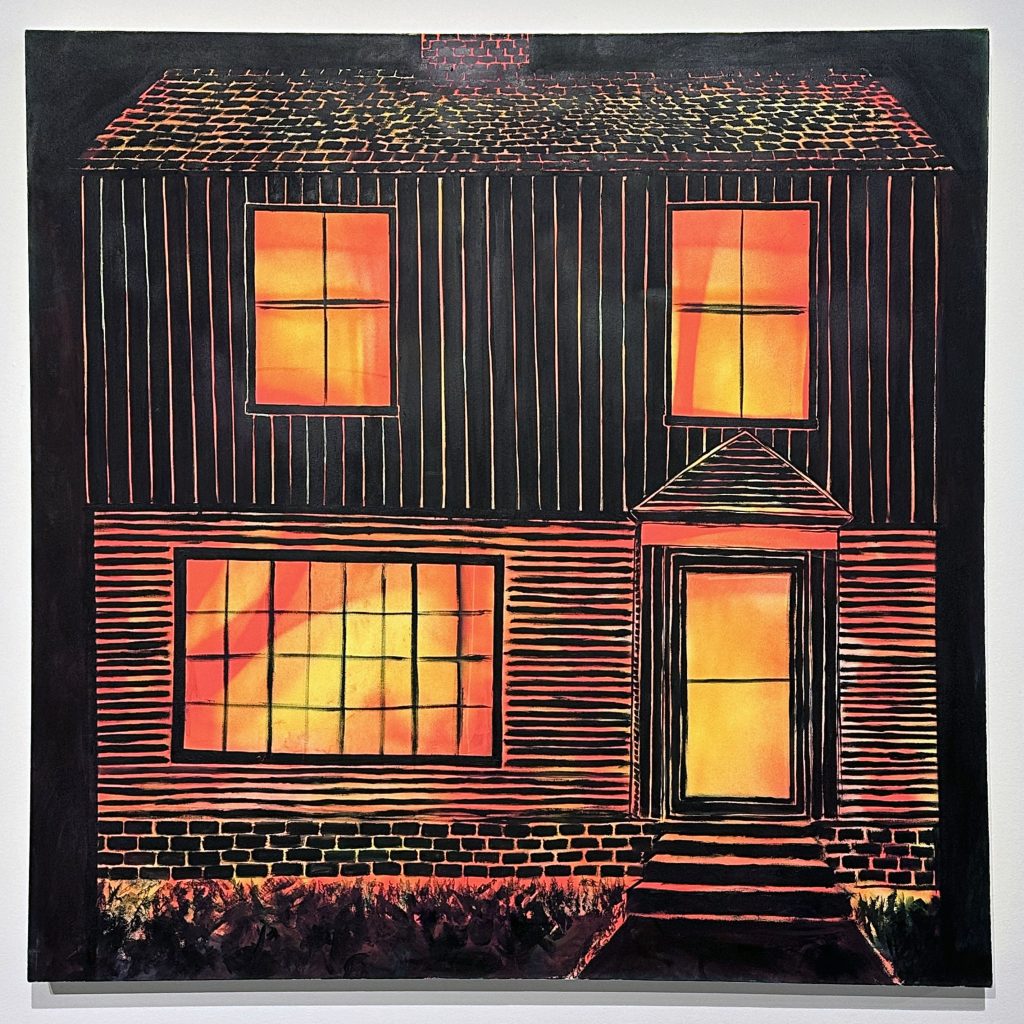
Mirror House, 2016 by artist Paige Jiyoung Moon was one of the paintings in her 2019 exhibition, Days of Our Lives at Steve Turner in Los Angeles. Her works are all of scenes from her life, painted from memory.

She is currently part of Hammer Museum’s most recent biennial, Made in L.A. 2023: Acts of Living, its sixth iteration, on view until 12/31/23.

The house in the painting, Mirage, was created by Doug Aitken for Desert X in 2017. On the fictional television series, The Curse, created by Nathan Fielder and Benny Safdie, the main characters are building houses with similar look.

Dec 122023


Heiress Gallery in St. Pete is currently showing Melissa Spitz’s solo show You Have Nothing to Worry About, a moving portrait of her mother’s mental illness and substance abuse.

From the gallery about the exhibition-

In her solo exhibition at HEIRESS, Spitz presents medium-to large-format prints of her iconic images. The works are installed in a chaotic environment, scattered amongst the detritus of familial tragedy: her mother is found in the context of hundreds of pills and pill bottles, a glimpse into the chaos that Spitz and her family have dealt with for many years. Thousands of 4×6 glossy photos are scattered on a table in the center of the space and invites gallery visitors to attempt to make sense of the nostalgia that they hold. In addition to photographs, Spitz has included new sculptural works including ten enameled hammers titled, You Are the Nail, which encourages an examination of the over-reliance of pharmaceutical solutions in the United States. Spitz’s work freezes moments of chaos in time, to be dissected and understood by the artist after the fact. The majority of her most intimate traumatic life experiences are captured through her lens, and finds a second life in the digital sphere on Instagram, to a community of over 50 thousand followers, which blurs the lines between catharsis and entertainment.

From the artist about the exhibition-

Since 2009, I have been making photographs of my mentally ill, substance-abusing mother. Her diagnoses change frequently-from alcoholism to dissociative identity disorder–and my relationship with her has been fraught with animosity for as long as I can remember. I am fully aware that my mother thrives on being the center of attention and that, at times, our portrait sessions encouraged her erratic behavior.

The photographs are simultaneously upsetting and encouraging; honest and theatrical; loving and hateful. By turning the camera toward my mother and my relationship with her, I capture her behavior as an echo of my own emotional response. The images function like an on going conversation.

The series in installation form encourages an examination of the role prescription drugs play in the United States. Aiming to prompt discussions on the cultural, social, and individual implications of an overreliance on pharmaceutical solutions. Through visual metaphors and imagery, You Have Nothing to Worry about continues to raise awareness about the need for a balanced and holistic approach to health and well-being. While acknowledging the limitations and potential pitfalls of relying solely on prescription medications.

The immersive exhibition functions as a thought-provoking commentary on the pervasive and complex issue of prescription drug culture in America. Through the meticulous arrangement of pill bottles, pills, photographs, and family ephemera, I seek to engage viewers in a dialogue about the consequences of our society’s reliance on pharmaceutical drugs.

The Vanity, pictured above, which includes family notes and photos, adds even more depth to the family’s struggles.

From the artist-

I have always been interested in sculptural installations and photography. Sandy Skoglund, Jeff Wall and Carrie Mae Weems are a few big names who have directly inspired me. The obsessive nature of details and experience only add to telling a story and I’ve been eager to find a way to participate. This vanity belonged to my great-aunt Sophie and has been in my bedroom my whole life, it went to college and graduate school with me, and my brother has been storing it since I moved to New York. This exhibition presented the perfect opportunity to utilize it. Informed by actual experiences, The Vanity, showcases family ephemera, letters from my mom, pill bottles, scattered pills, lipsticks and flickering candles. The mirror allows viewers to reflect on their own shared familiarity.

Spitz also created You Are The Nail, pictured below, for the exhibition.

Her description of the work-

I’m not sure when I first heard the phrase “when your only tool is a hammer, you begin to see everything as a nail” but it was used regarding my mom being over medicated and her prescriptions mixing, sending her into another psychotic episode. It wasn’t the doctors’ fault, or mom’s or the pharmacist but the drugs, they were to blame. I was frustrated and angry and confused, but too young to understand that doctors received kickbacks for writing certain prescriptions and that patients like my mom were a goldmine. I do want to be clear that I know anti-psychotic medications have saved people’s lives and mom would not be able to function normally without a carefully balanced mix of mood stabilizers, anti-depressants and anti-anxiety pills. But all too quickly do I find doctors in almost any capacity pushing drugs on me…I was alarmed to learn that the United States pharmaceutical industry generates over 110 bilion dollars of revenue each year.

You are the Nail is a series of ten hammers representing the ten most prescribed anti-psychotic / antidepressant pharmaceutical drugs in the United States. Several of which my mom is prescribed. Informed by Abraham Maslow’s theory of over reliance, you are the nail visually depicts our mental health field’s greatest tool, prescription drugs. The hammers are titled, Zoloft, Lexapro, Trazadone, Prozac, Wellbutrin, Cymbalta, Seroquel, Celexa, Vensir and Abilify.

This exhibition closes 1/13/24.

Dec 072023
 

In the Deep Space of the Sea I Have Found My Moon by Ales Bask Hostomsky aka BASK was created for the 2020 edition of the SHINE Mural Festival in St. Pete, Florida.

You can also see his work at his exhibition B.A.S.K.: Because Art Should Kill at The University of Tampa’s Scarfone/Hartley Gallery, on view until 12/15/23.