Mar 282024
 

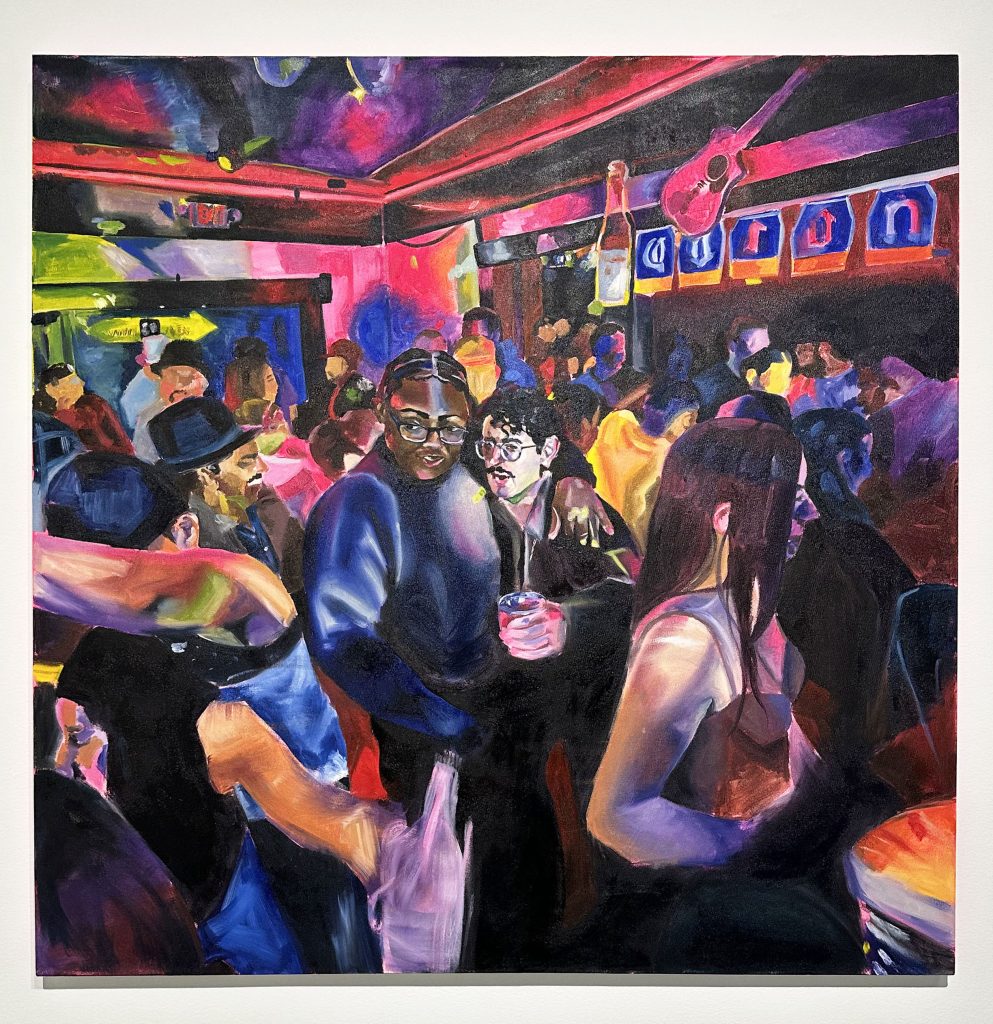
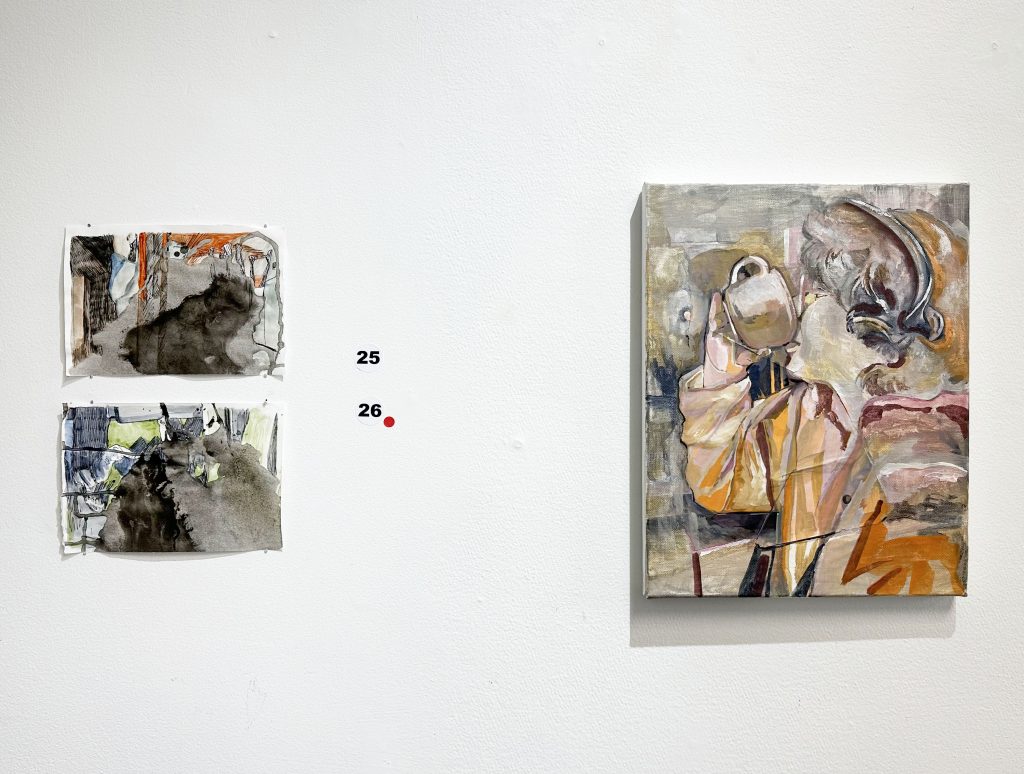
Jazzalyn Palma, “21st st”, Oil on canvas, 2023

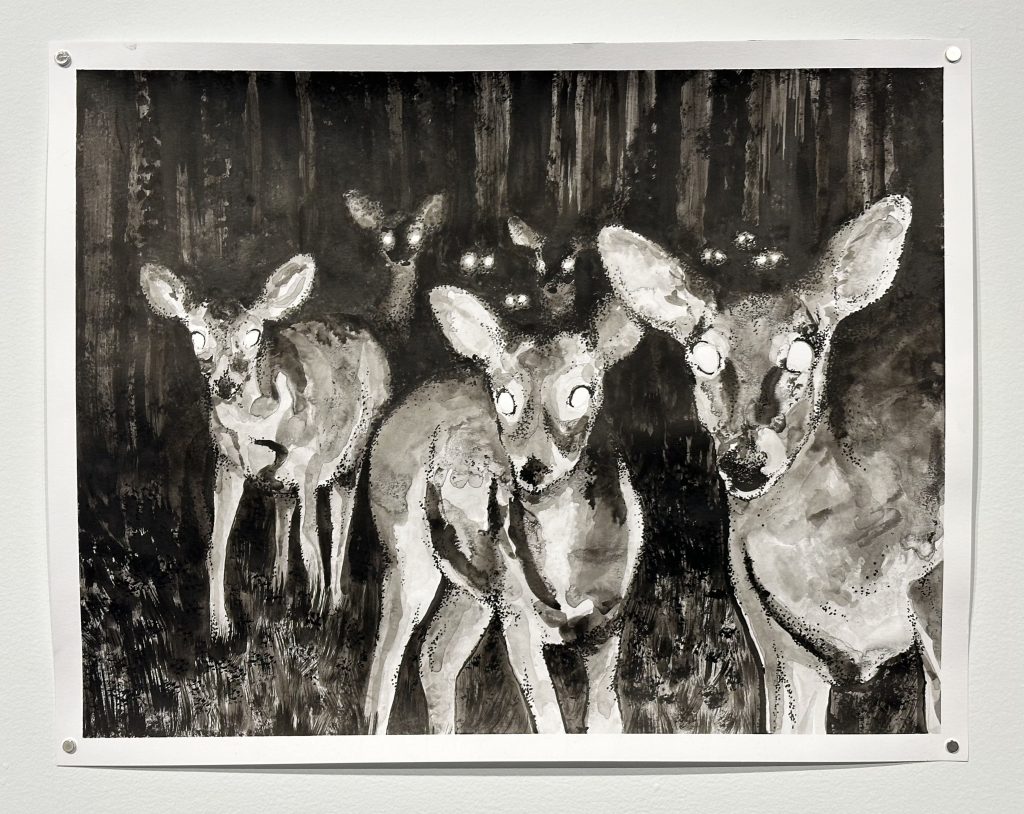
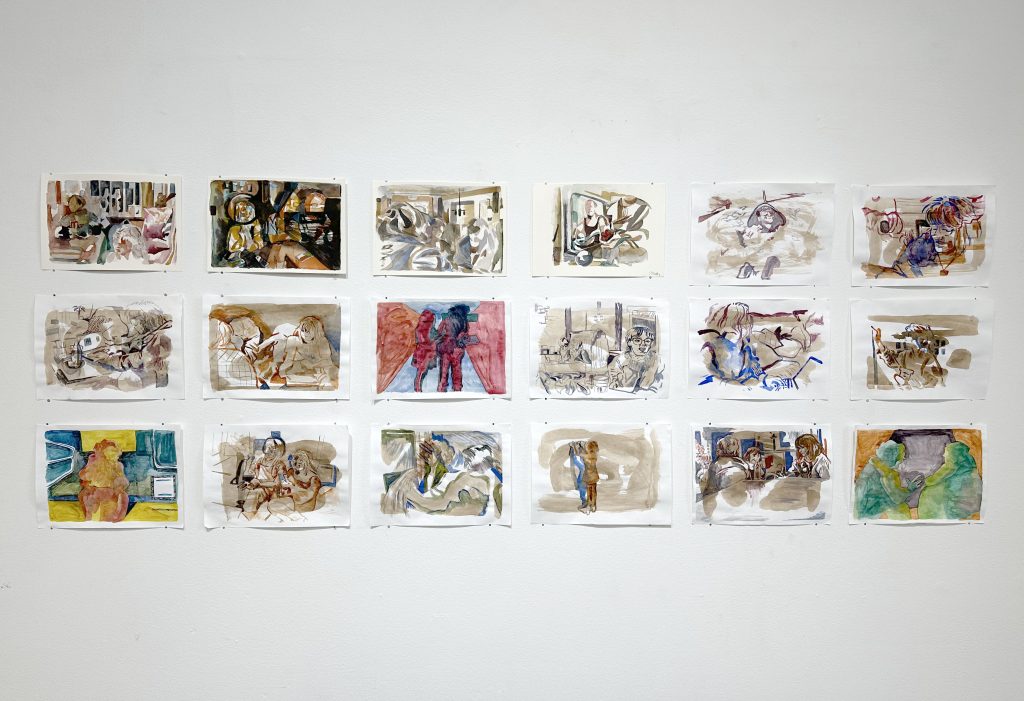
Rachel Augustson, “Gaze”, Ink on Paper, 2023

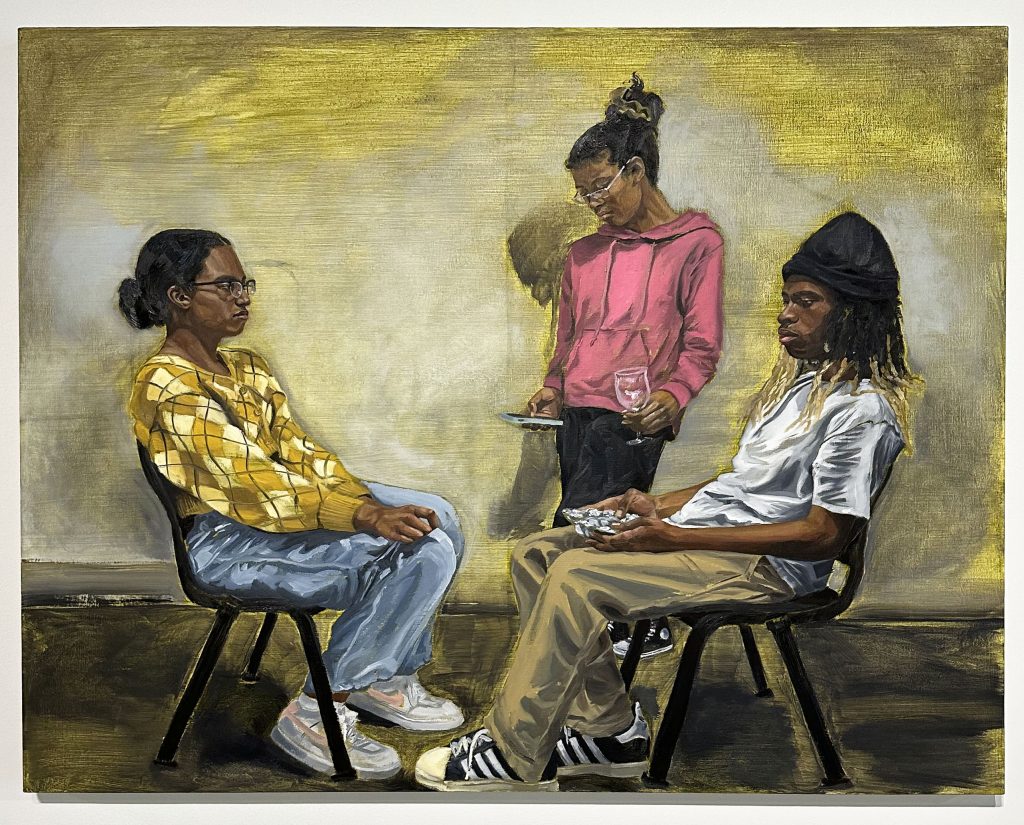
Ashton Burton, “…”, Oil on canvas, 2023

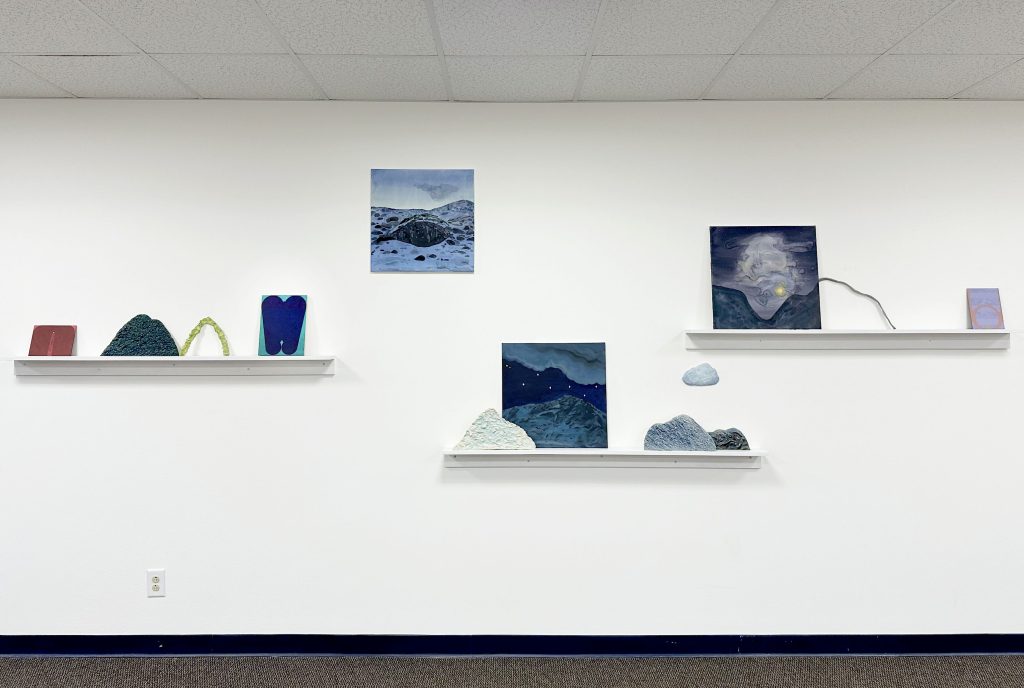
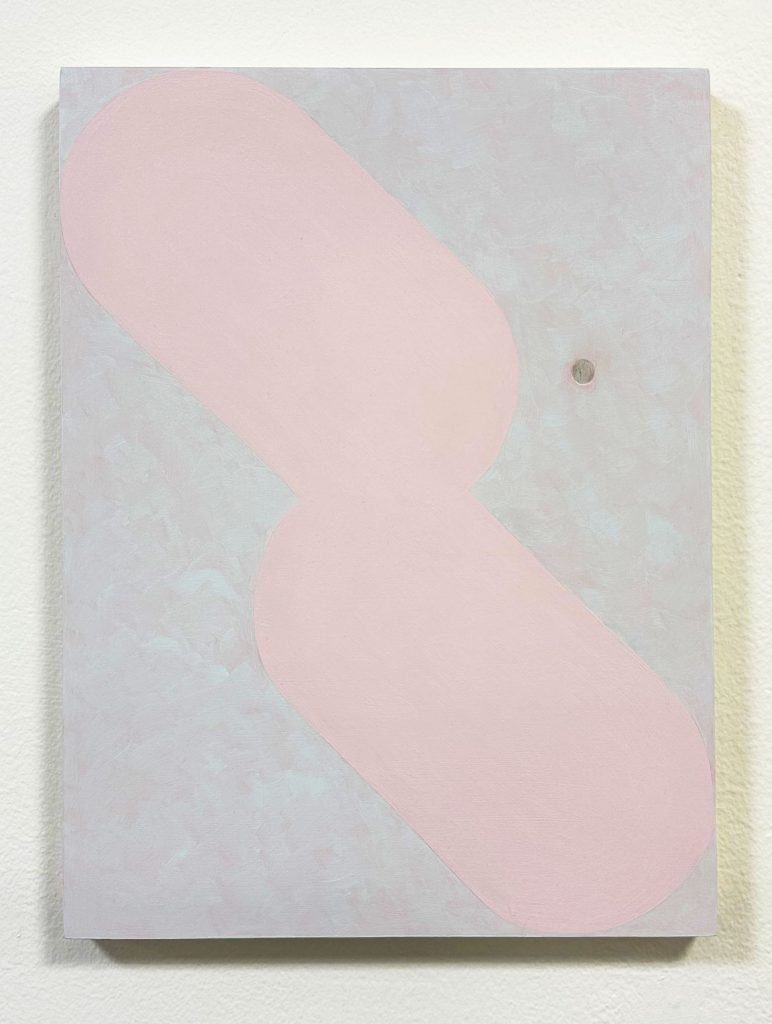
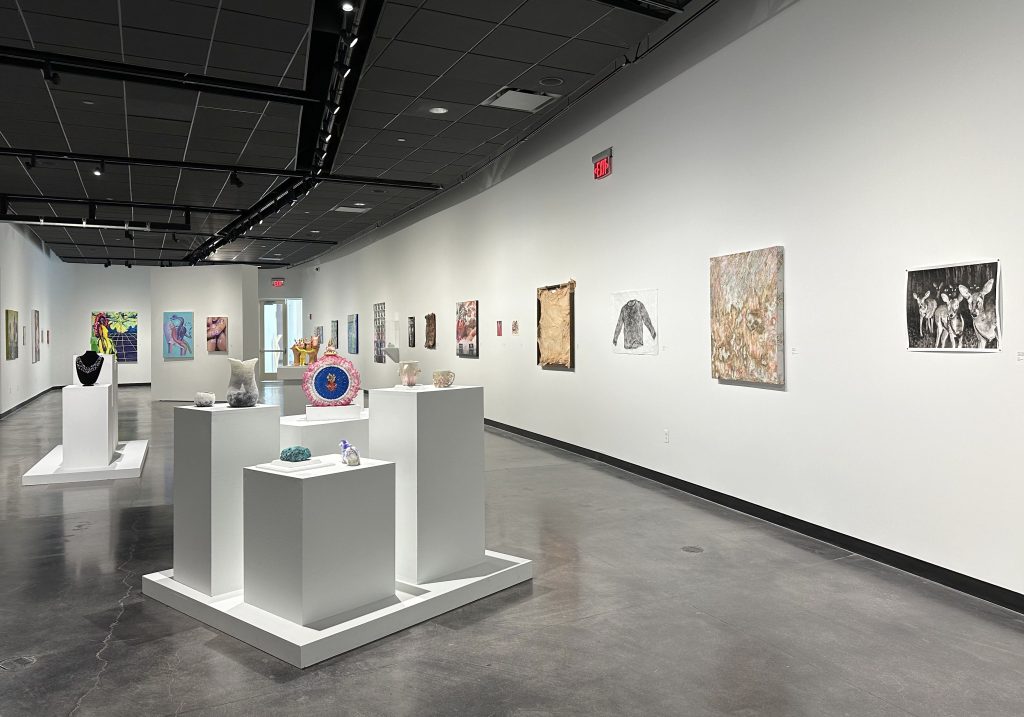
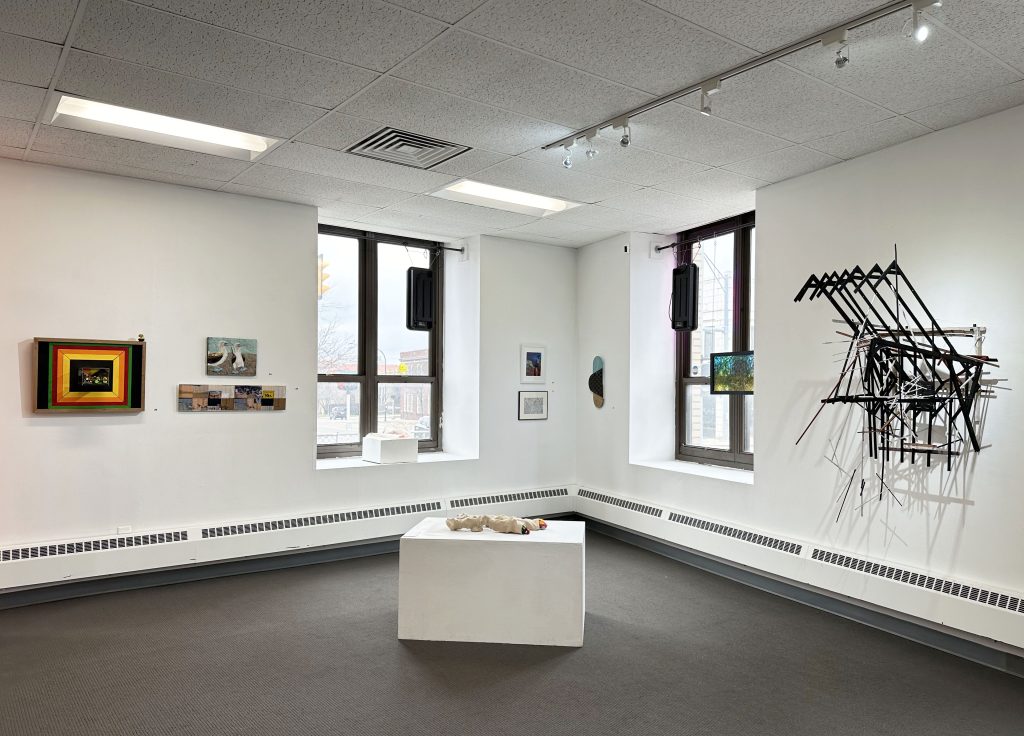
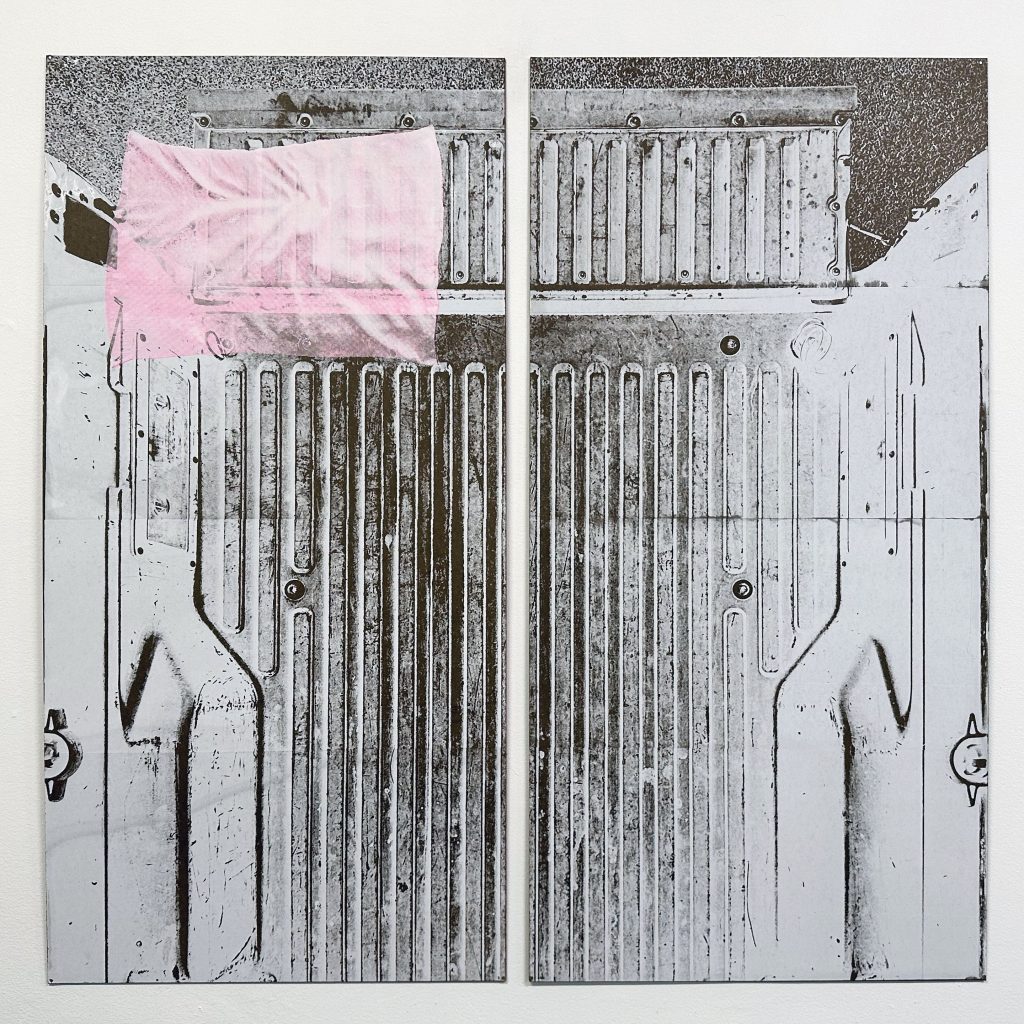
Cleveland Institute of Art’s 78th Student Independent Exhibition is currently on view in their Reinberger Gallery. The juried show is organized by the students and includes work from all mediums.

There are so many great pieces in this show, above and below are just a few selections.

This exhibition closes 4/7/24.

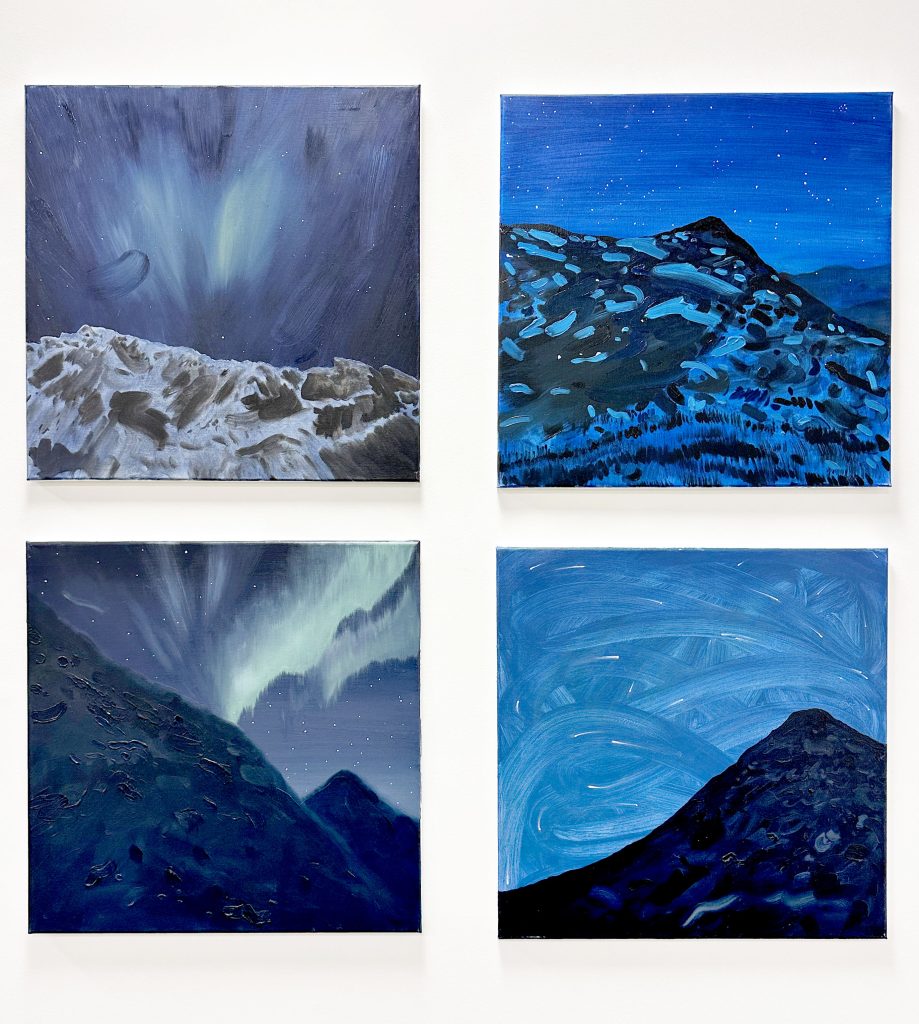
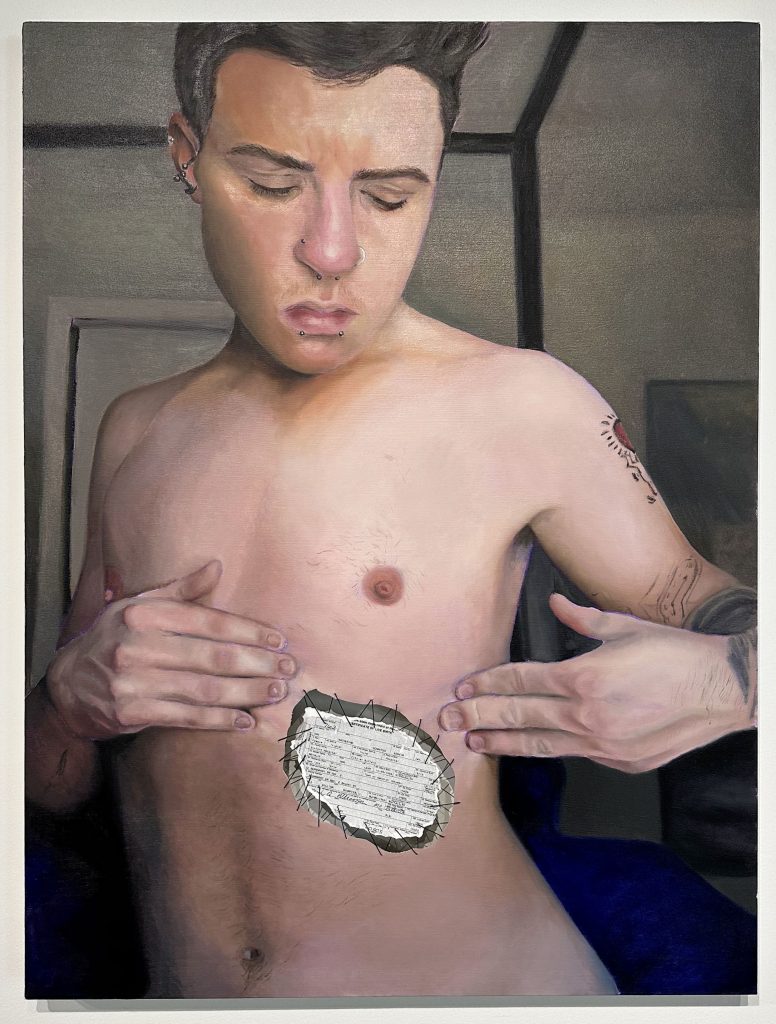
James Schaffer, “Bound”, Oil on canvas, 2023

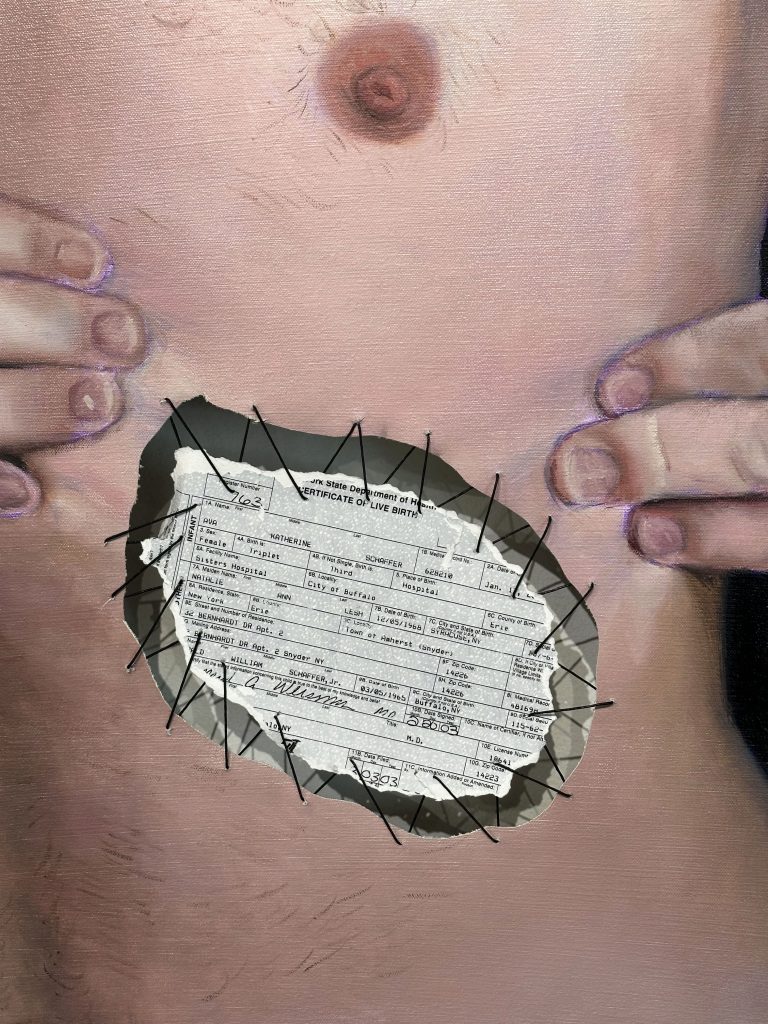
James Schaffer, “Bound”, Oil on canvas, 2023 (detail)

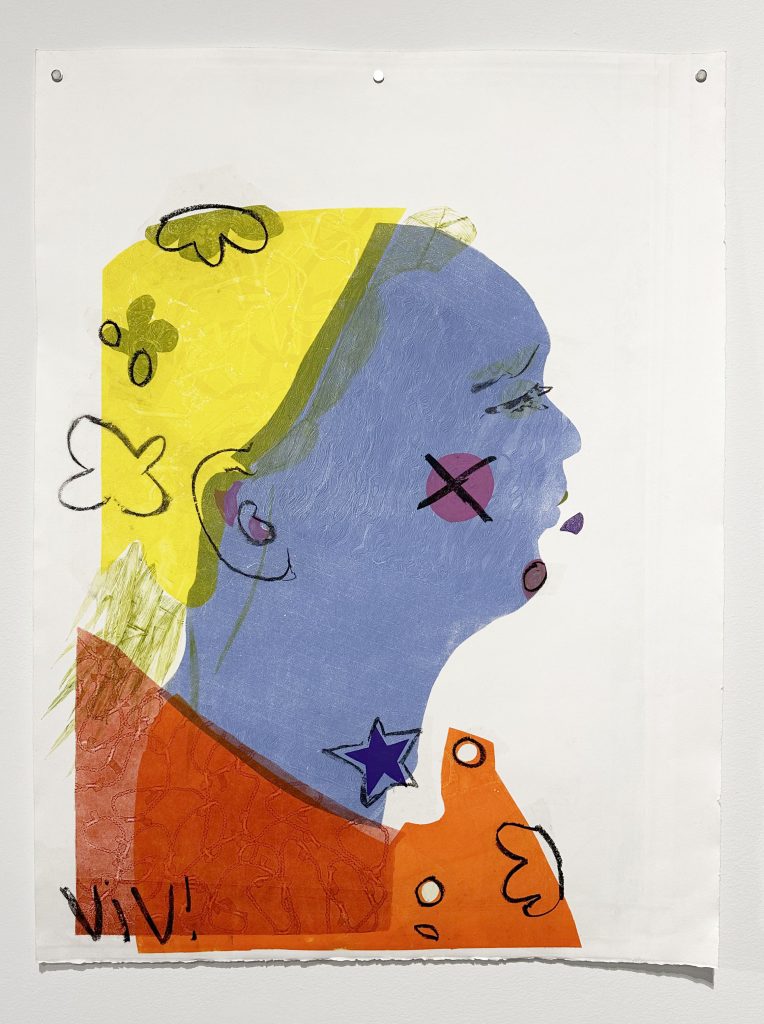
Gwen Putz, “Viv!”, Monoprint, 2023

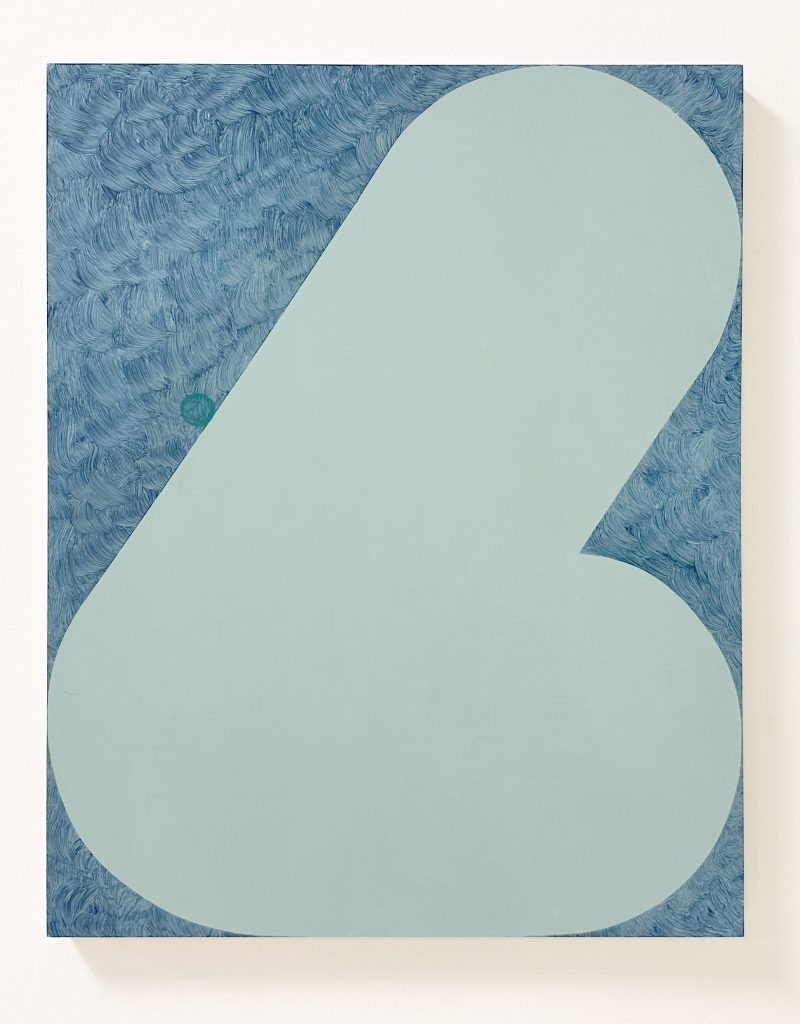
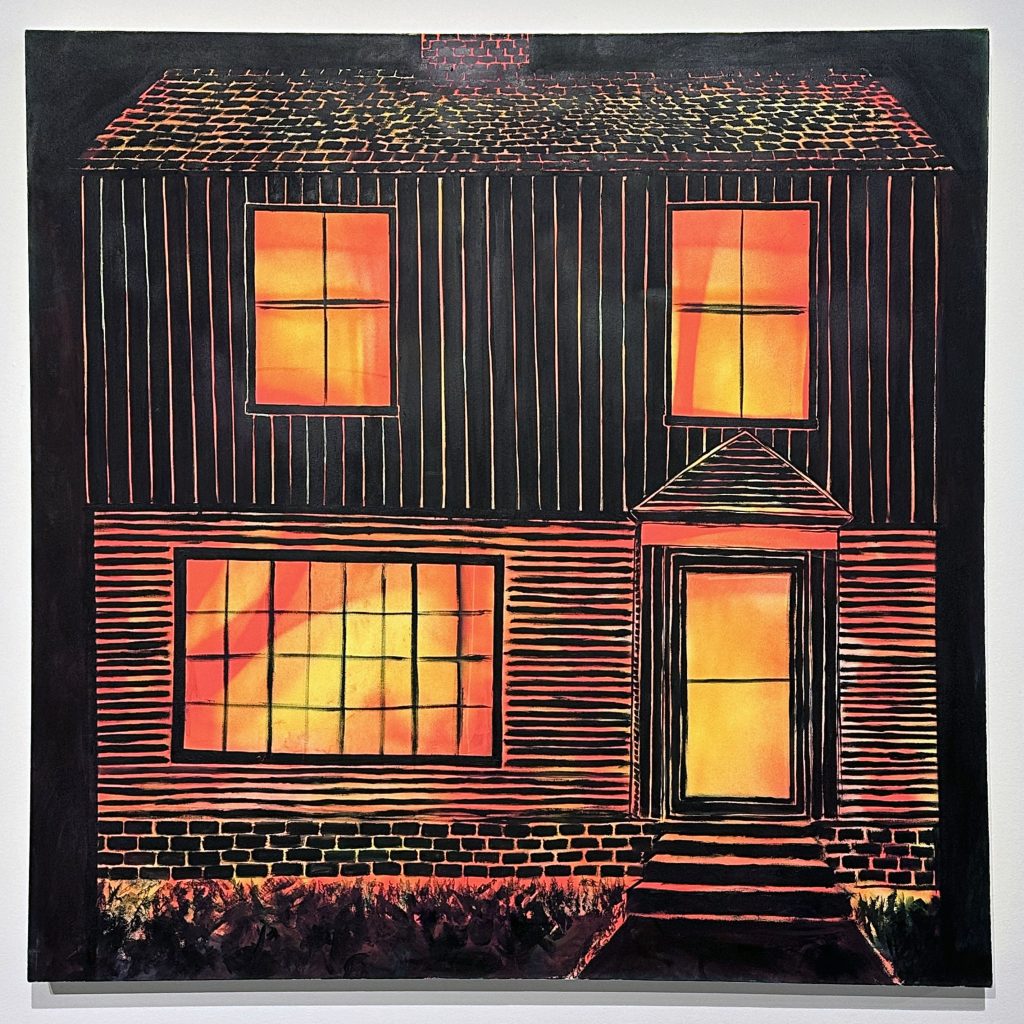
Tristen Kovacs, “897”, Spray paint and acrylic on canvas, 2023

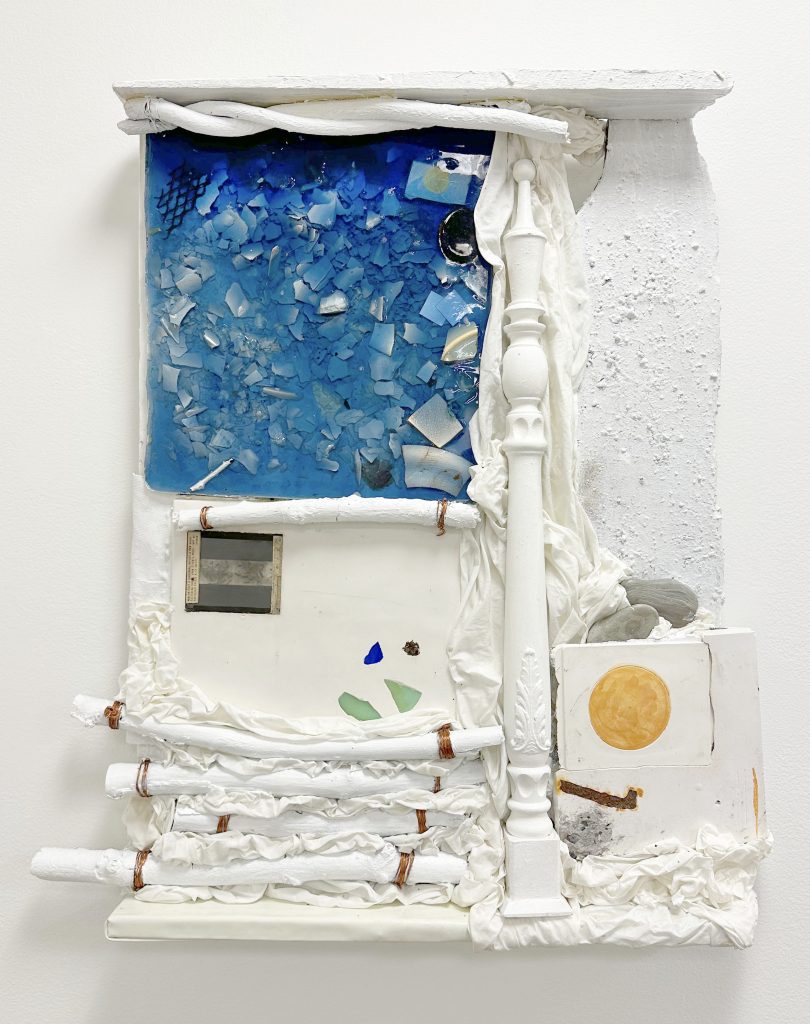
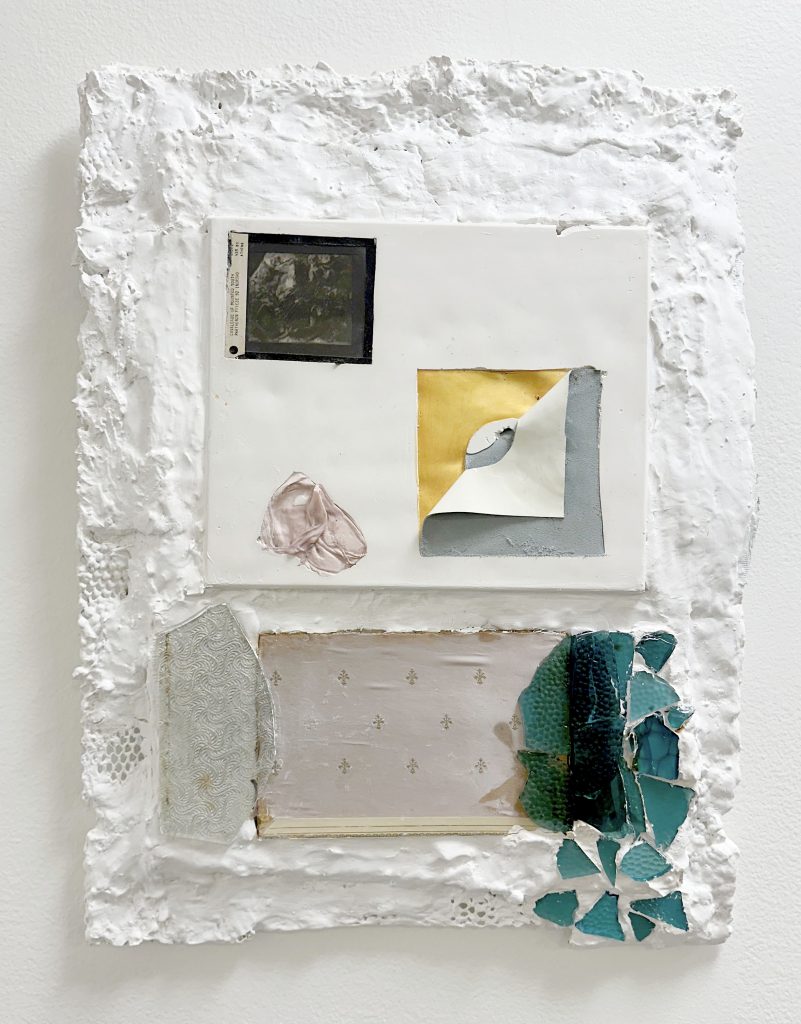
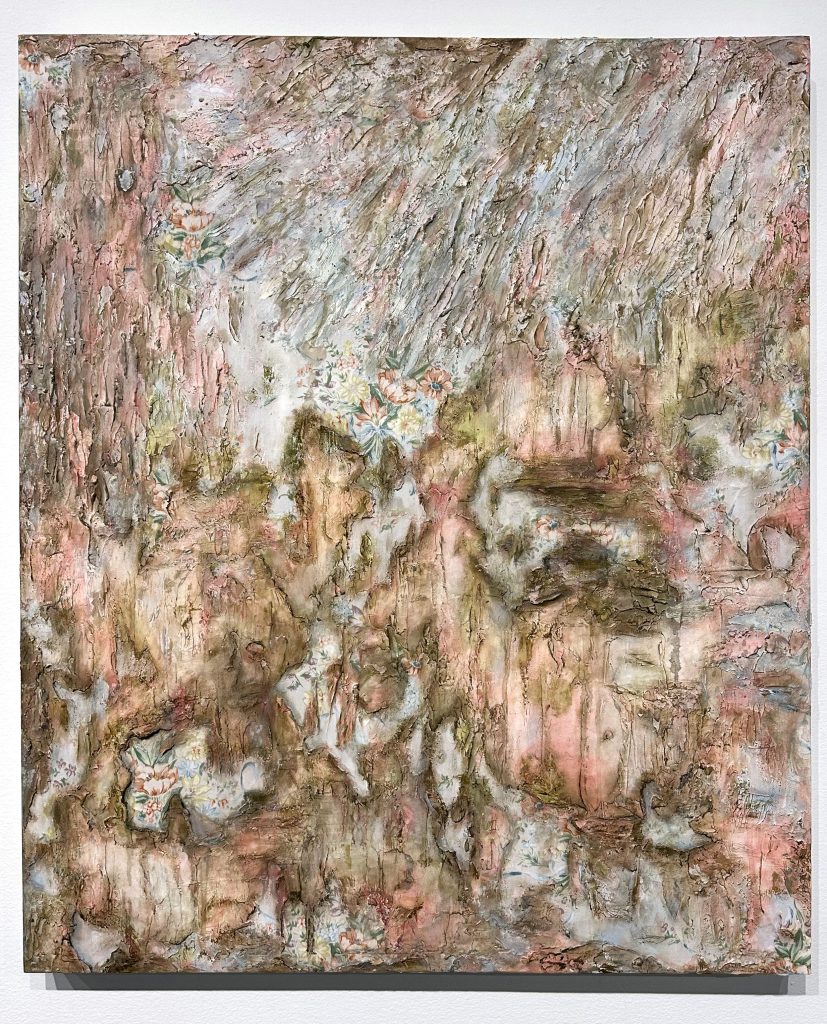
Emily Fontana, “Untitled”, Acrylic and spackle on fabric, 2024

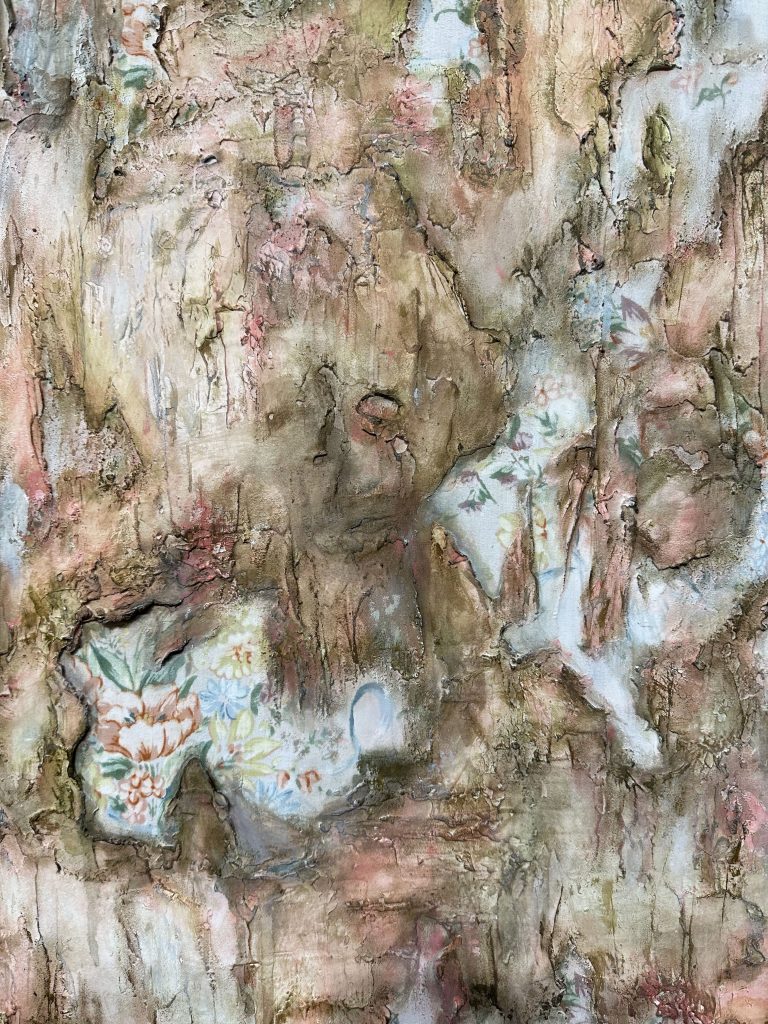
Emily Fontana, “Untitled”, Acrylic and spackle on fabric, 2024 (detail)

Mar 262024
 

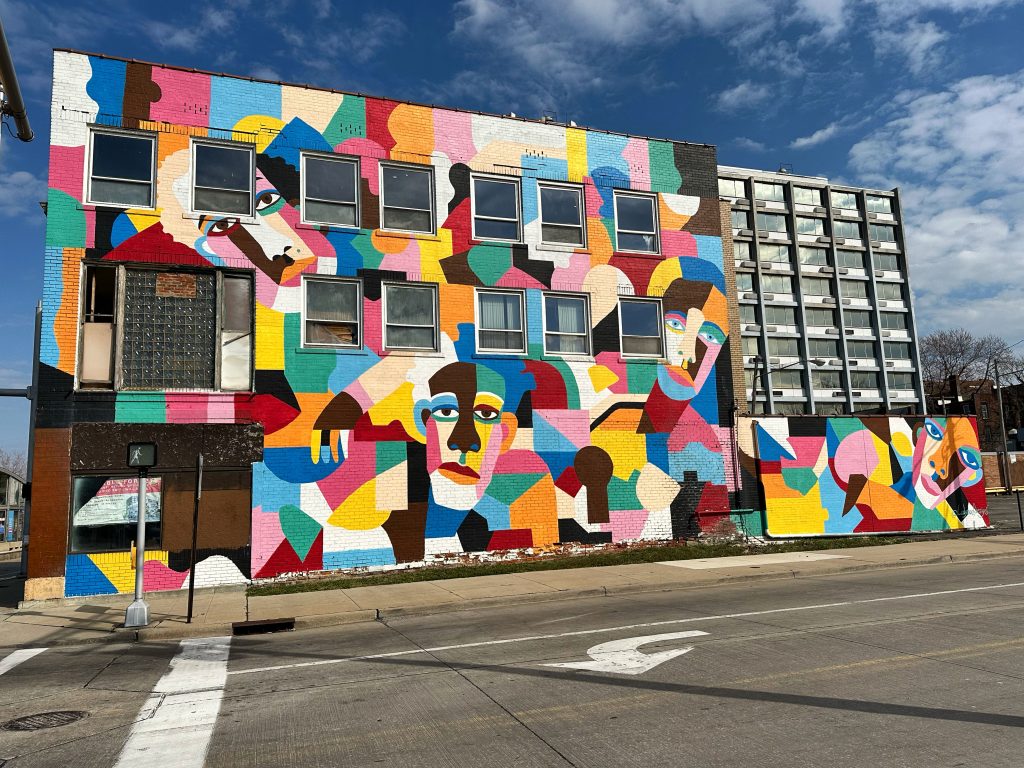
The mural above was created by artist Lauren Pearce and is located in Cleveland, Ohio. You can also find her work on Instagram.

She will also be part of the upcoming group exhibition How Do You Want to See Yourself, curated by Larry Ossei Mensah, at Galleria Anna Marra in Rome, Italy. That show will open on 4/10/24.

Mar 212024
 

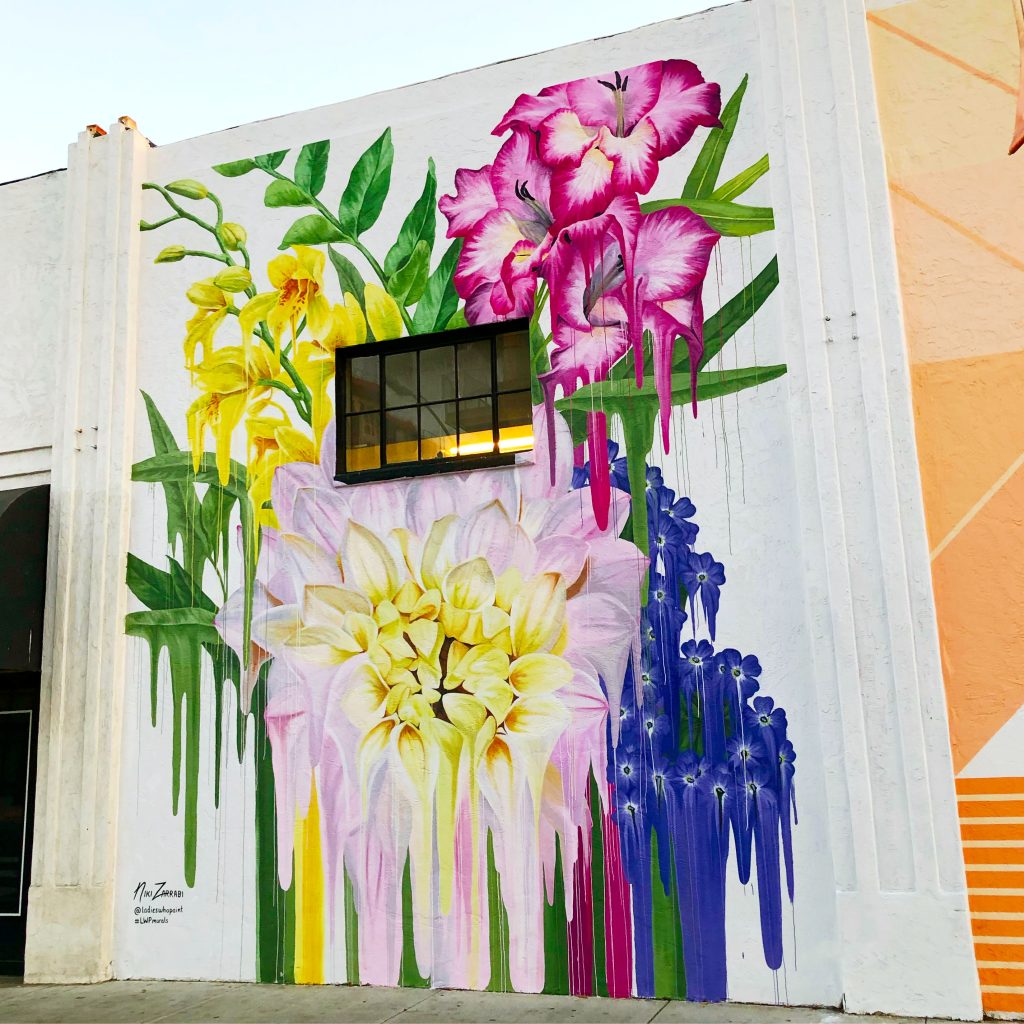
Niki Zarrabi created this mural in 2019 for the Ladies Who Paint event in San Diego.

She is currently showing work at ABV Gallery in Atlanta for their Spring Group Exhibition, REFRESH, on view until 3/23/24.

Mar 192024
 

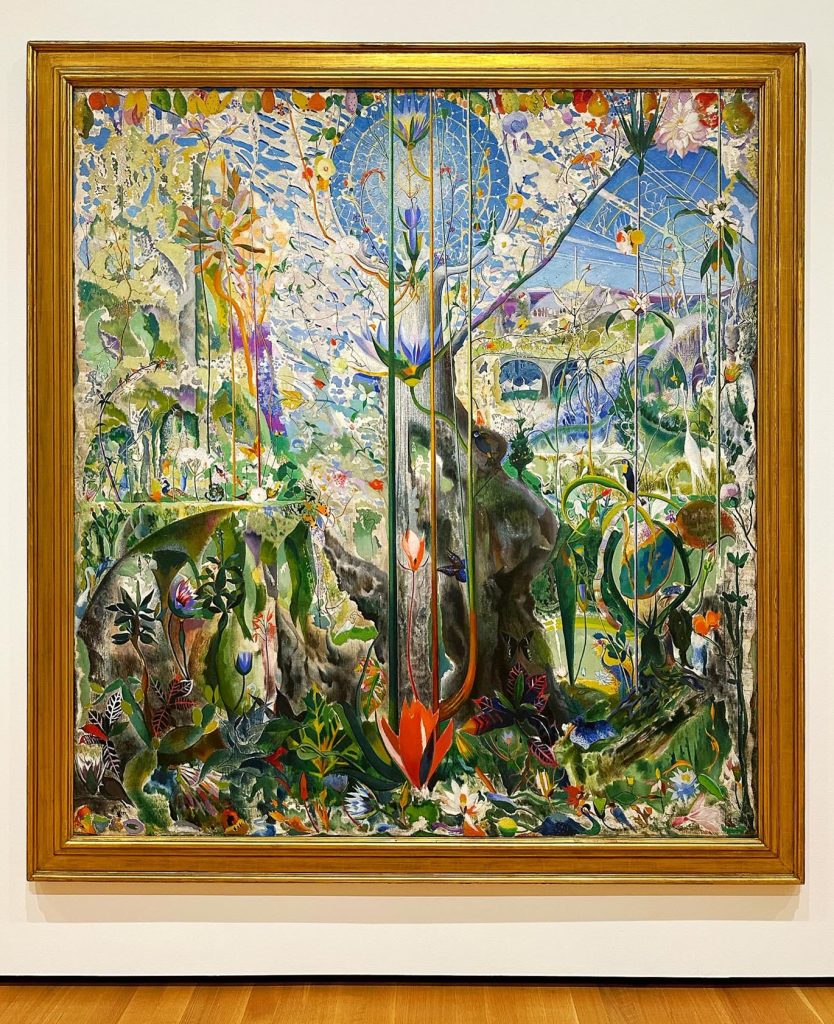
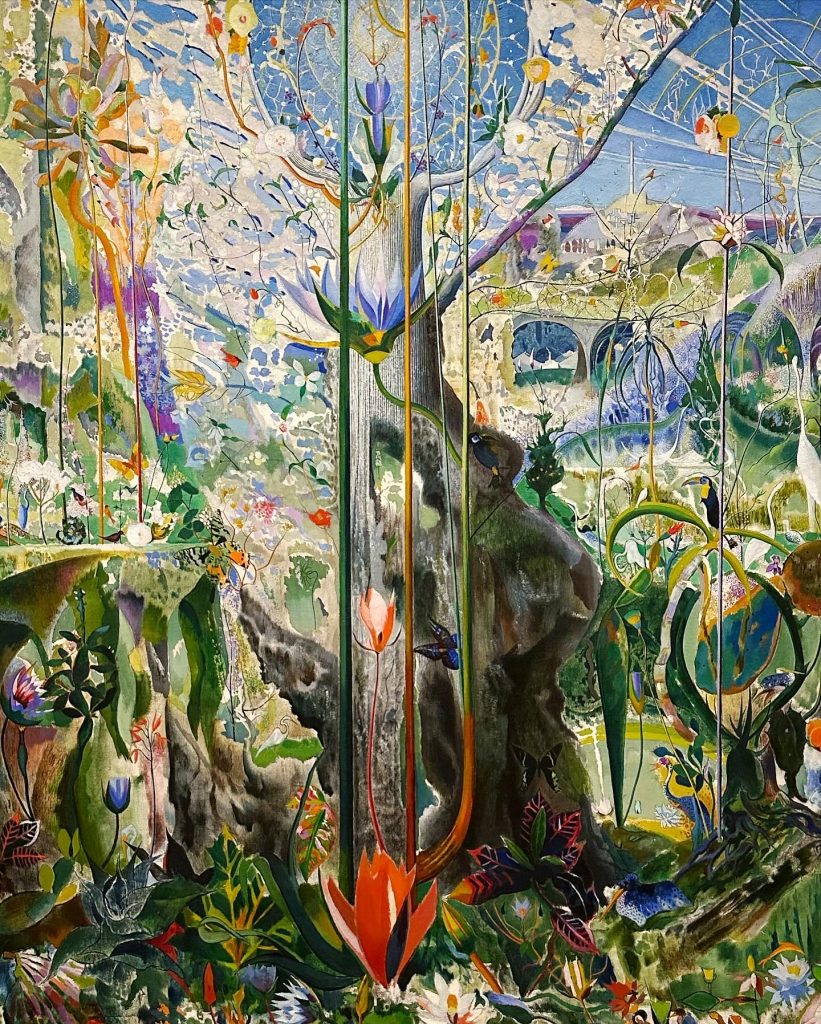
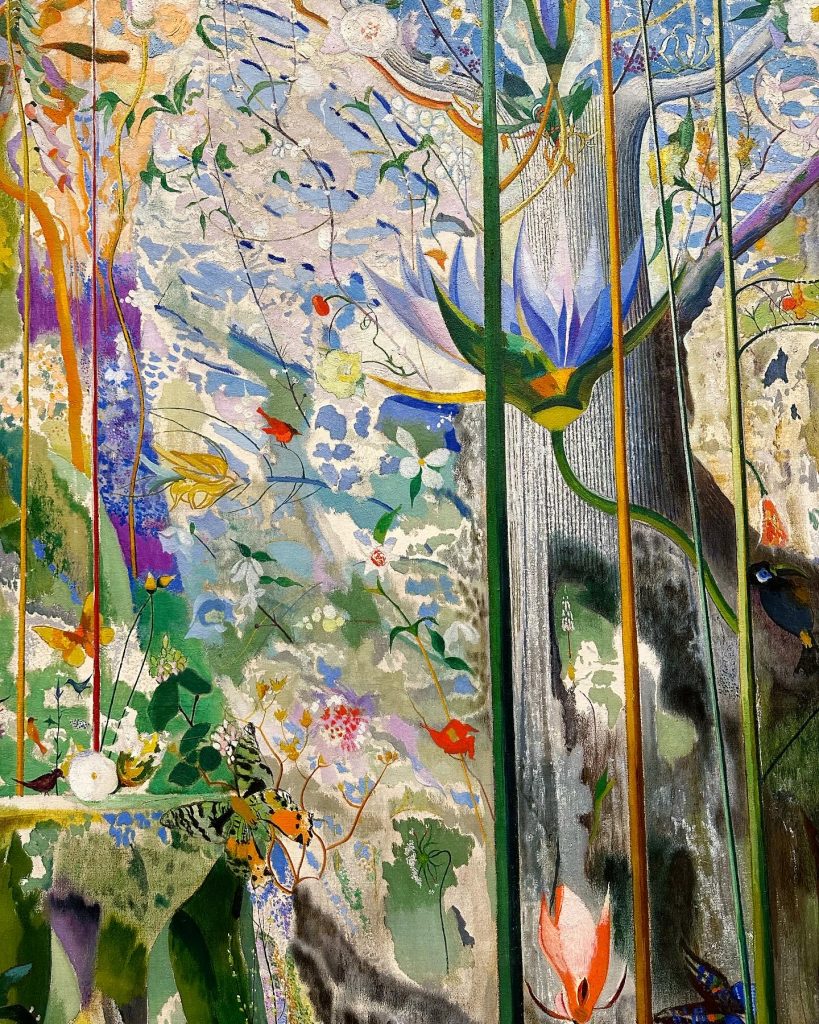
On view as part of the permanent collection at Akron Art Museum is Joseph Stella’s oil painting, Tree of My Life, from 1919.

From the museum about the work-

Joseph Stella described his inspiration for Tree of My Life as an epiphany: “A new light broke over me. I found myself in the midst of a joyous singing and delicious scent … of birds and flowers ready to celebrate the baptism of my new art.” Throughout the painting, forms and colors are infused with symbolic significance. The gnarled tree trunk represents the weathering effect of life’s temptations, while red lilies, blue patches of sky, and white blossoms symbolize lifeblood, divine protection, and spiritual ascendance. Stella, who maintained connections to his native Italy while living in America, combined this dense visual poetry with elements of adventurous European styles. Tree of My Life thus presents a distinctive new vision, marking an important moment in the course of Stella’s career and in the progress of American modern art.

Happy first day of spring! (in the Northern Hemisphere)

Mar 182024
 

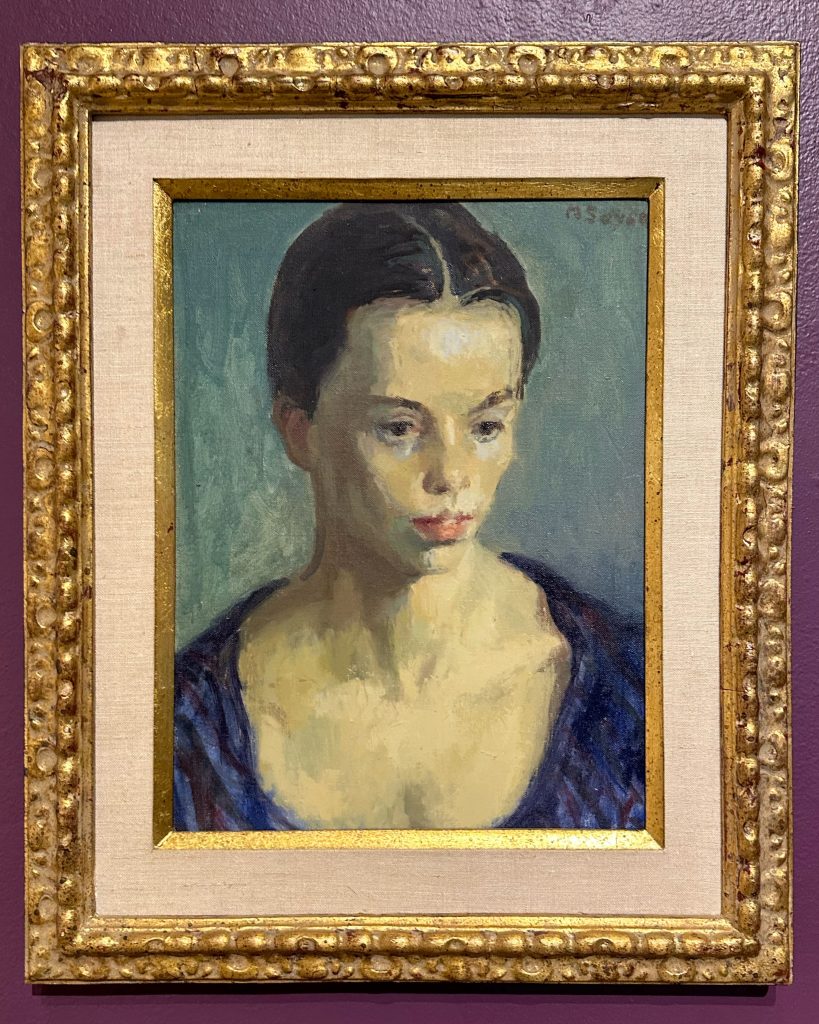
Moses Soyer’s oil painting, Young Girl, is one of the works on view in A New Deal: Artists of the WPA from the CMA Collection at Canton Museum of Art. The exhibition is a reminder of one of the best social programs ever created by the US government and the positive impact it had on the country during one of its hardest periods.

From the museum about the exhibition-

Against the backdrop of severe economic strife caused by the Stock Market Crash of 1929, President Franklin Roosevelt created the Works Progress Administration (WPA), which put roughly 8.5 million Americans, including more than 173,000 men and women in Ohio, to work building schools, hospitals, roads and more. Within the WPA was The Federal Art Project (FAP) which provided employment for artists to create art for municipal buildings and public spaces. The FAP had a non-discrimination clause that meant it attracted and hired artists of color and women, who previously received little attention in the art world. The only guidance the government offered about subject matter was to depict the “American scene” and stipulated no nudity or political issues. The goal was for artists to help the United States develop its own distinct American style of art, especially as artists in other parts of the world were forbidden freedom of expression and ordered to create artworks that projected the beliefs of their governments.

Though the WPA artists in the United States shared the common goal of capturing life in all its variety and promoting national pride, they each had different approaches, and many modified their typical subject matter to fit whatever project they were assigned. The arts before and after the New Deal relied on private patronage and the philanthropy of wealthy and elite institutions: galleries, museums, dealers. But during the WPA, art wasn’t a luxury good, it was seen as an essential part of our democracy. Artists were seen as professional workers who were making important and significant contributions to American life. The artworks made under the WPA became the collection of the American people and were put in public collections – hospitals, schools, post offices, housing projects, etc. – ensuring they were part of communities. The arts were seen as an important part of a democratic society and the American way of life, with a richness of experience and accessibility to culture.

While artists were offered opportunities through the WPA, they were far from immune to the distress caused by the Depression, and many still struggled to make a living. Will Barnet detailed a bleak scene he came across, saying:

“It was like a war going on. There were bread lines and men lined around three, four, five, six blocks waiting to get a bowl of soup. It was an extraordinary situation. And one felt this terrible dark cloud over the whole city.”

Moses Soyer also described the hardships artists experienced, saying,

“Depression–who can describe the hopelessness that its victims knew? Perhaps no one better than the artist taking his work to show the galleries. They were at a standstill. The misery of the artist was acute.”

The FAP supported the creation of thousands of works of art, including more than 2,500 murals that can still be seen in public buildings around the country. The FAP also supported art education and outreach efforts, including traveling exhibitions and art education programs for children. The WPA and FAP had a significant impact on the American art scene, and many of the artists who participated in the program went on to become important figures in the art world.

A New Deal: Artists of the WPA from the CMA Collection highlights the lives of artists from our Permanent Collection who worked for the WPA, and in doing so, fostered resilience for a struggling nation. You will learn about the projects they worked on, the subjects they were interested in, and how their own lives were affected by the Depression. Each of these artists helped to foster the nation’s spirit and prove that even in the darkest of times, art serves as a uniting force to collectively lead people into a brighter future.

And about Moses Soyer and his painting from the museum-

The Depression set the mood for most of Soyer’s art expression, and his portraits of people seem to be preoccupied with a sad secret. His portraits were often of solitary figures, using professional models or his friends, capturing in these paintings the spirit of his sitters, their dreams or disillusionment. He is best known for his introspective figure paintings of weary, melancholy women in muted colors, matching the mood of his sitters with the pigment in his paint. He was inspired by artist Edgar Degas, who used color expressively.

On the museum’s website you can find both the artwork on display for the exhibition and also a gallery of the museum’s entire collection organized into several categories.


Mar 162024
 

Watercolor paintings by Katherine Strobel

There is A LOT of work currently on view at Summit Artspace for their Winter Exhibitions (see the previous two posts) and it is worth mentioning these shows as well.

In the Welcome Gallery are watercolor paintings (seen above) by Katherine Strobel, for her exhibition, Bad Nostalgia.

Her statement about the work-

People forget to take pictures of things that don’t matter because it’s impossible to photograph qualities such as the feeling of an inside joke, the sound of an exhale through the nose, or dirty silverware that must be returned to the kitchen and replaced. These things act as set, pieces for what make up the rest of our lives. This series is a catalog of work that focuses on memory and candidness of a scene or subject. The people pictured are painted from life or candid photographs which are then emphasized from a naive image to something more. When an image is exaggerated with new colors and shapes it serves to make the mundane more desirable. The paintings are watercolors with a textured surface; the texture creates a sense of play with paper elements. In my work watercolor is often indicative of memory because of its ephemeral quality and transparent layers. This is because of how impossible it is to clarify every element that makes up a color when the layers are all compressed and viewed as a complete state.

Below are works from FRESH, an annual exhibition of local artists juried by Pita Brooks, Executive Director of Akron Soul Train. The website has all of the artists included and their statements and bios- definitely worth taking a look at what is being created in the area.

Michelle Eisen, “I’ve Made My Bed”, Silkscreen on hardboard

Steven Mastroianni “Fathomable Series #24”, Unique cameraless photogram, silver gelatin print

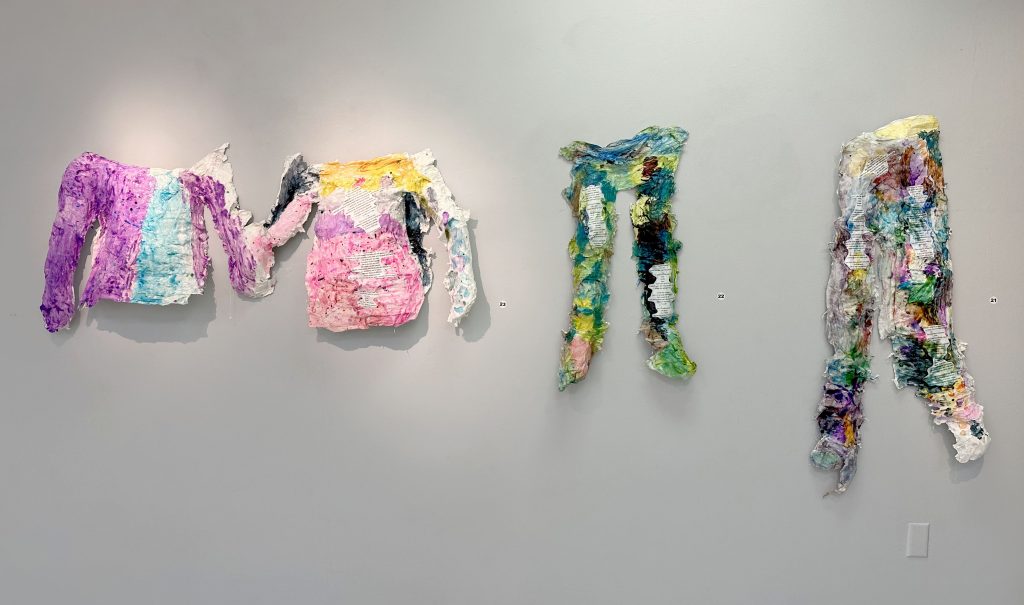
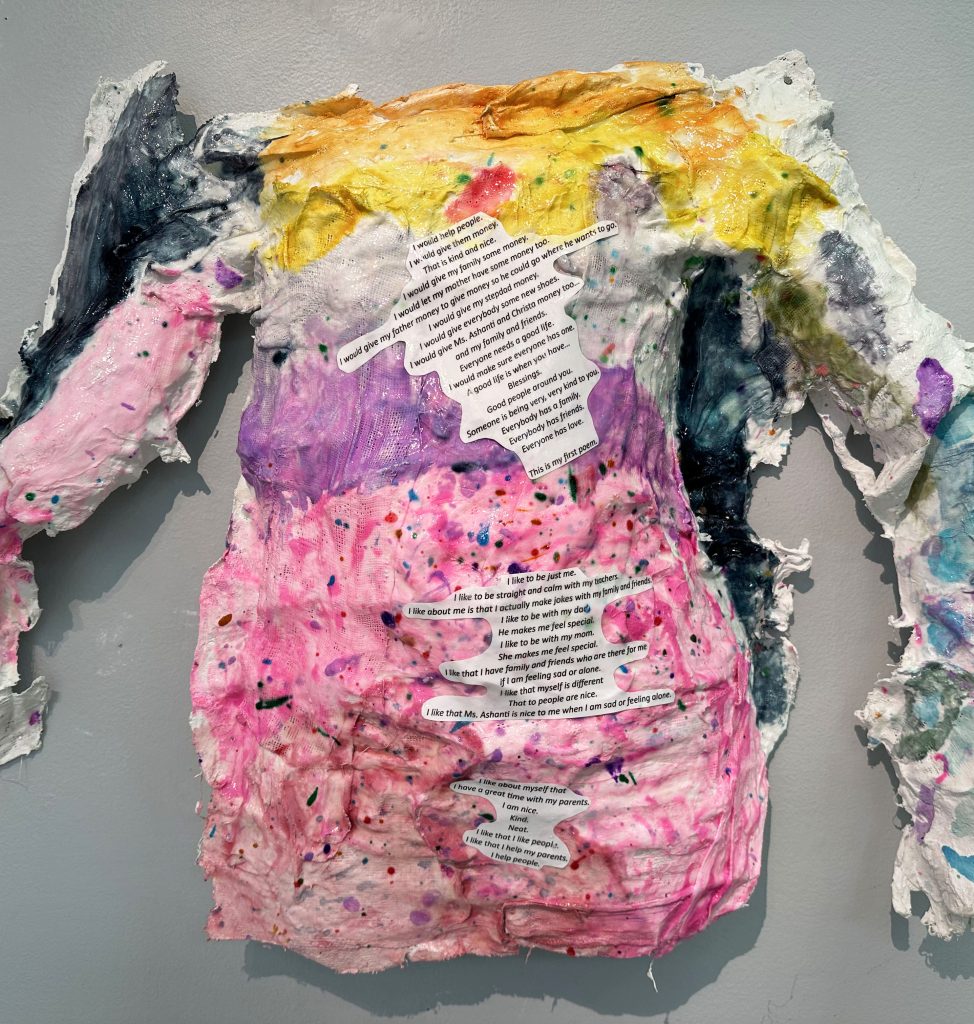
Finally, on view throughout the building are works by local students, teachers, and school leaders for Taking Care of Our House: Communities Coming Together and Making a Difference. The exhibition is made with the organization Art Resistance Through Change (ART-C). The works pictured below are a few of the sculptures created that included the personal narratives of the artists.

It’s worth mentioning that along with these exhibitions there are artists studios and galleries also in the building and worth checking out. Summit Artspace is open Fridays 12-7pm and Saturdays 11am-5pm.

Mar 152024
 

“Northern Lights”, 1959, oil on linen

“Untitled (Near the Cove)”, c. 1958, oil on linen

“Fresh Air”, c.1958-1962, oil on canvas

Although better known for her figurative paintings, Jane Freilicher also created several large abstract paintings which were on view last year at Kasmin gallery in NYC.  The paintings hint at a recognizable landscape, but through her use of color and energetic brush strokes she evokes the feeling of being immersed in the beauty of nature- without the boundaries of a more realistic representation.

From the gallery about the work-

The exhibition presents a group of paintings in degrees of abstraction, realized by Freilicher between 1958 and 1962, a period of great inventiveness when the artist was spending stretches of time in Long Island but had yet to establish a studio there. The series marks a crucial moment of discovery and focus for Freilicher, who went on to integrate the freedom, fluidity, and confidence developed during this period into her more recognizable still lifes and landscapes of later decades.

Freilicher’s abstractions have their roots in observation, informed by her studies with legendary abstract painter Hans Hofmann at his schools in New York and Provincetown. In this group of paintings, pastoral landscapes from Water Mill, Long Island, are translated through the lens of the artist’s memory into confident gestural compositions defined by their use of color and sensitive depiction of light. In a 2006 interview for The New York Sun, the artist tells writer Jennifer Samet of this evolutionary moment in her practice: “I remember being overwhelmed by aqueous light and the obliteration of the horizon by fog.” Freilicher’s palette returns repeatedly here to a combination of off-white and light blue, rendered in loose brushwork across an expansive pictorial space to give a palpable impression of the airy, open landscape of the country.

Breaking out of the domestic scale necessitated by previous studio spaces, this generative period saw Freilicher regularly visiting Water Mill and then returning to her Manhattan studio where she would collapse the formal elements of the rural and coastal environments into energetic, improvisational paintings that were significantly larger than her earlier works. While approaching pure abstraction, the paintings from this period retain a compositional recognition of their ordering principles—the horizon line, a boat’s mast, the position of the sun in the sky, and, in the artist’s words, “long vistas of clouds and water.”

The metamorphosis of landscapes that figure prominently in the artist’s life are representative of, as Roberta Smith identified in 2006, “a more personal, grounded version of Color Field painting.” This observation bridges Freilicher to a loose group of contemporaries whose considerations of their immediate environments brought great warmth and aliveness to varying shades of abstraction—Milton Avery, Etel Adnan, Joan Mitchell, Agnes Martin, and Willem de Kooning (whose own abstract landscapes inspired by his time on Long Island went on view at Sidney Janis Gallery in 1959).

Mar 092024
 

The mural above, Celestial Tigers, located outside the Oceanic Market building in Tampa, is by Florida artist Michelle Sawyer.

She is currently showing recent paintings at Parachute Gallery, located in the Kress Contemporary building in Ybor City.

Also check out her Instagram for recent work.

Mar 082024
 

“Valentine”, 2022, oil on linen

“Braid”, 2022, oil on linen

“Braid”, 2022, oil on linen (detail)

The two colorful paintings above are from Andrea Belag’s 2023 solo exhibition, Currents, at Bienvenu Steinberg & J in New York.

From the gallery’s press release-

Since the 1990s, Belag has constantly modified her approach to abstraction through various transitions and mutations. Her internal genealogy matters as much as her relationship to a tradition of abstraction. In the words of artist and critic Julian Kreimer: “it’s not hard to metaphorize those traces, lines left behind by larger swaths of paint that were wiped away, lines whose own shifting colors reveal how they are made by what they’ve touched and changed. But as with so many of Belag’s paintings, the point isn’t to nail down the metaphors (…) Belag’s work becomes an edge condition for painting without flirting with minimalist near-nothingness; it tests out where beauty can emerge, and what we can get to work. It opens up from a few wiped shapes into a sophisticated object able to transport one into a reverie about slippage, slipping away, the here and not hereness of life, death, and the varieties of love”.

Geometry and order have progressively given place to swirling swaths of color, solidity replaced by suspended motion. Painting is an all consuming action. She paints standing up, leaning over and often walking around the canvas placed horizontally. It starts with the arm and as she walks around the canvas her whole body gets involved. Transparent colors on the surface are not fixed and can create form or dissolve into light. She rubs, smudges, and scraps to create translucent, softly luminous surfaces where the brushwork is strikingly visible. “My paintings are contemporary because I paint in the here and now. It’s unavoidable. The artists I feel indebted to are Henri Matisse, Mary Heilmann, Joan Mitchell, Gerhard Richter, Bill Traylor, and Japanese Zen gardens. Style is a dead-end, but I have a point of view. I love transparency and the touch of materials, so I have created a way of painting where I make this possible. I use mostly transparent pigments and fine linen, and I paint wet into wet. The marks are on one layer of the painted surface with very little overlap or pentimento. Color makes space and light come through the paint and emotion comes through as well. There is fear and desire in painting, and that’s addictive. Haptics are the touchstones.” (Andrea Belag, 2023)

Her current solo exhibition, Twombly’s Green, opened this week at Steven Harvey Fine Art Projects.

From their press release-

This grouping of work is, as the title suggests, inspired by Belag’s recollection of Cy Twombly’s use of the color Hooker’s green in his “Pond Paintings.” She writes-

These paintings are inspired by my memory of Twombly’s green and white paintings that I first saw in the Menil Collection in Houston in 2015. I was stunned by his paint handling and his use of Hooker’s Green.

Since then, I learned he painted quickly and directly with his hands. Discovering the “Pond Paintings” was unexpected and I kept thinking about them. Hooker’s green is opaque and dark. But the dark value doesn’t overwhelm the hue. Instead, there is richness and depth without a trace of yellow.

When I identified the pigment and started to paint with it, I felt a vibration. There was a time when painting with green was taboo and now it is ubiquitous.

Is green in the zeitgeist?

All painted within the last twelve months, these works are a continuation of the artist’s practice of lush, energetic abstraction. Playing with circularity in an ongoing attempt to “get away from the grid,” Belag uses color as forms in space, bodies set in motion. Citing foundational inspirations in Matisse and Guston, who she later studied with at the New York Studio School, Belag’s work can also be related to vanguard practitioners of 80s abstraction such as Bill Jensen, David Reed and Mary Heilmann. Her immediate peers Christopher Wool and Joyce Pensato are also compass points in the stripped down dedication to raw painterly brio they share.

This exhibition is on view until 4/13/24.


Mar 012024
 

This mural is by NYC artist Chris Stain and was spotted in Bushwick, Brooklyn in 2020. It is part of Bushwick Collective’s ongoing street art project.

For Chris Stain’s most recent work, check out his Instagram.