Jul 242026
 

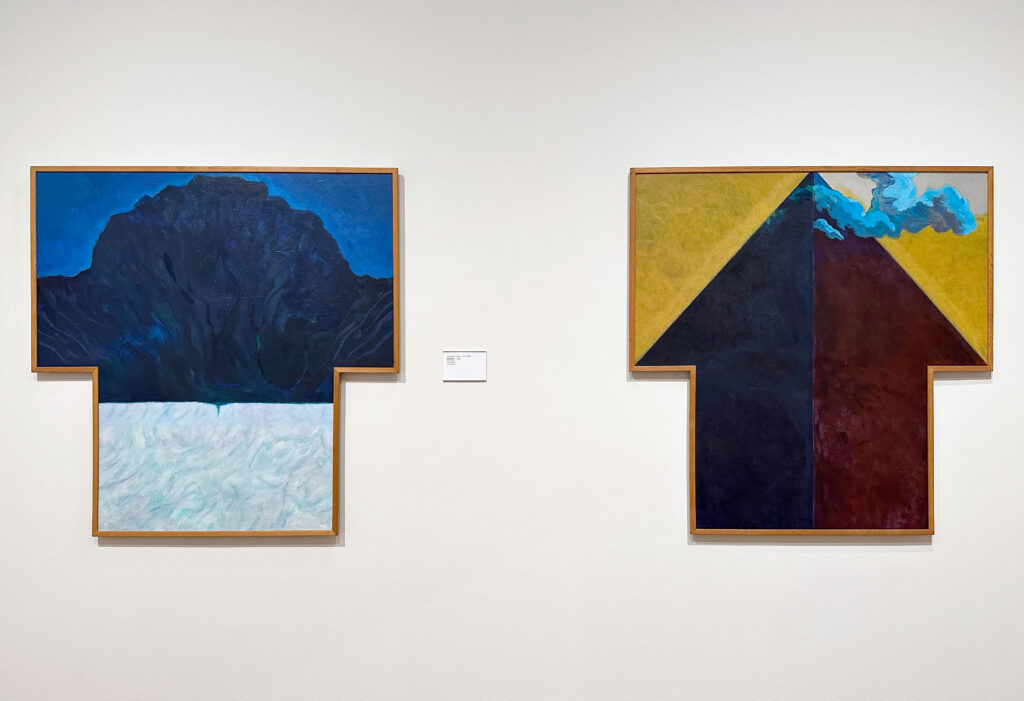
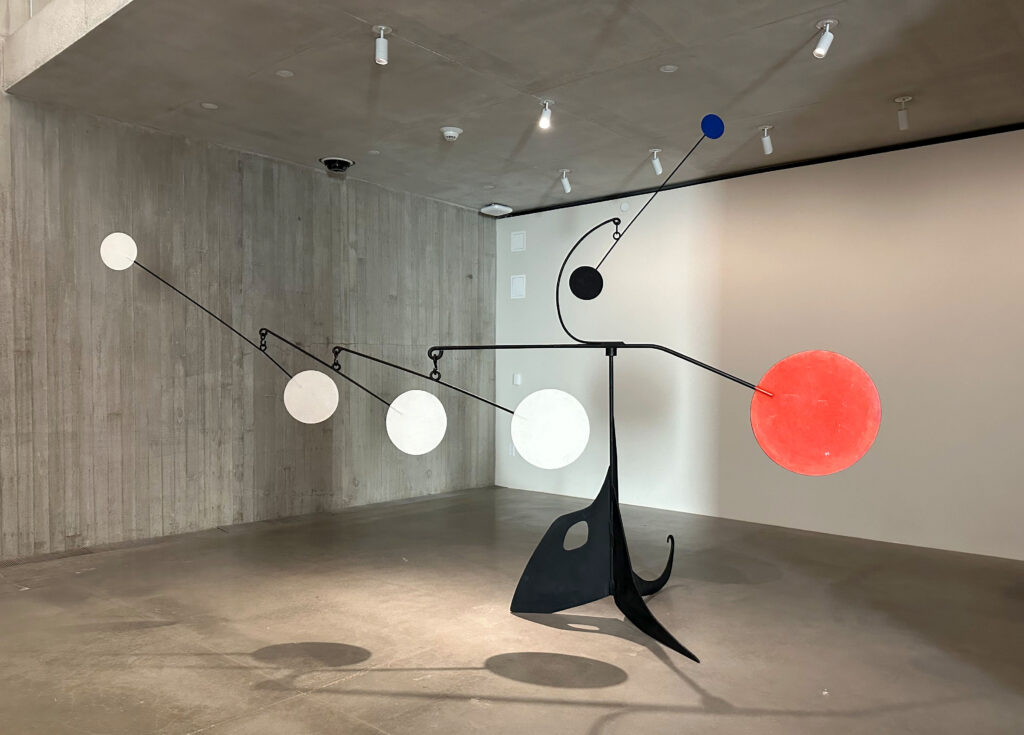
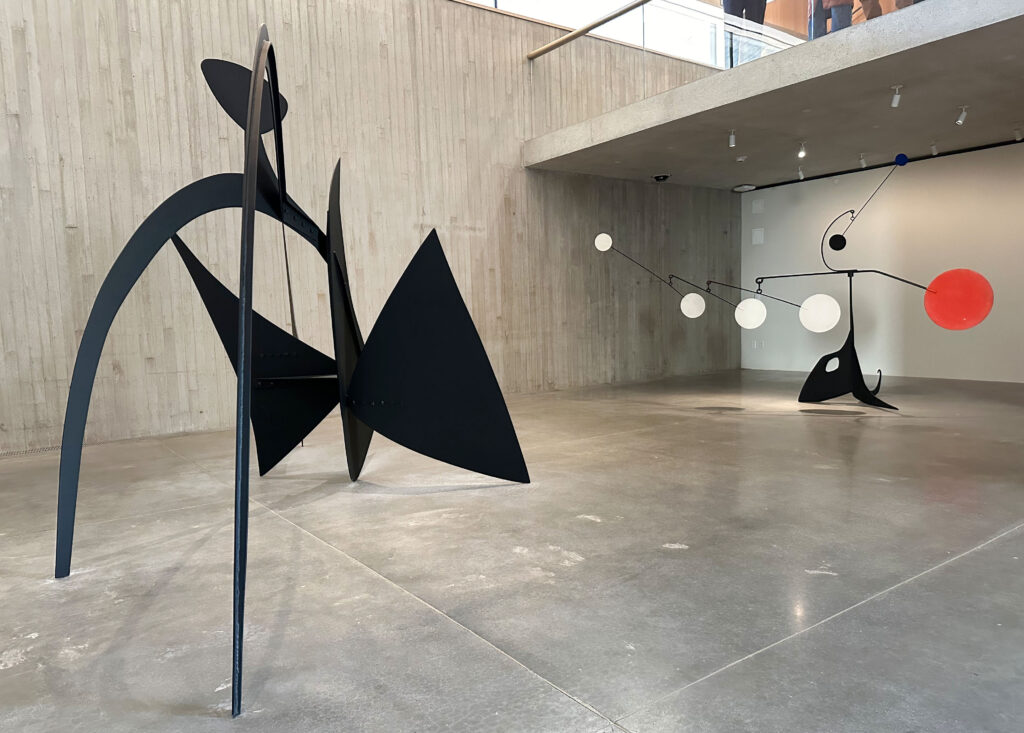
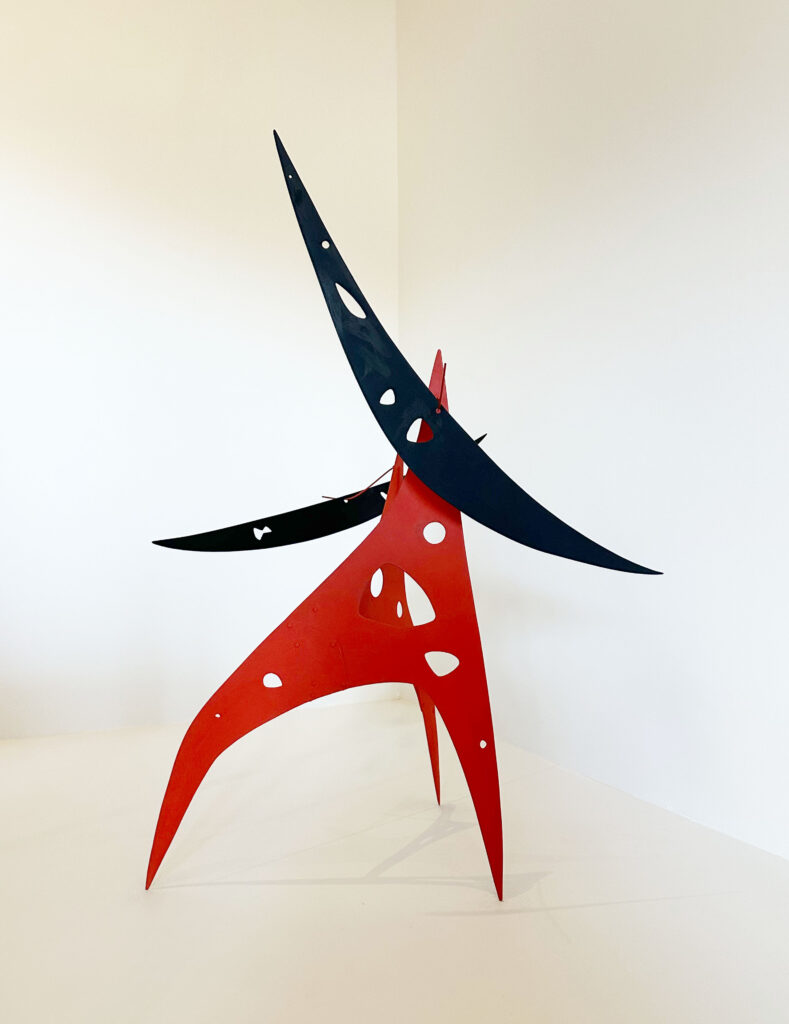
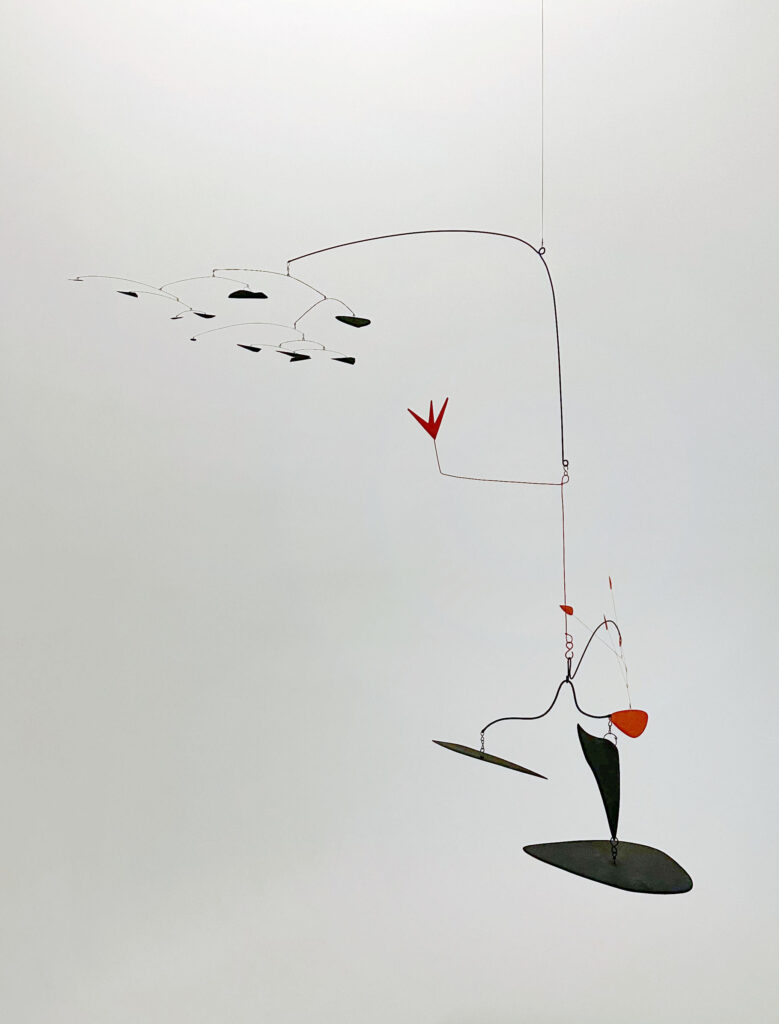
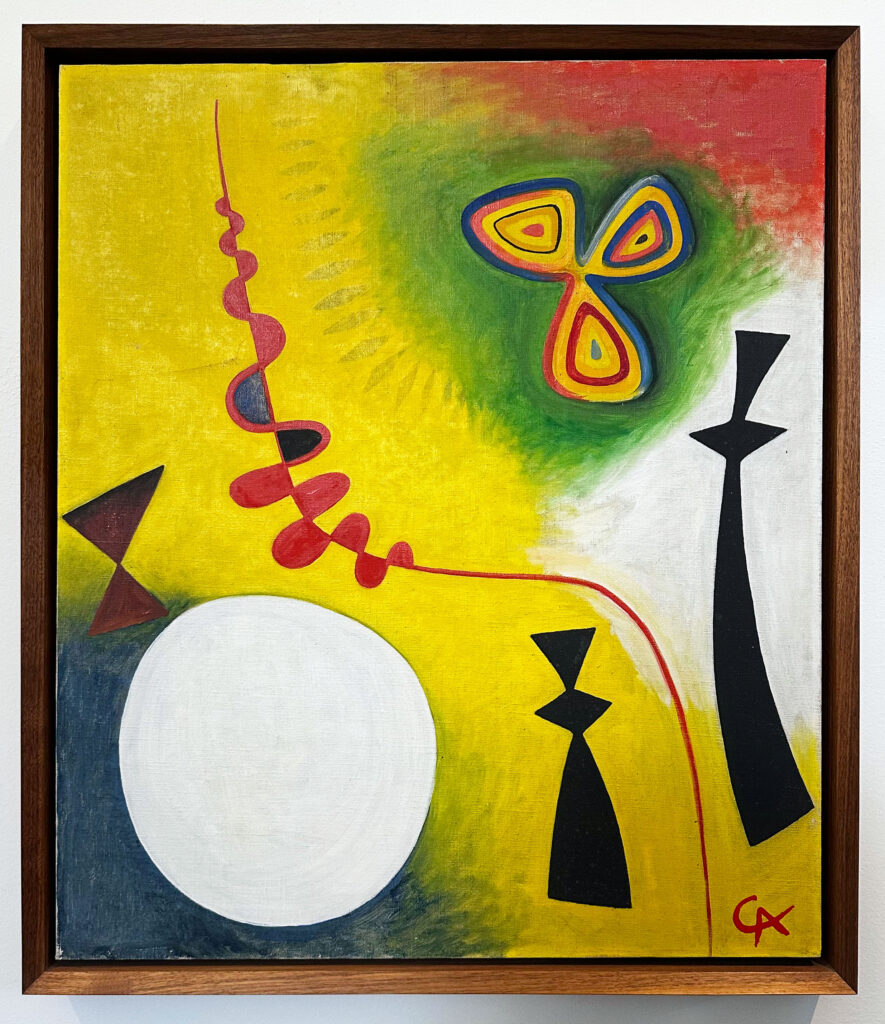
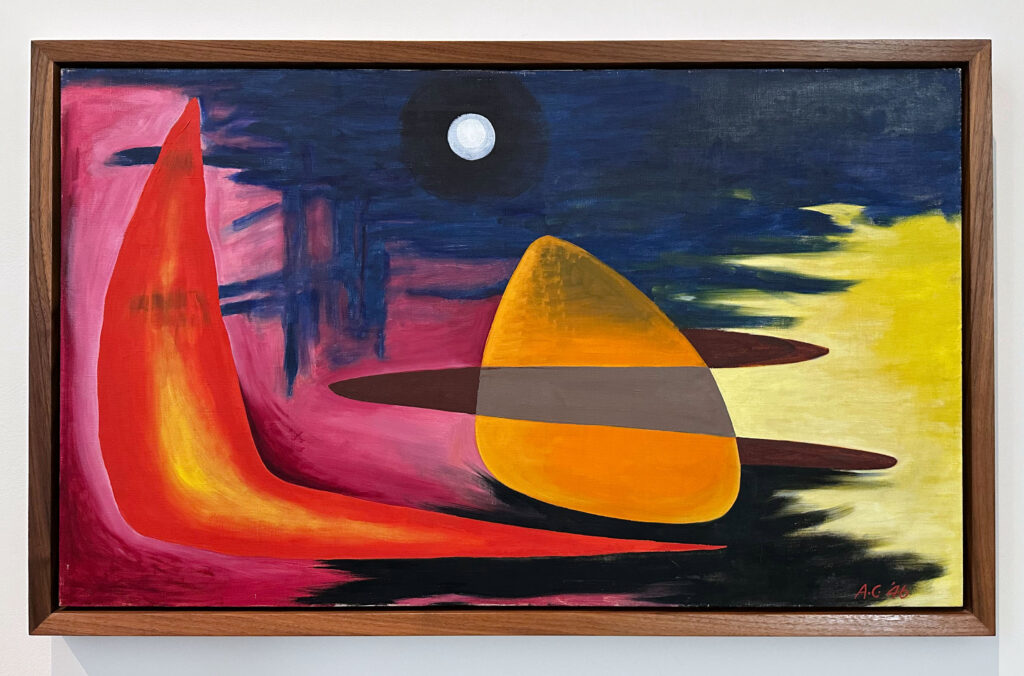
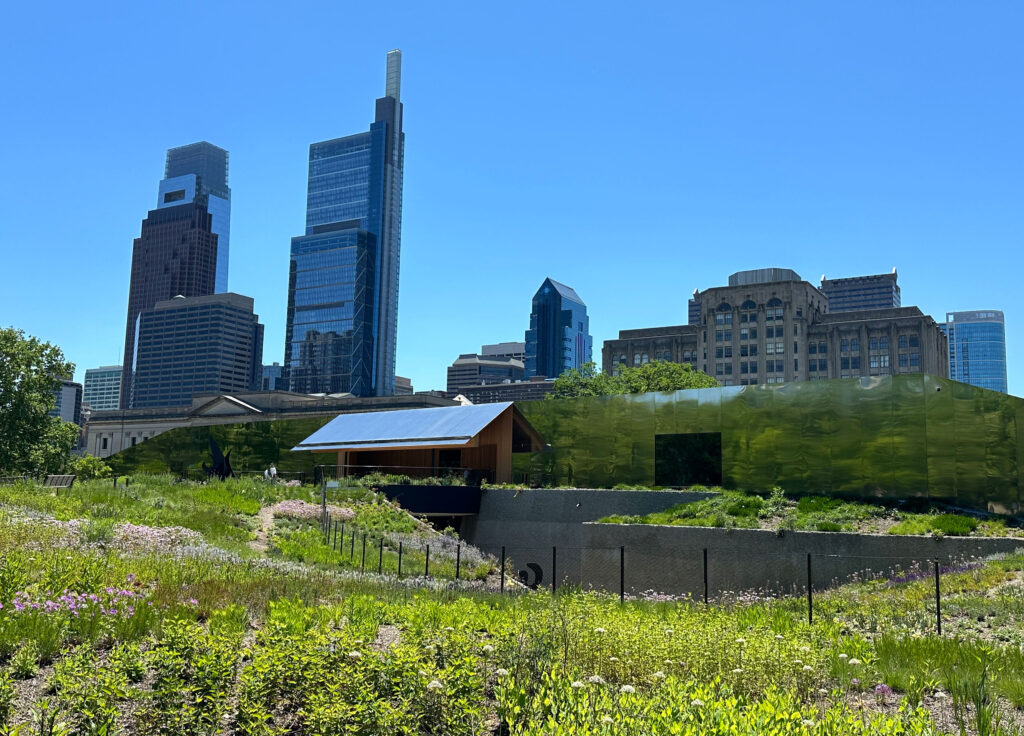
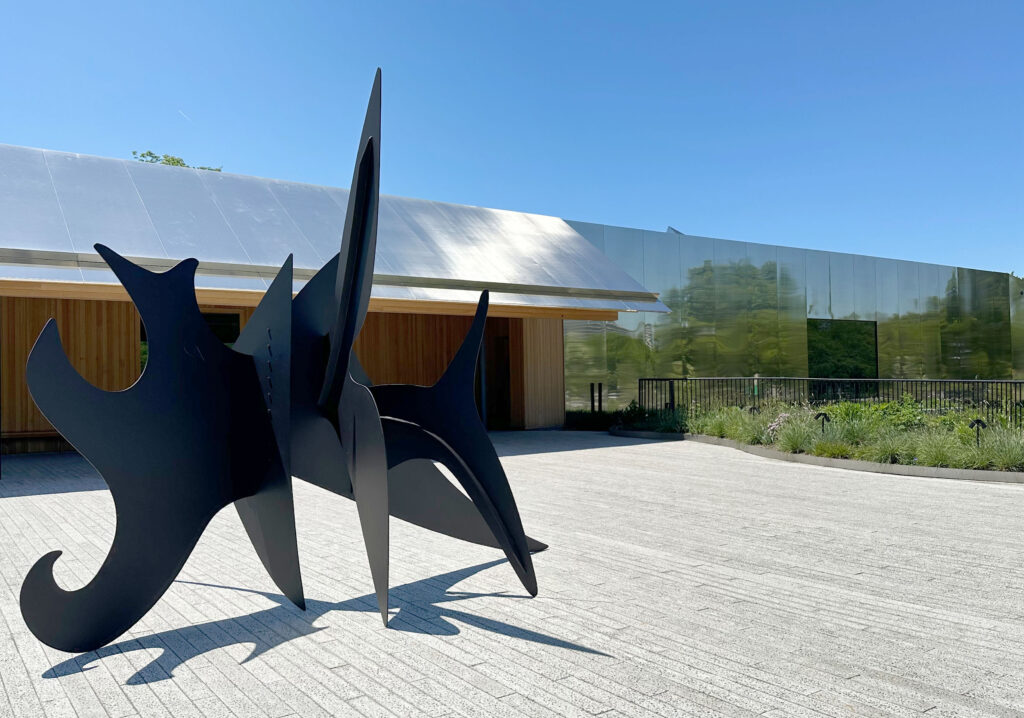
As you approach the Calder Gardens building, you will first notice the gardens and, if you visit in spring, the flowers. Once inside you’ll find a selection of Alexander Calder‘s works, including a few of his paintings. The space is organized in a way that never feels crowded, encouraging visitors to look at the work from different angles or watch how some pieces move with the slightest change in the air around them.

For the month of July, Philadelphia residents can visit Calder Gardens and the Barnes (which is located across the street) for free.

About Calder Gardens from their website:

Calder Gardens is a new art institution dedicated to Alexander Calder (1898–1976), one of the most acclaimed and influential artists of the 20th century. Building on the artist’s enduring legacy, it is conceived as a place where an evolving interplay between art, architecture, nature, and programming encourages contemplation and self-discovery.

Set within a landscape featuring more than 250 varieties of plants in gardens conceived by Piet Oudolf, Calder Gardens’ 18,000-square-foot building, designed by Herzog & de Meuron, houses a rotating installation of artworks by Calder. Spanning the artist’s 50-year career and diverse bodies of work, the objects on view respond to architectural moments rather than art historical narratives. This selection of artworks slowly changes over time, echoing the natural rhythms of the seasons. Some will remain for years, while others are only on view for a few months, creating an ever-changing environment that encourages close looking and repeat visits.

In dialogue with Calder’s own experimental practice, programming at Calder Gardens presents performances, sonic experiences, screenings, lectures, and other events that connect the artist’s legacy of innovation to contemporary art. Emphasizing mindfulness and environmental awareness, Calder Gardens is a space that foregrounds the interconnectedness of all elements of life. Straying from fact-based learning, Calder Gardens offers daily walks that encourage personal introspection as visitors move through the building.

Calder Gardens is located on the Benjamin Franklin Parkway in the heart of Philadelphia, a city with deep connections to the Calder family across several generations. It extends this lineage to the present day and joins Philadelphia’s rich artistic and cultural communities.

Jul 222026
 

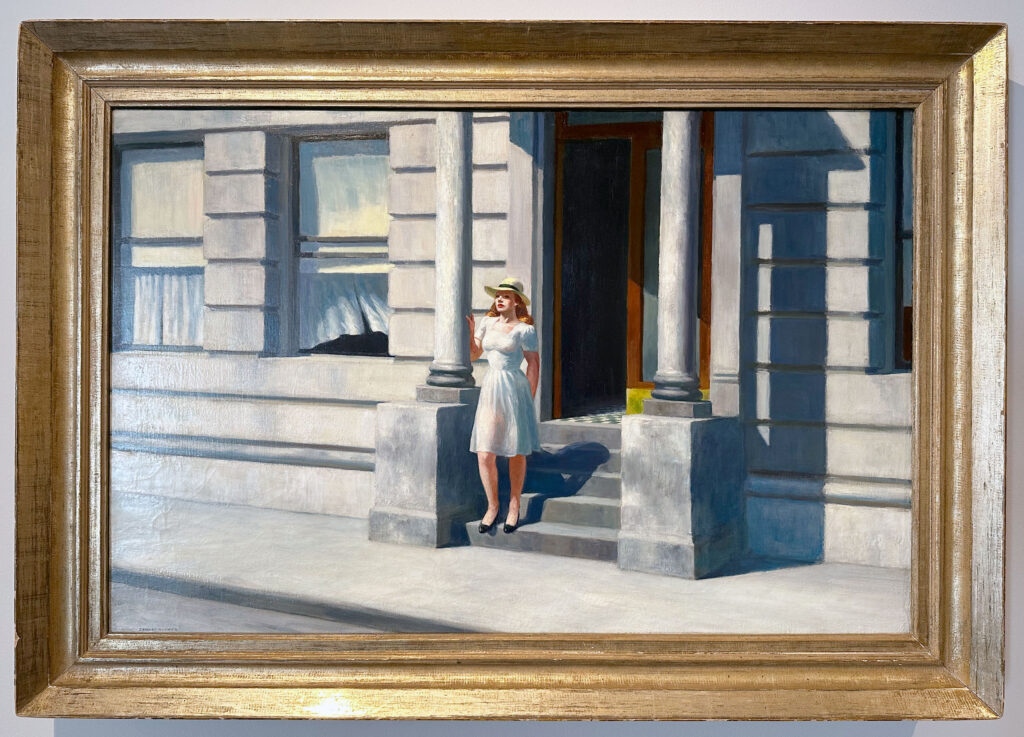
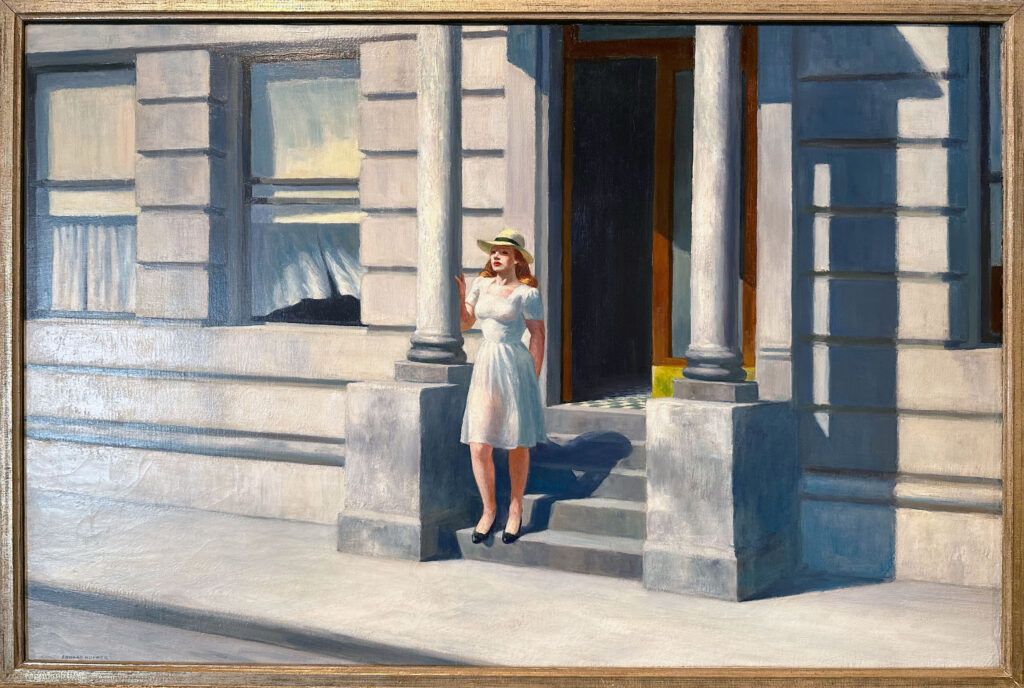
American artist Edward Hopper was born today, July 22nd, in 1882. He created numerous portraits of people in New York City, including the one pictured above, Summertime, painted in 1943.  It is currently on view at the Delaware Art Museum.

Jul 092026
 

New Deal Posters

Willie Cole, “Rolanda”, November 5, 1978, Pastel on brown paper bag. This work was created while Cole was a CETA employee in Delaware

Photographs from the 1975 CETA-funded project “CITYSIGHTS/CITYSOUNDS” in Wilmington

Dorothea Lange, “Migrant Mother, Nipomo, CA”, 1936

Clockwise from top left: William Davidson White, “Children in the Tree”,1934; Michael J. Gallagher, “A Man’s Job”, c.1933-1934; Philip N. Yates, “Broken Nets”, 1934; Walter Willoughby, “Winter Landscape”, c. 1933-1934

Helen Farr Sloan, “W.P.A. Theater”c.1935, Oil on board. It depicts a Federal Theater production during the Depression in NYC’s Washington Square Park. These productions were often free or heavily discounted.

At a time when government arts funding and jobs programs are needed more than ever, Citizen Artist at Delaware Art Museum reminds visitors of the positive and long lasting impact of two past initiatives- The New Deal in the 1930s and 1940s, and the Comprehensive Employment and Training Act of 1973 (CETA). Featuring artwork created during these both of these time periods, the exhibition also highlights the important contributions made by artists in their communities.

From the museum about the exhibition:

Citizen Artist highlights diverse artists working for America during 1930s and 1940s Depression-era programs and federally funded initiatives of the 1970s. The New Deal and the Comprehensive Employment and Training Act were catalysts in Delaware and across the nation as economic relief programs amplified the arts, creating new possibilities for creative employment. This exhibition centers artists as historians, storytellers, and visionaries during the Semiquincentennial.

Through the Comprehensive Employment and Training Act of 1973 (CETA), the Department of Labor supported a nation’s worth of art programs on a scale not seen since the conclusion of the New Deal in 1943. Those New Deal artists that outlived the Federal Art Project never forgot the significance of their work for the public, and they took that knowledge to the classrooms and administrative offices where they carried out the rest of their careers. CETA was designed as a jobs program, not an arts program, but Title VI of the legislation funded opportunities for the cyclically unemployed —artists—in public service roles. When CETA arrived in the 1970s, artists and their allies across the nation quickly understood its potential in the context of the legacy of the New Deal.

Citizen Artist is a story about reciprocal support between artists and communities. The exhibition celebrates artists who found lasting success through their participation in fine art programs like the Public Works of Art Project and CETA-funded contemporary art spaces. We also honor the public service work undertaken by tens of thousands of New Deal and CETA-funded artists, especially the painters, puppeteers, and photographers who produced educational resources and performances for children across the nation. Citizen Artist looks back at the intertwined histories of CETA and the New Deal to elevate how artists can and do support the public. By working in graphics offices, writers’ programs, and darkrooms, New Deal and CETA artists created and transformed the physical and cultural infrastructure of the United States.

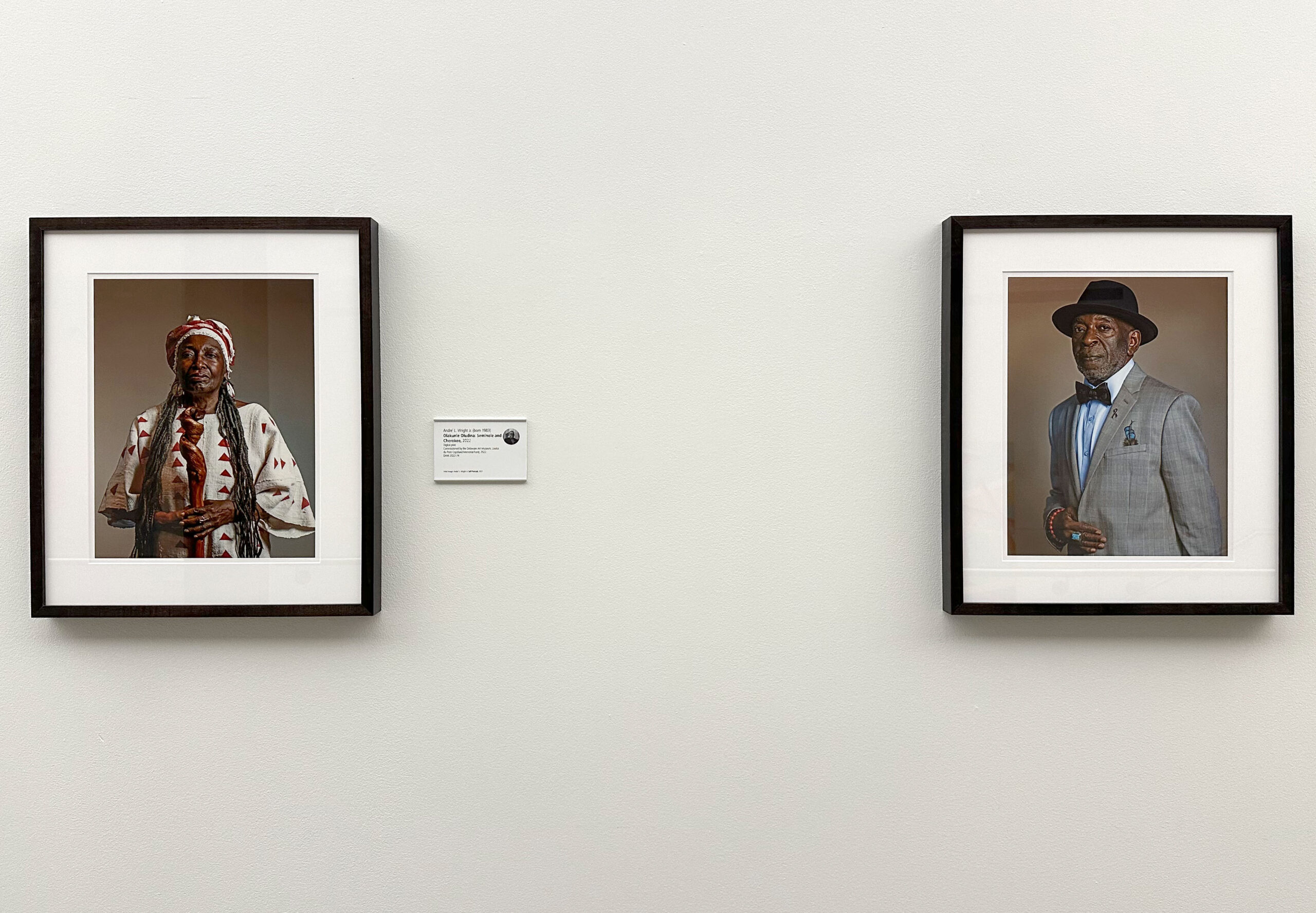
Included within Citizen Artist is Citizen Photographer, an exhibition of images created by Delaware photographers for the U.S.’s 250th anniversary.

From the museum about Citizen Photographer:

What does it mean to be a Delawarean at the nation’s 250th anniversary? The Delaware Art Museum, collaborating with Wilmington’s Teen Warehouse, the Smyrna Opera House, and the Lewes Public Library, invited residents across the state to engage in civic reflection and contribute to shaping public perceptions of identity through photography. Citizen Photographer is inspired by the federally funded initiatives of the past, such as the Farm Security Administration and the Comprehensive Employment and Training Act. These were times when documenting the nation and the many people who called it home was an earnest endeavor, the means to understand and appreciate our individuality, humanity, and common needs.

At the United States 250th anniversary in 2026, this project offers multiple ways for Delawareans to engage as learners, artists, and citizens contributing to the state’s shared story. Photographers Morris Brown II, B. Proud, and Andre’ Wright, Jr. led workshops across the state and selected the 24 photographs on view. For Wright, Jr., Citizen Photographer is “about perspective, voices, and the stories people choose to tell about where they come from.” Proud reflects how local photographers “captured the many facets of Delaware, from its cities to its farmlands, from its people to its landscapes, revealing why the state truly lives up to one of its nicknames, ‘Small Wonder.'” Morris invites us to “take the time to treasure each photograph and to experience each Delaware love story on exhibit.”

This exhibition closes 7/19/26.


Jul 062026
 

Mexican artist Frida Kahlo was born today, July 6th, in 1907. She painted many self-portraits, including the one pictured above, Me and My Parrots (Yo y mis pericos), from 1941. The painting was on view as part of the 2020 exhibition Vida Americana: Mexican Muralists Remake American Art, 1925–1945 at the Whitney Museum in New York.

Her work can currently be seen in the exhibitions Frida: The Making of an Icon at the Tate Modern in London and Frida and Diego: The Last Dream at the Museum of Modern Art in NYC.


Jun 262026
 

Tomorrow (6/27/26) is the last day to see Alexandria Nazar‘s paintings for Ducks on the Pond at AUTOMAT Collective.

From the gallery and curator Whitson Ramsey about the exhibition:

There’s a world where it seems an obvious choice to curate a baseball show in 2026, this country’s semiquincentennial, a cute milestone for this kitchen sink of a nation. After all, baseball is America’s Pastime. However, the sport predates America, and America itself is tremendously predated by the land it occupies. Even as a baseball fan myself, the idea of curating a show about baseball did not interest me. But this show isn’t about baseball. This is a show about painting, about bodies, about intimacy. Alexandria Nazar pays close attention to the subtle moments among players, coaches, their environments, and their mannerisms. Her paintings are about the material quality of paint on the surface as much as they are about the subjects they form.

This show highlights Nazar’s sophisticated yet playful handling of paint on a spectrum of canvas sizes. From the smallest work, a nearly monochromatic 7 x 5-inch painting, to the largest: a monumental, five-panel installation covering 17 feet on the gallery’s main wall, these paintings pack a punch and require a long, slow gaze.

On the other hand, a summer show whose content is explicitly relatable allows for a wider audience to enjoy these paintings. I firmly believe art should be accessible to the masses and not gatekept by private collectors and overpriced institutions. A surface-level “baseball show” allows new eyes to explore the subtle beauty of art-making and material exploration. Nazar has a knack for grabbing the viewer’s attention from a mile away. At the same time, she slowly draws you in, noticing the lustful impasto and clever brushwork, intense layers of underpaintings finding their way back to the surface, and a maze of abstracted clusters of intertwined bodies.

Ducks on the Pond is a celebration of paint through a gendered expression of male physique, American sports culture, brotherly love, and camaraderie.

Jun 252026
 

Shaun Kardinal “I II”, Woven paper ephemera and artist’s tape

Sculptures by Hyland Mather from the “Modus Volito” series

Framed images of work by Hyland Mather and Shaun Kardinal (sculptures by Hyland Mather on the left)

Sculptures by Hyland Mather

Discarded objects are transformed into new creations in works by Hyland Mather and Shaun Kardinal, currently on view in the two person exhibition, Form / Field, at Paradigm Gallery.

From the gallery:

This exhibition presents work from two distinct practices that converge through a shared sensitivity to line, structure, and process. Mather and Kardinal each explore how form emerges through accumulation, repetition, and material response, approaches that move between precision and drift, construction and discovery.

For his third major presentation with Paradigm Gallery, Mather presents works from several ongoing series, including Linea Pictura paintings, suspended “gravity works” (Onus Suspenda), and sculptural and assemblage-based works such as Modus Volito and Novus Inventa. Spanning painting, sculpture, and installation, the work explores line, structure, and found materials through processes of gathering, repetition, and thoughtful intervention. Across these works, line operates as both drawing and structure, with string extending into space, holding weight, or tracing paths across painted surfaces, allowing form to emerge through tension, balance, and material response.

In his debut Paradigm collection, Kardinal presents his woven paper quilts created from cut and punctured ephemera, along with a series of embroidered book pages and painted postcards, creating new forms from the smallest gestures. Kardinal’s work builds from repeating parts, embroidered marks, and modular systems that gather into larger compositions. These works often embrace landscape at a distance, horizons, city grids, or atmospheric depth, while remaining grounded in pattern and accumulation. Form, in this context, is built incrementally from repeated elements. In both practices, thread-like fiber elements and linear systems act as connective tissue, binding parts into larger wholes, or tracing form across space and surface. The “field” operates here as both a physical and conceptual space: a landscape, a surface of construction, and an invisible network of forces. Across both practices, it is within this field that form takes shape, held in a state of partnership between control and chance, repetition and variation, presence and possibility.

This exhibition closes 6/28/26.

Jun 252026
 

Curry J. Hackett, “The Gilded Block (Porch)”

mk. “you are so much to me pt. 1.” 2022

A golden inflatable porch by artist Curry J. Hackett welcomes visitors from outside the entrance to Spaces of Encounter, the current exhibition at Temple Contemporary, Temple University’s art gallery. Inside the gallery, Rokh Research & Design Studio founder and PhD student Danicia Monét Malone’s public arts research combines with NYU MA candidate Alyse Tucker‘s art curation to present an interesting selection of artwork, installations, and infographics that explore public art and shared spaces.

From the press release:

… Spaces of Encounter explores public space across North and Latin America and the Caribbean through the lens of public art. The exhibition brings together research and artistic material from Albuquerque; Cartagena; and Indianapolis, examining how people interact with public artworks across different urban contexts. Visitors are invited to reflect on who is welcomed into shared spaces—and who is made to feel excluded.

At the center of the exhibition is a guiding question: What does public space ask the body to believe about safety, care and belonging?

“For Black residents navigating environments marked by surveillance, neglect or misrecognition, aesthetic conditions operate as cumulative exposures that influence how safety, care and civic participation are felt in the body,” says Malone.

Through documentation, archival material and sculptural elements, Spaces of Encounter considers how public art mediates lived experience and contributes to collective memory. One featured work includes preserved fragments of a dismantled Black Lives Matter street mural in Indianapolis, foregrounding the fragility and afterlife of public artworks. Even when removed or destroyed, such works persist through memory, documentation and community impact.

“We’re interested in the afterlife of public art—what remains when the physical object is gone,” says Tucker.

The exhibition is particularly resonant in Philadelphia, a city shaped by one of the nation’s most expansive public art and mural programs. As development continues to transform neighborhoods, Spaces of Encounter offers an opportunity to reflect on how public artworks are preserved, displaced or erased—and what those changes mean for communities.

“Our gallery commissioned Spaces of Encounter to demonstrate Tyler’s commitment to being a beacon for art, architecture and community imagination in North Philadelphia and beyond,” says Temple Contemporary’s Director of Exhibitions and Public Programming Matthew Jordan-Miller Kenyatta, PhD. “By blurring inside and outside, the interior versus exterior, it smartly knits together the intimate, culturally specific meanings with public moments of spectacle that anyone can enjoy.”

This exhibition closes 6/27/26.

Jun 182026
 

Sonya Clark, “Whitewashed”, 2017, Sherwin-Williams house paint

Walking around the rooms of the Delaware Art Museum‘s contemporary collection you could almost miss Sonya Clark‘s Whitewashed. Painted onto one of the walls, her version of the U.S. flag uses only shades of white.

From the museum about the artist and the work:

Sonya Clark possesses the ability to deftly assemble works of art both beautiful in creation and weighted with content. Whitewashed is painted directly onto the gallery wall. Visually subtle, the work engages the viewer’s recollections of the United States flag. Whitewashed is made using three Sherwin-Williams house paint colors-Incredible White, Storyteller, and Natural Choice. The shades of white replace the red, white, and blue of the American symbol.

Clark has worked with the American flag, the Confederate flag, and the Confederate Flag of Truce throughout her career. In doing so, she addresses the physical makeup of these objects and the histories, experiences, and access these symbols uncover or veil.

Jun 172026
 

John Baldessari, “One and Three Persons (with Two Contexts-One Chaotic)”, 1994-2012, 14-color screenprint

California artist John Baldessari was born today, June 17, in 1931.  The print above was part of The Cleveland Museum of Art‘s 2024 exhibition, New Narratives: Contemporary Works on Paper.

From the museum about this work:

John Baldessari often incorporated appropriated (or “found”) imagery into his artwork, such as the photographs of architecture and rubble appearing in this print. He juxtaposed these elements with outlined figures in a typically obtuse manner to suggest a narrative or simply a feeling with strange or even ominous undertones. The artist’s interest in the formal qualities of art, such as dimensionality, highlighted by his use of the irregularly shaped sheet of paper, white cut-outs, and silhouettes, adds to the sense of suggestion and uncertainty in the print.

Jun 102026
 

Donald Lipski, “Who’s Afraid of Red, White and Blue #37”, 1990, White wool gabardine, made in collaboration with The Fabric Workshop and Museum

Rose B. Simpson, “Tonantzin”, 2022, Linen, cotton, clay, and thread, made in collaboration with The Fabric Workshop and Museum

(L to R) Rev. Howard Finster, “George Washington Meets Martha Custis, 1984, Pigment on cotton t-shirt; James Luna, “High Tech War Shirt”, 1997-98, Smoked hide, nylon setting, silk suiting, horse hair, metal, shell buttons, bead work with watches and necklace (shell, thermometer, and plastic toys); Hock E Aye VI Edgar Heap Of Birds, “Who Owns History”, 1992, Pigment on cotton t-shirt (all works made in collaboration with The Fabric Workshop and Museum)

S.A. Bachman, “Are You Telling Yourself A Little White Lie?”, 1988, Edition of 5, Halftone photographic silkscreen pigment on nylon, made in collaboration with The Fabric Workshop and Museum

Pictured are just a few of the many excellent artworks currently on view in Some American Dreams at The Fabric Workshop and Museum in Philadelphia. Exploring the concept of America and the American dream, all the works were created by an impressive list of artists who were Artists in Residence at the museum over the past four decades.

From the museum and curator Hilde Nelson:

In her 1986 essay “Waking Up in the Middle of Some American Dreams,” poet June Jordan calls for a multiplicity of American dreams rather than a singular paradigm. For Jordan, those in pursuit of these dreams include:

the white people the black people the female people the lonely people the terrorized people the elderly people the young people the visionary people the unemployed people the regular ordinary omnipresent people who crave grace and variety and surprise and safety and one new day after another.

On the occasion of the 250th anniversary of the U.S. Declaration of Independence, this presentation of works from The Fabric Workshop and Museum’s collection explores the complexity of American-ness through lenses of history, memory, and mythology. Made by past Artists in Residence in collaboration with the FWM Studio, the projects reimagine symbols of nationhood and belonging, critique ongoing legacies of inequity, and offer expanded visions of kinship and community.

The works on view represent four decades of making at FWM. They meditate on themes including indigeneity and race, alternative origin stories, landscape and the environment, the construction of historical narrative, memory and resistance, and images of cultural affiliation. Sections of the exhibition invite additional voices, drawing their titles from a chorus of American poets, songwriters, essayists, abolitionists, and historians.

The artists featured in Some American Dreams break down borders and categorical distinctions to propose a polyphony of American dreams shaped by hybridity, friction, and affinity. They ask: what if America is not one project, but many? And how might these Americas be affirmed, resisted or remade, in Jordan’s words, to envision “one new day after another?”

This exhibition closes 6/14/26.