Oct 182025
 

https://substackcdn.com/image/fetch/$s_!5vrz!,f_auto,q_auto:best,fl_progressive:steep/https%3A%2F%2Flonglistshort.substack.com%2Fapi%2Fv1%2Fpress_kit%2F175577049.jpg%3FtextColor%3D%2523ffffff%26aspectRatio%3Dinstagram%26bgImage%3Dtrue%26hidePreviewText%3Dtrue%26isDraft%3Dfalse%26hash%3D86331169%26version%3D13

The Recap, my Substack newsletter, returns today with a focus on abstract art, punk rock, the American flag, the 90s, and more. It adds a little more dimension to what I post on the website and ties things together thematically.

Check it out and subscribe!

Oct 082025
 

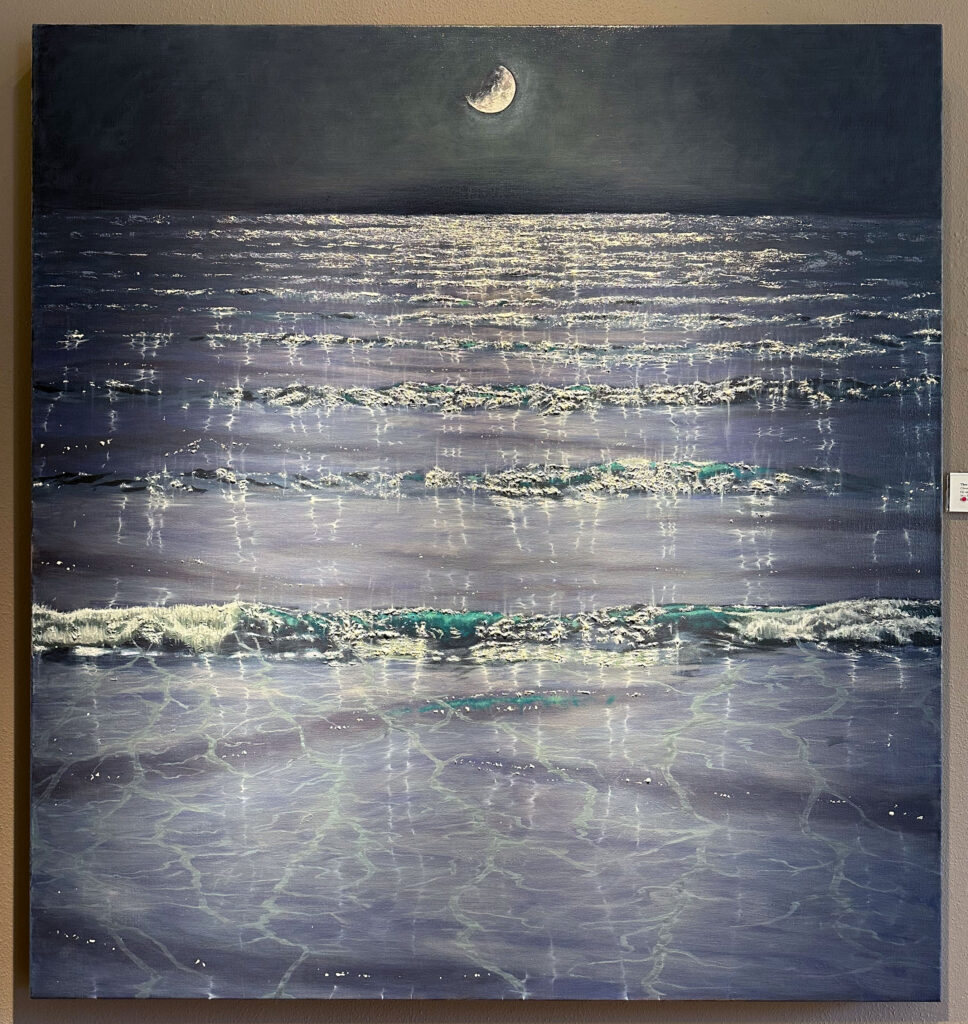
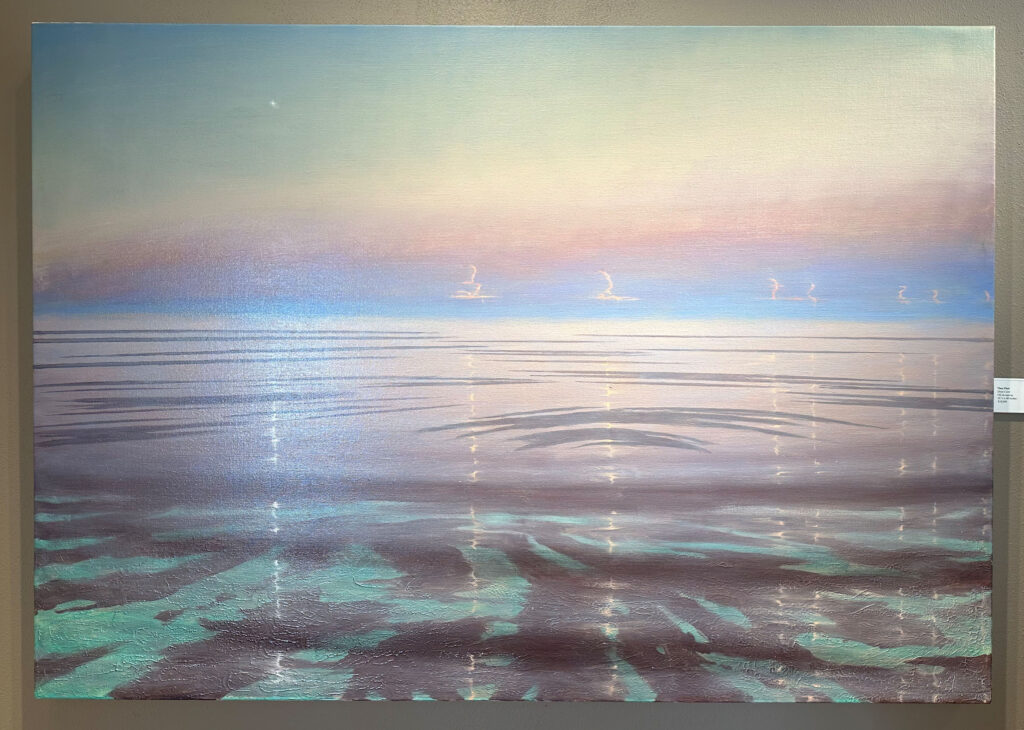
Theo Platt, “Chrome”, Oil on canvas

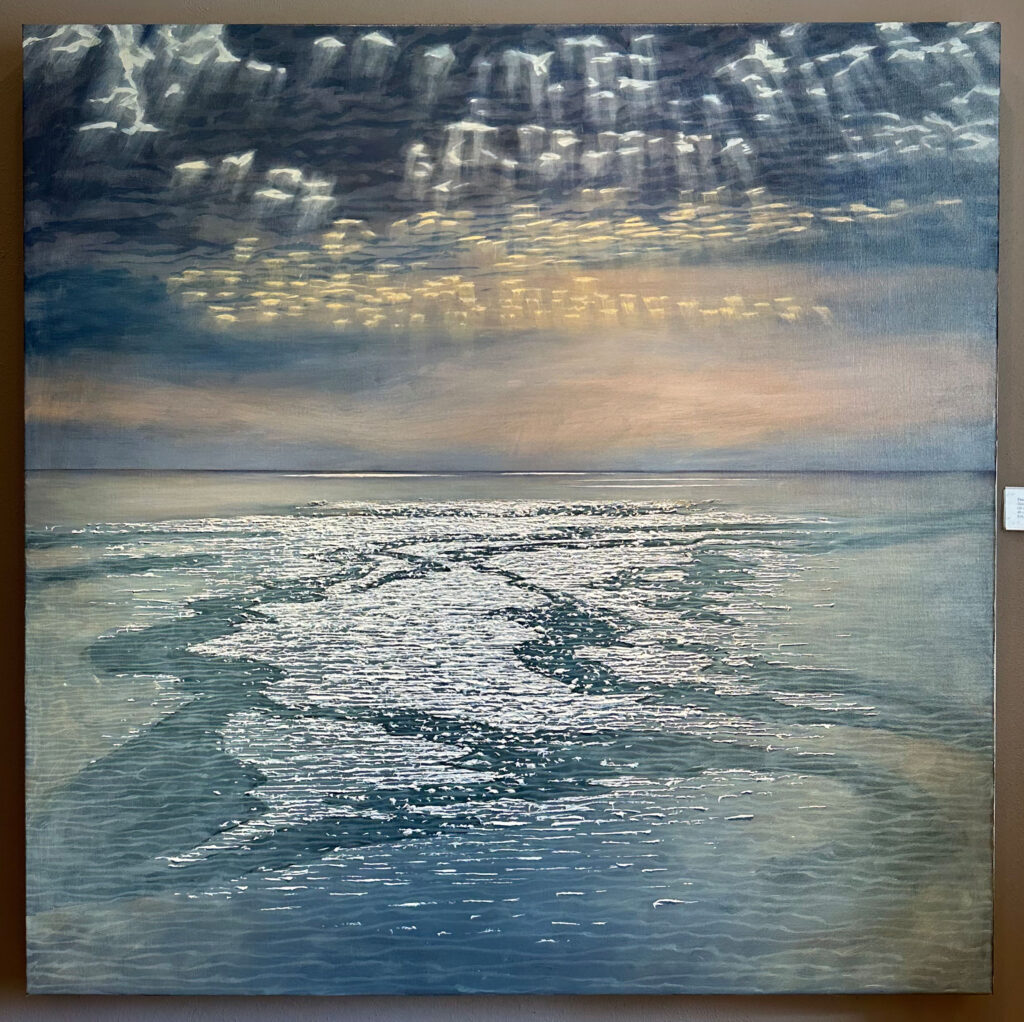
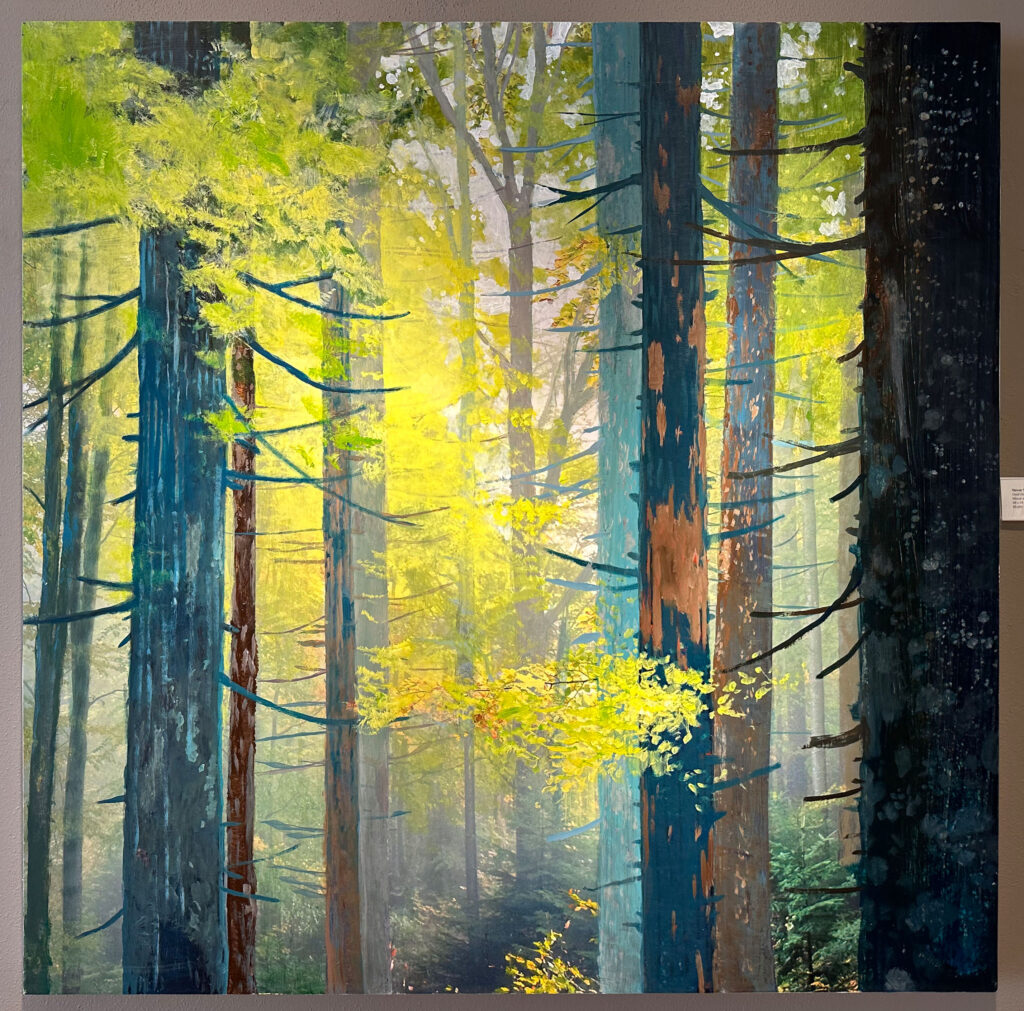
Theo Platt, “Sunstream”, Oil on canvas

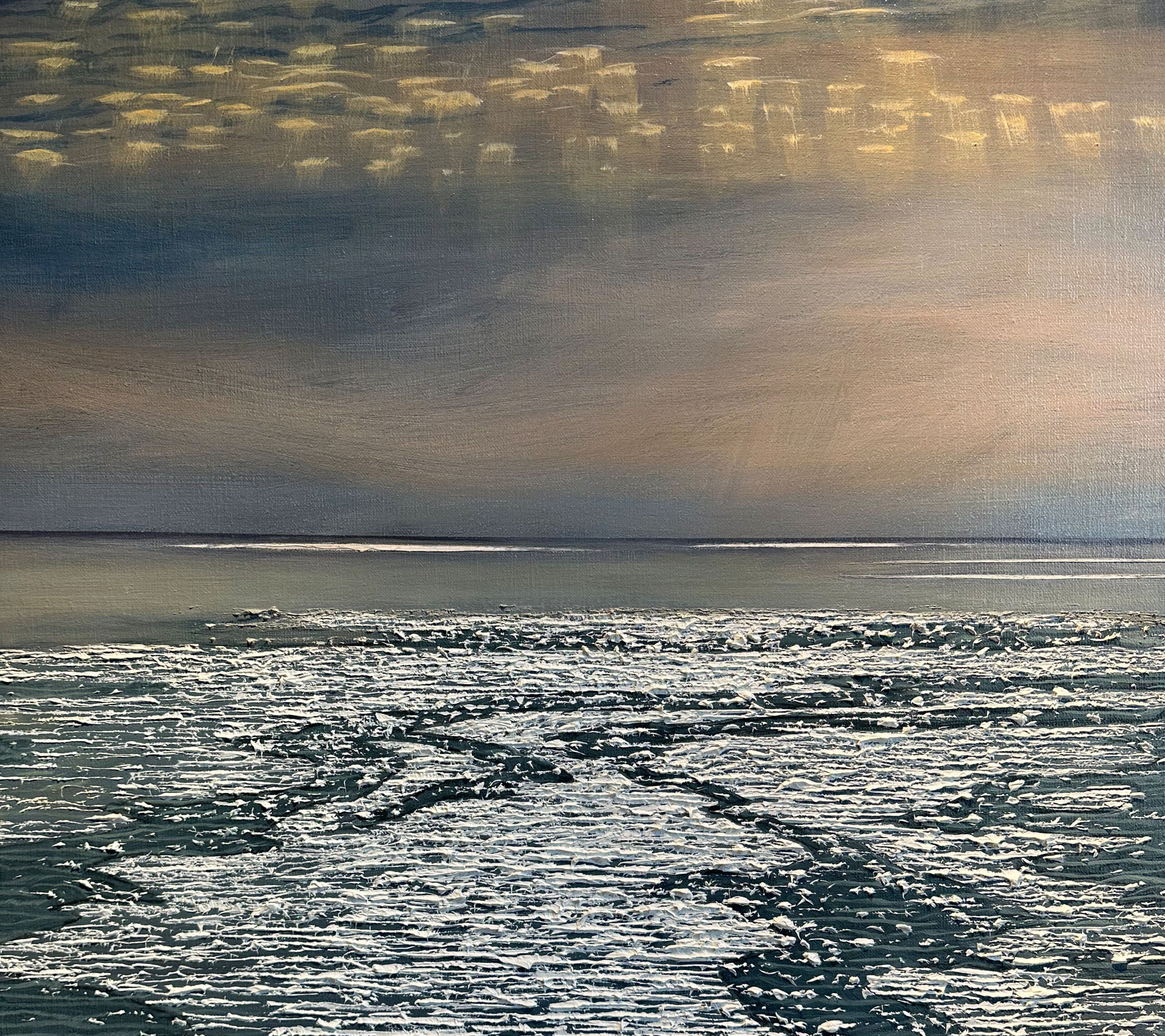
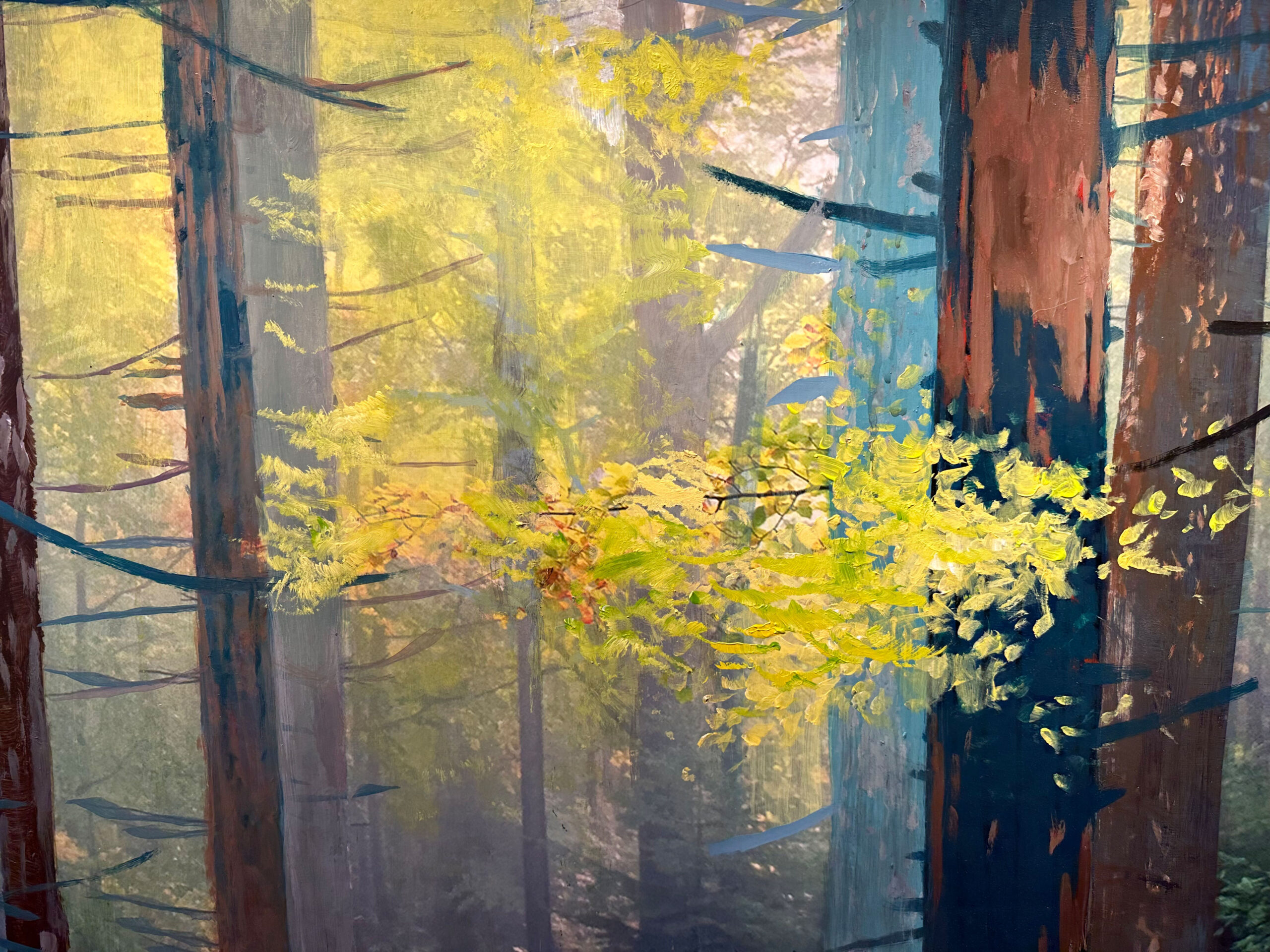
Theo Platt, “Sunstream”, Oil on canvas (detail)

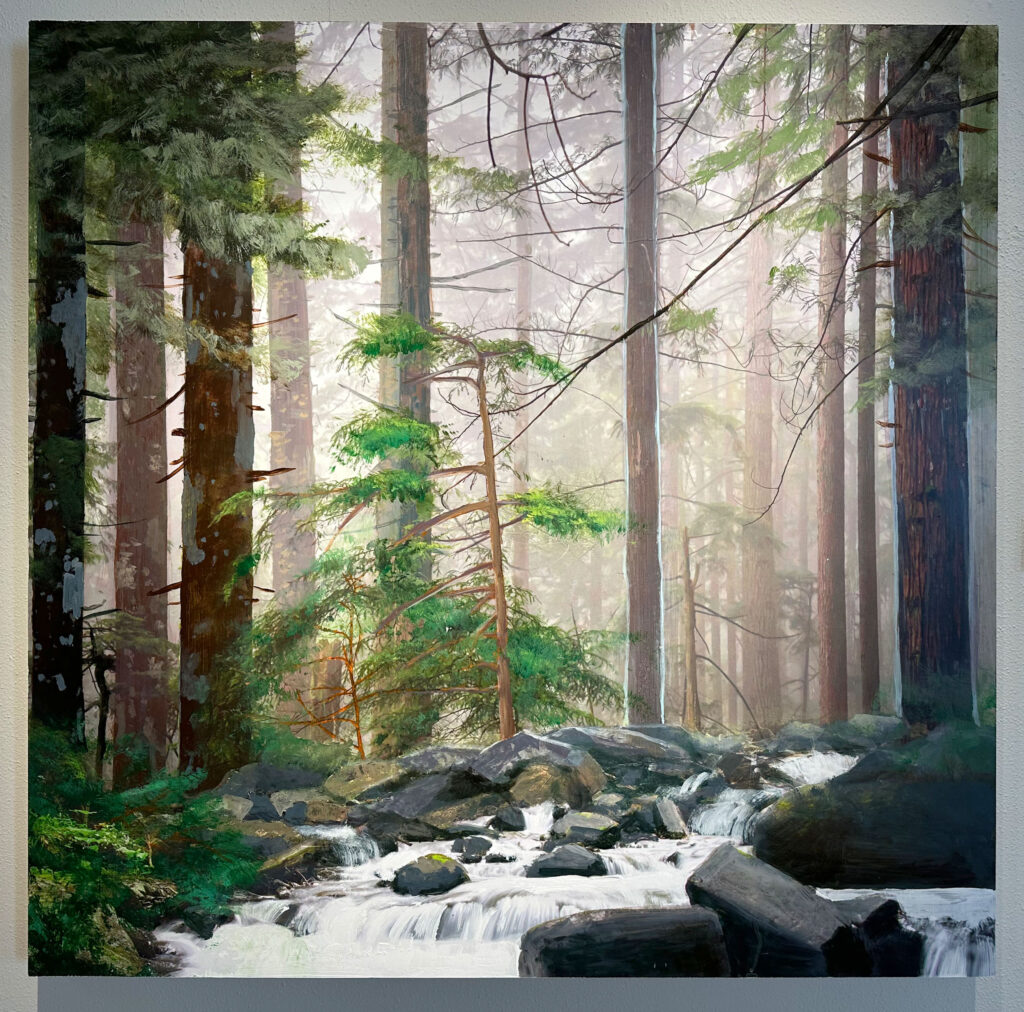
Theo Platt, “Deep Calm”, Oil on canvas

Somerville Manning Gallery is currently showing two painting exhibitions: Theo Platt‘s textured oil paintings from his Oceans series of works (pictured above) and Steven Nederveen‘s Stillness in the Shade of Green.

Below Nederveen describes his process for the work (pictured below)-

Using a mixed media approach to image making, I combine acrylic paint and C-print photographs. By layering these elements I can etch down into the emulsion of the photograph to reveal golden hues and also build up the surface with impasto and washes of colour. The result is an image with photo sharp detail in focal areas and painterly brush marks that obscure and create space for the imagination.

Both of these exhibitions close 10/11/25.

Steven Nederveen, “Gold Hidden Within”, Mixed Media

Steven Nederveen, “Gold Hidden Within”, Mixed Media (detail)

Steven Nederveen, “Breathe In the Forest Air”, Mixed Media


Oct 072025
 

William Wegman‘s portraits of his Weimaraner dogs were recreated in glass mosaic form by Mayer of Munich in 2018 for “Stationary Figures”, lcated in the 23rd Street subway station. The eleven murals brighten up the walls and are one of the many projects created by MTA Arts & Design.

From MTA Arts & Design about the work-

Photographed with the artist’s deadpan sense of humor, the dogs take on human attributes, from wearing street clothes like a shiny raincoat or flannel shirt, to being grouped like passengers as they gaze into space or peer down the platform as if waiting for the train.

Situated in bold blocks of color, the larger-than-life mosaic dogs are bursting into space and interacting with commuters. The mosaic fabricator, Mayer of Munich, interpreted the photographs taken for this project by meticulously transforming the facial expressions, skin textures and patterns of the dogs’ vibrant attire into glass mosaic. Wegman has lived and worked in the neighborhood for decades, and together with his dogs Flo and her brother Topper, they have created images that enliven this busy station.

Speaking about the project, Wegman said, “I wanted to create portraits of individual characters, people who you might see next to you on the platform. For these I dressed the dogs in more or less ordinary clothes, nothing too fashionable. I was very interested in the way in which photographs, even the out of focus dogs in the background of some images, could be translated into mosaic by Mayer of Munich, who skillfully turned gray stones into gray dogs.”

Below are the two series consisting of three panels each-


Oct 022025
 

Corita Kent (Sister Mary Corita)’s print I Should Like to Be Able to Love My Country and Still Love Justice, 1968, was on view at the Museum of Modern Art in NYC in June of 2024.

From the museum about the artist-

Corita Kent, also known in the Catholic Church as Sister Mary Corita, incorporated a range of references into her silkscreen prints, spanning pop culture imagery and song lyrics, biblical allusions, and literary conceits. After seeing Andy Warhol’s Campbell’s Soup Cans in 1962, she was inspired to embrace the language of Pop art, using bold, graphic designs to convey anti-war messages. In the 1980s Kent’s posters and ephemera were collected by PAD/D (Political Art Documentation/Distribution), a New York-based art activism group with a mission to create an archive of politically concerned art and ephemera from around the world. The materials are now part of the MoMA Archives, Library, and Research Collections.

You can currently see some of her photographic archive at Marciano Art Foundation in Los Angeles for the exhibition Corita Kent: The Sorcery of Images, on view until 1/24/26. The show “focuses on a little seen part of Corita’s artistic practice: her archive of over fifteen thousand 35 mm slides that she and her cohorts took between 1955 and 1968 while she was a beloved teacher in the art department at Immaculate Heart College”.

As part of their press release they include this lovely quote from the artist-

“In a sense, the whole world around the artist is his source, his sorting and relating powers are his sorcery, and the one isn’t much good without the other. … Anything can be a source, even a mistake. The sorcery or the thievery is the art of relating sources into a new solution.”

Her work can also be seen in Los Angeles at the Corita Art Center. The center is free to visit on Saturdays (with appointment).


Sep 262025
 

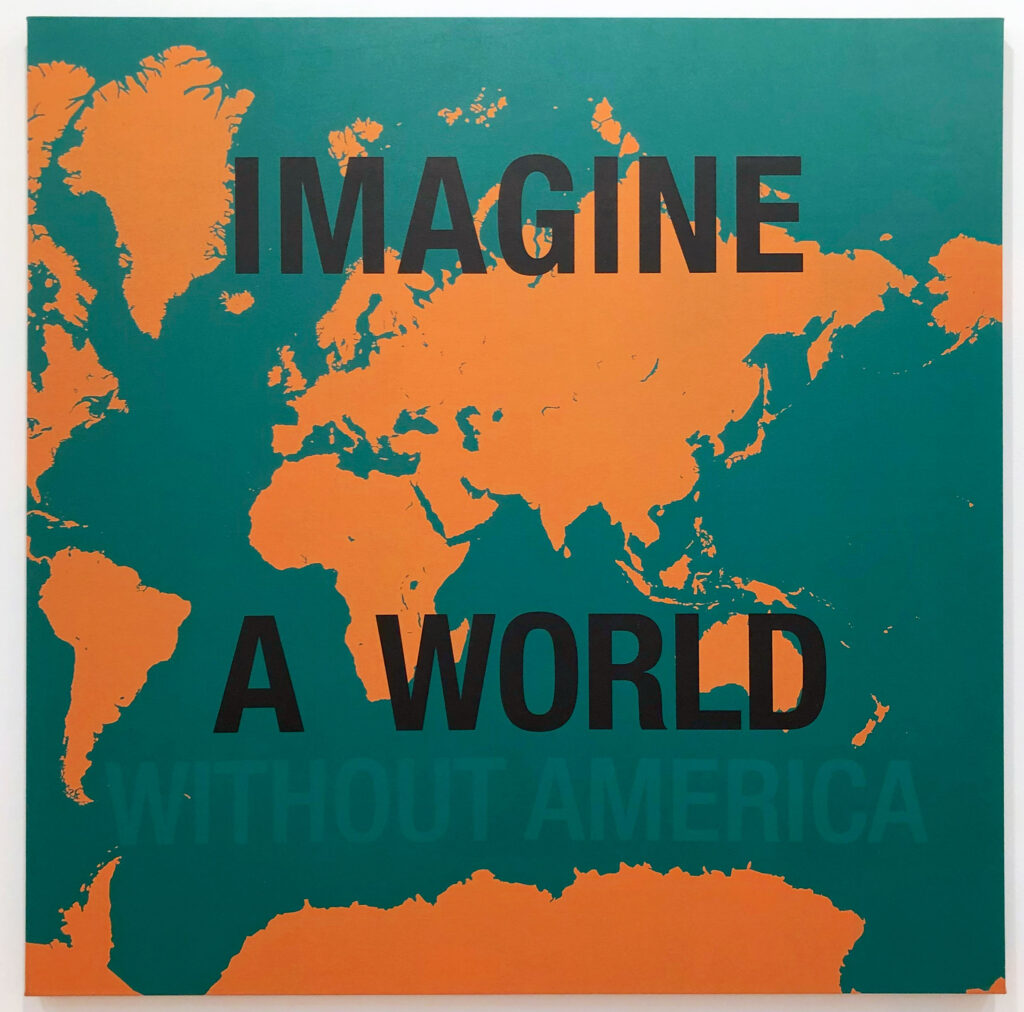
“Imagine a World Without America”, 2007, Screen print and acrylic on canvas

The painting above is by Brooklyn-based artist Dread Scott and was on view as part of the 2019 group exhibition Borders at James Cohan gallery in NYC.

From the press release about the work-

His 2007 work, Imagine a World Without America, calls upon the viewer to participate in the titular thought experiment and contemplate that absence. The painting de-centers the United States of America from the middle of the map that most Americans are familiar with. Scott utilizes the language of cartography to encourage the exploration of social questions, not geography. Land mass and sea are depicted but—like the world as it actually is—borders don’t exist.

The work is currently on view as part of 15, a group exhibition at Cristin Tierney gallery, celebrating the gallery’s anniversary and new location. 15 will be on view until 10/4/25.

Dread Scott has created political works throughout his career in a variety of mediums. In the video below he discusses how one of his art installations, What Is the Proper Way to Display a U.S. Flag (1989), drew controversy- including denouncement by then President George H.W. Bush.

Aug 222025
 

The work of Murray Bowles, a photographer who covered the punk rock scene in the Bay Area, was recently celebrated at Verge Center for the Arts in Sacramento. The exhibition, HAIL MURRAY: Bay Area Punk Photography from 1982 – 1995, showcased a variety of his exuberant photos of punk rock bands and their audiences, giving viewers a chance to go back in time.

From the gallery-

Using the recently published, 270 page monograph as its launching point, HAIL MURRAY: Bay Area Punk Photography from 1982 – 1995, showcases the work and life of Bay Area punk photographer Murray Bowles. Though Bowles came to reside in Sacramento at the end of his life, he spent over forty years at the epicenter of what would become a definitive movement for punk music and culture. Bands like Green Day, the Dead Kennedys, Rancid, and Operation Ivy exploded onto the scene through Bowles lens. Bowles’ documentation captured a sensibility that would come to define the Bay Area aesthetic. Most importantly, Bowles existed in the Northern Californian punk community as a friend and enthusiast motivated by the sense of community the scene afforded. Most weekends found Bowles, a self-taught photographer, developing prints in his kitchen immediately following a show so that he could sell them at the next show for $.25 each or published in the seminal, volunteer run magazine Maximumrocknroll.

A collection of Bowles photographs were as likely to include the audience or a kid getting a stick ‘n poke tattoo as they were a band shot. The photographs depict scenes ranging from University quads and living rooms to iconic locations including Mabuhay Gardens and 924 Gilman. In addition to Bowles’ ability to capture crisp, perfectly exposed shots of stagedivers in low lit clubs and bars, his photos also feature young people lounging on punk house couches and backyards. Bowles’s photographs provide a context for a culture that includes not just the performers, but the friends, fans, and environments that made the scene possible. Most art exists this way but we’re not always so lucky to have an exhaustive archive of not just the performers and their recordings but of the entire moment that made it feel alive.

Bowles sadly passed away in 2019, but the images he made will live on- enjoyed by fans of this time period in music, as well as the members of the communities he documented so extensively.

Aug 132025
 

The Delaware Contemporary currently has several exhibitions on view for their summer series Radius. Guise/Trickery, a two person exhibition curated by Erica Loustau and Moriah Berrouet, features a photographic series by Ashley Suszczynski (Guise), pictured above, and hyper-realistic recreations of discarded fast food packaging created by Brian Richmond (Trickery), pictured below.

From the museum about the Suszczynski-

Ashley Suszczynski is an award-winning photographer focused on capturing ancient traditions in the modern day. The photographs on exhibit include work from her series, Ancient Tradition in the Modern Day, which is an ongoing discovery of ancient pagan roots of masked traditions throughout the villages of the Iberian Peninsula. Ashley documents costumed villagers, unearthing the various cultural traditions and winter rites of the region. The masked festivals are designed to ward away evil spirits and welcome a fresh and healthy new year. Elaborate handmade costumes allow participants to step outside their everyday identities and engage in imaginative storytelling.  Whether the suits are made from silky goat hair, fur, mirrors, or feathers, the wearing of masks and costumes fosters a sense of liberation and communal celebration. The concept of guise plays a vital role in masked folk traditions and festivals, serving as a powerful tool for transformation. Ultimately, the guise in these traditions invites reflection on the nature of identity itself and challenges participants to explore the boundaries between reality and fantasy.

Ashley’s work has been seen in National Geographic, Photo District News, All About Photo and more. Her most recent exhibition, “Ancient Tradition in the Modern Day: Iberian Folklore and Maskarades” headlined the 2022 Barcelona Foto Biennale along with the 7th Biennial of Fine Art and Documentary Photography. The exhibit took the grand prize in the worldwide Julia Margaret Cameron Award for Women Photographers.

About Brian Richmond and his work from the museum-

Brian Richmond creates hyper-realistic renditions of mass-produced packaging.  Adept in paper modelling and painting, Brian tricks the viewer into seeing “trash”.  His work addresses the pervasiveness of single-use packaging and the “highly manufactured refuse that permeates our daily lives and environments in such a powerful way that we hardly notice it anymore”. By blurring the lines between illusion and actuality, Brian exploits trickery to enrich the viewer’s experience, encouraging them to explore layers of meaning beyond the surface.  Each unique artwork deceives the eye and makes us question its reason for being in a museum context.  The trickery has drawn us in only to remind us that the trick is actually on us.  We are the ones creating the real debris that litters our cities and towns.

Brian William Richmond is a visual artist from Pennsylvania who makes three-dimensional paintings of trash. Brian graduated from the Pennsylvania College of Art and Design with a BFA in 2001. In 2008, he was awarded the Pennsylvania Council on the Arts Fellowship. In 2012, he was awarded the West Collects acquisition prize. He previously exhibited at Pulse Art Fair, Miami in 2012 as part of The West Collection’s “THIS END UP” installation. In 2013, Richmond was one of five artists who were selected by Jonathan Ferrara Gallery to participate in a group exhibition entitled “Philadelphia”, where Richmond’s mass-produced packaging series was exhibited. In 2016, he was awarded the Fleisher Wind Challenge from Fleisher Art Memorial. Brian has also been a songwriter/composer for many years now, and his current project with his long-term collaborator Nick Hardy is the Bell Harmers. Brian is currently working on his next collection of paintings, which he plans to release in the fall of 2024. Brian works and resides in Chester County, Pennsylvania.

This exhibition closes 8/24/25.

Jul 102025
 

“Apokaluptein 16389067” 2010-2013, Prison bed sheets, transferred newsprint, color pencil, graphite, and gouache

Apokaluptein: 16389067 by Jesse Krimes was part of the group exhibition Marking Time: Art in the Age of Mass Incarceration, on view at MoMA PS1 from 2020-2021. This work can currently be seen as part of his solo exhibition Corrections, on view at The Metropolitan Museum of Art until 7/13/25.

From MoMa PS1 about Krimes and Apokaluptein

Jesse Krimes graduated from art school shortly before he was arrested and incarcerated. He spent his first year in prison in an isolation cell in North Carolina. After being transferred to Federal Correctional Institution, Fairton, in New Jersey, Krimes formed a multiracial art collective with Jared Owens and Gilberto Rivera, whose works also appear in this exhibition. During his time at Fairton, Krimes used penal matter to address questions of political theory, philosophy, aesthetics, and value.

Made over three years, Apokaluptein: 16389067 comprises thirty-nine prison bed sheets that depict a sweeping landscape representing heaven, earth, and hell. Using hair gel and a spoon, Krimes transferred images from print media to the bed sheets, drawing and painting around them to create an exploration of social value, state power, idealized beauty, and extractive capitalism. The work’s title combines the Greek word “apokaluptein,” meaning “to reveal” or “to uncover,” with Krimes’s prison number. The mass destruction Krimes depicts resonates with what he has described as his “loss of identity and stripping away of all societal markers and this destruction that happened on a very personal level….You lose your name; you become this number.” Imprisoned people are rendered state property and exploited to produce state goods: the bedsheets that compose Apokaluptein: 16389067 were made by imprisoned workers through a federal government-initiated program called UNICOR.

Krimes made each panel of this work individually, using the edge of his desk to measure the horizon on each sheet so that the panels would line up once joined. Assisted by incarcerated mailroom workers and sympathetic guards, the artist clandestinely transported finished panels out of prison before they could be confiscated. Upon his release in 2014, he assembled Apokaluptein: 16389067 and was finally able to see the work in its totality for the first time.

From The Met’s website about Corrections

Photography has played a key role in structuring systems of power in society, including those related to crime and punishment. This exhibition presents immersive contemporary installations by the artist Jesse Krimes (American, b. 1982) alongside nineteenth-century photographs from The Met collection by the French criminologist Alphonse Bertillon, who developed the first modern system of criminal identification before the adoption of fingerprinting.

Krimes’s image-based installations, made over the course of his six-year incarceration, reflect the ingenuity of an artist working without access to traditional materials. Employing prison-issued soap, hair gel, playing cards, and newspaper he created works of art that seek to disrupt and recontextualize the circulation of photographs in the media. Displayed at The Met in dialogue with Bertillon, whose pioneering method paired anthropomorphic measurements with photographs to produce the present-day mug shot, Krimes’s work raises questions about the perceived neutrality of our systems of identification and the hierarchies of social imbalance they create and reinscribe. An artist for whom collaboration and activism are vital, Krimes founded the Center for Art and Advocacy to highlight the talent and creative potential among individuals who have experienced incarceration and to support and improve outcomes for formerly incarcerated artists.

One of his recent works on view in Corrections, Naxos, was created to pair with Apokaluptein.

About the work from curator Lisa Sutcliffe’s essay on The Met’s website

The breadth of this interest in collaboration and advocacy can be seen in Naxos (2024), which features nearly ten thousand pebbles gathered from prison yards by incarcerated individuals around the country and shared with Krimes. Each hand-wrapped stone is suspended from a needle by a thread hand-printed with ink to match imagery from Apokaluptein. Installed across from each other, their pairing mirrors and deconstructs that earlier work, serving as a reflection of individuals caught up in the system of mass incarceration. The artist was inspired by the writings of psychologist Carl Jung, who warned of the danger of reducing individuals to statistics: Jung noted the impossibility of finding a river stone whose size matches the ideal average. With each distinctive yet anonymous pebble standing in for the mugshot, Krimes interweaves the complexity of individual experience with the broader social and political context in which mass incarceration exists.

Krimes’ Center for Art and Advocacy recently opened ts flagship location in the Bedford-Stuyvesant neighborhood of Brooklyn, New York. Its inaugural exhibition, Collective Gestures: Building Community through Practice,  highlights “the transformative work of over 35 artists who have participated in The Center’s Right of Return Fellowship Program” and will be on view until 9/20/25.

Jun 202025
 

Founded in Brooklyn in 2011, Photoville is a free annual photography festival that includes over eighty exhibitions of local and international photography. The main exhibitions take place in shipping containers and on banners and cubes in Brooklyn Bridge Park- although there are other locations around the city. The festival also includes free events, demonstrations and talks.

The work above is from artist Cinthya Santos-Briones‘ series Herbolario Migrante (Migrant Herbalism). For these pieces she embroidered over cyanotypes and lumens of various medicinal herbs on fabric and also embroidered illustrations from the Cruz-Badiano Codex.

More information from Photoville

Migrant Herbalism is a project that examines the belief system of traditional and popular medicine—Afro-indigenous—of Latin America and how their knowledge, healing practices, and rituals have migrated with forced displacement to the United States.

Through alternative techniques of cameraless photography, visual documentation, ancient codices, oral history, community workshops, and embroidery, I document and share ritual knowledge to heal physically and spiritually, with herbs and therapies offered by traditional healers, among communities of immigrants, in response to racial and economic disparities in health care access in New York City – where most of the “undocumented” immigrants do not have health insurance.

Inspired by Anna Atkins’ photographs of algae, I create photograms: cyanotypes and lumens on fabrics embroidered with illustrations from the Cruz-Badiano Codex – the oldest book on medicinal plants in the Americas, written in Nahuatl by the Aztecs in the 16th century – and medicinal herbs, barks, and seeds that have migrated with us and are found in botanicas in New York City. Through community workshops, migrant women collaborate in this project by writing ancestral knowledge about herbalism, with which I create hand-made artisanal books challenging Western beliefs about health.

This is the second and last weekend of the festival and as part of this year’s event programming, Santos-Briones is teaching a cyanotype workshop. Botanical Photography: Memory Printed in Light. Cyanotypes and Herbalism: Art from Nature  will take place tomorrow 6/21/25 from 12-2pm.

May 292025
 

Brazilian documentary photographer and photojournalist Sebastião Salgado passed away on May 23rd at the age of 81. His distinctive black and white images brought attention to previously unseen cultures, devastating humanitarian crises, and the struggles of workers, all around the world.  Later, he turned his sharp focus to the remote natural world and its inhabitants.

The images in this post are from the 2014 documentary The Salt of the Earth, co-directed by Wim Wenders and his son Juliano Ribeiro Salgado. The film celebrates the artist’s life and career and focuses on several of his large projects.

Salgado also created Instituto Terra with his wife Lélia in 1998. The organization focuses on planting trees and restoring Brazil’s Atlantic Forest. The project began in on his family’s farmland, pictured below, before and after the restoration.

Below are additional images from Salgado’s environmental work seen in the film.